Dominican Republic Carnival 2026: Dates, Masks & Best Towns
When Dominican carnival happens, what the diablo cojuelo and lechón masks mean, and which towns are worth the trip, from Carnaval de La Vega to Santiago and beyond.
By Martin Garcia
Co-founder, Exploras | Tourism entrepreneur, Las Terrenas. Martin has lived and worked on the Samaná Peninsula for over a decade, building businesses in tourism, real estate, and hospitality. As co-founder of Exploras, he works daily with local guides, whale watching operators, and transport providers — giving him ground-level insight into what actually works for visitors to Samaná.
The Dominican Republic carnival takes place every Sunday in February in towns across the country. It peaks around Independence Day on February 27, and some towns hold events into early March. The best places to see it are La Vega, Santiago, Santo Domingo, Puerto Plata and Montecristi. Each town has its own masked characters, music and rules of play.
The first thing I remember about my first Carnaval de La Vega is the sound, before I saw any of it. Hundreds of little bells were stitched onto satin costumes. Whips cracked somewhere ahead, and merengue boomed from speakers on the balconies. Then a devil in a mirrored mask with huge red horns walked up to me and swung an inflated vejiga at my backside. Everyone around me laughed, and I was hooked.
I've been back many times since, and I've spent other February Sundays following parades in Santiago and Puerto Plata. This guide covers what I wish I'd known before that first trip.
When Is the Dominican Republic Carnival in 2026?
The Dominican Republic carnival happens on every Sunday in February. The biggest crowds come on the last weekend, close to Independence Day (February 27). After the regional carnivals, a national parade in Santo Domingo usually closes the season in late February or early March. The organisers announce the exact date each year.
This is not the same as Rio or New Orleans, where everything happens in a few days before Lent. Carnaval dominicano is spread across the whole month. It is tied as much to patriotic pride as to the religious calendar. Independence from Haiti in 1844 and the Restoration of the Republic both run through the festivities, which helps explain the national flags you'll see among the devil horns.
How the season unfolds
- Late January to early February: Comparsas (costumed groups) finish their masks and suits. You'll start to see rehearsals and the odd devil walking around town on weekends.
- February Sundays: The main parades run in La Vega, Santiago, Puerto Plata, Bonao, Salcedo, Santo Domingo and many smaller towns. They usually go from early afternoon until dusk.
- Around February 27: The patriotic peak, with the biggest crowds of the season.
- Late February to early March: The national carnival parade in the capital, where groups from all over the country come together.
- Semana Santa (Easter week): Some traditions, like the Cachúas of Cabral, wait until Easter.
Insider tip: Don't try to confirm 2026 dates from foreign event sites. Check the local town hall (ayuntamiento) social media pages or ask at a colmado, the corner shop where every neighbourhood's news goes around. The Sunday schedule rarely changes, but the closing parade date often does.
What Do the Carnival Masks Mean?
Dominican carnival masks mix Spanish medieval devil figures, African rhythms and Taíno imagery, and each region reinterprets them. The most famous is the diablo cojuelo, the "limping devil." He's a mischievous figure with horns, a grinning mouth and bulging eyes, and he carries a vejiga for swatting spectators.
According to legend, the diablo cojuelo was thrown out of heaven for his pranks and hurt his leg in the fall. That's why traditional dancers move with a hopping, uneven step. The masks are made of papier-mâché built up over clay moulds, then painted and decorated with mirrors, teeth and glitter. Making a single mask can take weeks.
The main characters you'll meet
- Diablo Cojuelo (La Vega and nationwide): Horned devil masks with heavy, colourful costumes covered in bells, mirrors and ribbons.
- Lechones (Santiago): Masks that look like pigs crossed with devils. The rival neighbourhoods of La Joya and Los Pepines each have their own style of horns, and locals have strong opinions about which is better.
- Taimáscaros (Puerto Plata): A newer character inspired by Taíno heritage, with seashells, feathers and natural materials.
- Robalagallina (Santo Domingo): A man in a huge padded hen costume with an exaggerated belly, followed by children he "protects."
- Califé (Santo Domingo): A satirical figure in a top hat who recites rhyming verses mocking politicians and the year's scandals.
- Guloyas (San Pedro de Macorís): Dance-drama groups descended from English-speaking Caribbean migrants. UNESCO recognises the Cocolo dance-drama tradition as Intangible Cultural Heritage.
- Platanuses (Salcedo): Costumes covered in dried plantain leaves, a reminder of the area's farming roots.
For more background on the history and regional variations, the Wikipedia overview of Dominican Carnival is a good starting point.
Carnaval de La Vega: The Heart of Dominican Carnival
If you only see one parade, make it Carnaval de La Vega. This city in the Cibao valley is considered the most traditional and largest carnival in the country. On February Sundays the whole downtown turns into a circuit of grandstands, music stages and food stalls, with costumed groups circling for hours.
The scale is what surprised me most. Hundreds of comparsas take part, and each one wears matching costumes and masks designed around a theme for the year. Some groups have dozens of members, all in identical hand-stitched suits that cost their owners months of savings. Vegano families talk about their group the way other people talk about football clubs.
The vejiga: what to expect
The vejiga is the part first-timers ask about most. Traditionally it was an inflated animal bladder. Today it's usually a rubber ball tied to a rope. Diablos swing it at spectators, almost always at the backside. It stings a little, and it's part of the game.
Rules have tightened over the years to stop rough play, and most diablos are good-humoured about it. That said, if you stand on the street rather than in a grandstand, expect to be hit. Turning your back and laughing is the local way to handle it.
Getting there and staying over
La Vega sits on the main highway between Santo Domingo and Santiago, and the main intercity bus lines stop there. Traffic gets heavy on carnival Sundays, so give yourself plenty of time and get there well before the afternoon peak.
Hotel rooms in La Vega book up early for February. Many visitors stay in nearby Jarabacoa instead. It's a cool mountain town where you can spend Saturday chasing waterfalls. Our Salto de Jimenoa and Salto de Baiguate waterfalls guide is a good plan for the day before the parade. If you're fit and planning far ahead, the Pico Duarte hike guide explains how to add the Caribbean's highest peak to the same trip.
Best Towns to See Carnaval Dominicano
La Vega gets the headlines, but each region does carnaval dominicano its own way. The table below compares the main celebrations.
| Town | Region | Signature character | When |
|---|---|---|---|
| La Vega | Cibao | Diablo cojuelo | Sundays in February |
| Santiago | Cibao | Lechones (Joyeros & Pepineros) | Sundays in February |
| Santo Domingo | Capital | Robalagallina, Califé | February, plus national parade (late Feb/early Mar) |
| Puerto Plata | North coast | Taimáscaros | Sundays in February |
| Salcedo | Cibao | Platanuses | February |
| Montecristi | Northwest | Toros y Civiles | February |
| San Pedro de Macorís | East | Guloyas | Carnival season and other festivals |
| Cabral | Southwest (Barahona) | Cachúas | Semana Santa (Easter) |
Santiago: rival neighbourhoods and the Monumento
Santiago's carnival centres on the area around the Monumento a los Héroes de la Restauración. The rivalry between the lechones of La Joya and Los Pepines is a big part of the fun. Locals swear you can tell which barrio a dancer is from by the shape of their horns. It feels more like an urban street party than La Vega's organised circuit.
Puerto Plata: carnival with a sea breeze
Puerto Plata's parades run along the waterfront Malecón. It's the easiest carnival to combine with a beach holiday on the north coast. Spend the morning in the Victorian old town (our Fortaleza San Felipe and Puerto Plata old town walking guide covers the route), then join the crowd along the sea wall in the afternoon.
Montecristi and Cabral: the wilder side
In Montecristi, the Toros (bulls) face off against the Civiles (civilians) in a ritual whipping contest. It's loud and intense, and it's not ideal for small children. Cabral, near Barahona, holds its Cachúas festival around Easter, not in February. Whip-wielding masked figures end the celebration with a ritual in the town cemetery. It's one of the country's oldest and least touristy traditions.
Santo Domingo: the grand finale
The capital's national carnival parade on the Malecón brings together groups from all over the country. If your trip doesn't line up with a regional Sunday, this is the best way to see many traditions in one afternoon.
Quick Tips
Quick Tips
- Wear jeans or thick shorts. A vejiga hit through thin beachwear hurts more than you'd think.
- Leave passports, jewellery and expensive phones at your hotel. Crowds are dense and pickpockets work the parades.
- Carry small Dominican peso bills for street food and drinks. Card machines are rare along the routes.
- Bring earplugs if you're sensitive to noise. Speaker trucks and whip cracks are relentless.
- Ask before photographing someone without a mask. Masked dancers usually love to pose.
- Drink water between the Presidentes. February afternoons in the Cibao still get hot.
Is the Dominican Carnival Safe for Tourists?
Yes, for the most part. Dominican carnival is a family event, and locals of all ages fill the routes. The main risks are petty theft in crowds, too much alcohol late in the day, and the occasional rough vejiga swing. Normal big-event common sense covers almost all of it.
A few things I've learned the hard way:
- Pick your spot early. At La Vega, a grandstand seat or a balcony keeps you out of vejiga range. Standing at street level puts you in the action.
- Leave before dark if you have kids with you. Afternoons are for families. The mood shifts as the drinking goes on.
- Agree on a meeting point. Phone signal can drop when tens of thousands of people are on one street.
- Don't wear your own devil mask into the parade unless you're with a group. Spectators in costume can get swept into the play.
Insider tip: The best time to see masks up close isn't the parade. It's the late morning before, when comparsas gather in side streets to suit up and adjust their horns. People are more relaxed and happy to chat, and you can actually see the detail on the papier-mâché.
Combining Carnival With Whale Season in Samaná
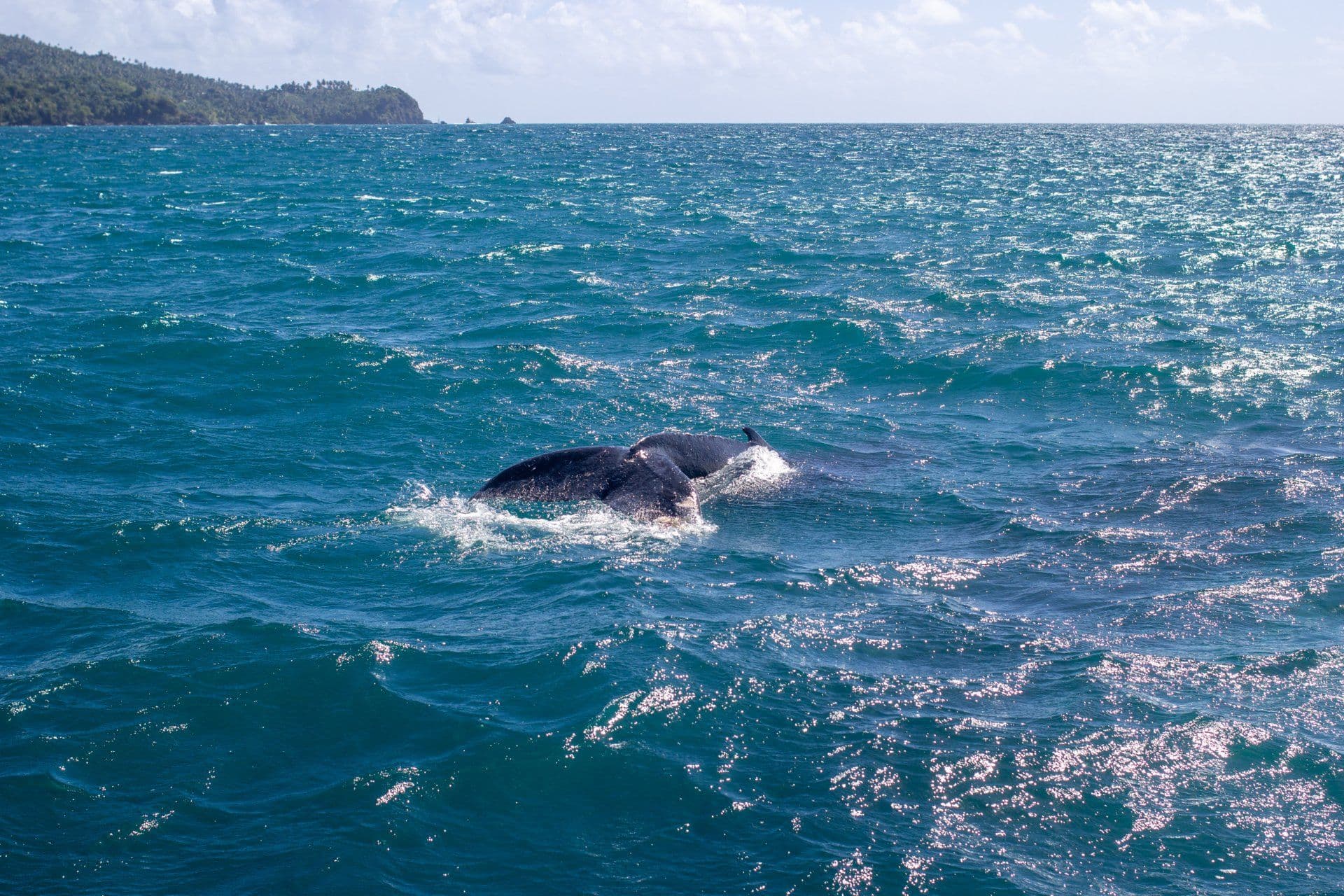
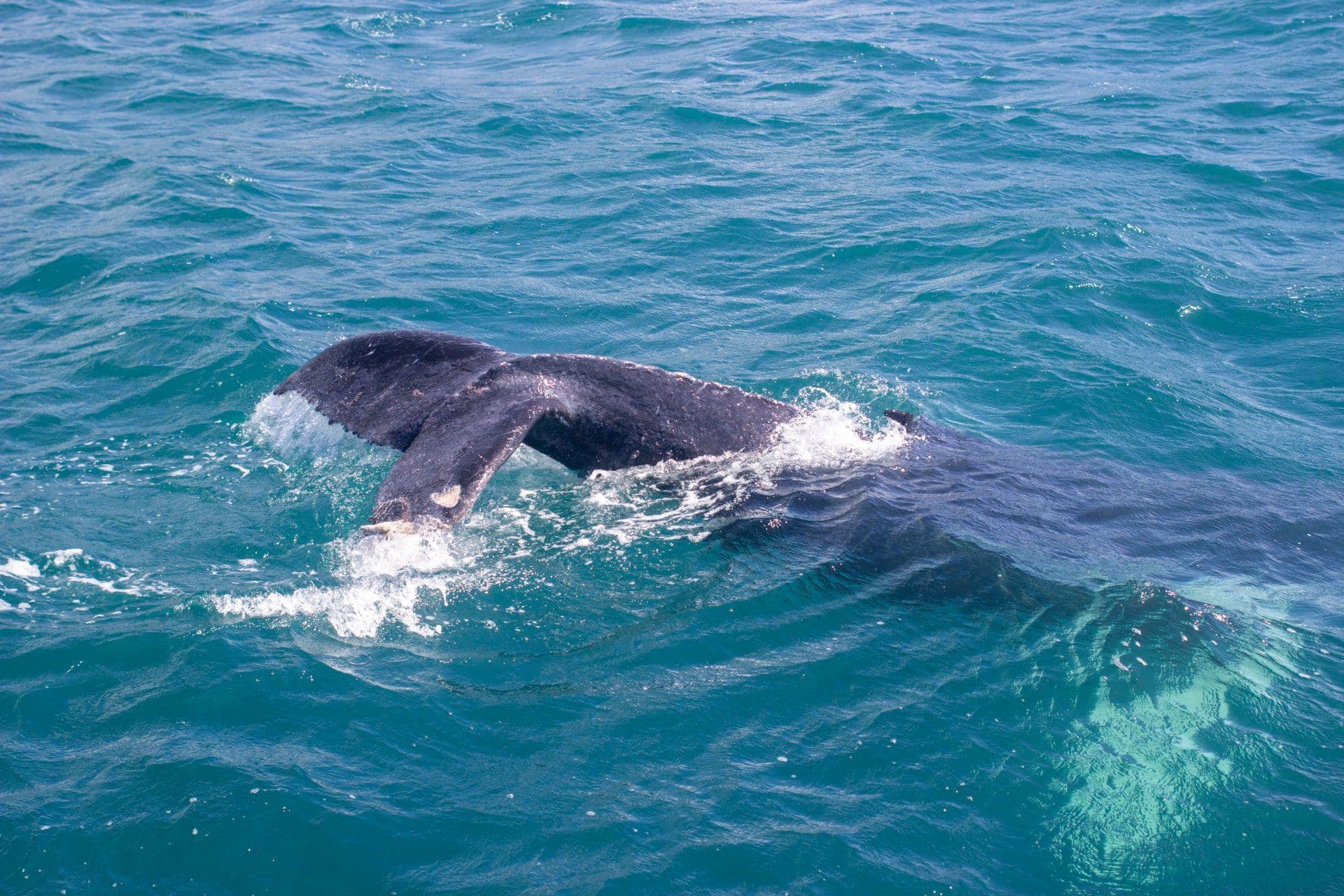
Carnival lands right in the middle of humpback whale season in Samaná Bay. Every winter from mid-January to the end of March, humpbacks come to the warm waters off the Samaná Peninsula to mate and calve. You can see masked devils in the Cibao on Sunday and be on a boat watching whales breach a few days later.
That's what I do most Februaries. After the noise of La Vega, the quiet of the bay feels like a reset. You'll hear whale blows across the water and frigatebirds overhead, and you'll eat fresh fish with coconut rice in a beach shack afterwards.
To be clear, Exploras lists local operators only on the Samaná Peninsula. You can't book carnival tickets, La Vega transport or anything elsewhere in the country through us. You can, however, line up the Samaná side of your trip. Our whale watching in Samaná Bay page shows the boat trips running this season. The broader things to do in Samaná hub covers waterfalls, beaches and boat trips for the rest of your stay.
If you're heading east from the Cibao, our guide on how to get to Las Terrenas and Samaná explains the road options so you can plan the drive from carnival country to the coast.
Planning Your Carnival Trip in 2026
The Dominican Republic carnival rewards travellers who plan around Sundays. Base yourself in the Cibao (La Vega, Jarabacoa or Santiago) for at least one February weekend. Add Santo Domingo if you can catch the national parade. Then give yourself time to recover somewhere slower.
What stays with me isn't any single parade. It's the craft behind it: a grandmother in La Vega gluing mirrors to her grandson's mask, kids in Santiago practising their lechón shuffle, a Califé improvising verses about the price of rice. Carnaval dominicano is something communities make together, all year round, and February is when they show it off.
For official event updates and regional travel information, check the Dominican Republic tourism board. When you're ready to trade whip cracks for whale songs, the bay will be waiting.
Key Takeaways
Key Takeaways
- The Dominican Republic carnival runs on Sundays throughout February. The high point is around Independence Day on February 27.
- Carnaval de La Vega is the biggest and best-known. Expect thousands of horned diablo cojuelo masks and plenty of vejiga swats.
- Every region has its own characters. Santiago has the spiky lechones, Montecristi has Toros y Civiles, and Cabral holds its Cachúas around Easter.
- Carnival season overlaps with humpback whale season in Samaná Bay, so you can fit both into one winter trip.
- Wear tough clothes, keep your valuables at home and arrive early if you want a good spot on the route.
Book your excursion
Pick one, see the photos and prices, and write to the host on Exploras.
Got a question? Ask us
We answer right away, with verified local hosts.


