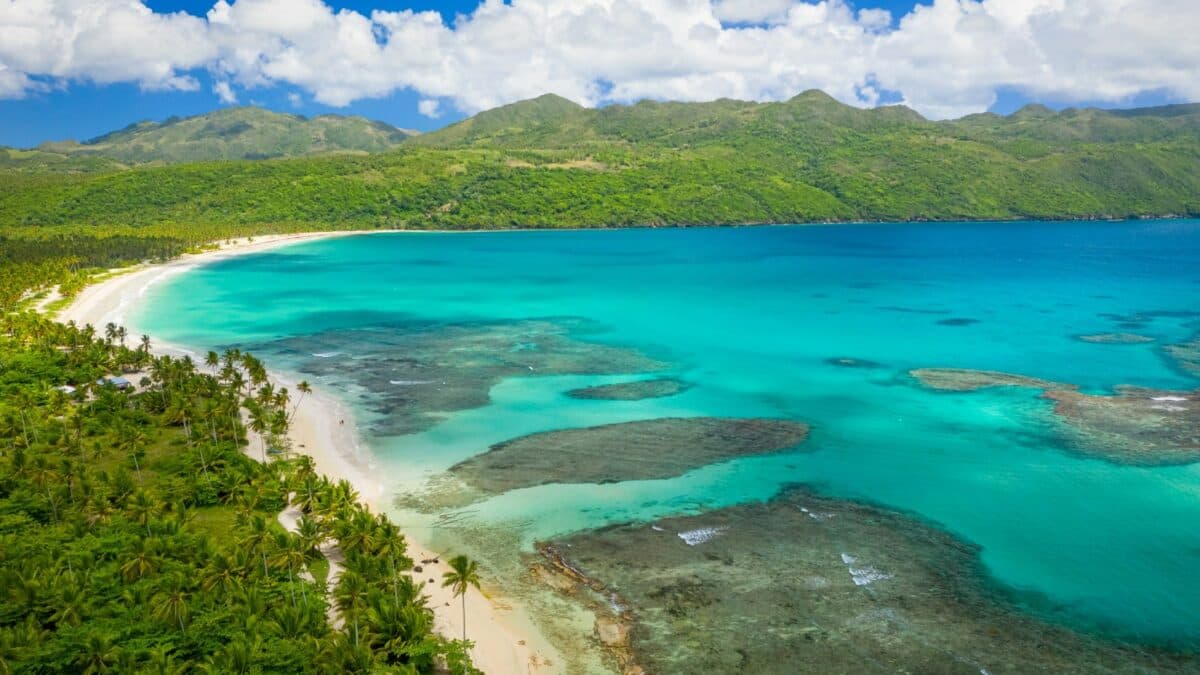
Things to Do in Samaná, Dominican Republic.
Samaná, Dominican Republic
Samaná is the Dominican Republic at its most natural. A green peninsula on the north-east coast, it pairs some of the Caribbean's best beaches with humpback whales in winter, a 40-metre jungle waterfall, postcard offshore islands, and small fishing towns that still feel like real places.
This guide collects the experiences worth your time in Samaná — from January whale watching trips out of Samaná Bay to half-day waterfall hikes in El Limón, day trips to Cayo Levantado and Playa Rincón, sunset catamarans off Las Terrenas, and the food and culture of Las Galeras. Every listing on Exploras is a real, independent local operator.
Top experiences in Samaná
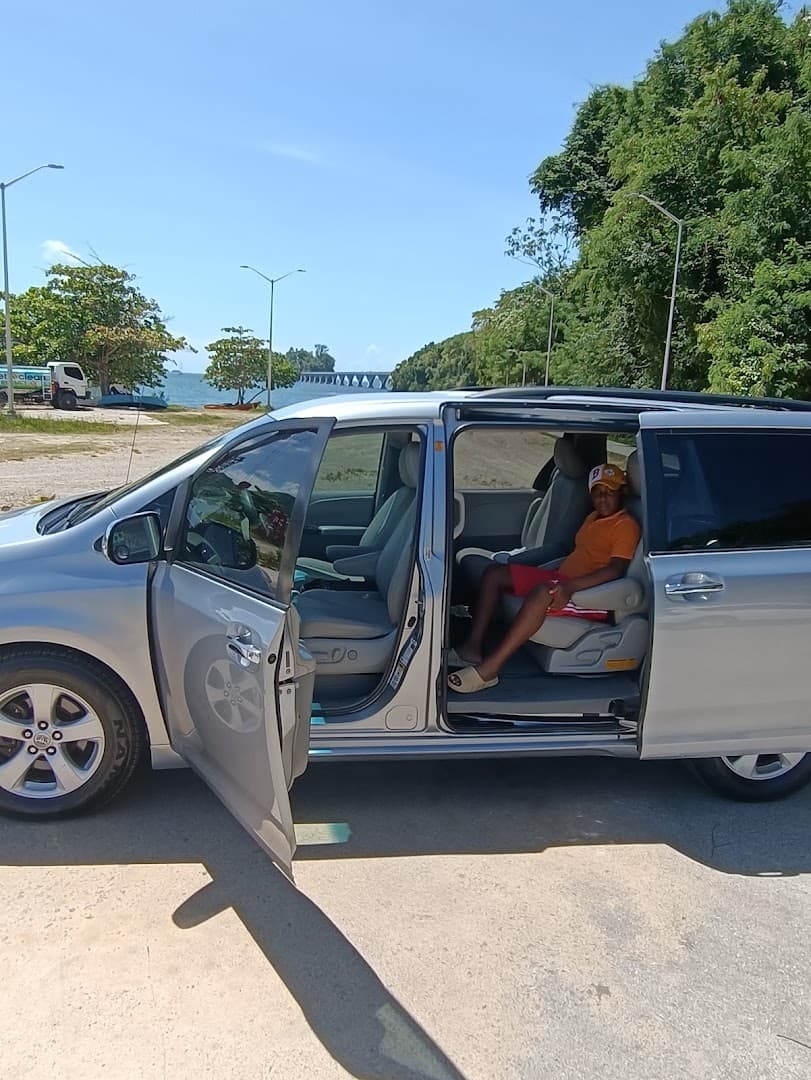
Samaná Taxi — Airport Transfers and Private Peninsula Tours
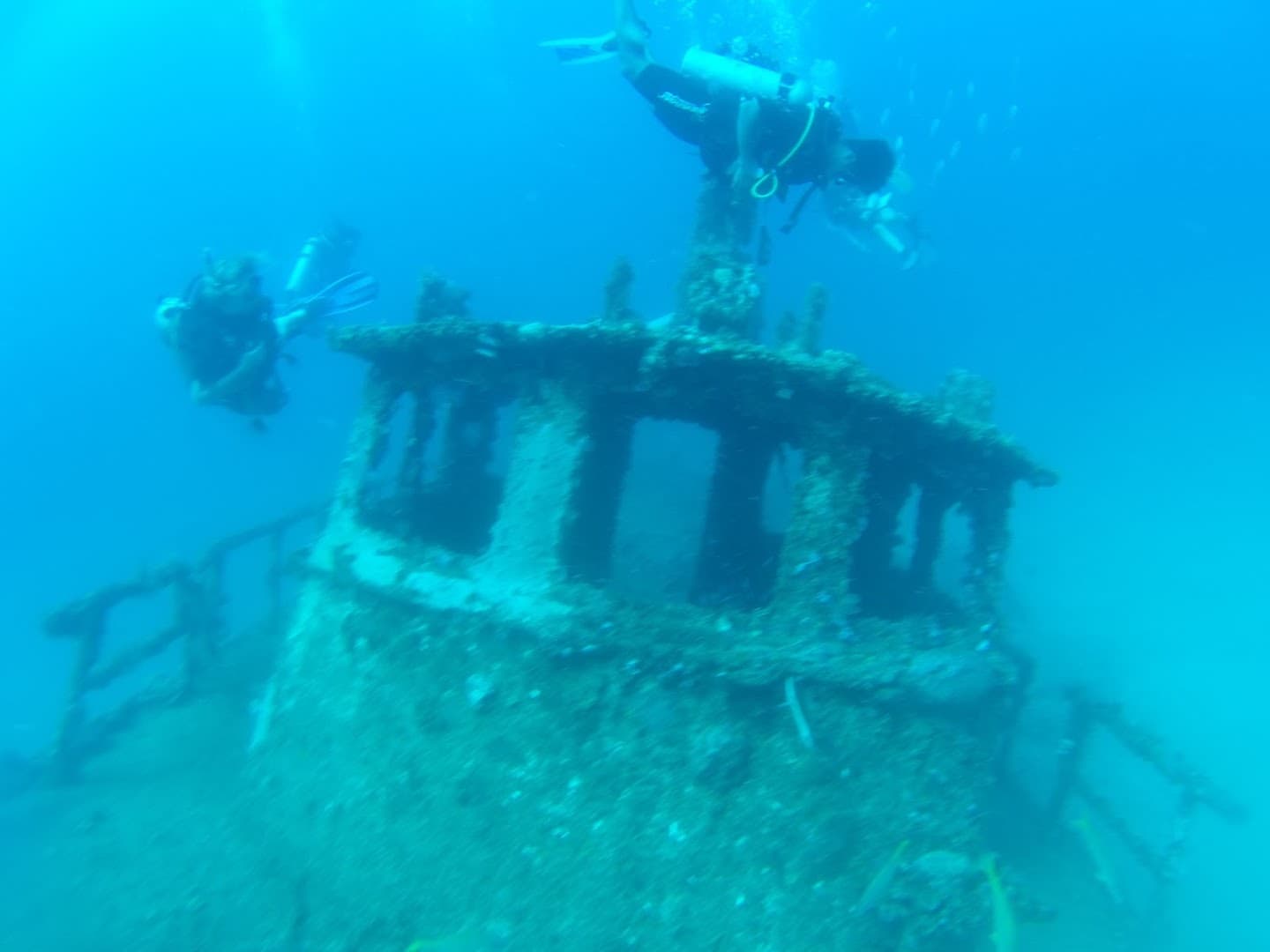
Scuba Diving with Profundo Blue, Las Terrenas
Catamaran Day Sails, Sunsets and Lessons — Las Terrenas

Airport Taxi to Las Terrenas — Fares from Six DR Airports
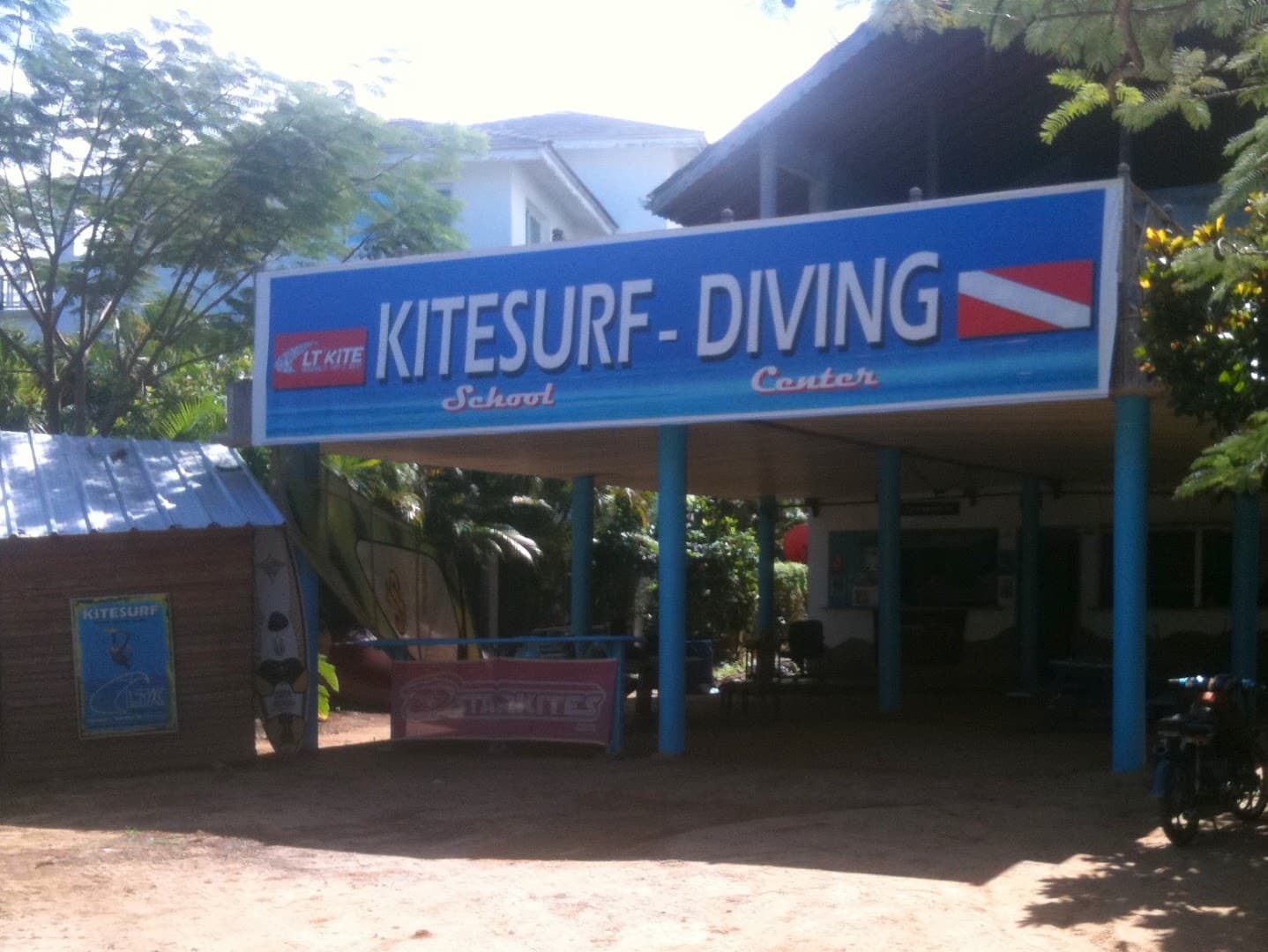
Group Kitesurf Discovery Lesson with LT'Kite, Las Terrenas
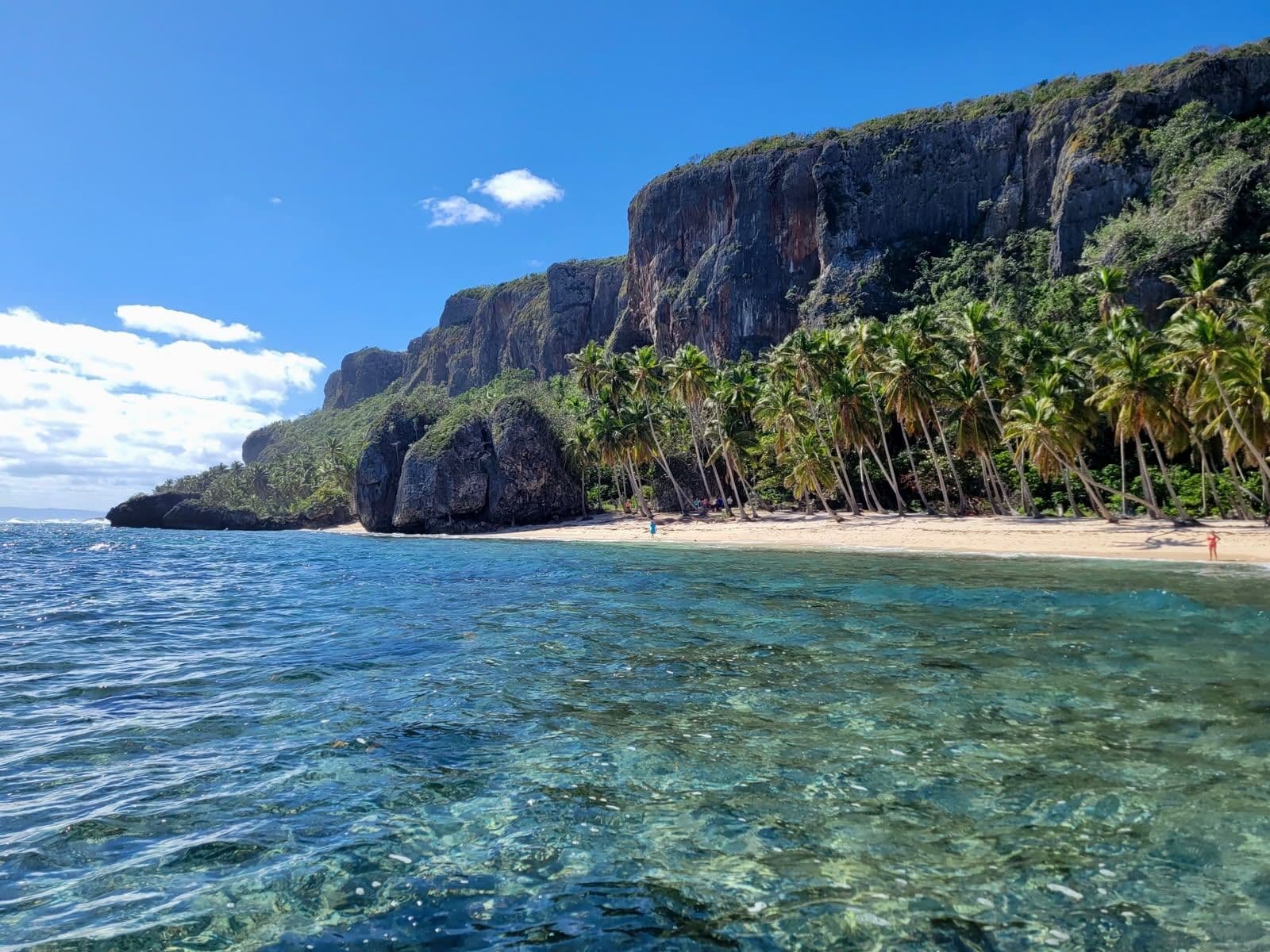
Humpback Whale Watching and Playa Fronton — Max Ten Aboard, Snorkelling and Lunch on the Beach
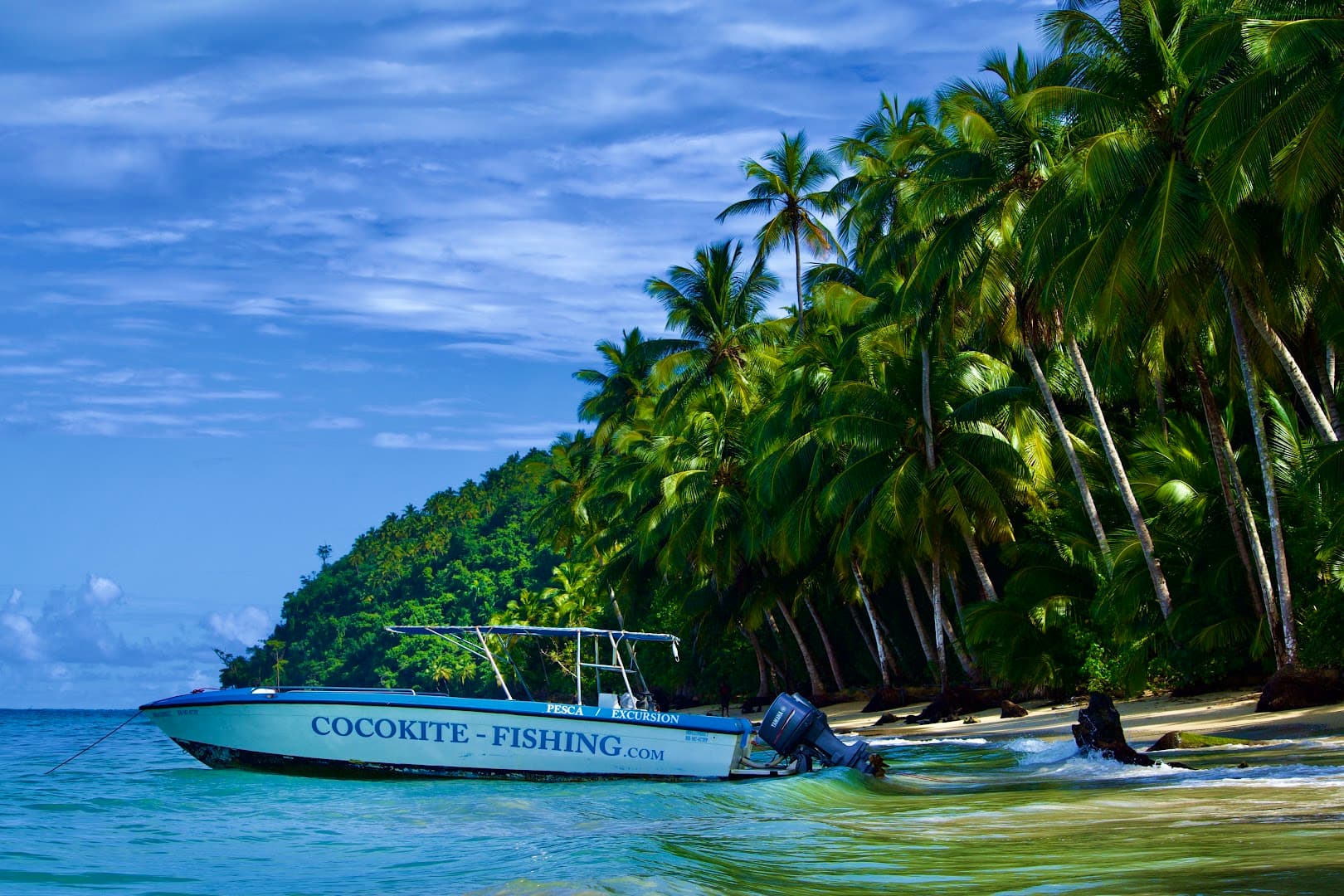
Private Fishing, Boat Excursions & Wingfoil – Las Terrenas
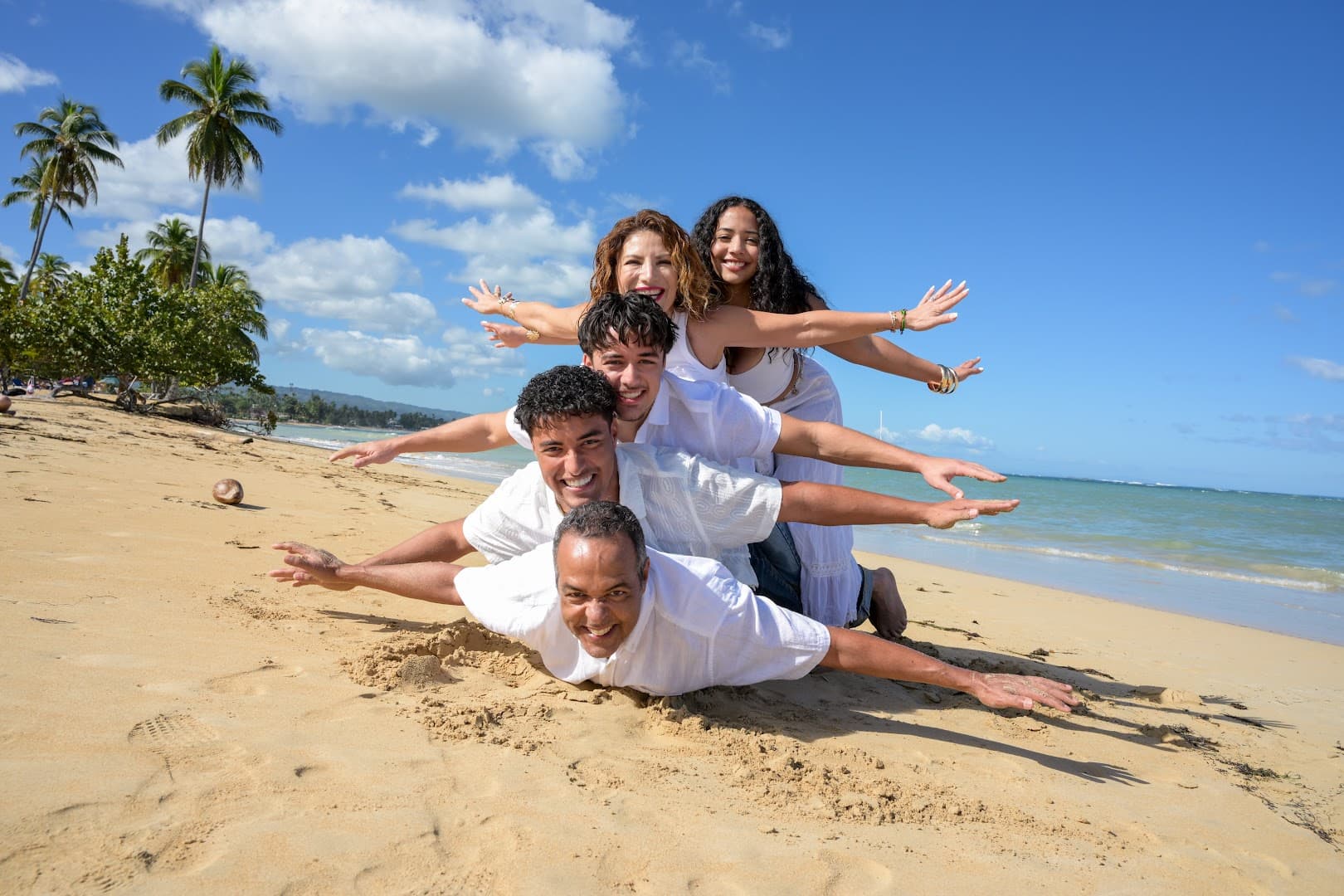
Beach Photo Session — Las Galeras
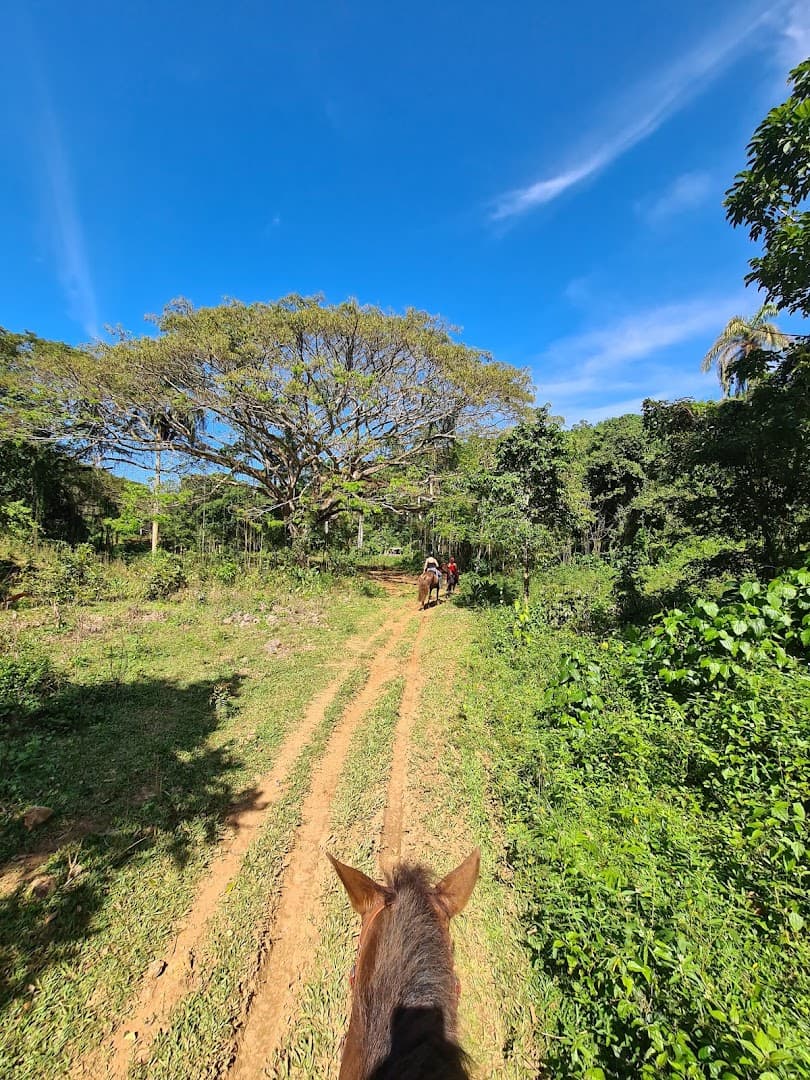
Forest Trail Ride — No Roads
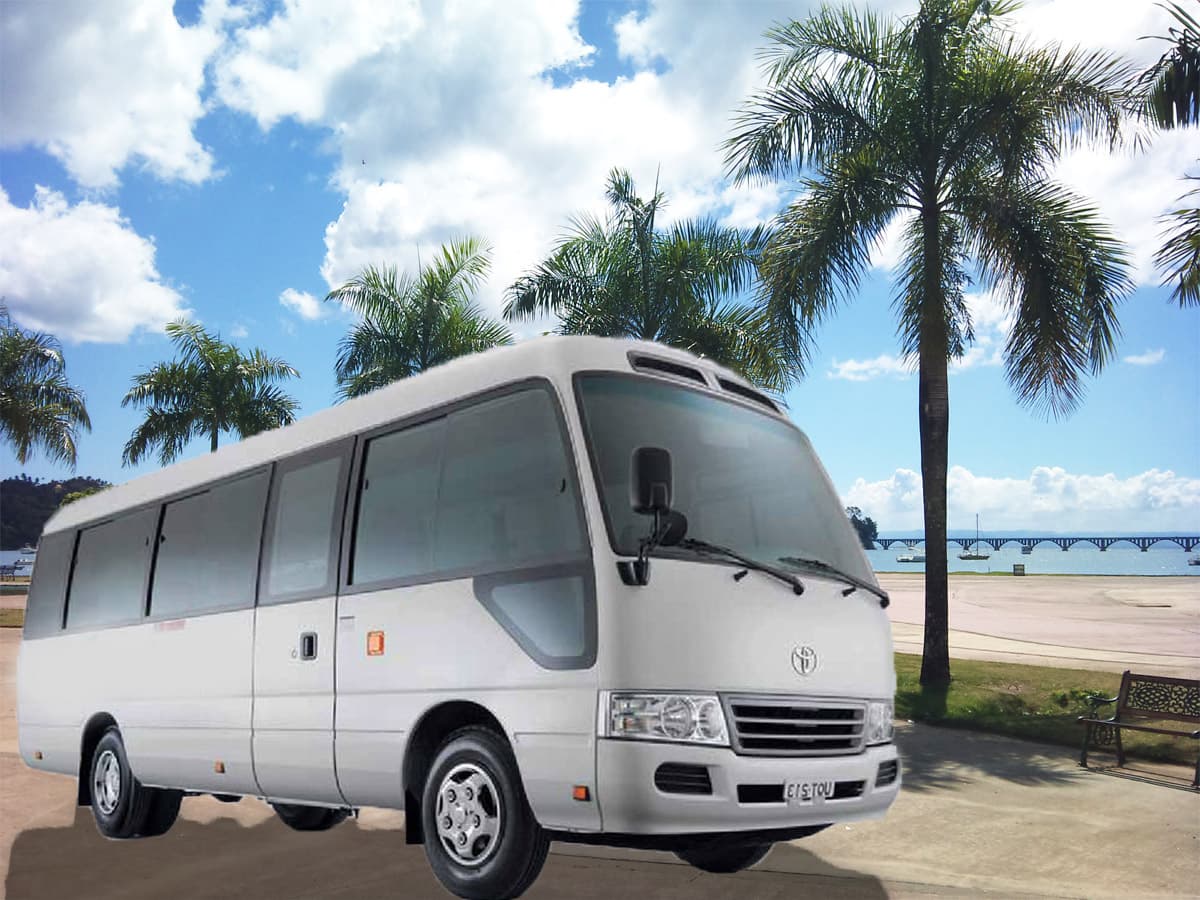
Private Minivan Transfers — Samaná, Las Terrenas, Las Galeras
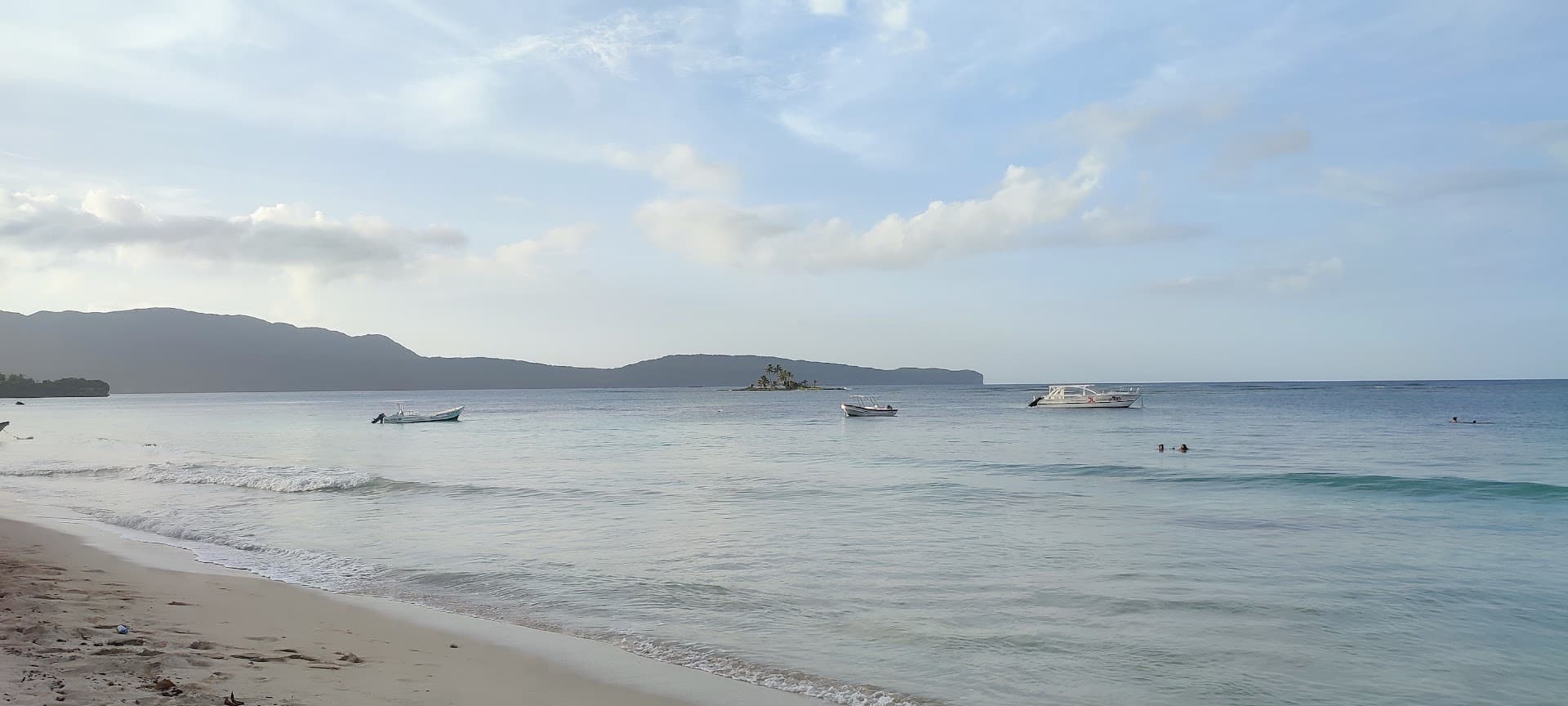
Boat Trip to Playa Rincón, Madama & Frontón
Scooter & Motorbike Rental — Las Galeras
Where is Samaná and how do you get there?
Samaná is a peninsula on the north-east coast of the Dominican Republic, jutting into the Atlantic above a deep bay. The province is also called Samaná, and so is its small capital — which is why "Samaná" can mean the peninsula, the province or the town depending on who is speaking. On this page it means the peninsula.
From Santo Domingo — 2 to 2.5 hours on the Boulevard del Atlántico toll road. The single most common approach.
By air — El Catey / Samaná (AZS) sits at the western base of the peninsula, about 45 minutes from Las Terrenas and a little over an hour from Samaná town. Seasonal direct flights arrive from Canada and Europe; otherwise most travellers fly into Santo Domingo (SDQ) or Punta Cana (PUJ).
From Punta Cana — about 4 hours by road.
From Puerto Plata — about 3 hours along the north coast.
There is no rail and no internal flight worth taking. Everything on the peninsula is within about an hour of everything else by car.
The three towns, and which one to choose
Las Terrenas (north coast) — the biggest and most international. Four beaches, the best food and nightlife, the easiest base without a car. Closest to the airport.
Las Galeras (eastern tip) — a fishing village where the road ends. The base for Playa Rincón, Frontón and Madama, all reached by boat. Quiet, beautiful, very little to do after dark.
Samaná town / Santa Bárbara de Samaná (south coast, on the bay) — the working town and the port. Whale-watching boats and the Cayo Levantado ferry leave from here. Fewer beaches, more everyday life.
A week splits neatly: three or four nights in Las Terrenas, two or three in Las Galeras, with Samaná town as a day trip from either.
The five experiences nobody misses
Whale watching in Samaná Bay (mid‑January to late March). Around 2,000–3,000 North Atlantic humpbacks migrate here each winter to mate and calve. Boats leave from Samaná town; choose an operator that follows DR Ministry of Environment guidelines.
El Limón waterfall. A 40-metre cascade in dense jungle. You hike or ride horseback in (about 45 minutes each way) and swim in the pool below.
Cayo Levantado day trip. The "Bacardi island" — a tiny postcard cay reached in 20 minutes by boat from Samaná town. Best in the morning before the cruise tenders arrive.
Playa Rincón. Routinely rated one of the world's best beaches. Three kilometres of pale sand, palms, and almost no development. Best reached by 4x4 or boat from Las Galeras.
Las Terrenas town. The peninsula's most international hub, with a French-Italian café scene, surf-friendly beaches at Bonita and Cosón, and a buzzing Pueblo de los Pescadores at sunset.
When to go
Whales: mid-January to late March (peak: mid-Feb to mid-March).
Best weather overall: December–April. Dry season, low humidity, less mosquitoes.
Quieter and cheaper: May, June and November — short showers most afternoons but bright mornings and warm sea.
Avoid: Late August through October is the active part of the Atlantic hurricane season. Trips still run, but plan a flexible itinerary.
Getting around
Samaná peninsula is bigger than it looks on a map — about 60 km end to end. Distances between Las Terrenas, Las Galeras, El Limón and Samaná town can each take 45–75 minutes by road. A rental car or pre-booked private transfer is the easiest way to mix and match experiences from different towns. Local taxis ("motoconchos" and "guaguas") cover short trips well.
Frequently asked questions
Where is Samaná in the Dominican Republic?
Samaná is a peninsula on the north-east coast of the Dominican Republic, about 2 to 2.5 hours by road from Santo Domingo. Its own airport, El Catey (AZS), is at the western end, about 45 minutes from Las Terrenas.
Is Samaná worth visiting?
Yes. Samaná is the greenest and least developed of the Dominican Republic's main tourist regions: no resort strip, several of the country's best beaches, the Caribbean's most reliable humpback whale season from mid-January to late March, and a national park of mangroves and caves at Los Haitises. It suits travellers who want beaches and nature over nightlife and all-inclusives.
What is Samaná best known for?
Samaná is best known for humpback whale watching from January to March in Samaná Bay, the El Limón waterfall, the offshore island Cayo Levantado ("Bacardi Island"), and the beach at Playa Rincón. It is generally considered the most natural and least over-developed coast of the Dominican Republic.
How many days do I need in Samaná?
Three full days is the sweet spot: one for whale watching or a Cayo Levantado / Playa Rincón boat day, one for El Limón waterfall plus a beach afternoon, and one for relaxed time in Las Terrenas or Las Galeras. Five to seven days lets you slow down and add hiking, surfing or a yoga retreat.
When can I see whales in Samaná?
Humpback whales are reliably present in Samaná Bay between mid-January and late March, with the highest sighting rates from mid-February to mid-March. All licensed boats follow DR Ministry of Environment distance and time-limit rules.
Is Samaná or Punta Cana better?
They are different trips. Punta Cana is built around all-inclusive beachfront resorts and easy international flights. Samaná is wilder, with more nature, fewer big resorts, and richer local culture — better for travellers who want beaches plus active experiences (whales, waterfalls, hiking, surfing) and authentic towns.
How do I get to Samaná from Punta Cana?
The fastest way is a private transfer (about 4 hours from Punta Cana via the Boulevard del Atlántico toll road). There are also shared shuttles, and Catalonia helicopter transfers for resort guests. Domestic flights from Punta Cana to El Catey (AZS) on the Samaná peninsula are seasonal.
More Samaná guides.
From the Samaná travel blog.

Fishing Charters in Samaná 2026: What to Expect & How to Book
Everything you need to know about booking a Samaná fishing charter in 2026 — from deep sea fishing spots to costs, seasons, and insider tips.

Samaná Private Driver & Day Tours: Custom Itineraries 2026
Hire a Samaná private driver for custom day tours across the peninsula. Costs, itineraries, and insider tips for 2026.

Horseback Riding on the Beach in Las Terrenas: Tours & Prices 2026
Discover the best horseback riding in Las Terrenas in 2026. From sunset beach rides to countryside trails, find tours, prices, and insider tips for an unforgettable Samaná experience.