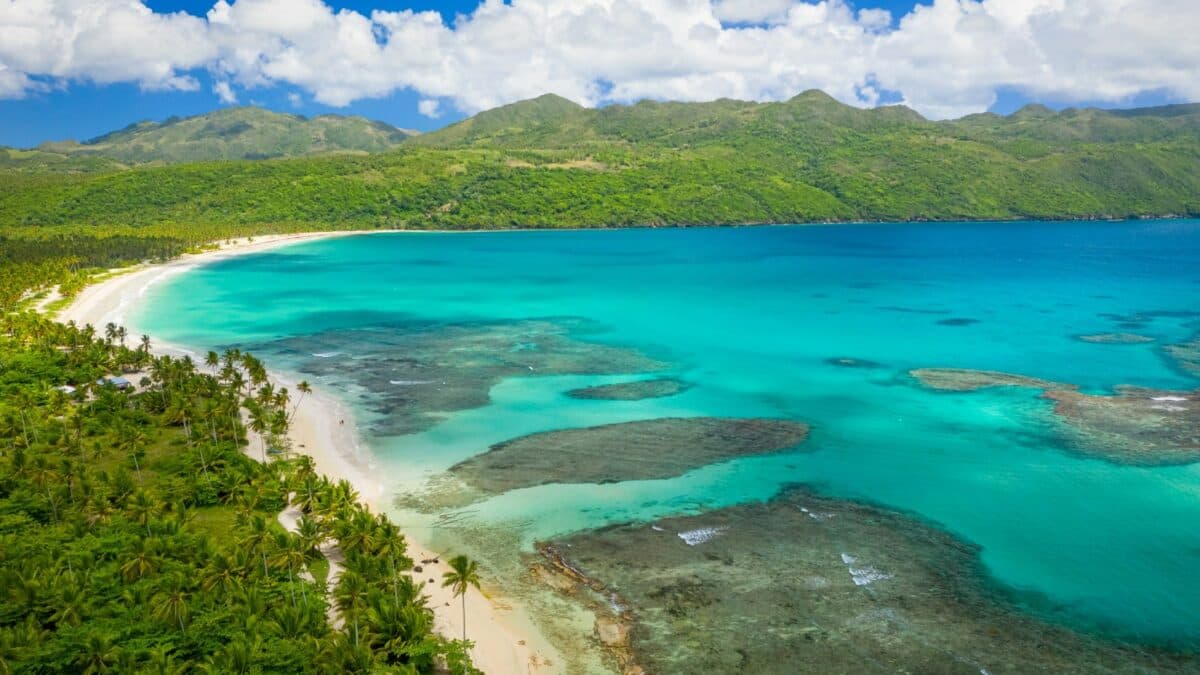
Whale Watching in Samaná Bay.
Samaná, Dominican Republic
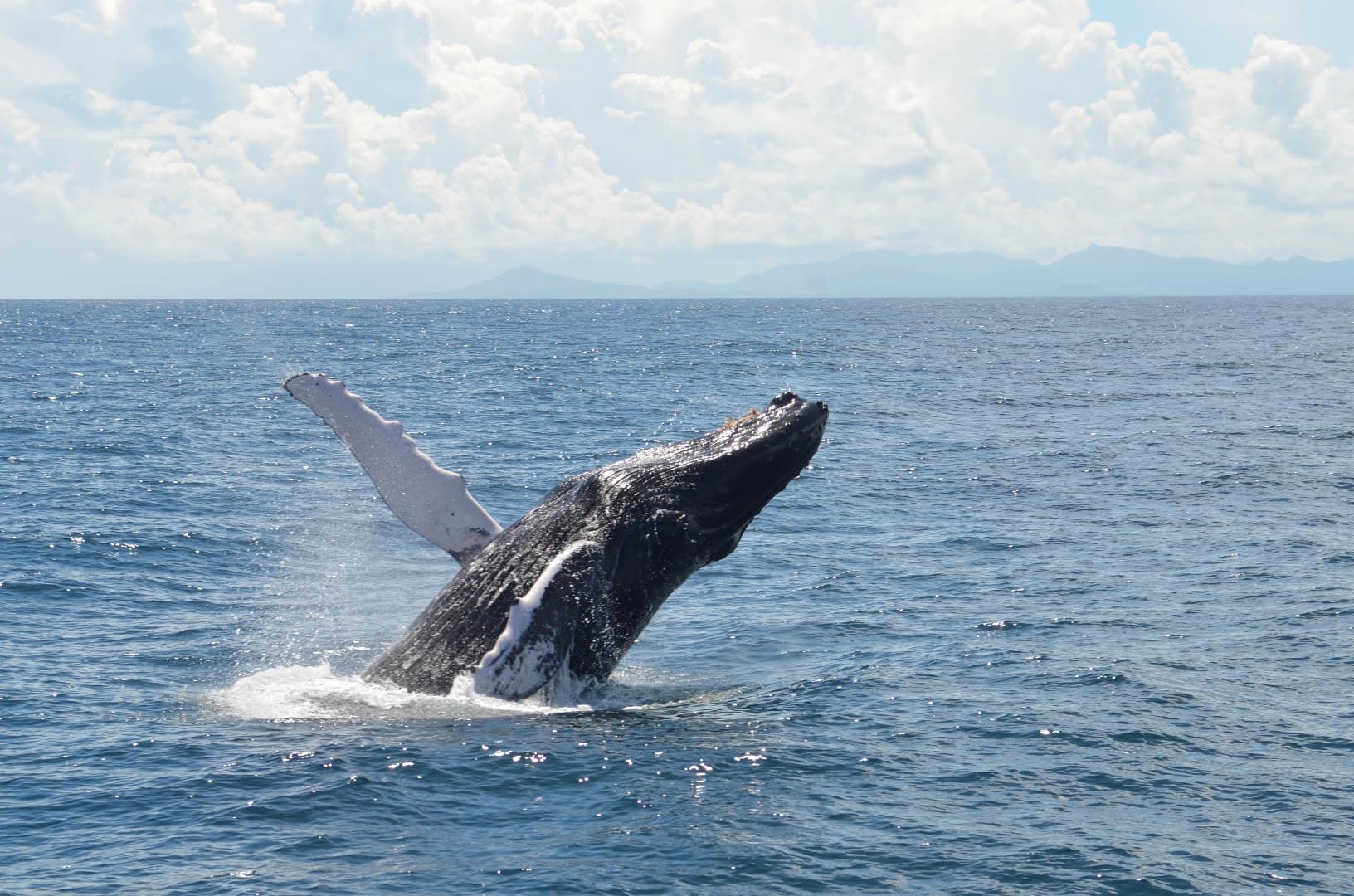
Every January, around 2,000–3,000 North Atlantic humpback whales swim 5,000 km from the North Atlantic to Samaná Bay to mate, give birth and nurse their calves in the warm, shallow water. By late March, they are gone. For roughly ten weeks Samaná Bay is one of the best places on the planet to see whales — breaching, fin-slapping, and males singing under the boat.
All licensed boats sail under DR Ministry of Environment rules: a maximum of 30 minutes with any one whale, a minimum approach distance, and a single boat at a time per animal. Choose a captain who follows them.
Whale watching tours in Samaná
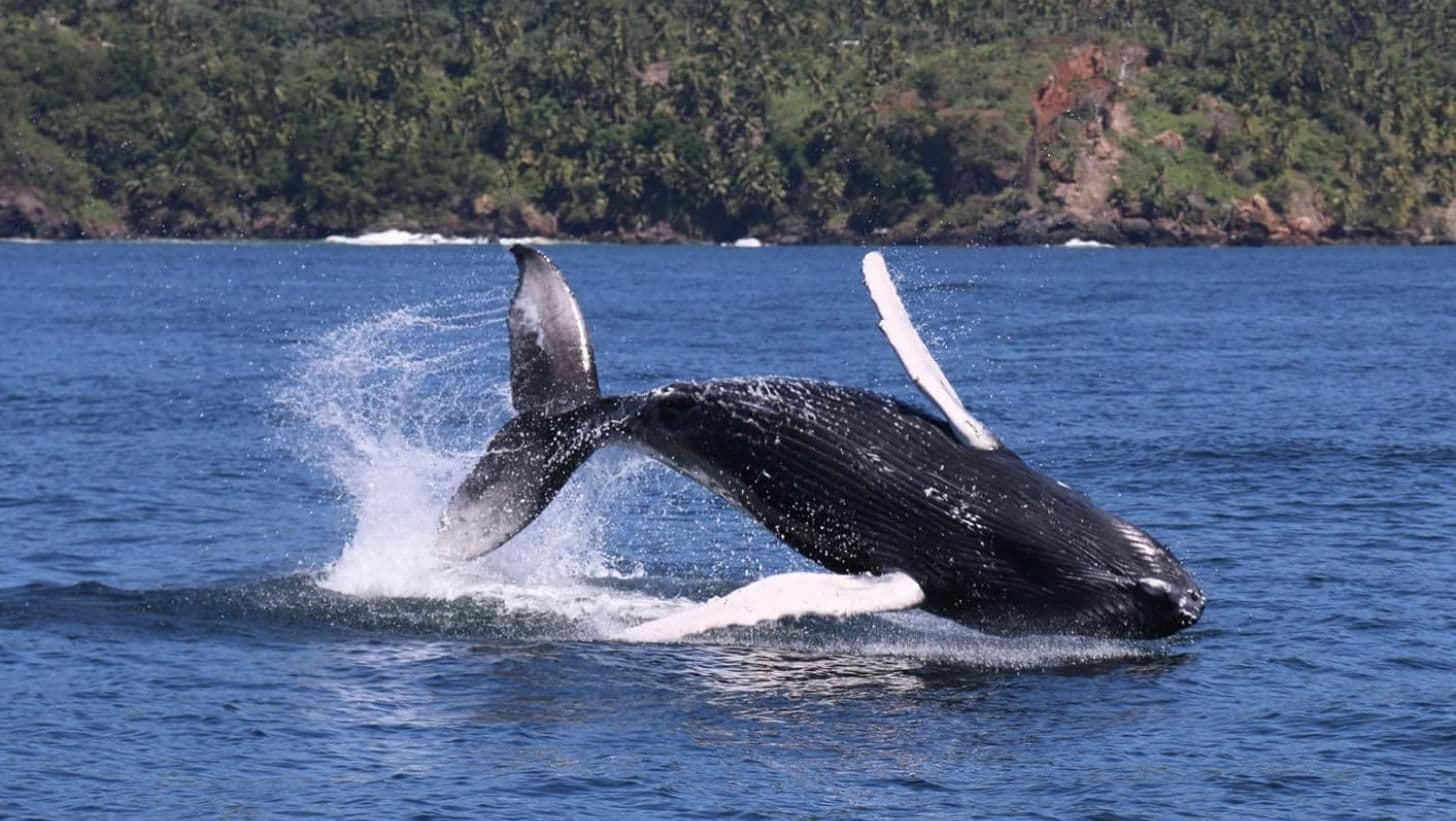
Humpback Whale Watching - January to March
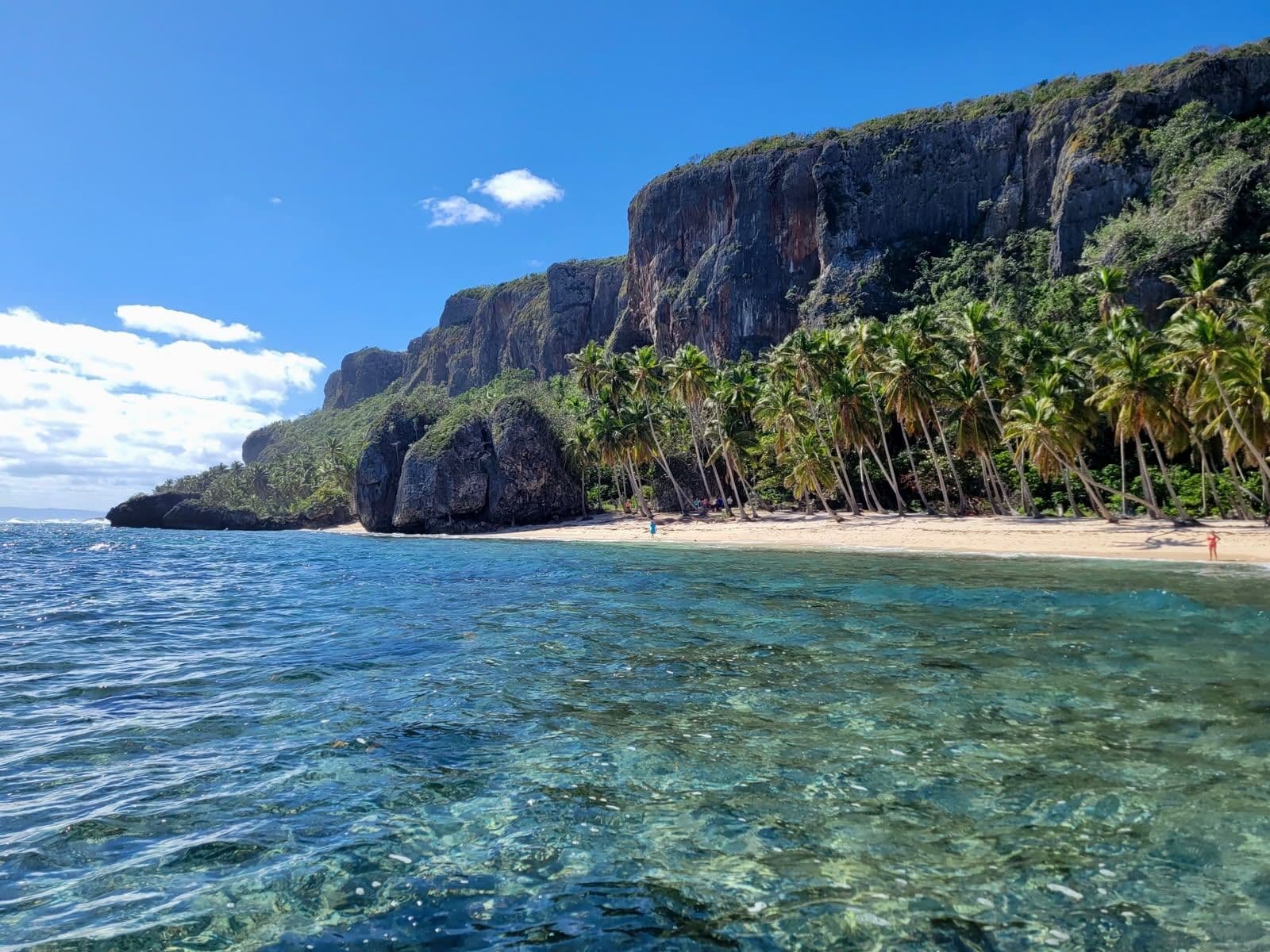
Humpback Whale Watching and Playa Fronton — Max Ten Aboard, Snorkelling and Lunch on the Beach
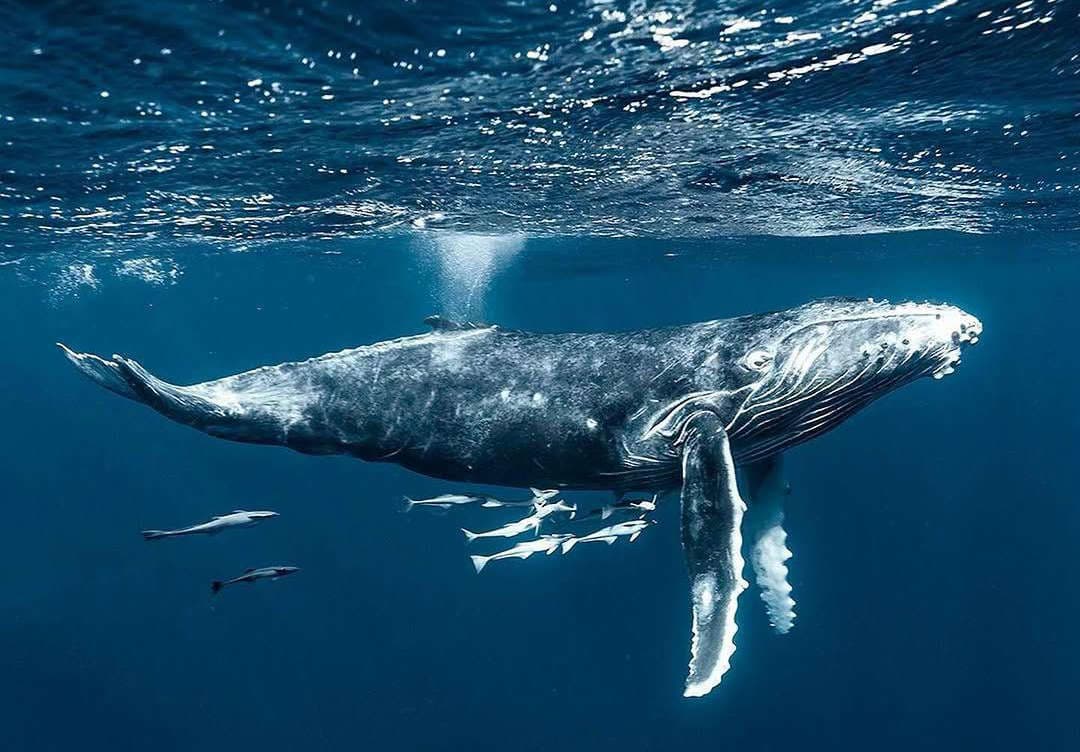
Humpback Whale Watching in Samaná Bay by Catamaran
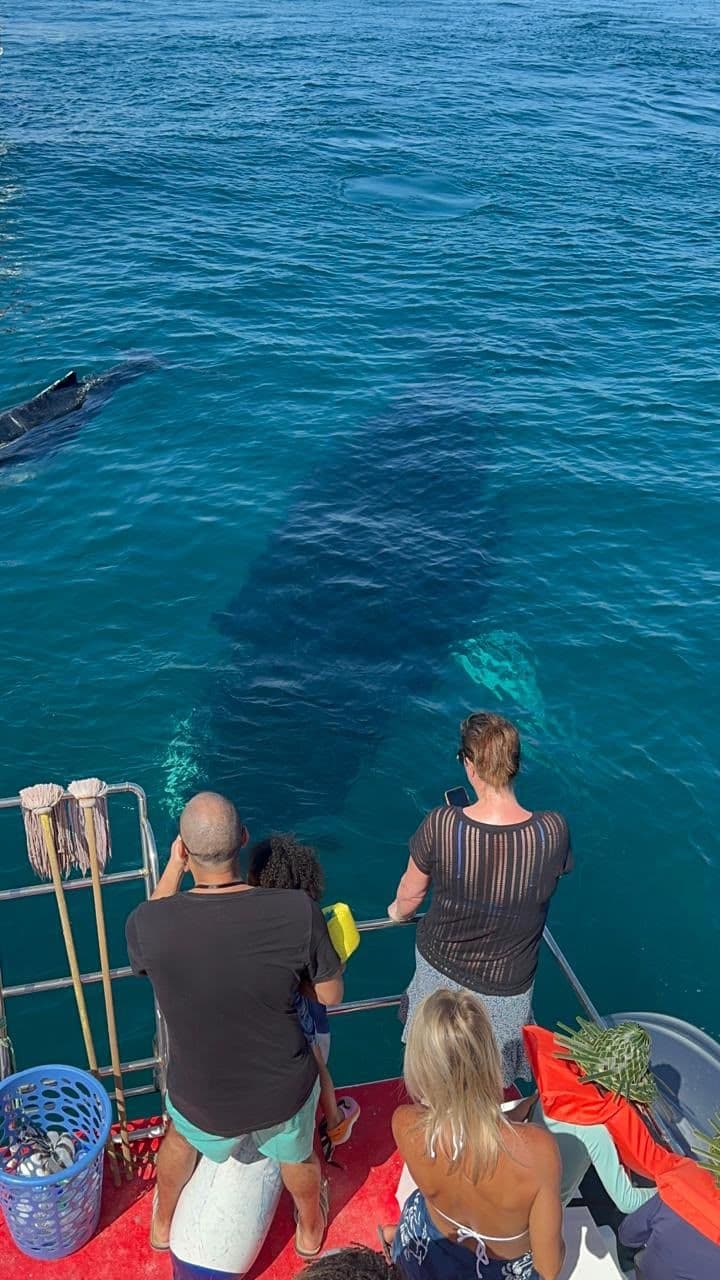
Whale Watching and Cayo Levantado — Nine Hours from Samaná
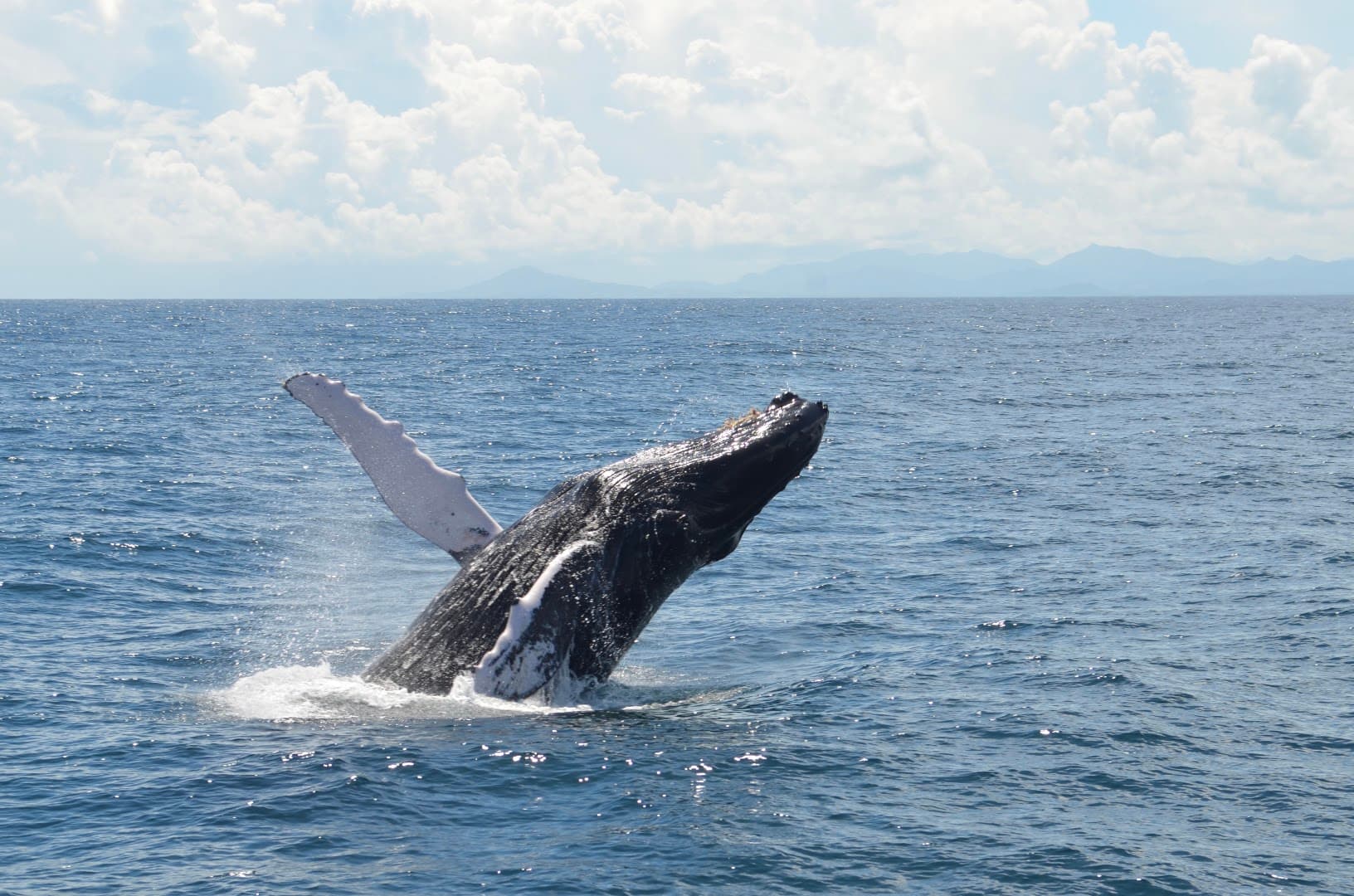
Humpback Whales, Morning Only — Sanctuary Fee Included
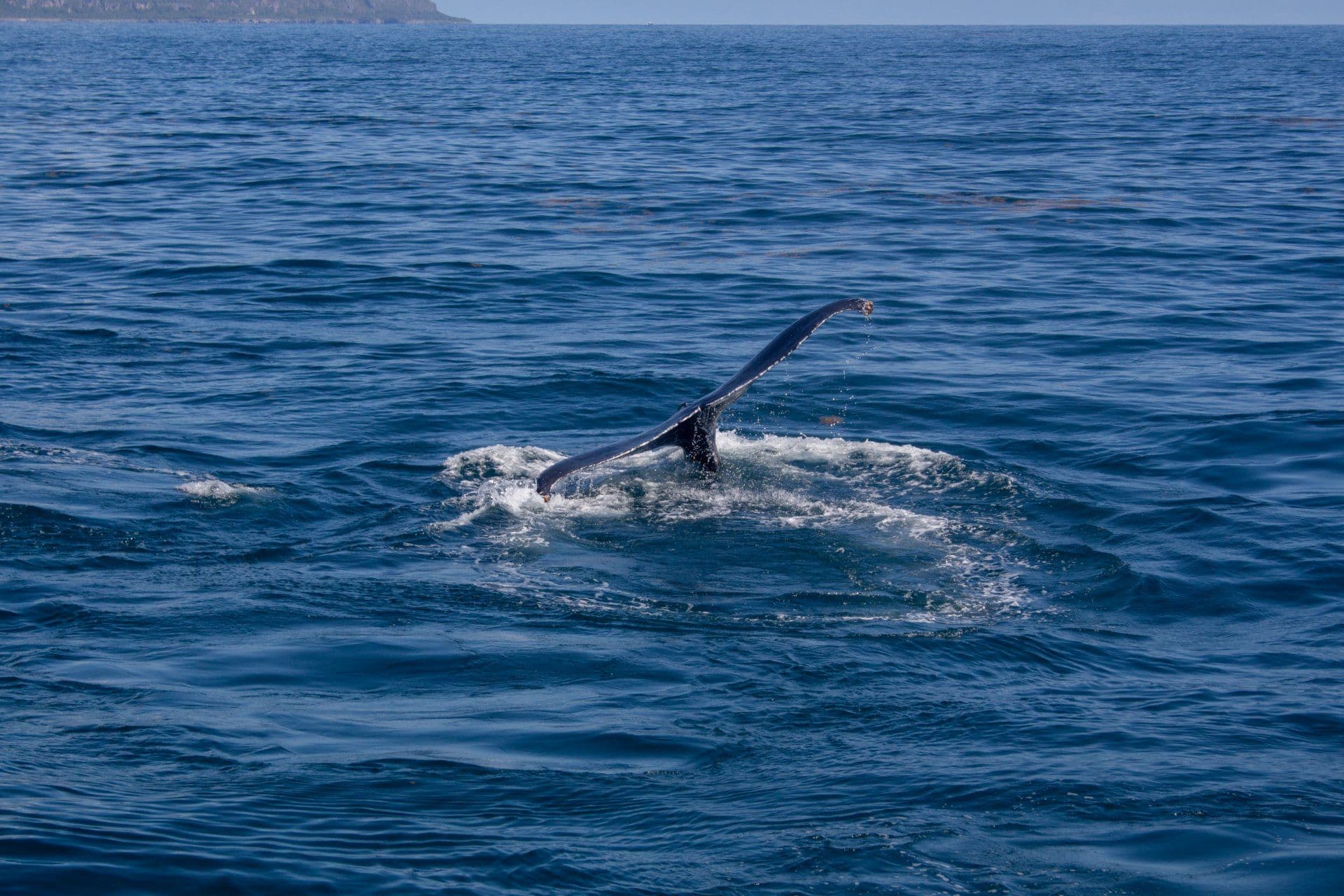
Humpback Whale Watching from Las Terrenas, with Cayo Levantado
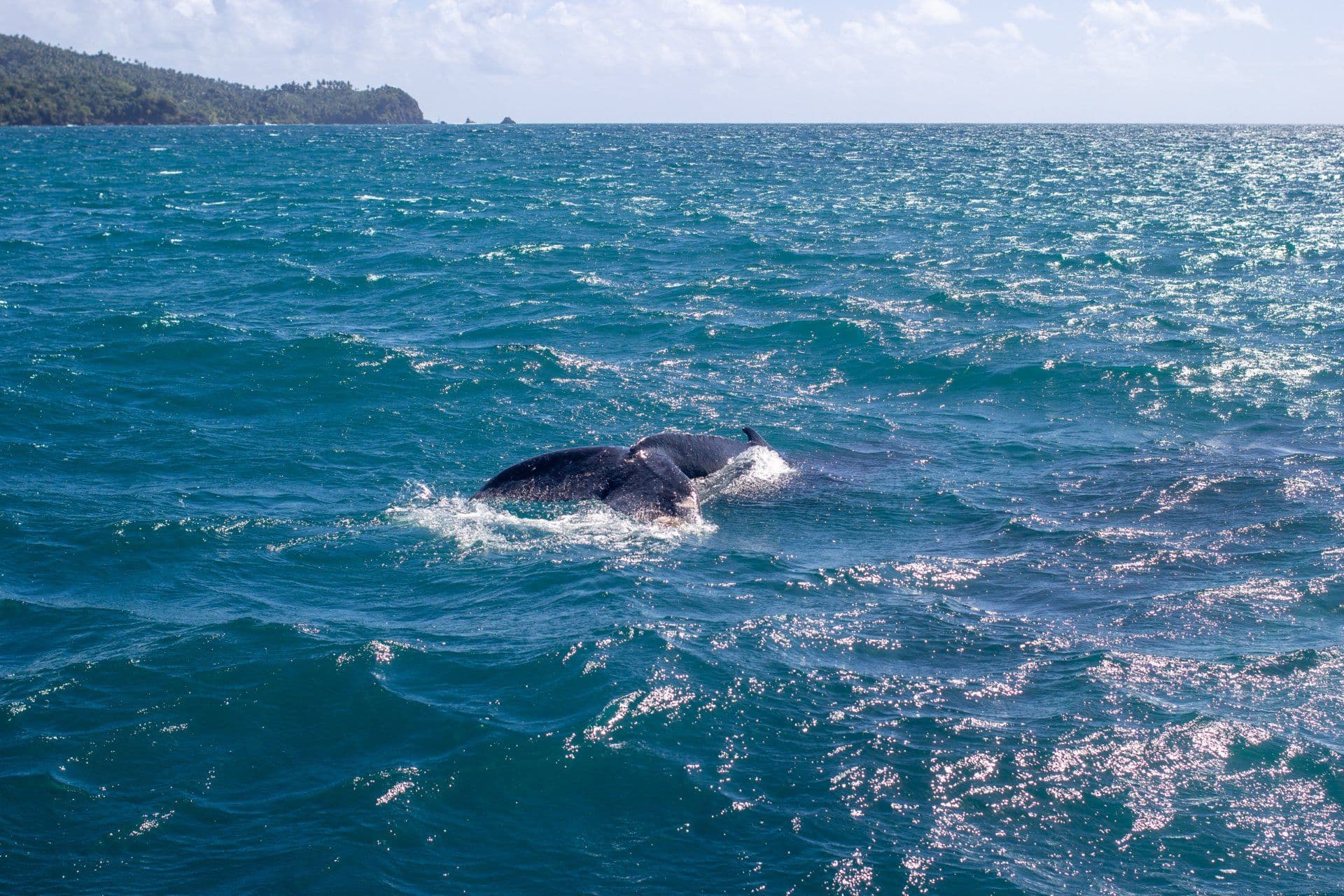
Humpback Whale Watching from Samaná
Humpback Whales and Cayo Levantado — Full Day with Lunch
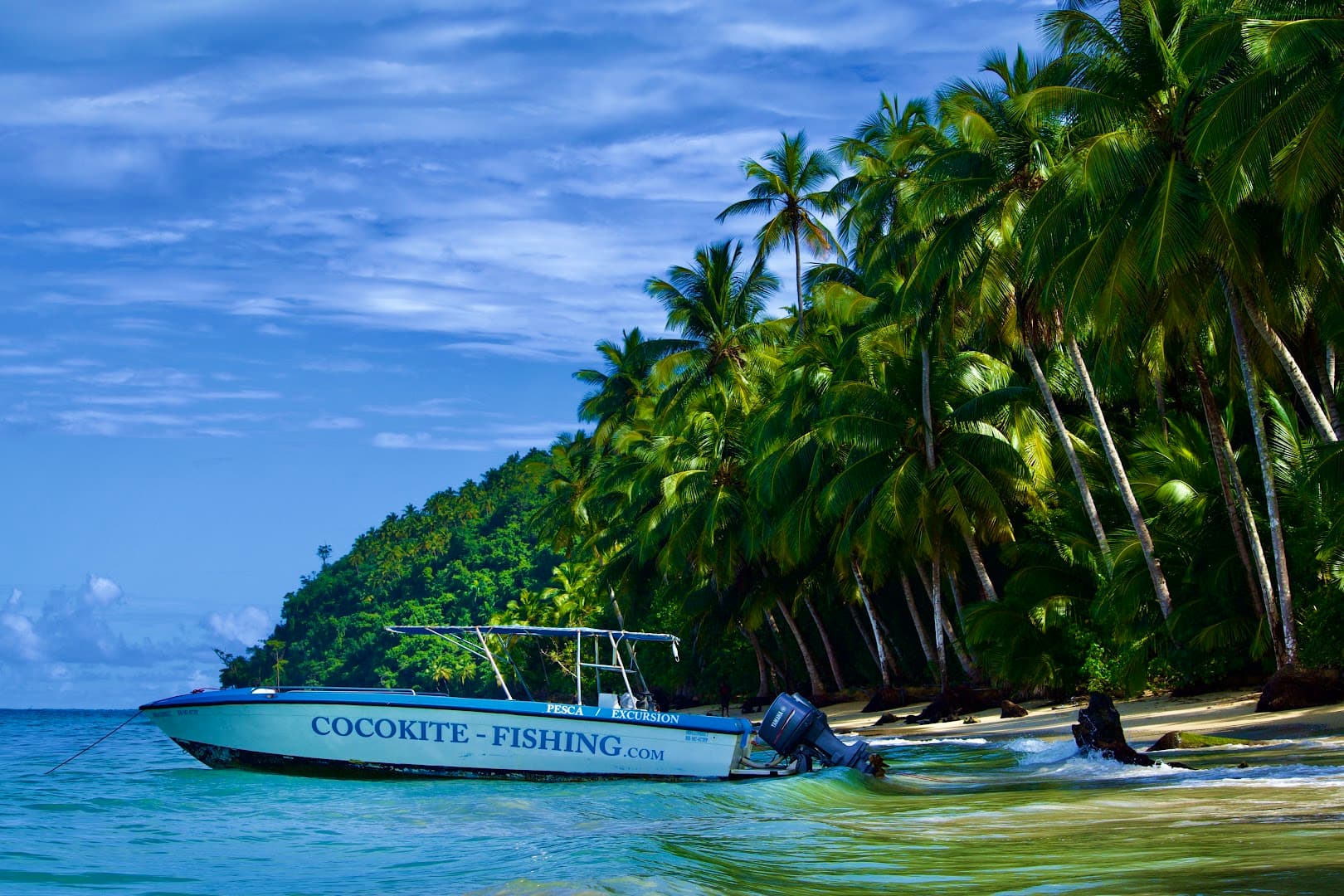
Private Fishing, Boat Excursions & Wingfoil – Las Terrenas
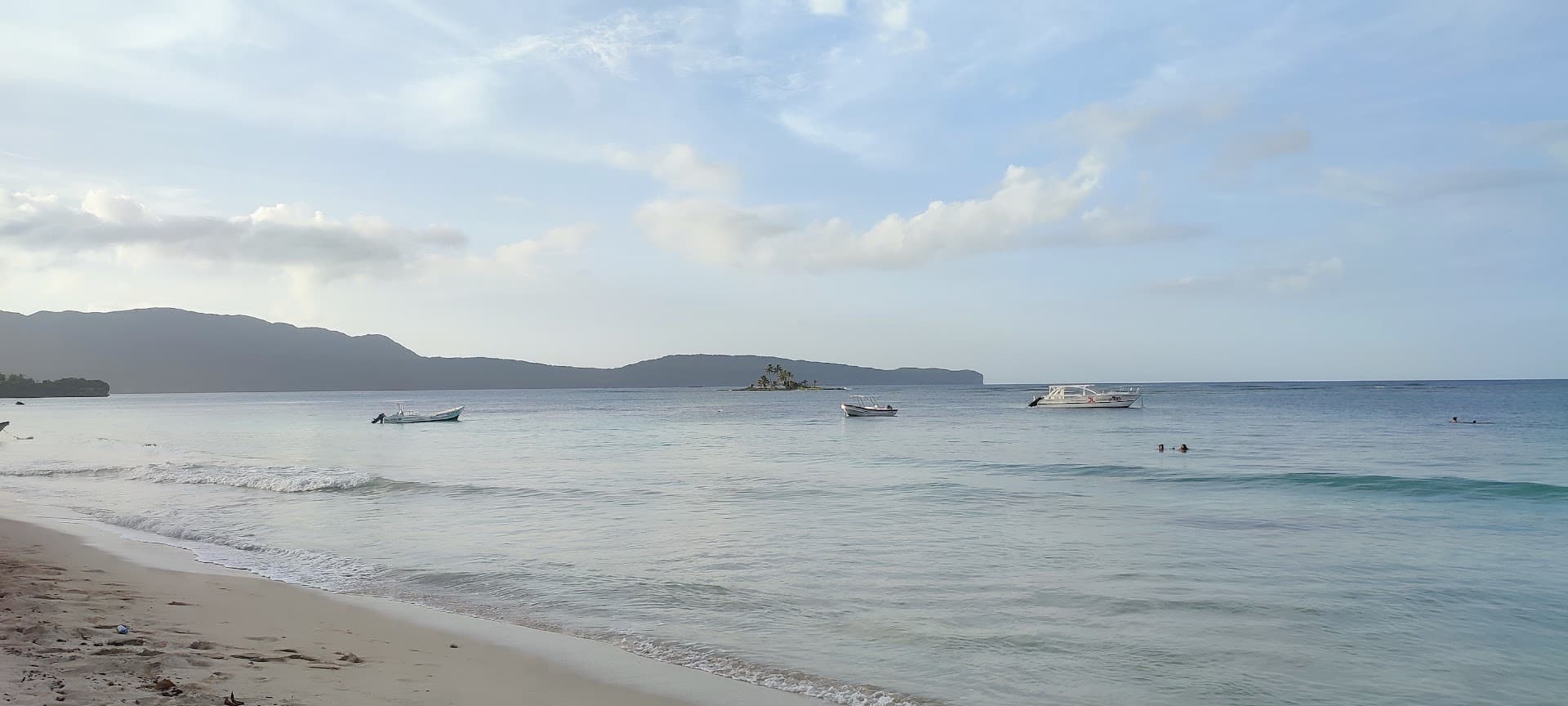
Boat Trip to Playa Rincón, Madama & Frontón
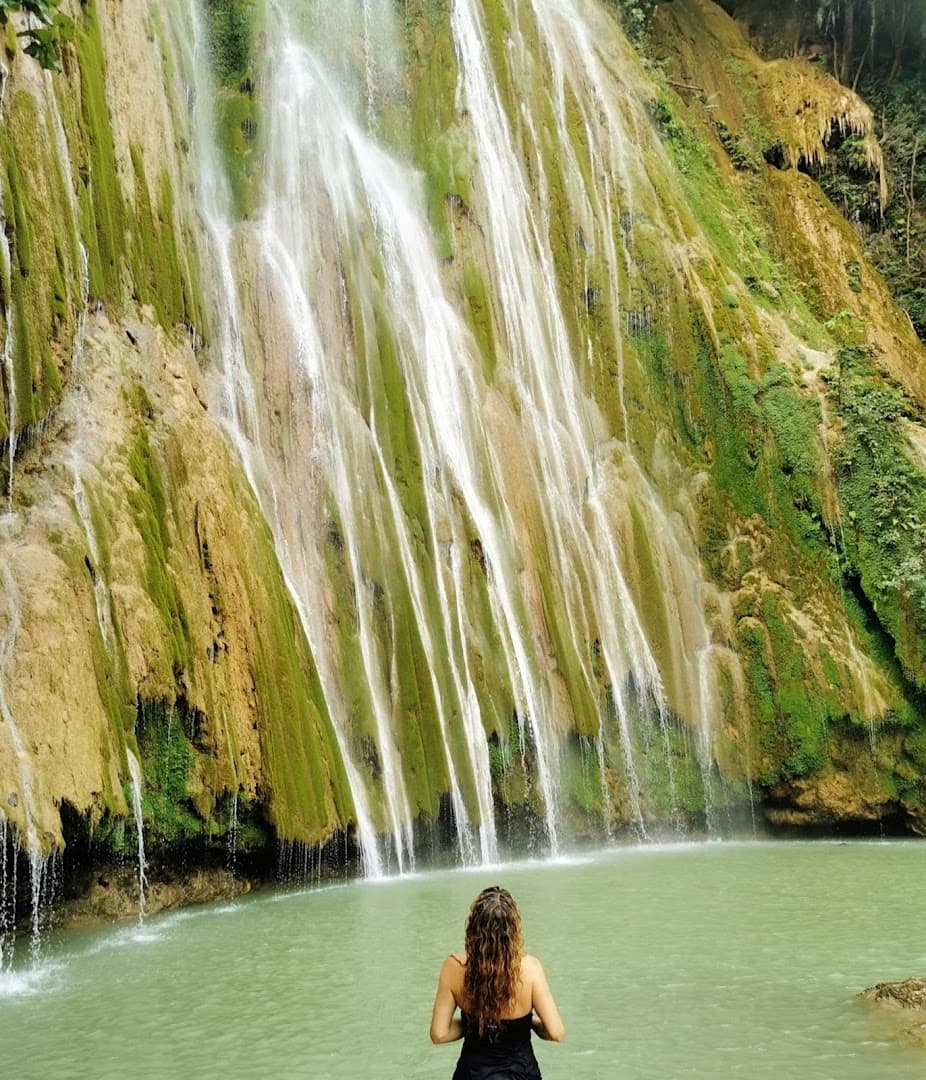
Private Day Trips Built Around You — Samaná Peninsula
When to go and what you will see
Season: mid-January to late March.
Peak: mid-February to mid-March, when sightings are essentially guaranteed and you regularly see mothers with calves, courtship groups of males, and breaching.
Trip length: about 3 to 4 hours from Samaná town, including 30–60 minutes of cruising each way and roughly 1–2 hours on the whale grounds.
What you will see: humpback whales breaching, tail-slapping, mothers with newborn calves, and — if you're lucky — heat runs where multiple males chase a female. A hydrophone on the boat lets you hear the males singing.
How to choose a tour
Look for a licensed operator (DR Ministry of Environment permit), a small or mid-size boat (under 100 passengers), and a marine biologist or trained naturalist on board. Boats with an onboard hydrophone and a "money-back if no whales" policy during peak season are a good sign.
Boats leave from the main Samaná town pier. Most tours include the marine sanctuary fee, but always check. Bring a windbreaker — even on a sunny day the bay can be breezy.
What to bring
A light windbreaker or fleece, sunscreen and a hat, binoculars if you have them, a camera with a zoom lens, and motion-sickness tablets if you're prone (a calm bay morning is easier than a windy afternoon). Photographers should bring a 70–200 mm or longer lens.
Frequently asked questions
When is whale watching season in Samaná?
Whale watching season in Samaná Bay runs from approximately 15 January to 25 March each year, with the highest sighting rates between mid-February and mid-March. Outside these dates, the whales have left for the North Atlantic.
Are you guaranteed to see whales?
During the peak weeks (mid-Feb to mid-March), sightings are essentially guaranteed — most operators offer a free re-trip or refund on the rare day with no sightings. Early January and late March sightings are still very likely but slightly less reliable.
How much does a whale-watching tour in Samaná cost?
Most licensed tours from Samaná town cost between USD $55 and $95 per adult, including the marine sanctuary fee, naturalist guide, and a 3–4 hour boat trip. Half-price for children under 12 is common.
How long is a whale watching trip?
A standard tour takes about 3 to 4 hours door-to-door — roughly 30–60 minutes cruising each way plus 1–2 hours on the whale grounds. Morning departures (around 9:00) are usually calmer and have better light.
Will I get seasick?
Samaná Bay is sheltered and the water is generally calm in the morning, so seasickness is uncommon. If you are sensitive, take a motion-sickness tablet 30 minutes before departure and choose a morning slot.
Is whale watching in Samaná ethical?
When you book a permitted operator, yes. The DR Ministry of Environment enforces rules: 30 minutes maximum near any single whale, a minimum approach distance, and only one boat per whale at a time. CEBSE (the local marine sanctuary organization) audits compliance.
More Samaná guides.
From the Samaná travel blog.

Fishing Charters in Samaná 2026: What to Expect & How to Book
Everything you need to know about booking a Samaná fishing charter in 2026 — from deep sea fishing spots to costs, seasons, and insider tips.

Samaná Private Driver & Day Tours: Custom Itineraries 2026
Hire a Samaná private driver for custom day tours across the peninsula. Costs, itineraries, and insider tips for 2026.

Horseback Riding on the Beach in Las Terrenas: Tours & Prices 2026
Discover the best horseback riding in Las Terrenas in 2026. From sunset beach rides to countryside trails, find tours, prices, and insider tips for an unforgettable Samaná experience.