Playa Cosón Guide: Visiting Las Terrenas' Longest Beach.

Photo by Fallon Michael on Unsplash
What a day at Playa Cosón actually costs, what is and is not there when you arrive, and the safety and etiquette notes worth knowing before you go.
Message a local operator.
Message these Samaná operators directly on WhatsApp — you book with them, not through us.
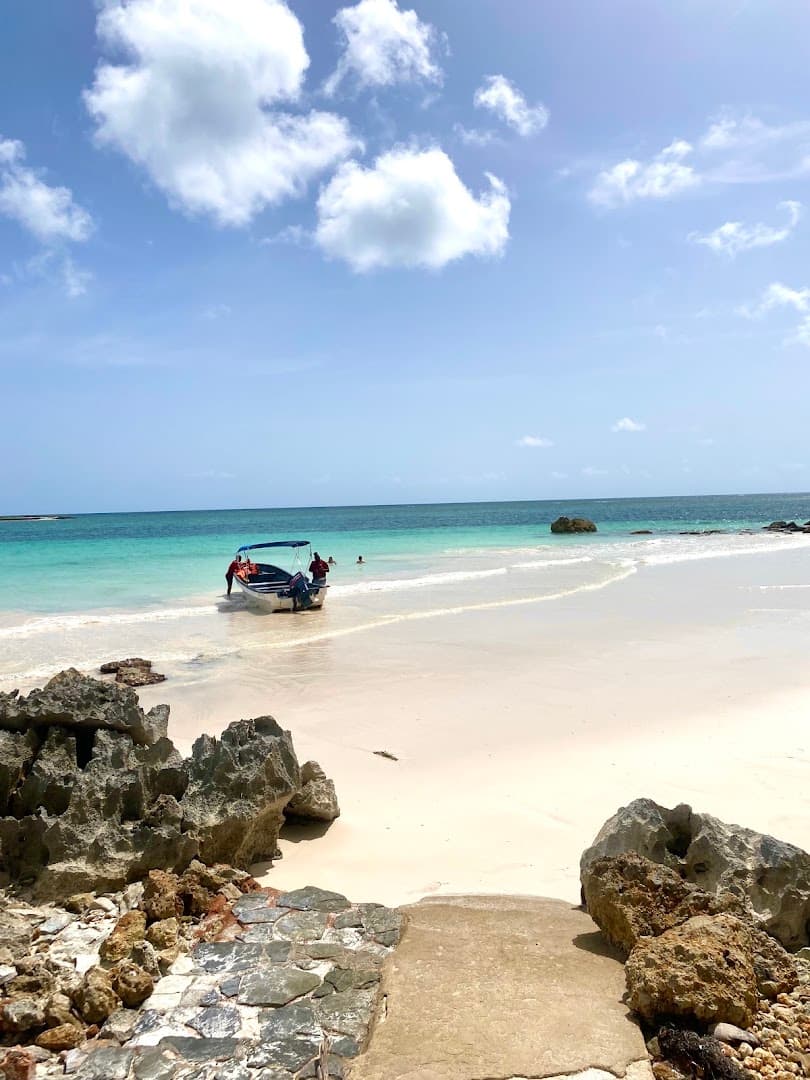
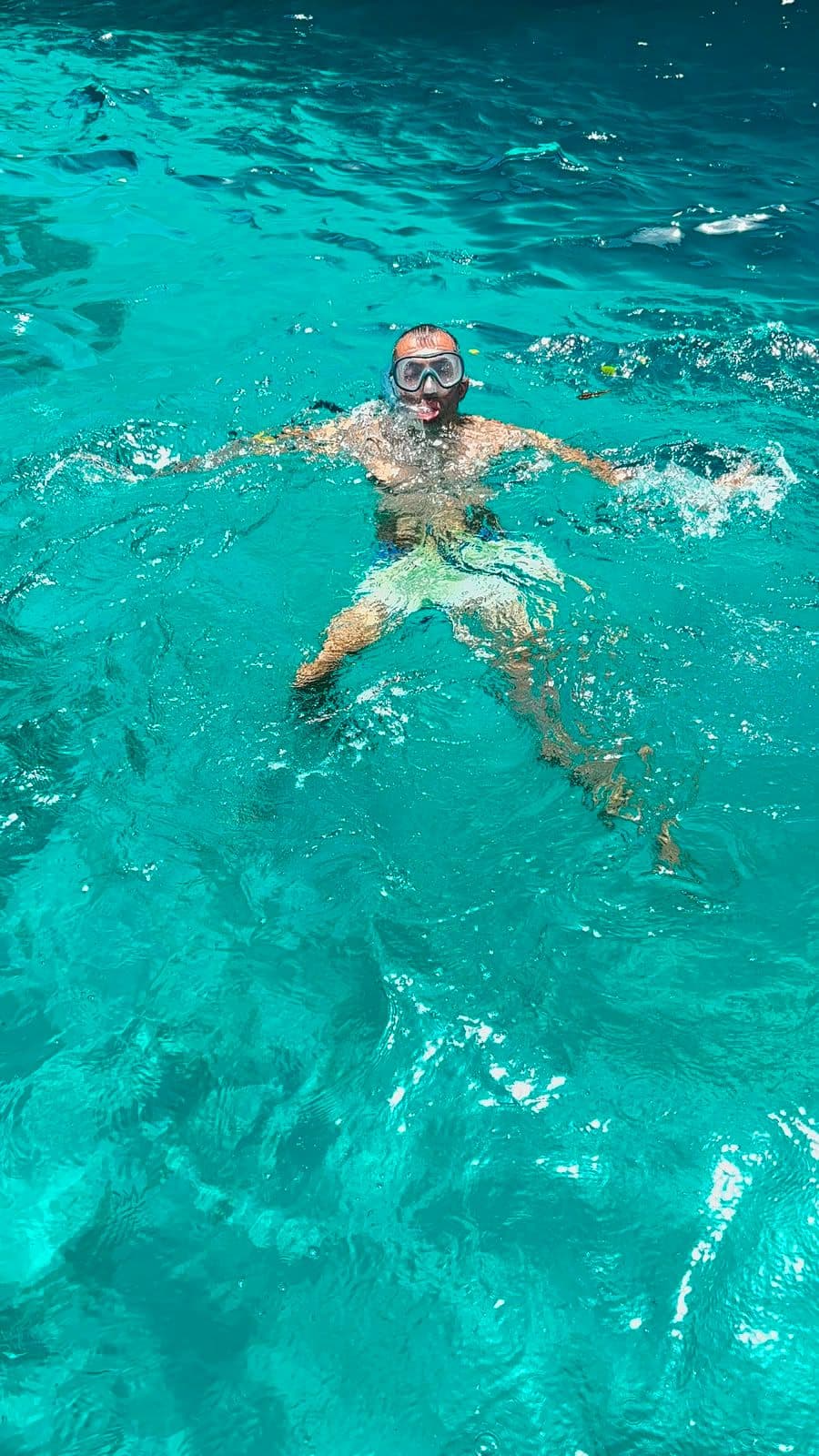
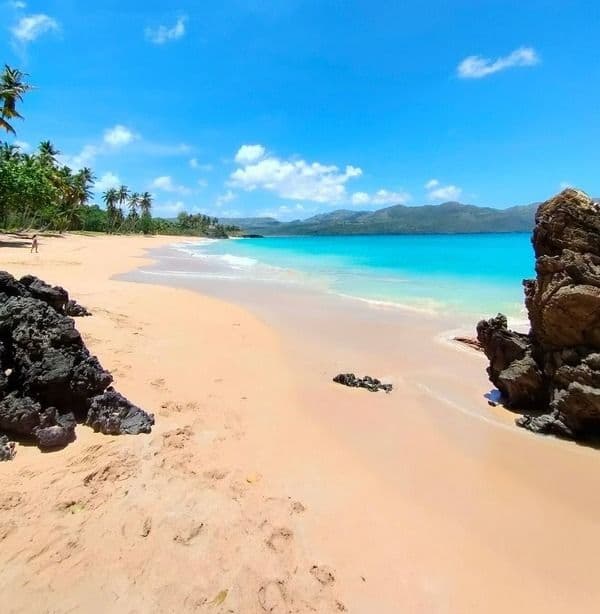
The first time I drove out to Playa Cosón, I nearly kept going — the road just seems to run out of reasons to stop, palm groves on one side, scrubby coastal brush on the other, and then suddenly the trees part and there's this impossibly long ribbon of sand stretching further than I could see in either direction. No beach clubs blasting music, no rows of umbrellas. Just wind, waves, and the occasional cow wandering across the dune grass. That's Cosón.
Key Takeaways
Key Takeaways
- Playa Cosón stretches roughly 4 kilometers (2.5 miles), making it the longest beach near Las Terrenas
- It sits about 8-10 km (15-20 minutes) west of central Las Terrenas, reachable by car, moto, or taxi
- The beach is largely undeveloped, with strong waves in parts — better for walking and photos than calm swimming in some sections
- A handful of casual beachfront eateries serve fresh fish and cold Presidentes for roughly RD$400-900 (~$7-15 USD) per plate
- Best visited early morning or late afternoon for light, temperature, and near-empty sand
What Is Playa Cosón and Why Is It Worth Visiting?
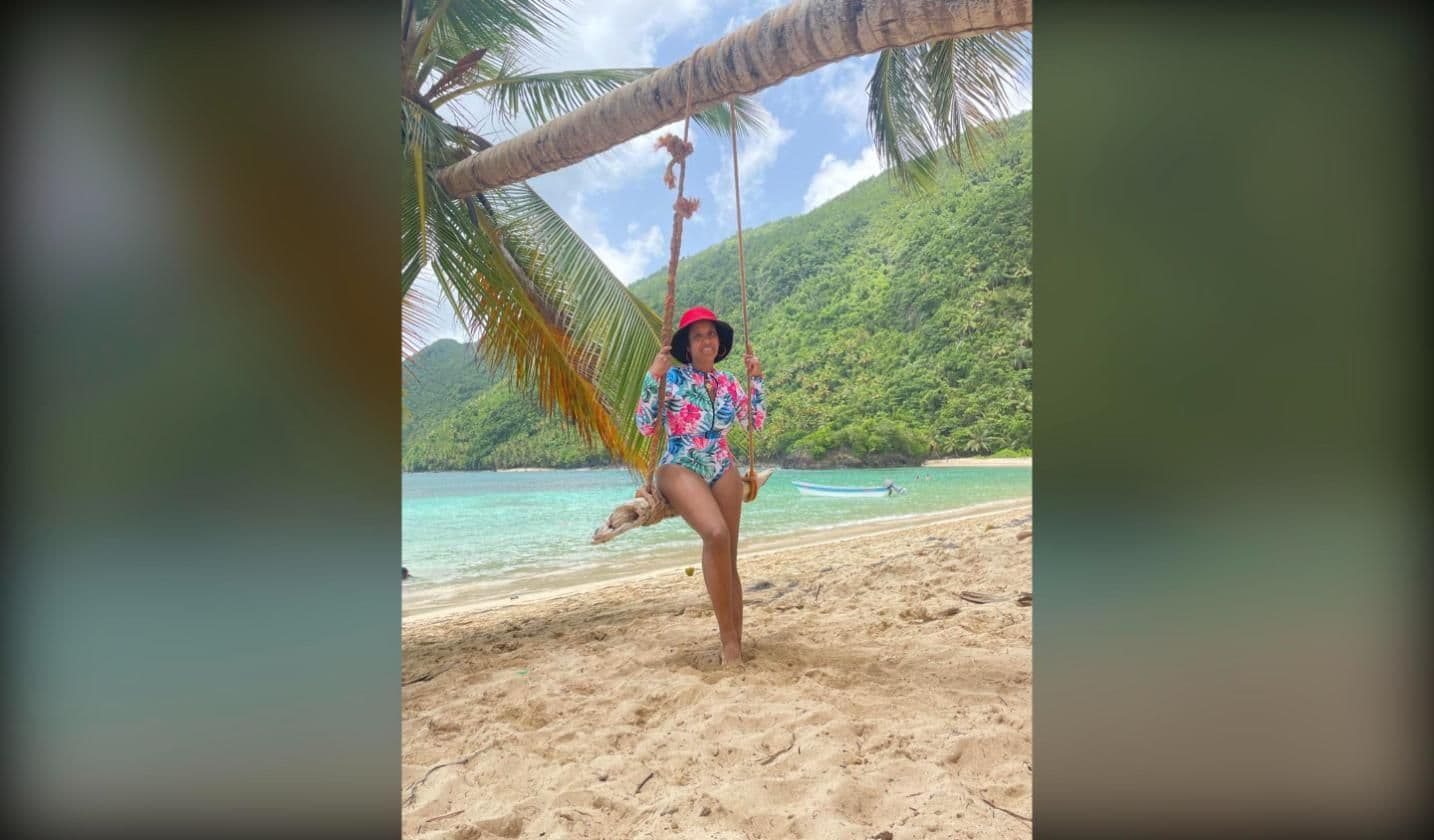
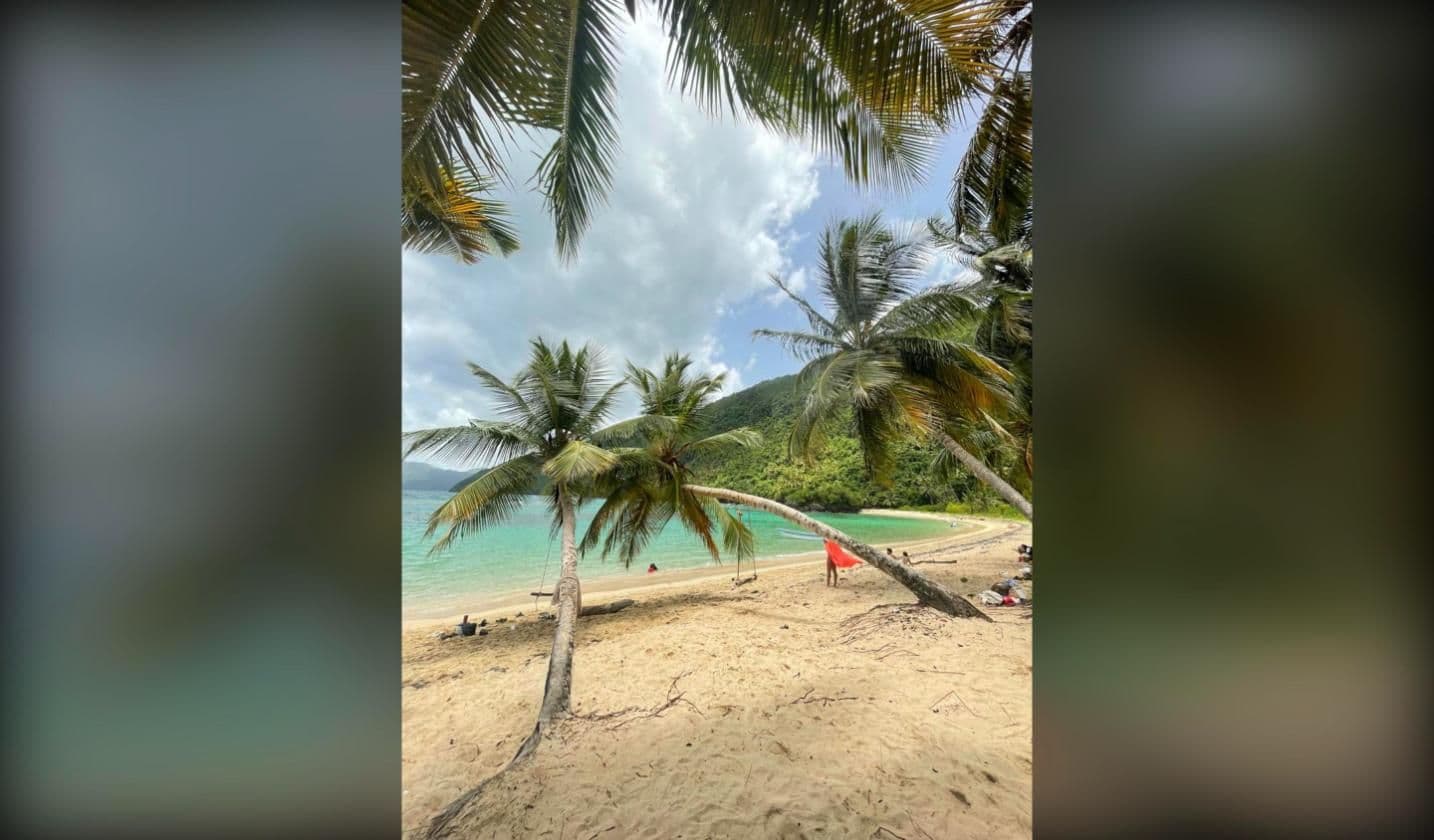
Playa Cosón is a wide, mostly undeveloped beach on the northern coast of the Samaná Peninsula, just west of Las Terrenas. At roughly 4 kilometers long, it's considered the longest continuous beach in the Las Terrenas area, backed by coconut palm groves and low dunes rather than hotels or condos.
What makes Coson beach in Las Terrenas different from the more famous stretches like Playa Bonita or Playa Las Ballenas is scale and solitude. There's simply more sand, and far fewer people on it, especially outside of a few pockets near beach entrances. It's the kind of place where you can walk for twenty minutes and only pass a handful of other visitors, a fisherman hauling in a net, or a loose horse grazing near the treeline.
I've brought friends here who expected "just another Caribbean beach" and watched them go quiet for a second when they see how far it stretches. That reaction is fairly universal — Cosón has a rawness that the busier beaches in town have traded away for convenience.
A Beach Shaped by Wind and Waves
Cosón faces more open ocean swell than the sheltered bay beaches closer to town. That means stronger surf and rip currents in sections, particularly on windier days between December and April. It's not always the calm, bathtub-flat water people picture for a Caribbean beach — and that's part of its charm for photographers, walkers, and surfers, even if it means families should pick their swimming spots carefully (more on that below).
How Do You Get to Playa Cosón from Las Terrenas?
The most reliable ways to reach Playa Cosón are by rental car, motoconcho, or taxi, since there's no fixed public bus route out there. Most visitors base themselves in Las Terrenas and make the short trip west along a mix of paved and packed-dirt road.
Here's how the main options compare:
| Transport Method | Approx. Cost (Round Trip) | Time from Las Terrenas | Comfort Level |
|---|---|---|---|
| Rental car | RD$2,500-4,500/day (~$42-75 USD) | 15-20 minutes | High — flexible, A/C |
| Motoconcho (moto-taxi) | RD$400-700 (~$7-12 USD) | 15-25 minutes | Basic — fun, exposed to elements |
| Private taxi | RD$1,200-2,000 (~$20-33 USD) | 15-20 minutes | High — no driving needed |
| Guided tour/transfer | Varies by operator | 15-20 minutes | High — often bundled with activities |
If you don't have your own car, hiring a motoconcho driver for the round trip (and asking them to wait, or arranging a pickup time) is a common and affordable local solution — just agree on the price in pesos before you get on. For a broader breakdown of options, our guide to getting around Las Terrenas without a car covers guagua routes, taxi norms, and rental logistics in more depth.
Insider tip: the last few hundred meters to some of Cosón's quieter access points are unpaved and can get muddy after rain. If you're on a scooter or a low-clearance rental, ask locally which entrance is currently in the best condition — it changes with the seasons.
What Should You Know Before You Go?
Before heading out, it helps to know that Playa Cosón has very little built infrastructure compared to central Las Terrenas beaches. There are no large resorts directly on this stretch, so shade, restrooms, and food options are limited to a few scattered spots rather than a continuous boardwalk of services.
Quick Tips
Quick Tips
- Bring your own water, sunscreen, and a hat — shade is limited outside a few palm-lined pockets
- Wear water shoes if you plan to explore the rockier sections near the western end
- Check wave conditions before swimming; some parts have noticeable rip currents
- Bring small pesos for casual beachside food stalls — many don't take cards
- Visit early morning for the best light and to have long stretches of sand to yourself
Facilities and Amenities
A few casual, family-run beach shacks operate along the most accessible parts of Cosón, generally clustered near the main entrance points. These typically serve:
- Fresh grilled fish and seafood plates for RD$400-900 (~$7-15 USD)
- Cold beer and sodas for RD$100-150 (~$2-2.50 USD)
- Coconut water straight from the shell, often for around RD$50-100 (~$1-2 USD)
- Basic beach chair or umbrella rental at some locations, usually informal and negotiable
Don't expect a polished menu or English-speaking staff everywhere — this is very much a local, unpretentious setup, and that's exactly the appeal.
When Is the Best Time to Visit Coson Beach?
The best time to visit Playa Cosón is generally December through April, when rainfall is lower and skies tend to be clearer, though this also coincides with stronger onshore winds and rougher surf. For calmer water, aim for May through August, when the sea is typically flatter, though the air is more humid.
Here's a quick seasonal snapshot:
| Months | Weather | Crowds | Best For |
|---|---|---|---|
| Dec-Feb | Dry, breezy, warm | Moderate (holiday visitors) | Photography, walking, whale season nearby |
| Mar-Apr | Dry, sunny | Lower | Long beach walks, sunset visits |
| May-Aug | Humid, calmer seas | Low | Swimming, paddleboarding |
| Sep-Nov | Rainy season, storm risk | Very low | Off-season solitude (check forecasts) |
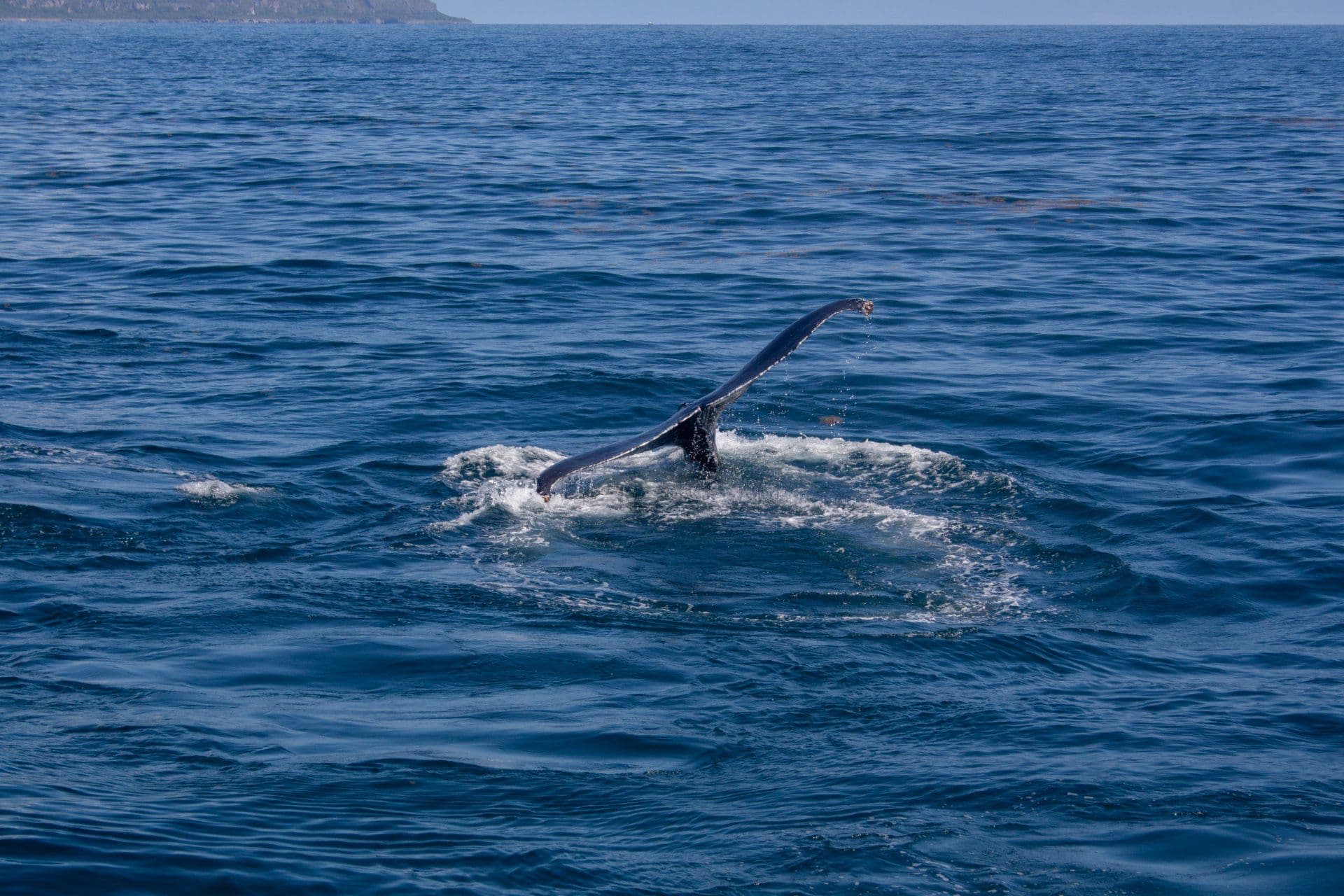
If you're visiting between January and March, it's worth combining your Cosón trip with a whale watching in Samaná excursion, since humpback whales pass through Samaná Bay during those months and many boats depart from ports a short drive away.
Is Playa Cosón Good for Swimming?
Playa Cosón can be good for swimming, but conditions vary noticeably along its 4-kilometer length, so it's worth choosing your spot carefully. Some sections near the eastern access points have gentler shore break, while more exposed western stretches can develop stronger currents, especially in windier months.
I always tell first-time visitors to watch the water for a few minutes before wading in — locals and lifeguard-less beaches in the DR reward a bit of caution. If you see consistent white-water breaking further out or a visible channel of choppier water, that's often a rip current, and it's best to swim elsewhere along the beach that day.
For families specifically wanting calmer, more supervised swimming conditions, the beaches closer to central Las Terrenas or a boat trip to a sheltered cove may be a better fit — our article on Playa Rincón boat trips from Las Galeras covers another calm-water option worth comparing.
What Else Can You Do Near Playa Cosón?
Beyond simply walking and swimming, Cosón's open sand and surrounding countryside make it a popular spot for a few specific activities that take advantage of its space and relative quiet.
- Horseback riding: Several operators lead rides along the beach and through the palm groves behind it, a classic Samaná experience — you can book a guided horseback riding beach and countryside tour rather than arranging it informally on the sand.
- Photography: The scale of the beach, dramatic skies, and grazing horses make it one of the most photogenic spots in the Las Terrenas area, especially at golden hour.
- Boat trips and beach hopping: Some coastal boat tours pass near Cosón en route to other beaches; if you'd rather explore several beaches in one outing, look at boat trips to Playa Jackson and coastal beaches.
- Paddleboarding: On calmer days, a few operators bring boards out to quieter pockets of the coast — see our guide to stand-up paddleboarding in Las Terrenas for where else to try it.
Combining Cosón With a Longer Samaná Day
Because Cosón sits west of town, it pairs naturally with other western Las Terrenas spots or a full day exploring the peninsula. Many visitors combine a Cosón morning with an afternoon at El Limón waterfall, or build it into a broader loop with a private driver — our Samaná private driver and day tours guide walks through how to structure a custom itinerary that includes beach time, waterfalls, and town stops without backtracking all day.
If you're deciding where to stay in the first place, our comparison of Las Terrenas vs Las Galeras vs Samaná Town explains why Las Terrenas' proximity to beaches like Cosón makes it a strong base for beach-focused trips.
Practical Notes: Safety, Costs, and Etiquette
A few practical things I've picked up after many visits to Cosón over the years:
- Cattle and horses roam freely in the dune grass behind parts of the beach — they're generally harmless and used to visitors, but keep a respectful distance.
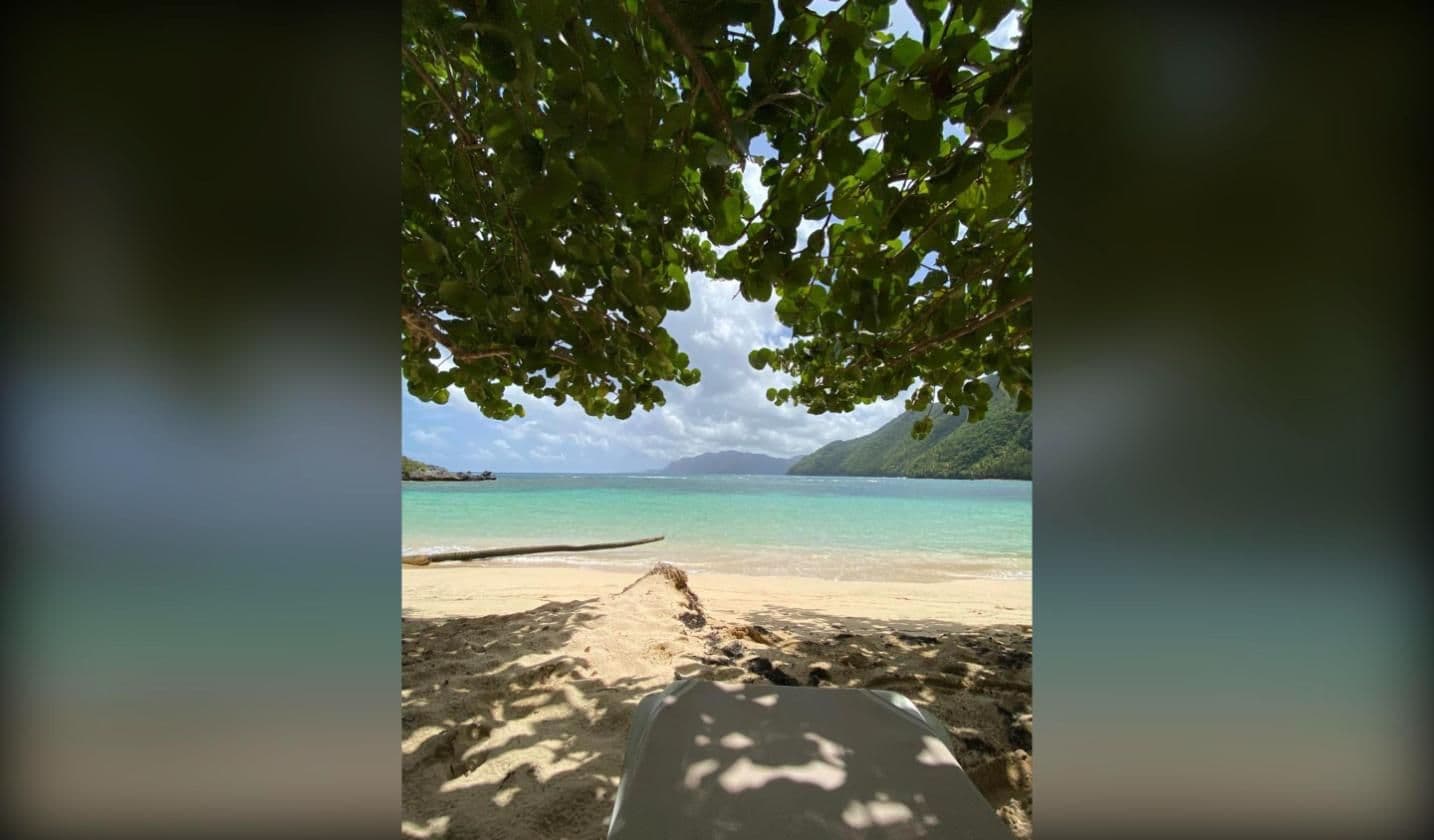
- Sun exposure is intense with almost no natural shade along most of the beach, so a beach umbrella or early/late visit timing matters more here than at shadier spots.
- Trash and conservation: Because Cosón is undeveloped, there are no municipal bins in most stretches — pack out what you bring in. The Dominican Republic's Ministry of Environment has increasingly focused on coastal conservation along the Samaná Peninsula, and keeping these wild beaches clean helps preserve exactly what makes them special.
- Tipping: If you eat at one of the small beach shacks, rounding up the bill or leaving roughly 10% is appreciated, though not always expected the way it is in touristy zones.
Frequently Asked Questions About Playa Cosón
How long is Playa Cosón?
Playa Cosón runs approximately 4 kilometers (about 2.5 miles), making it the longest uninterrupted beach in the Las Terrenas area of the Samaná Peninsula.
Is Playa Cosón crowded?
No — Playa Cosón is notably less crowded than central Las Terrenas beaches like Playa Bonita or Playa Las Ballenas. Even during high season (December-April), you can typically find long empty stretches of sand, particularly if you walk a few minutes away from the main access points.
Do I need a car to visit Playa Cosón?
You don't strictly need a car — motoconchos and taxis regularly make the trip from Las Terrenas for RD$400-2,000 (~$7-33 USD) round trip depending on the option — but having your own transport gives you more flexibility to explore different access points along the beach's 4-kilometer length.
Final Thoughts on Visiting Playa Cosón
Playa Cosón rewards travelers who want a beach experience that feels genuinely wild rather than manicured. It's not the spot for beach clubs and cocktail service — it's the spot for long barefoot walks, horses on the sand, and a plate of fresh fish eaten with your feet still gritty from the water.
Whether you're adding it to a longer Samaná itinerary or making it the centerpiece of a lazy beach day, Cosón in 2026 remains one of the few stretches of Dominican coastline that hasn't been fully built up — and that's worth experiencing while it lasts. To plan the rest of your trip, browse experiences in Samaná or check out our full Samaná travel blog for more local guides shaped by real time spent on this peninsula.
Sources
Samaná Travel Specialist | 7 years booking experiences across the Peninsula
Sofia has personally tested and vetted over 80 tours, excursions, and services across Samaná — from whale watching season prep to El Limón waterfall treks and Los Haitises kayak routes. She focuses on matching traveler types to the right experience: families, couples, adventure seekers, digital nomads.

Plan your Samaná adventure
Explore the top tours and experiences near this guide — arranged directly with the operator.
Browse all experiencesRelated Articles.

Best Las Terrenas Beaches You Can Reach on Foot or Bike
A local's guide to the best Las Terrenas beaches reachable without a car — from palm-shaded town coves to the long stretch of Playa Cosón by bike.

El Valle Beach: How to Visit Samaná's Remote Coast
A first-hand guide to Playa El Valle, the quiet stretch of coast behind Samaná's mountains — how to get there, when to go, and what to expect.

Playa Bonita Guide: Surf, Sand & How to Get There (2026)
When the surf works at Playa Bonita, where swimming is safe, what to bring, and the best months to visit — a practical local briefing for Las Terrenas' quietest big beach.