Beginner's Guide to Windsurfing in Samaná: Lessons & Gear.

Photo by Joe deSousa on Unsplash
Learn where to find windsurf lessons, the best wind spots, and gear rental prices for windsurfing in Samaná, from a repeat visitor who's fallen off the board plenty.
Message a local operator.
Message these Samaná operators directly on WhatsApp — you book with them, not through us.
Key Takeaways
Key Takeaways
- Playa Bonita and Playa Cosón in Las Terrenas offer the most consistent beginner-friendly wind and flat-water conditions for windsurfing in Samaná.
- A typical 2-hour beginner windsurf lesson costs RD$2,800–RD$4,500 (~$48–$77 USD), usually including board, sail and a wetsuit top if needed.
- The best wind season runs December through April, when steady trade winds (locally called "las brisas") blow 15-20 knots most afternoons.
- Gear rental alone (no instructor) runs RD$1,500–RD$2,500 per hour (~$26–$43 USD) — only recommended once you can already waterstart.
- Mornings are typically glassy and calm; wind usually fills in from midday to late afternoon, so plan lessons accordingly.
The first time I tried to stand up on a windsurf board off Playa Bonita, I caught a gust wrong, did an unglamorous backward somersault into the shallows, and surfaced laughing with a mouthful of warm Atlantic water. A local instructor just shrugged and said, "Otra vez" — again. That's windsurfing in Samaná in a nutshell: humbling, hilarious, and ridiculously addictive once the board finally clicks underfoot.
Windsurfing in Samaná works best for beginners at Playa Bonita and Playa Cosón, where steady cross-shore trade winds, waist-deep flat water, and certified instructors make learning the waterstart and basic steering manageable within a single two-hour lesson, typically for RD$2,800–RD$4,500 (~$48–$77 USD).
Why Windsurfing in Samaná Is Better Than You'd Expect
Most people come to the Samaná Peninsula for whale watching and waterfalls, not wind sports — which is exactly why the windsurfing scene here feels so uncrowded. Unlike Cabarete further north, which gets mobbed with kiteboarders and windsurfers chasing Instagram shots, Samaná's spots are quieter, calmer, and far more forgiving for someone picking up a sail for the first time.
I've windsurfed on and off for about a decade, mostly as a mediocre hobbyist, and I keep coming back to this stretch of coast because the learning curve feels gentler here. The bay around Las Terrenas is partially sheltered by the peninsula's hills, which knocks down the chop that makes early attempts at other DR beaches so exhausting.
That said, this isn't a manufactured resort experience. You're still dealing with real ocean conditions, real tidal shifts, and gear that's often shared between a handful of small local operators rather than a flashy windsurf "center." It's rustic in the best way — and that's part of the charm.
Best Windsurfing Spots in Samaná for Beginners
Not every beach in Samaná is windsurf-friendly. Some have too much boat traffic, some have reef too close to the surface, and some just don't get reliable wind. Here's where I'd actually send a first-timer.
Playa Bonita
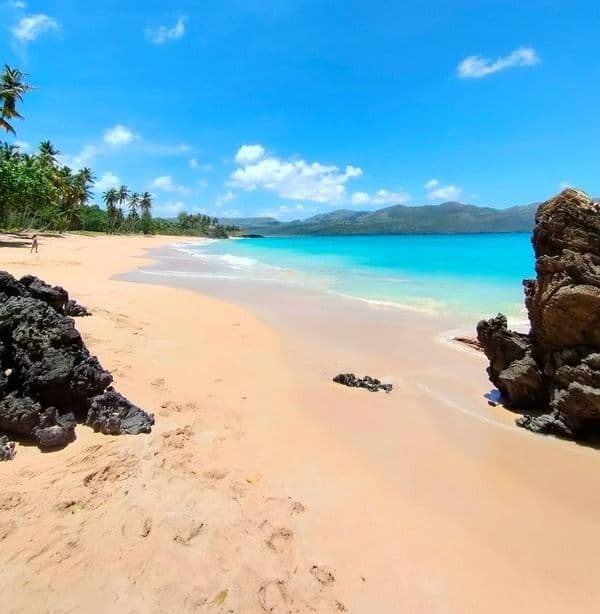
Playa Bonita is my go-to recommendation for absolute beginners. The bay here is wide, the bottom is mostly sand, and the wind tends to blow fairly consistently cross-shore in the afternoons, which is the safest direction to learn in — if you fall or drift, the wind pushes you back toward shore rather than out to sea.
It's also one of the more walkable and bikeable beaches from town, which I cover in more detail in our guide to Las Terrenas beaches you can reach on foot or bike. For a full rundown of the surf and sand conditions here specifically, check out the dedicated Playa Bonita guide.
Playa Cosón
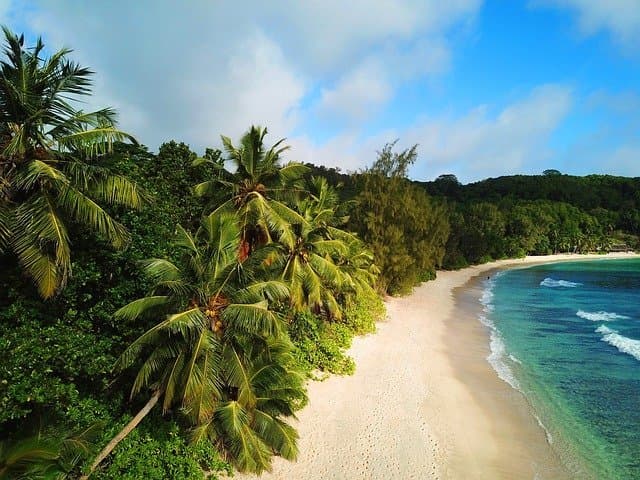
Playa Cosón is longer and wilder-looking, with a dramatic backdrop of palm-covered hills, but the inshore water near the northern end is calmer than it looks from the road. It's less developed than Bonita, so gear rental options are thinner, but if you already have a lesson booked through an operator who transports equipment, it's a gorgeous place to practice turns with fewer other beachgoers around.
Las Galeras Bay
Over in Las Galeras, the bay itself is more protected and better suited to flat-water practice, though wind reliability is more seasonal and gear rental is harder to find outside peak months. I'd only suggest it to beginners traveling with their own board, or if a Las Terrenas-based instructor is willing to transport gear out for a private session.
Insider tip: Ask your instructor about the wind pattern locals call "la brisa de las tres" — the three o'clock breeze. It's a near-daily afternoon thermal that kicks in as the land heats up, and most local instructors times their intermediate lessons around it rather than the morning glass-off that beginners prefer.
How Much Do Windsurf Lessons Cost in Samaná?
A standard 2-hour beginner lesson in Samaná costs between RD$2,800 and RD$4,500 (roughly $48–$77 USD), usually including board, sail, rash guard or wetsuit top, and direct instruction from a certified or experienced local instructor. Multi-day packages bring the per-hour rate down noticeably.
Private one-on-one instruction runs higher than group sessions, and prices can shift with fuel costs and season, so always confirm the rate when you book rather than assuming last year's number holds.
| Lesson Type | Duration | Typical Price (RD$) | Approx. USD | Best For |
|---|---|---|---|---|
| Intro group lesson (2-3 people) | 2 hours | RD$2,800–3,500 | $48–$60 | First-timers, budget travelers |
| Private 1-on-1 lesson | 2 hours | RD$3,800–4,500 | $65–$77 | Faster progress, nervous beginners |
| 3-day beginner package | 6 hours total | RD$9,000–11,500 | $155–$198 | Travelers staying a week+ |
| Gear rental only (no instructor) | 1 hour | RD$1,500–2,500 | $26–$43 | Intermediate/advanced riders |
| Gear rental only | Half-day (3 hrs) | RD$3,500–5,000 | $60–$86 | Confident independent riders |
Keep in mind these are street-level estimates gathered from small operators around Las Terrenas; prices at hotel-affiliated outfits can run 20-30% higher for the same gear.
What to Expect in Your First Lesson
Your first session won't involve much actual "windsurfing" — and that's normal. Most instructors in Samaná structure the beginner lesson the same way I've seen taught from Bonaire to the Dominican north coast:
- Dry-land briefing — stance, how to hold the boom, how to uphaul the sail without straining your back.
- Balance drills in shallow water — standing on the board without the sail, just getting a feel for how it moves under you.
- First uphauls — pulling the sail out of the water and finding "neutral," the position where the sail doesn't pull you in either direction.
- Short runs — your instructor will usually hold the back of the board or walk alongside you in the shallows for the first few attempts.
- Turning and stopping — learning to release the sail is honestly the most important safety skill of the day.
Expect to fall. A lot. I still remember an instructor in Las Terrenas telling a nervous client, "El agua es gratis" — the water's free, meaning falling costs nothing, so don't be afraid of it. That attitude is pretty much universal among Samaná instructors, and it takes the pressure off.
What to Bring
Quick Tips
Quick Tips
- Wear swimwear you can move in — board shorts or a one-piece, not loose cover-ups.
- Bring reef-safe sunscreen; you'll be exposed to sun and water reflection for two-plus hours.
- A rash guard prevents the boom from chafing your underarms during repeated uphauls.
- Bring a dry bag for your phone and wallet — most beach setups don't have secure storage.
- Water shoes help on the Cosón and Galeras stretches where the entry can be rockier.
- Book your lesson for late morning to early afternoon, right as the wind is building but before it peaks.
When Is the Best Time of Year to Windsurf in Samaná?
The best windsurfing conditions in Samaná run from December through April, when the Atlantic trade winds blow most consistently, typically 15-20 knots through the afternoons. Outside this window, wind is patchier and lessons may get rescheduled around calm days.
May through November is Samaná's wetter, lighter-wind season. You can still windsurf, but instructors often spend more time waiting for the afternoon thermal to fill in, and sudden squalls during rainy season can cut sessions short. If your trip falls in these months, flexibility matters — book lessons for early in your stay so there's room to reschedule if a day gets blown out, literally.
| Month | Wind Reliability | Water Conditions | Notes |
|---|---|---|---|
| December–February | High | Flat to light chop | Peak season, book lessons ahead |
| March–April | High | Flat, warm | Great mix of wind and good weather |
| May–June | Moderate | Can get choppy | Occasional rain interruptions |
| July–August | Moderate | Warm, generally calm mornings | Afternoon thermals still reliable |
| September–November | Low to moderate | Variable, storm risk | Hurricane season — check forecasts |
Is Windsurfing in Samaná Safe for Beginners?
Yes, windsurfing in Samaná is generally safe for beginners at the recommended beaches, provided you stay within sight of an instructor and avoid days with onshore winds exceeding 20 knots. The real risks come from overconfidence, not the sport itself.
The biggest practical hazard isn't the wind — it's currents near headlands and boat traffic in the open bay near Samaná town. Stick to the bays at Bonita and Cosón, where the beach itself acts as a natural boundary, and always ask the instructor about that day's specific conditions before heading out. Local guides track wind forecasts daily and will often delay a lesson by an hour rather than put a beginner out in gusty, unpredictable conditions.
If you have any cardiovascular concerns or are recovering from an injury, it's worth noting that windsurfing is surprisingly physical — the uphaul motion works your lower back and forearms hard in the first hour. Nothing a little stretching and hydration can't manage, but worth knowing going in.
Combining Windsurfing With the Rest of Samaná
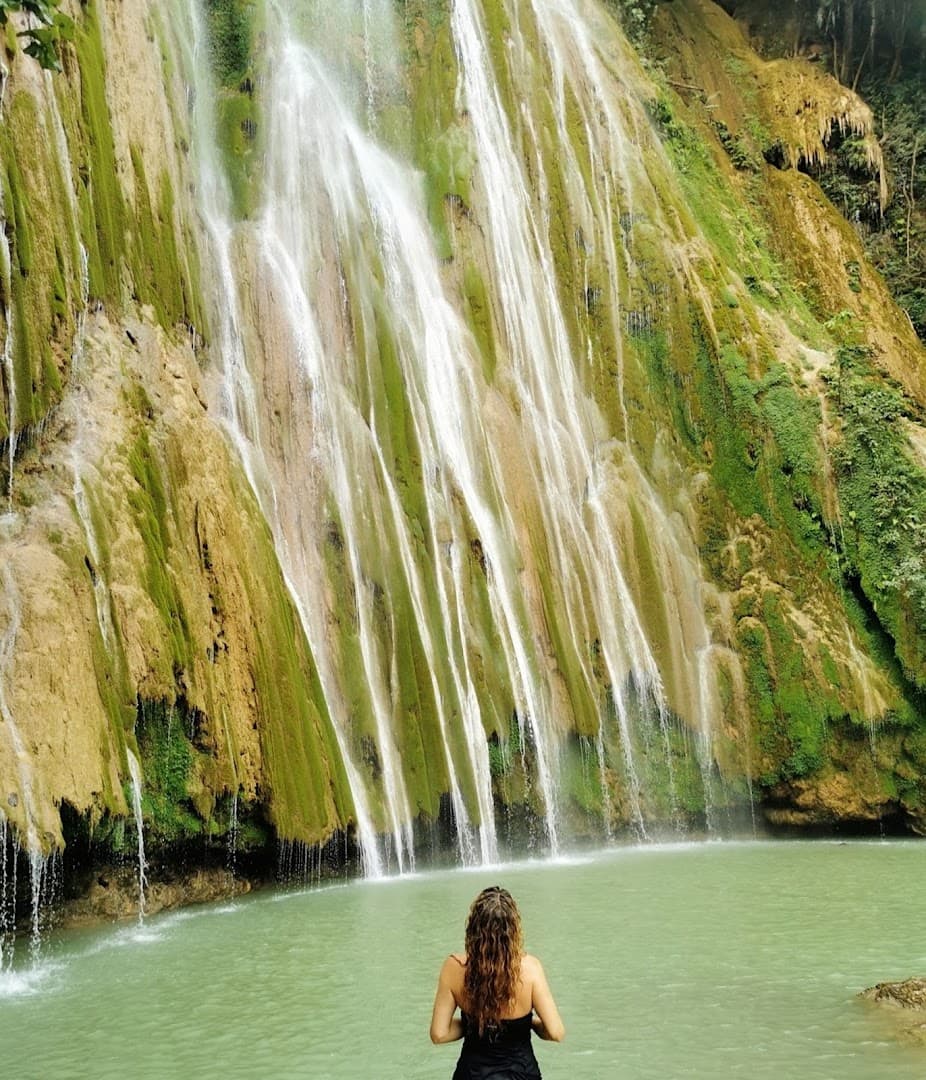
Windsurfing pairs naturally with a longer Las Terrenas itinerary. Morning lessons leave your afternoons free for whale watching in Samaná Bay between January and March, a hike to El Limón Waterfall, or a boozy, relaxed sunset catamaran cruise to shake out the sore muscles.
If your arms need a break after a hard lesson, a massage in town is a genuinely good idea — check massage and spa options in Las Terrenas rather than trying to push through the soreness solo. And if you're still deciding whether Las Terrenas deserves the hype at all, our honest guide to whether Las Terrenas is worth visiting covers the bigger picture beyond watersports.
For travelers staying multiple days, I'd structure it like this: windsurf lesson one, rest day with a boat tour to Los Haitises National Park, windsurf lesson two to build on what you learned, then a free day at Playa Rincón just to swim and recover. According to the Dominican Republic's official tourism board, the Samaná Peninsula's mix of marine activities and protected bays makes it one of the country's most varied adventure-sport regions — windsurfing is simply the quietest corner of that reputation.
Getting to the Windsurf Spots
Most windsurf lessons happen directly on the beaches at Bonita and Cosón, both a short ride from central Las Terrenas. If you're coming from elsewhere on the peninsula or from Santo Domingo, our guide to getting to Las Terrenas and Samaná breaks down flights, shared vans, and private transfers.
Once you're in town, getting to the beach itself is simple:
- Motoconcho (motorbike taxi) from central Las Terrenas to Playa Bonita: RD$100–150 (~$2–3 USD), about 10 minutes.
- Taxi to Playa Cosón: RD$600–900 (~$10–15 USD), about 15-20 minutes depending on exact drop-off.
- Rental scooter or car, useful if you're doing multiple lessons across several days — see options at getting around Samaná.
I'll admit a motoconcho with a windsurf board strapped sideways across the back is one of the more chaotic-looking sights in Las Terrenas, but it happens daily and the drivers are weirdly good at it.
Final Thoughts Before You Book
Windsurfing in Samaná isn't about perfect Instagram conditions or world-class wave riding — it's about a forgiving bay, patient instructors, and the quiet satisfaction of standing up on a board for three full seconds before the inevitable splash. That's honestly enough to make it one of my favorite ways to spend a slow morning on the peninsula.
Book a lesson early in your trip, give yourself at least two sessions if you can, and don't stress about falling — as every instructor here will tell you, the water really is free. When you're ready to lock in a lesson or compare local operators, browse water activities and tours in Samaná to see what's currently available for your travel dates.
Sources
Samaná Travel Specialist | 7 years booking experiences across the Peninsula
Sofia has personally tested and vetted over 80 tours, excursions, and services across Samaná — from whale watching season prep to El Limón waterfall treks and Los Haitises kayak routes. She focuses on matching traveler types to the right experience: families, couples, adventure seekers, digital nomads.

Plan your Samaná adventure
Explore the top tours and experiences near this guide — arranged directly with the operator.
Browse all experiencesRelated Articles.

27 Charcos de Damajagua: The 27 Waterfalls of Puerto Plata (2026 Guide)
Which route to choose (7, 12 or 27 falls), what it costs, how old you need to be, what to wear, and when the river closes the 27 waterfalls of Damajagua.

Sport Fishing & Deep-Sea Fishing Tours from Samaná: 2026 Guide
Everything you need to book a deep sea fishing Samaná charter in 2026 — real prices, boat sizes, best months for mahi-mahi and marlin, and what to expect on the water.

Cave Tours in Samaná Beyond Los Haitises: Hidden Grottos
Discover the best cave tours in Samaná beyond Los Haitises, including the stunning Cueva de las Maravillas and lesser-known grottos with Taíno petroglyphs.