Is Las Terrenas Worth Visiting? An Honest Guide (2026).

Photo by Nicholas Ceglia on Unsplash
A no-nonsense look at whether Las Terrenas lives up to the hype, based on years of visits — beaches, costs, food, and who should skip it.
Message a local operator.
Message these Samaná operators directly on WhatsApp — you book with them, not through us.

Key Takeaways
Key Takeaways
- Yes, Las Terrenas is worth it for travelers who want walkable beach towns, French-Caribbean food, and easy day trips to waterfalls and whales — but it's not a resort-bubble destination.
- A comfortable trip costs roughly RD$3,500–RD$7,000 per day (~$60–$120 USD) per person including food, activities, and local transport.
- The best beaches — Playa Cosón, Playa Bonita, and Playa Rincón — are all within a 20 to 90-minute drive, and none require a resort membership to enjoy.
- June through November brings quieter beaches and lower prices, but pack a rain jacket; December to April is peak season with whale watching as the headline act.
- It's not for travelers who want manicured mega-resorts, nightclubs on every corner, or door-to-door convenience — Las Terrenas rewards a bit of independence.
Las Terrenas splits opinion, and I think that's exactly what makes it interesting. After more visits than I can count over the past several years, I've watched the town grow from a sleepy fishing outpost with a French expat streak into one of the Dominican Republic's most talked-about beach towns — without losing its slightly rough, unpolished charm.
Is Las Terrenas worth visiting? Yes — for travelers who want a laid-back beach town with genuinely excellent food, uncrowded coastline, and easy access to waterfalls and whale watching, rather than a fenced-in resort experience. It suits independent travelers more than those wanting everything arranged for them.
That answer needs context, though. I've seen visitors leave disappointed because they expected Punta Cana with better views, and I've seen others extend their trip twice because they fell for the town's unhurried rhythm. This guide breaks down exactly who Las Terrenas is for, what it actually costs in 2026, and where the town still has rough edges worth knowing about before you book.
Is Las Terrenas Worth It? The Honest Verdict
The short version: Las Terrenas is worth it if you value beaches over buffets. The town sits on the northern coast of the Samaná Peninsula, a region that remains noticeably less developed than the country's eastern coast.
That's precisely the appeal. There's no wall of high-rise hotels blocking the sand, and the beaches still feel like beaches rather than hotel amenities. Fresh fish gets grilled roadside, motoconchos buzz past at dawn heading to the fish market, and you can walk from a beachfront breakfast to a boutique selling hand-thrown pottery in under five minutes.
But I'll be straight with you: the roads have potholes, WiFi can be spotty away from the town center, and service moves at "Dominican time" rather than Swiss-watch precision. If that sounds charming, you'll love it here. If it sounds stressful, consider a full-service resort elsewhere in the country instead.
For a broader look at how Las Terrenas stacks up against its neighbors, I usually point people to this comparison of Las Terrenas, Las Galeras, and Samaná town before they commit to a base.
Who Las Terrenas Is Actually Good For
- Couples and solo travelers who want boutique guesthouses over big-brand resorts
- Foodies — the French and Italian expat influence means genuinely good bakeries and bistros mixed with Dominican comedor classics
- Families comfortable with a bit of independence, since kids' clubs and all-inclusive convenience are rare here
- Nature-focused travelers chasing waterfalls, whales, and near-empty beaches rather than pool bars
Who Should Consider Somewhere Else
- Travelers wanting an all-inclusive resort with zero logistics to manage
- Anyone who needs reliable nightlife every single night (it exists, but it's low-key — see this Las Terrenas nightlife guide for what's realistic)
- Visitors with mobility limitations who need paved, flat access everywhere — some beach roads are rough
What Does a Trip to Las Terrenas Actually Cost in 2026?
Expect to spend roughly RD$3,500 to RD$7,000 per person, per day (~$60–$120 USD), covering meals, local transport, and one activity. Budget travelers using guesthouses and street food can go lower; those booking private tours and beachfront dinners will land higher.
Here's how a realistic day typically breaks down, based on current 2026 pricing I've tracked across recent visits:
| Expense | Typical Cost (RD$) | Approx. USD |
|---|---|---|
| Guesthouse/budget hotel room (per night) | RD$2,500–RD$6,000 | $42–$100 |
| Breakfast at a local café | RD$250–RD$500 | $4–$8 |
| Lunch (comedor or beach shack) | RD$350–RD$700 | $6–$12 |
| Dinner (mid-range restaurant) | RD$800–RD$1,800 | $14–$30 |
| Motoconcho ride around town | RD$100–RD$200 | $2–$3.50 |
| Half-day guided tour (waterfall or boat trip) | RD$2,500–RD$5,500 | $42–$92 |
| Scooter or car rental (per day) | RD$1,800–RD$4,500 | $30–$75 |
Prices climb noticeably in December, January, and February, and again around Semana Santa (Easter week), when many Dominican families travel and beachside vendors sometimes close entirely to spend the holiday with their own families — something first-time visitors rarely expect.
What Are the Best Beaches Near Las Terrenas?
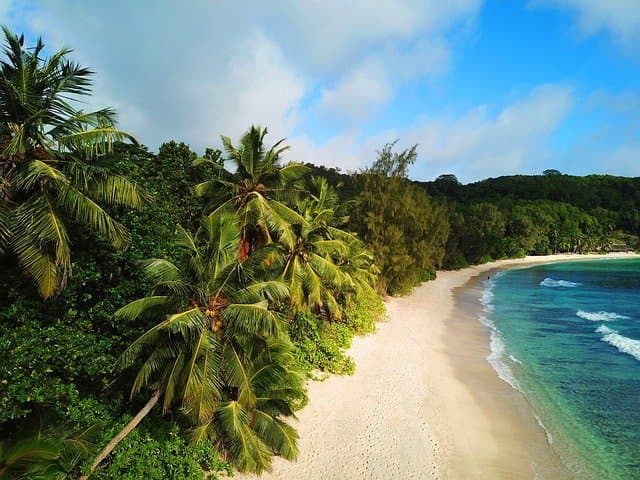
The best beaches near Las Terrenas are Playa Bonita, Playa Cosón, and Playa Rincón, each offering a different flavor of coastline within a short drive. None require hotel access, and all three are free to enter.
Playa Bonita sits closest to town, a few minutes by car or a longer walk, and draws a mellow surf crowd along with beachfront restaurants shaded by almond trees. I still remember paddling out there on a borrowed longboard years ago and getting humbled by a wave I completely misjudged — locals just laughed and waved me back in. Full details are in this Playa Bonita guide.
Playa Cosón stretches for kilometers with barely a building in sight, backed by dune grass and coconut palms — genuinely one of the longest uninterrupted beaches on this coast. It's roughly a 15 to 20-minute drive from central Las Terrenas. Read the full Playa Cosón guide before you go, since access points aren't always obvious from the main road.
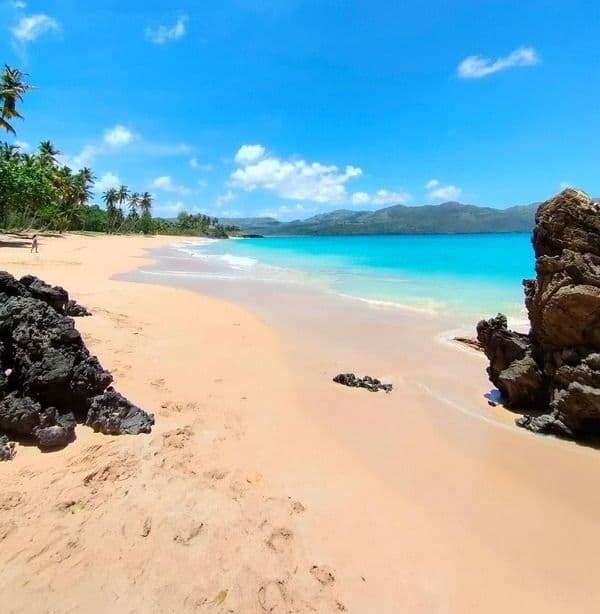
Playa Rincón, about 90 minutes away near Las Galeras, is worth the detour for its dramatic mountain backdrop and turquoise water. Many visitors book it as a half-day trip rather than a quick stop.
Quick Tips
Quick Tips
- Rent a scooter (RD$1,500–RD$2,500/day, ~$25–$42) if you're comfortable driving — it opens up Cosón and Bonita on your own schedule
- Bring cash in small bills; many beach vendors and motoconcho drivers can't break large notes
- The road to some beach access points is unmarked gravel — ask your guesthouse for the current turnoff, since signage changes
- Avoid renting snorkel gear at the first stall you see; prices and quality vary a lot along the same stretch of sand
For the full spread of beaches and coves worth chasing this year, the Las Terrenas things-to-do hub keeps an updated list of current operators and access points.
Is Las Terrenas Good for a Day Trip from Elsewhere in Samaná?
Yes, Las Terrenas works well as a home base for day trips, particularly to El Limón waterfall and Los Haitises National Park, both under an hour away by road or boat combination. It also connects easily to whale watching in Samaná Bay during migration season.
The El Limón waterfall hike is one of my go-to recommendations for first-timers — you can go on horseback or on foot, and either way you'll arrive sweaty and be rewarded with a genuinely cold, misty plunge pool. Book through the El Limón waterfall tour page to compare current operators and prices.
Los Haitises National Park, reachable by boat, delivers mangrove tunnels, limestone karst islands, and cave systems with pre-Columbian petroglyphs — one of the more underrated experiences in the entire country, in my opinion. See the Los Haitises boat tour hub for options, or read about the night tour version with cave kayaking if you want something different from the standard daytime run.
If you're visiting between mid-January and late March, don't skip whale watching in Samaná Bay — thousands of humpback whales migrate here from the North Atlantic to breed, and boats depart regularly from Samaná town, a manageable drive from Las Terrenas. I've done this trip four separate seasons and it has never once felt repetitive; the behavior varies wildly year to year.
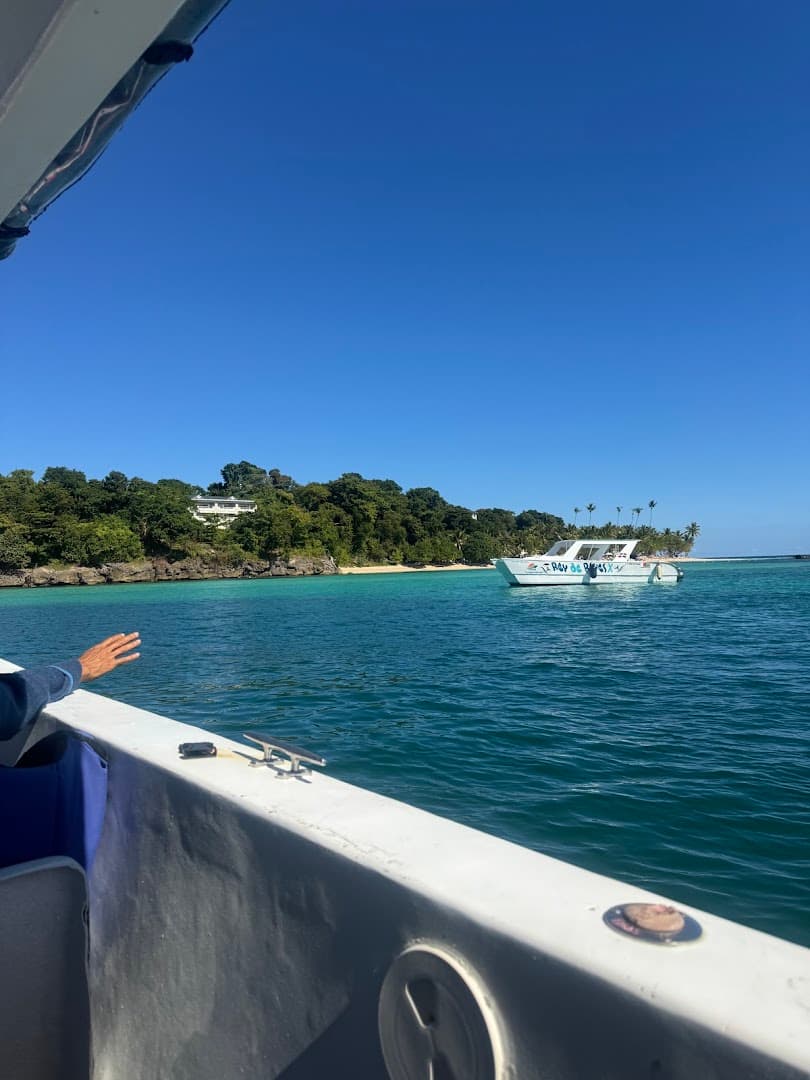
A short boat ride from Samaná town also gets you to Cayo Levantado, the postcard island sometimes nicknamed "Bacardi Island." It's touristy, sure, but the water color there is genuinely something else. Details on the Cayo Levantado day trip and the boat schedules, piers, and prices will save you a wasted morning at the wrong dock.
What's the Best Time of Year to Visit Las Terrenas?
The best time to visit Las Terrenas is December through April, for dry weather and whale watching season, though June through November offers lower prices and fewer crowds if you don't mind occasional rain showers.
| Season | Months | Weather | Crowds | Best For |
|---|---|---|---|---|
| Peak/Dry | Dec–Apr | Sunny, low rain | High, especially Feb | Whale watching, beach days |
| Shoulder | May, Nov | Transitional, brief showers | Moderate | Value pricing, fewer lines |
| Green/Rainy | Jun–Oct | Warm, afternoon storms | Low | Budget travel, lush waterfalls |
Rainy season doesn't mean the trip is ruined — it usually means a downpour for an hour in the afternoon, then clear skies again. I actually prefer photographing El Limón after rain, when the falls run fuller and the jungle looks almost impossibly green. For a full breakdown of what to expect and do, this guide to Samaná in rainy season is worth reading before you write off the wetter months.
Hurricane season technically runs June to November per the National Hurricane Center, though direct hits on Samaná are rare — still, it's worth checking forecasts if you're traveling in September or October specifically.
How Do You Get to Las Terrenas, and Is Getting Around Difficult?
Getting to Las Terrenas typically means flying into El Catey (AZS) airport, about 45 minutes away, or arriving via a longer transfer from Santo Domingo (SDQ) or Punta Cana (PUJ), both roughly 2.5 to 4 hours by road. Once in town, getting around without a car is very doable using motoconchos, taxis, and rented scooters.
I'll admit the roads improved a lot over the past decade, but the peninsula is still mountainous, so travel times can run longer than the map suggests. Book transport in advance during peak season, since demand for private drivers spikes around the holidays.
- From El Catey airport: private transfer or taxi, roughly RD$1,800–RD$3,000 (~$30–$50)
- From Punta Cana: private driver or shared shuttle, RD$4,000–RD$9,000 (~$68–$150), about 3–4 hours
- From Santo Domingo: Caribe Tours bus to Sánchez plus a guagua over the hill, about 5 hours and RD$500–650 (~$9–12), or a private transfer, about 2.5 hours (see our Santo Domingo to Las Terrenas guide)
Full route options are laid out in the Punta Cana to Samaná transfer guide and the complete getting-to-Las-Terrenas hub. For getting around once you've arrived, this guide to Las Terrenas without a car covers motoconchos, scooter rental, and walking routes, or use the general transport booking page to arrange a private driver or rental in one form.
What Are the Downsides Nobody Mentions?
The honest downsides are inconsistent infrastructure, patchy WiFi outside the center, and a lack of resort-style convenience — you'll do more planning here than at an all-inclusive. Some travelers also find the beach vendor approach persistent, though a polite "no, gracias" usually ends it quickly.
Roads flood briefly after heavy rain, some restaurants close without notice during low season, and English isn't universal outside tourist-facing businesses — a translation app or a few basic Spanish phrases go a long way. None of this is a dealbreaker in my experience, but it's worth knowing before arrival rather than discovering it mid-trip.
On the plus side, this same lack of polish is why Las Terrenas hasn't been swallowed by chain hotels. According to the Dominican Republic's official tourism board, Samaná remains one of the country's least densely developed coastal regions — a fact that shows the moment you compare its skyline to Punta Cana's.
Final Verdict: Book It or Skip It?
I keep coming back to Las Terrenas because it still feels like a real town rather than a theme park version of the Caribbean. If you want genuine beaches, memorable food, and jungle-and-whale day trips without the plastic-wristband experience, Las Terrenas is absolutely worth it in 2026.
If your idea of a perfect vacation is an all-inclusive buffet and a swim-up bar with zero decisions to make, this probably isn't your town — and that's fine too. Start planning with the Las Terrenas things-to-do hub or browse the full range of tours and experiences to build a trip around what actually matters to you.
Sources
Frequent visitor | Montreal-based travel writer, 9 trips to Samaná
Marc started coming to Samaná as a tourist and never really stopped. He writes from the perspective of a Canadian traveler who's made every mistake so you don't have to — wrong season, wrong operator, wrong transportation. His content is direct, skepticism-first, and built on repeat experience rather than press trips.

Plan your Samaná adventure
Explore the top tours and experiences near this guide — arranged directly with the operator.
Browse all experiencesRelated Articles.

Where the Boats to Cayo Levantado Leave From: Piers, Times & Prices
A local's guide to every pier that runs boats to Cayo Levantado, with real departure times, ferry prices in RD$, and the mistakes first-timers make.

Las Terrenas vs Las Galeras vs Samaná Town: Where to Stay
Torn between Las Terrenas, Las Galeras and Samaná Town? Here's an honest, firsthand comparison of vibe, beaches, cost and logistics to help you pick your base.

Samaná Town Day Trip: Malecón, Bridges & Excursions from Las Terrenas
Plan the perfect Samaná town day trip from Las Terrenas in 2026. Walk the Malecón, cross the iconic bridges, and launch epic excursions to Cayo Levantado and Los Haitises.