Best Time to Visit Samaná: Weather Month by Month.

Photo by Kevin Foster on Unsplash
Discover the perfect time to visit Samaná Peninsula with our complete weather guide. From dry season adventures to whale watching seasons, plan your Dominican Republic escape.
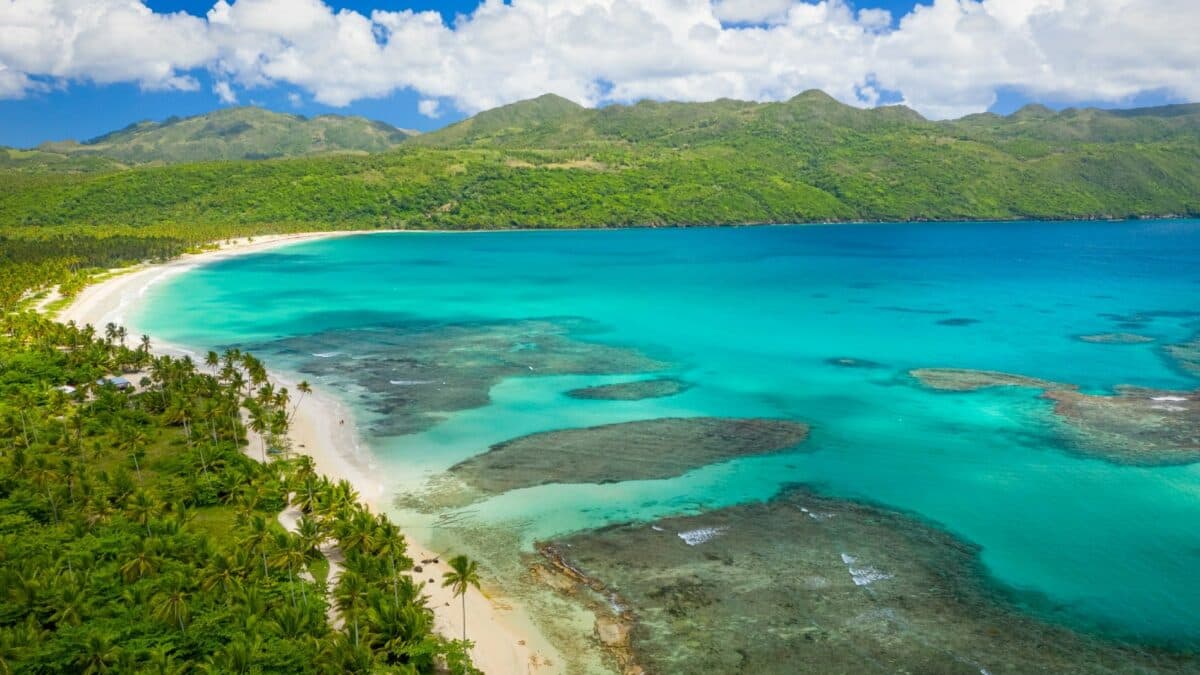
Picture this: crystalline turquoise waters lapping against pristine white sand, coconut palms swaying in a gentle Caribbean breeze, and the distant sound of humpback whales breaching in the bay. This isn't just a dream—it's Samaná Peninsula on the perfect day. But when exactly is that perfect day? The best time to visit Samaná depends entirely on what kind of Dominican adventure you're seeking.
Nestled on the northeastern coast of the Dominican Republic, the Samaná Peninsula enjoys a tropical climate that's welcoming year-round. However, understanding the nuances of Samaná weather patterns can mean the difference between catching a spectacular whale show and getting caught in an afternoon downpour. Whether you're planning to explore the hidden waterfalls of El Limón, lounge on the legendary sands of Playa Rincón, or dive into the vibrant culture of Las Terrenas, timing is everything.
When Is the Best Time to Visit Samaná?
February to April: the driest, sunniest stretch of the year, and humpback whales fill Samaná Bay from mid-January to late March. May and October–November are the wettest months and the cheapest, with far fewer visitors.
When Is Whale Season in Samaná?
Humpback whales gather in Samaná Bay from mid-January to late March, with the most sightings in February. Our whale watching guide lists the licensed boat tours.
Understanding Samaná's Climate Patterns
The Samaná Peninsula experiences a tropical maritime climate with two distinct seasons that shape the entire rhythm of life on this Caribbean paradise. Unlike many tropical destinations, Samaná's location creates unique microclimates that can vary significantly between coastal areas and the mountainous interior.
The peninsula sits at the confluence of Atlantic trade winds and Caribbean currents, creating a natural air conditioning system that keeps temperatures surprisingly moderate. Average temperatures hover between 24°C to 30°C (75°F to 86°F) year-round, but humidity and rainfall patterns create dramatically different experiences depending on when you visit.
Mountainous areas like those around El Limón tend to be cooler and receive more rainfall, while coastal towns like Las Galeras enjoy more consistent sunshine and ocean breezes. This geographic diversity means you can often escape weather patterns by simply changing elevation or moving from the Atlantic north coast to the calmer Samaná Bay side of the peninsula.
The Driest Months: February to April
When to go to Samaná for the most predictable weather? February, March and April have the fewest rainy days of the year, about 11 a month in Las Terrenas, against 15 to 17 from July to January. February and March are also the driest by volume, at about 100 mm each. Seas are usually calmer, trails are drier and boat trips to beaches like Playa Rincón are least likely to be cancelled.
February and March are the sweet spot: the humpback whales are in Samaná Bay (mid-January to late March), the Christmas crowds have gone, and the weather is at its most settled. This is also the busiest time of year, so book rooms and whale tours early. Our whale watching guide lists the licensed boats.
December and January are peak holiday season but not the driest months: expect around 15 to 16 rainy days, almost always short showers that pass within the hour.
The Rainiest Months: May and October–November
May and October–November bring the heaviest rain of the year: 270 mm in May and 219–238 mm in October and November, against about 100 mm in February and March. It is still warm (30–31°C, 86–88°F) and a "rainy day" is usually a downpour of an hour or two, not a washed-out day.
What you get in return:
- The lowest prices of the year on rooms and many tours
- Far fewer visitors on the beaches
- Waterfalls like El Limón at full force
- Everything green after the rain
These months suit travellers who can move a beach day by 24 hours if the sky turns grey.
Summer: June to September
Summer is hot and humid. Rain comes on 13 to 16 days a month, usually as afternoon storms after clear mornings, so plan beach time and boat trips for the morning.
The Atlantic hurricane season runs from June to November and is most active from August to October. Direct hits on Samaná are rare, but a tropical storm can bring a few days of heavy rain and rough sea.
Hurricane Season Considerations
While the Dominican Republic lies in the Atlantic hurricane belt, the Samaná Peninsula's location provides some natural protection. The mountainous interior and surrounding islands help deflect the worst of most storms. However, August through October requires attention to weather forecasts.
Historically, direct hurricane hits on Samaná are rare, but tropical storms can bring heavy rains and rough seas. If you're traveling during this period:
- Purchase comprehensive travel insurance
- Monitor Caribbean weather services regularly
- Maintain flexible travel plans
- Choose accommodations with solid construction and backup power
- Pack for potential weather delays
Samaná Weather Month by Month
Averages for Las Terrenas from weather2travel.com. It is warm all year; what changes is how often it rains and whether the whales are in the bay.
| Month | Daytime high | Rainfall | Rainy days | Sea temperature | Humpback whales |
|---|---|---|---|---|---|
| January | 29°C (84°F) | 121 mm | 15 | 26°C | From mid-January |
| February | 29°C (84°F) | 99 mm | 11 | 26°C | Yes, peak |
| March | 30°C (86°F) | 103 mm | 11 | 26°C | Yes, until late March |
| April | 30°C (86°F) | 154 mm | 11 | 26°C | No |
| May | 31°C (88°F) | 270 mm | 13 | 27°C | No |
| June | 31°C (88°F) | 179 mm | 13 | 27°C | No |
| July | 31°C (88°F) | 181 mm | 16 | 28°C | No |
| August | 31°C (88°F) | 199 mm | 16 | 28°C | No |
| September | 31°C (88°F) | 185 mm | 16 | 29°C | No |
| October | 31°C (88°F) | 219 mm | 17 | 29°C | No |
| November | 30°C (86°F) | 238 mm | 15 | 28°C | No |
| December | 29°C (84°F) | 180 mm | 16 | 27°C | No |
A "rainy day" here is usually a short shower, not a washed-out day. The driest stretch is February to April; May and October–November bring the heaviest rain.
What Is Samaná Like in October?
October is one of the rainiest and quietest months: about 219 mm of rain over 17 rainy days in Las Terrenas, a warm 29°C sea, and the lowest prices of the year. Showers are usually short, and it is still hurricane season, so keep plans flexible. The whales do not arrive until mid-January.
What Is Samaná Like in December?
December is warm (around 29°C, 84°F) with about 16 short rainy days, and it gets busy from mid-December with Christmas and New Year visitors. Book rooms early for the holidays. The whales arrive in mid-January, so a trip that runs into late January can include a whale tour.
Planning Your Activities by Season
Different seasons favour different experiences on the Samaná Peninsula.
February to April
Prime time for beaches, snorkelling and boat trips to remote coves, and the only time for whale watching (until late March). Trails are at their driest for hikes in the interior. The Las Galeras area is at its best, with calm seas for reaching the hidden beaches.
May to November
Waterfalls run strongest and the landscape is at its greenest. Rain usually comes in the afternoon, so book tours and boat trips for the morning and keep the afternoon for a long lunch.
Budget Considerations by Season
Prices are highest from mid-December to April, when winter holidays and whale season bring the most visitors. May and September–November are the cheapest months for rooms and many tours. Transport options run year-round, though some remote beaches and trails are harder to reach after heavy rain.
Cultural Events and Festivals
Samaná's cultural calendar adds another layer to timing considerations. The peninsula celebrates numerous festivals throughout the year, each offering unique insights into Dominican culture and traditions.
Major cultural events include:
- Carnival (February-March): Vibrant celebrations throughout the peninsula
- Semana Santa (Easter Week): Religious processions and local traditions
- Festival de la Ballena (January-March): Whale watching celebrations
- Merengue Festival (July): Music and dance in various towns
- Independence Day (February 27): National celebrations with local flavor
These events can influence accommodation availability and prices, but they also provide incredible cultural immersion opportunities.
Quick Planning Tips for Every Season
- Pack light, breathable clothing regardless of season—humidity is constant
- Bring a light rain jacket even in the driest months, for mountain excursions
- Book accommodations early for Christmas, New Year and whale season (mid-January to March)
- Consider travel insurance for wet season visits due to weather variability
- Plan flexible itineraries during hurricane season (June to November, most active August to October)
- Bring reef-safe sunscreen—the Caribbean sun is intense year-round
- Pack mosquito repellent for wet season visits when insects are more active
- Download weather apps to track afternoon storm patterns
- Reserve whale watching tours in advance during January-March peak season
- Budget extra time for transportation during wet season due to potential delays
The truth about the best time to visit Samaná Peninsula is that there's no single perfect answer—only the perfect time for your specific travel style and interests. Whether you're drawn to the drier, whale-filled months of February and March, the full waterfalls of the rainy season, or the low prices of the quiet months, this Caribbean paradise offers something magical in every season.
Ready to experience Samaná's unique charm for yourself? Browse our curated experiences to discover authentic local adventures perfectly timed for whenever you choose to visit. From whale watching expeditions to waterfall hikes, cultural tours to beach escapes, Exploras connects you with the peninsula's most memorable experiences, regardless of the season.
Frequent visitor | Montreal-based travel writer, 9 trips to Samaná
Marc started coming to Samaná as a tourist and never really stopped. He writes from the perspective of a Canadian traveler who's made every mistake so you don't have to — wrong season, wrong operator, wrong transportation. His content is direct, skepticism-first, and built on repeat experience rather than press trips.

Plan your Samaná adventure
Explore the top tours and experiences near this guide — arranged directly with the operator.
Browse all experiencesRelated Articles.

Samaná in the Rainy Season: What to Do and When It Rains
A local's guide to the Samaná rainy season — when it actually rains, what still works, and how to turn a wet afternoon into one of the best parts of your trip.

Punta Cana to Samaná Transfer: Routes, Time & Prices 2026
Everything you need to know about getting from Punta Cana Airport to Samaná in 2026: route options, realistic travel times, and honest price comparisons.

Dominican Republic eSIM & SIM Cards: Samaná Traveler Guide 2026
Everything Samaná-bound travelers need to know about getting a Dominican Republic eSIM or SIM card, with real prices, coverage notes, and setup tips from someone who's tested them all.