Samaná to Sabana de la Mar by Boat: Crossing the Bay.
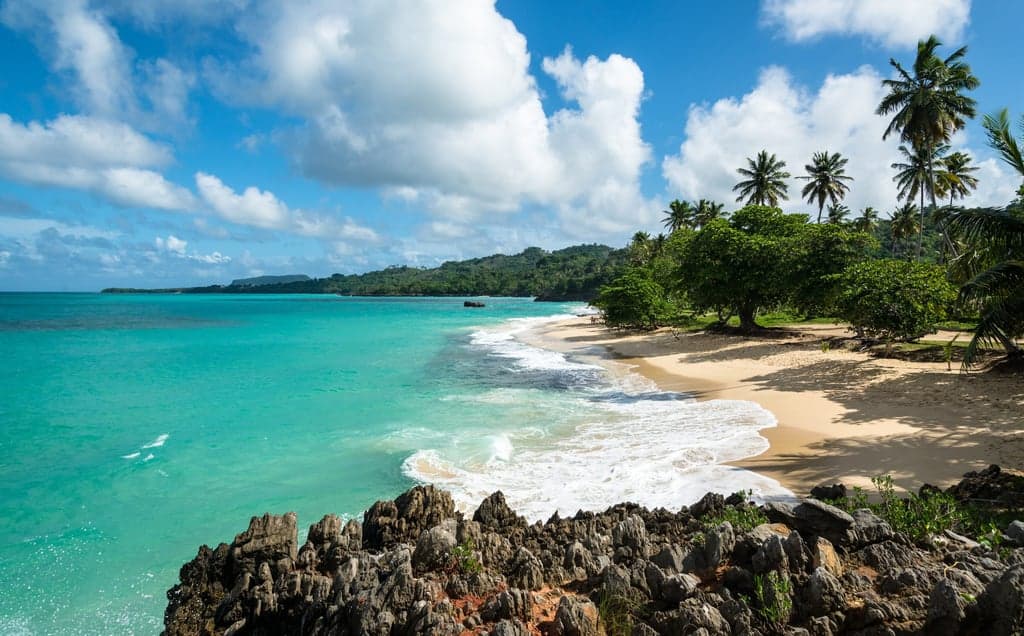
How to cross Samaná Bay by lancha to Sabana de la Mar: schedules, prices in RD$, what's on the other side, and why locals still swear by this crossing.
Message a local operator.
Message these Samaná operators directly on WhatsApp — you book with them, not through us.
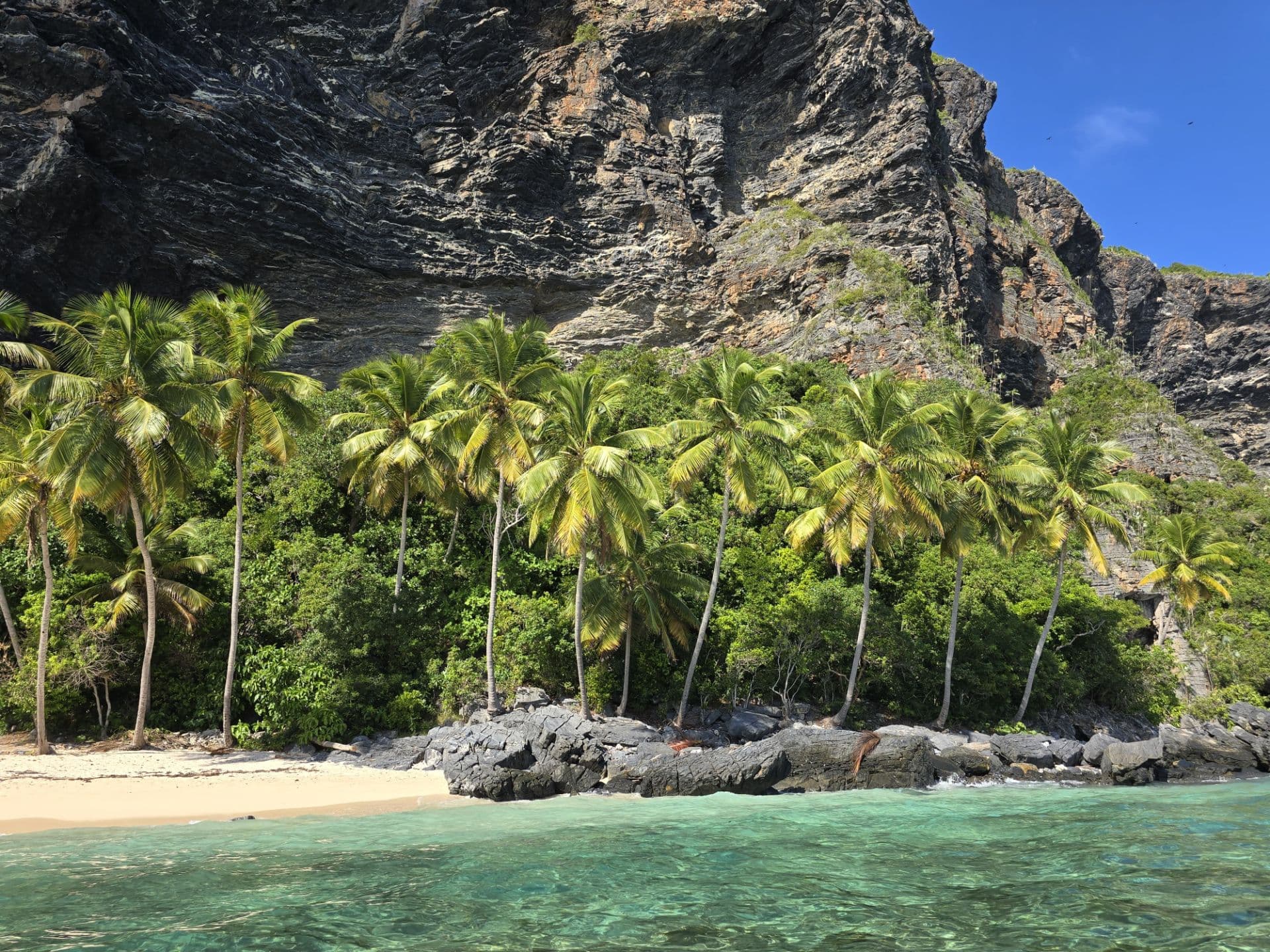
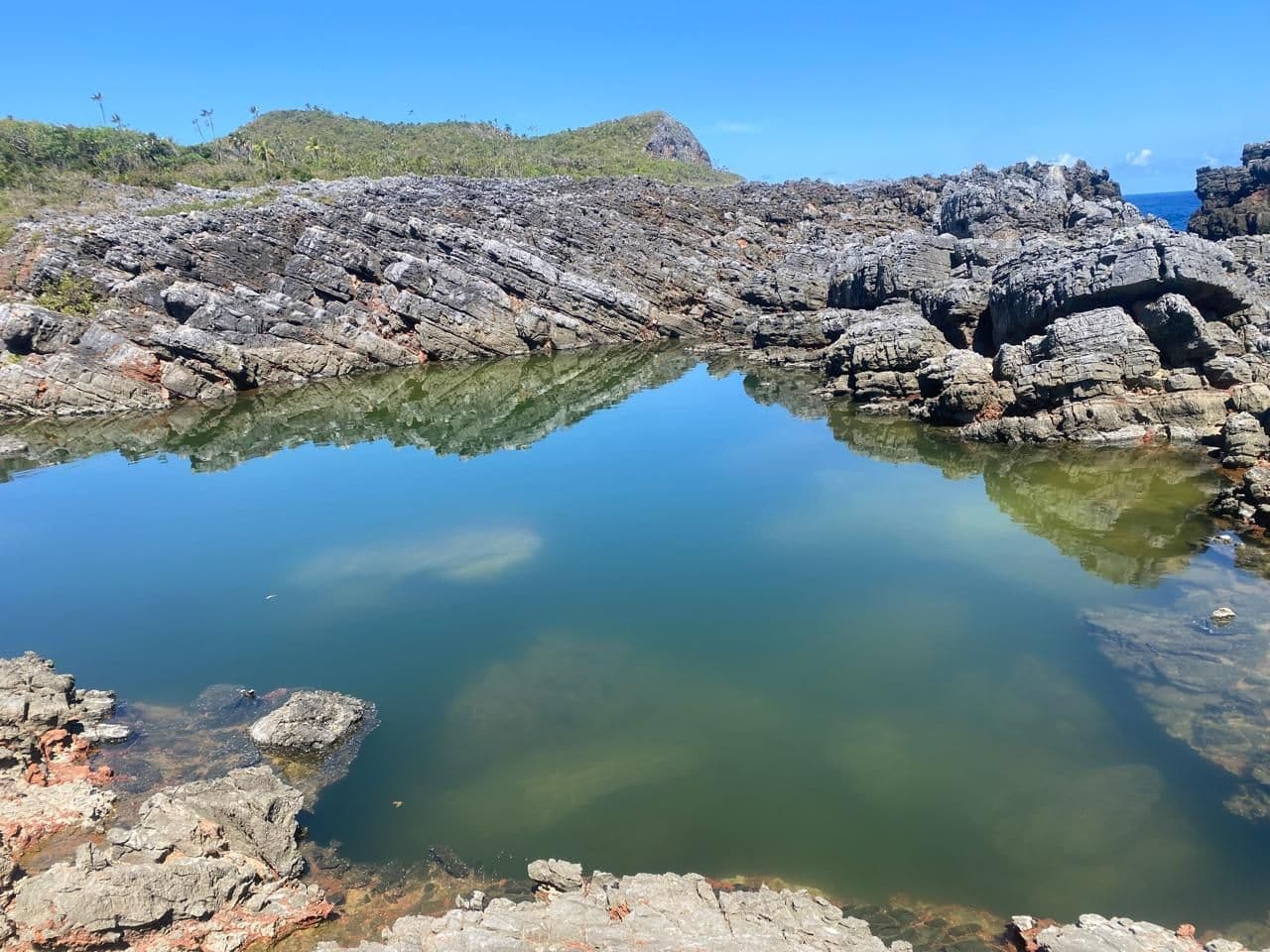
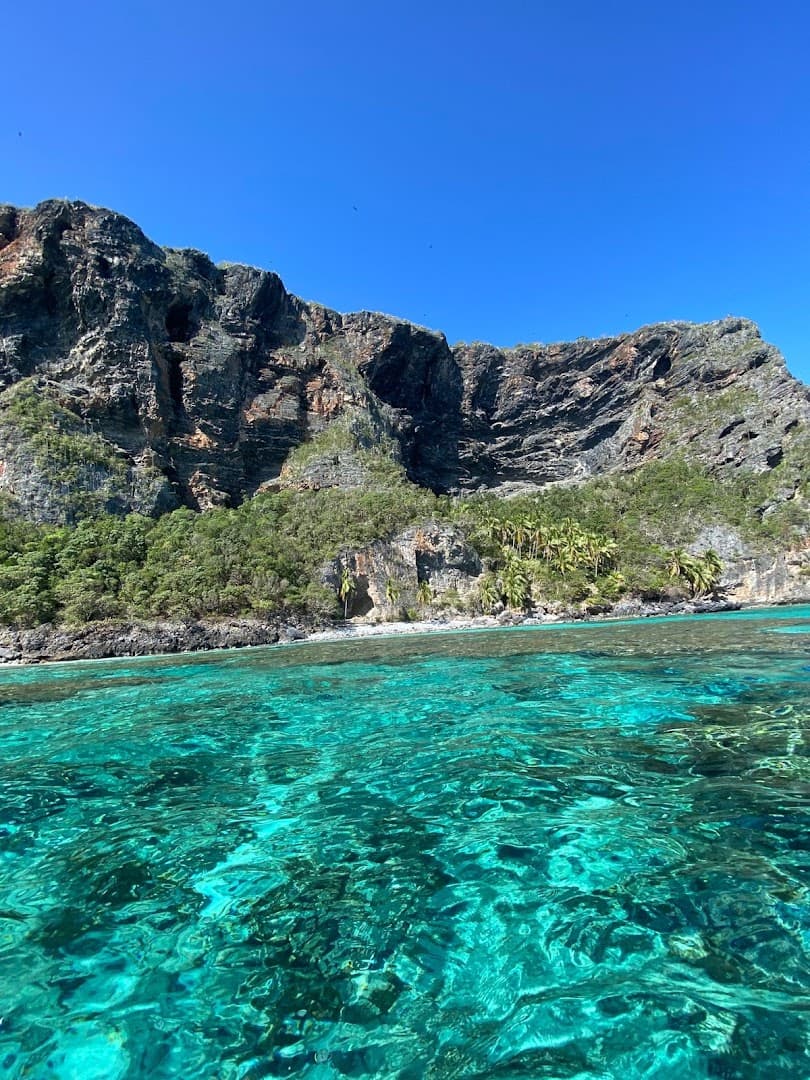

Key Takeaways
Key Takeaways
- The Samaná to Sabana de la Mar ferry (locally called a lancha) crosses Samaná Bay in roughly 45 minutes to 1 hour, far faster than the 3+ hour land route around the bay.
- A one-way ticket costs around RD$300–400 (~$5–7 USD), though prices can shift without much notice, so always confirm at the dock.
- Sabana de la Mar is the main gateway to Los Haitises National Park from the north shore, making this crossing popular with hikers, birdwatchers, and anyone chasing karst-mogote scenery.
- Boats depart from the Samaná malecón (waterfront) and don't run on a rigid printed timetable — they tend to leave when reasonably full, so arriving early matters.
- Sea conditions can get choppy, especially from December to February, so this crossing isn't for everyone — know what you're signing up for.
Crossing Samaná Bay by boat is one of those things nobody warns you about until you're already standing on the dock, salt spray on your sunglasses, wondering if the lancha captain actually meant "fifteen minutes" or "whenever." The Samaná to Sabana de la Mar boat crossing is a genuine slice of local life — part ferry, part adventure, and a dramatically faster way to reach the bay's southern shore than driving around it.
I first took this crossing almost by accident, chasing a tip about a quieter route into Los Haitises National Park. What I found was a scrappy, functional little ferry system that most tourists never hear about, connecting two very different worlds separated by less than 20 kilometers of open water.
Why Cross Samaná Bay by Lancha Instead of Driving?
The short answer: time. The boat gets you from Samaná town to Sabana de la Mar in under an hour, while the overland route means backtracking through Sánchez, skirting the bay on the AutopistaSamaná, and adding at least three to four hours to your day.
Samaná Bay is a wide, horseshoe-shaped inlet on the northeast coast of the Dominican Republic, and there's no bridge connecting the peninsula to the mainland south shore. That geography is exactly why the lancha Samaná Sabana de la Mar route exists — it's not a tourist gimmick, it's the practical choice locals have used for generations to move between the two towns, visit family, sell goods, or reach the mainland for work.
For travelers, it's also simply more interesting. You get open bay views, a decent chance of spotting seabirds or even dolphins, and a genuine sense of arriving somewhere by sea rather than by road.
Who Actually Uses This Route?
- Hikers and nature travelers heading into Los Haitises from the Sabana de la Mar entrance, which some say offers a less crowded experience than the boat tours departing from Samaná itself
- Local commuters and vendors moving between the peninsula and the mainland
- Budget travelers connecting toward El Seibo, Hato Mayor, or onward to the east coast without circling the entire bay
- Curious travelers who simply want an authentic, non-touristy boat experience
If your main goal is whale watching or a beach day, you won't need this crossing — for that, the Whale Watching in Samaná Bay tours departing from Samaná town are the better fit. But if Los Haitises, local culture, or an efficient route south is on your list, the lancha is worth understanding properly.
How Does the Samaná to Sabana de la Mar Ferry Actually Work?
The lancha departs from the public dock area along the Samaná malecón, and boats generally leave once they have enough passengers rather than on a fixed schedule. Expect the crossing itself to take 45 minutes to just over an hour, depending on sea conditions and the specific boat.
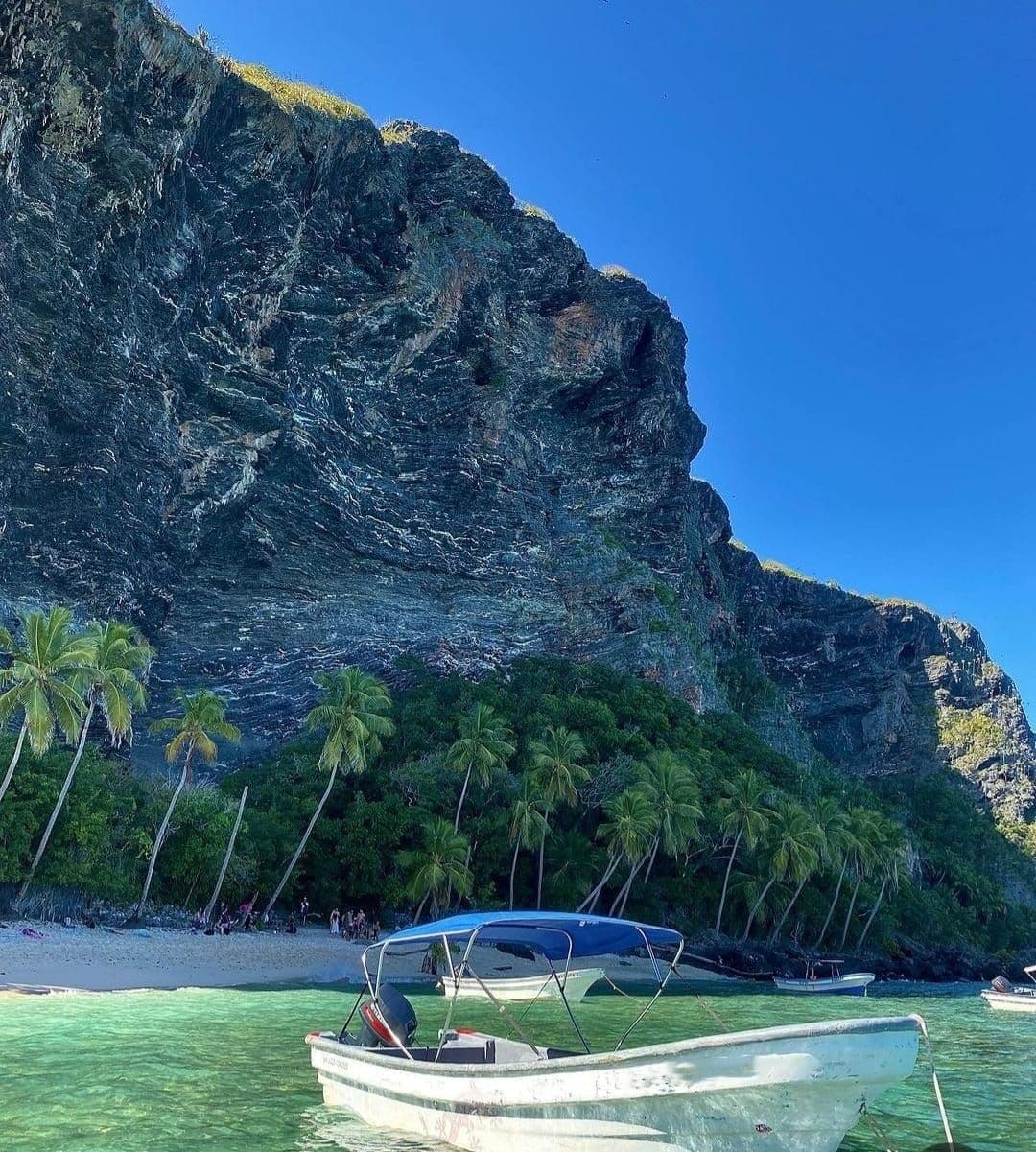
This isn't a polished cruise-ship-style ferry. These are working lanchas — open or semi-covered motorboats designed for practicality, not comfort. Locals board with sacks of produce, motoconcho parts, and the occasional chicken crate, which honestly makes the ride feel more real than any packaged tour.
What to expect on board:
- Wooden or plastic bench seating, sometimes with a canvas or metal roof for shade
- Life jackets should be provided — if they aren't offered, ask
- Limited to no shade on some smaller boats, so sun protection matters
- Engine noise that makes conversation difficult, so don't expect a scenic narrated tour
- Spray coming over the sides in choppier conditions, especially toward the middle of the bay
A Quick Insider Note on Timing
Here's something most guides won't tell you: departures tend to cluster around early morning (roughly 7:00–9:00 AM) and early-to-mid afternoon (around 1:00–3:00 PM), mirroring when locals commute for work, school runs, and market days. If you show up at noon hoping for a boat, you might wait a while — or end up negotiating a private crossing with a captain, which costs considerably more.
I've learned to simply walk the dock, ask around in basic Spanish ("¿A qué hora sale la próxima lancha para Sabana de la Mar?"), and treat the answer as a rough estimate rather than a guarantee. Dominican coastal time runs on its own clock, and that's part of the charm once you stop fighting it.
What's on the Other Side? Sabana de la Mar Explained
Sabana de la Mar is a modest, unpolished fishing and farming town on the southern edge of Samaná Bay, serving mainly as the access point to Los Haitises National Park rather than a beach destination in its own right. Don't expect resorts or a tourist strip — expect a working Dominican town with genuine daily life on display.
The town itself has a relaxed, slightly sleepy rhythm. A handful of colmados (small neighborhood grocery/bar shops) anchor the main streets, motoconchos buzz between errands, and the waterfront has a working-harbor feel rather than a postcard one.
What makes Sabana de la Mar worth the crossing is almost entirely what surrounds it:
- Los Haitises National Park — the southern entrance here offers mangrove channels, limestone mogotes, and cave systems with Taíno pictographs, often with noticeably fewer boats than the Samaná-side tours
- Rural countryside stretching toward Hato Mayor and El Seibo, popular with those road-tripping the less-touristed interior
- A genuine, unfiltered slice of provincial DR life, useful context if you've only experienced the more polished tourist zones of Las Terrenas or Las Galeras
For comparison, if you'd rather explore Los Haitises from the Samaná side with an organized tour, that option exists too — see Los Haitises National Park by Boat for the more established, departure-point version of this experience.
Samaná to Sabana de la Mar: Costs, Times & Comparisons
Here's a side-by-side look at how the boat crossing stacks up against driving around the bay, based on typical 2026 conditions.
| Option | Approx. Cost | Travel Time | Comfort Level | Best For |
|---|---|---|---|---|
| Lancha (ferry) | RD$300–400 (~$5–7 USD) one-way | 45 min–1 hr | Basic, open-air, can be choppy | Budget travelers, Los Haitises access, authentic experience |
| Private driver by road | RD$4,000–7,000+ (~$70–120 USD) | 3–4 hrs | High, A/C, door-to-door | Comfort-focused travelers, groups, luggage-heavy trips |
| Public guagua (bus) around the bay | RD$300–600 (~$5–10 USD) total | 4+ hrs with transfers | Low-moderate, crowded | Budget travelers not in a rush |
| Private boat charter | RD$3,000–6,000+ (~$50–100 USD) | 30–45 min | Moderate-high, flexible timing | Small groups wanting a fixed departure time |
Prices fluctuate with fuel costs and demand, so treat these as 2026 ballpark figures rather than fixed rates — always confirm the price verbally with the captain or dock staff before boarding.
If you're coming from Las Terrenas or planning the wider trip into Samaná province, it's worth first reading up on how to get to Las Terrenas & Samaná to understand how this crossing fits into a bigger itinerary.
Is the Boat Crossing Safe?
Generally yes, but conditions vary and caution is warranted. Samaná Bay can turn choppy with little warning, particularly during the windier months of December through February, so check conditions and trust local guidance on whether to delay a crossing.
A few practical safety notes:
- Confirm there are life jackets on board before departing — don't be shy about asking
- Avoid overloaded boats; if it looks packed beyond comfort, wait for the next one
- Secure phones, cameras, and passports in a dry bag or sealed plastic bag — spray is common
- Check the sky and ask locals if a crossing looks advisable that day; Dominican boat captains generally know their bay well and won't run in genuinely dangerous conditions
- This is not a route with posted real-time schedules online, so flexibility is essential
The Dominican Republic's Ministry of Tourism provides general travel safety guidance on its official tourism site, and it's worth a glance before any inter-regional boat travel if you're new to the country.
What to Know Before You Go
Quick Tips
Quick Tips
- Bring small bills — dock vendors and boat operators rarely have change for large denominations
- Wear quick-dry clothing; spray over the sides is common even on calm days
- Arrive 30–45 minutes early, especially for the morning departures, since boats leave once full
- Pack snacks and water — there's little to buy once you're on the water or immediately upon arrival in Sabana de la Mar
- If you get seasick easily, take precautions beforehand; the open bay can have a noticeable swell
- Basic Spanish phrases go a long way — dock staff and captains rarely speak much English on this particular route
Insider Tip: Combine It With a Los Haitises Morning
Here's a move few visitors think of: cross early on the lancha, arrange a local boat guide in Sabana de la Mar for a Los Haitises mangrove tour, then return to Samaná on an afternoon departure. It turns a simple ferry crossing into a full, memorable day — and you'll see the park's limestone islets from an angle that most Samaná-based tours never show you, since they typically approach from the opposite side of the bay.
Does the Ferry Run Every Day?
Generally, yes — lanchas operate daily, but frequency drops on Sundays and during major holidays like Semana Santa, when fewer people commute for work. It's not a service that pauses entirely, but the gaps between departures can stretch longer.
If you're planning this trip around a specific date, it's worth checking locally a day or two ahead rather than relying on fixed assumptions, since this is an informal transport network run by independent operators rather than a single ferry company with published timetables.
Planning the Rest of Your Samaná Trip
A Sabana de la Mar crossing pairs naturally with a broader exploration of the peninsula. Many travelers base themselves in Samaná town or Las Terrenas and treat this boat trip as a one- or two-day detour rather than the centerpiece of their stay.
While you're in the region, it's worth building out the rest of your itinerary around the peninsula's better-known highlights:
- The beaches and boat trip to Cayo Levantado, often called "Bacardi Island"
- The hike to El Limón Waterfall, one of the most-visited spots on the peninsula
- The wild, undeveloped stretch of Playa Rincón, frequently ranked among the best beaches in the Dominican Republic
- A broader look at things to do in Samaná if you're still shaping your trip
If you're curious about the fishing culture that shapes towns like Sabana de la Mar and Samaná alike, the piece on fishing villages of Samaná offers useful context on how these coastal communities actually function day to day.
Final Thoughts on Crossing Samaná Bay
The Samaná to Sabana de la Mar boat crossing isn't glamorous, and it isn't trying to be. It's a working transport route that happens to double as one of the more genuine travel experiences available on this side of the Dominican Republic — open water, real local life, and a destination that rewards travelers willing to skip the polished tourist script.
Whether you're chasing a quieter angle on Los Haitises, connecting toward the island's interior, or simply curious what's across the bay, the lancha gets you there faster than any road ever could. Browse more ways to plan your crossing and connecting activities on Exploras, and let the rest of your Samaná itinerary come together around it.
Sources
Frequent visitor | Montreal-based travel writer, 9 trips to Samaná
Marc started coming to Samaná as a tourist and never really stopped. He writes from the perspective of a Canadian traveler who's made every mistake so you don't have to — wrong season, wrong operator, wrong transportation. His content is direct, skepticism-first, and built on repeat experience rather than press trips.
Plan your Samaná adventure
Explore the top tours and experiences near this guide — arranged directly with the operator.
Browse all experiencesRelated Articles.

Amber Cove, Dominican Republic: Port Guide & Best Excursions (2026)
What's inside Carnival's Amber Cove port in Puerto Plata, what costs extra, how to get out on your own, and which excursions fit one port day.

Puerto Plata Cruise Port Guide: Amber Cove & Taíno Bay (2026)
Amber Cove or Taíno Bay? What is inside each Puerto Plata cruise terminal, what you can walk to, taxi prices, and which excursions fit into a port day.

Samaná in the Rainy Season: What to Do and When It Rains
A local's guide to the Samaná rainy season — when it actually rains, what still works, and how to turn a wet afternoon into one of the best parts of your trip.