
Best Time to Visit the Dominican Republic: Weather & Prices 2026
A month-by-month guide to the Dominican Republic: dry and wet seasons, hurricane risk, December weather, peak prices and the best months for whales, carnival and mountains.
By Marc Tessier
Frequent visitor | Montreal-based travel writer, 9 trips to Samaná. Marc started coming to Samaná as a tourist and never really stopped. He writes from the perspective of a Canadian traveler who's made every mistake so you don't have to — wrong season, wrong operator, wrong transportation. His content is direct, skepticism-first, and built on repeat experience rather than press trips.
Experiences for this trip
See all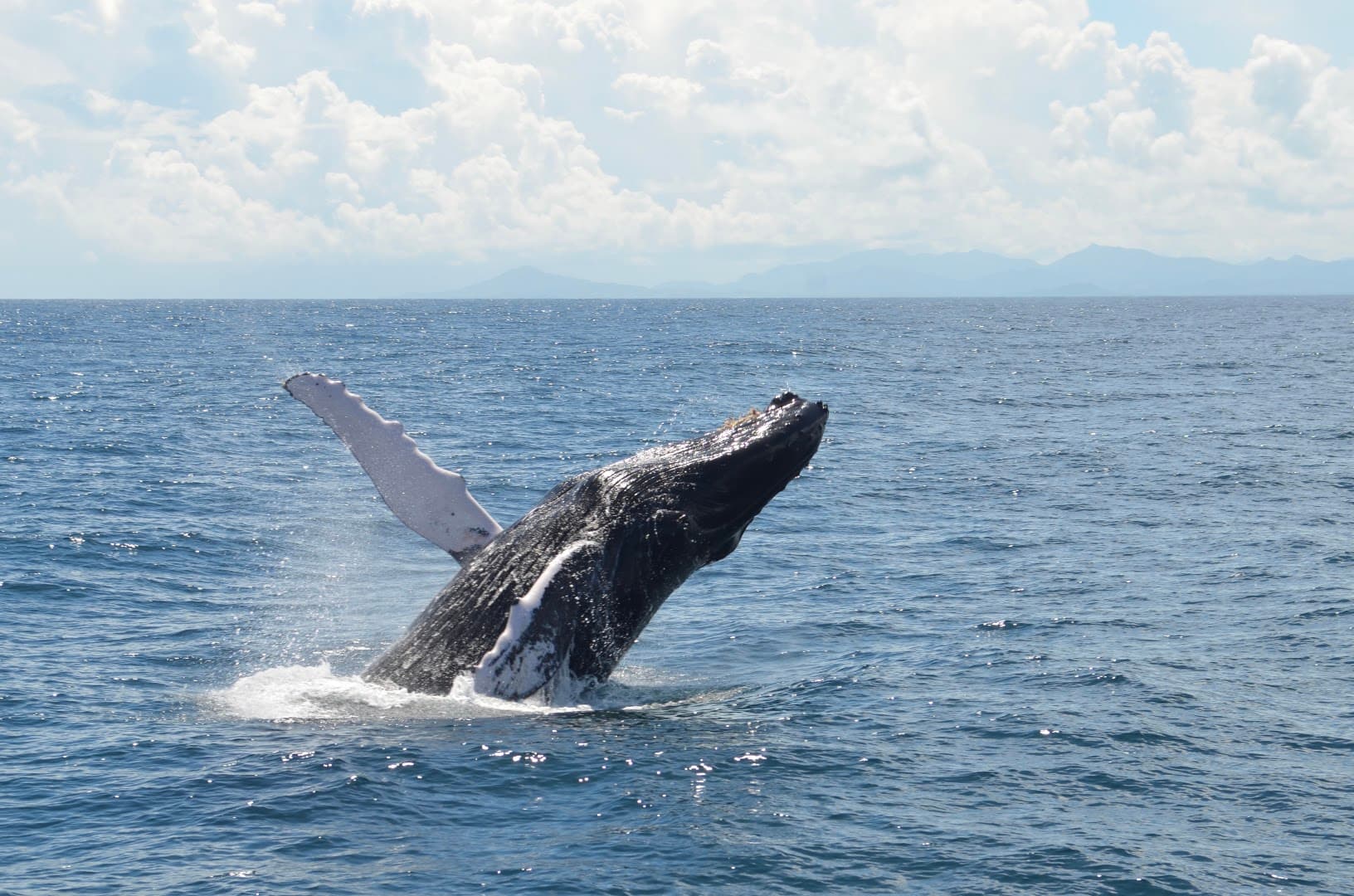
The best time to visit the Dominican Republic is from December to April, during the dry season. Humidity is lower, rain is rare on the south and east coasts and the sea is calm for beach days. For lower prices, go in May or November. Plan around the June to November hurricane season, which peaks from August to October.
That is the short answer. The longer answer is more interesting, because this country is bigger and more varied than most first-timers expect. My first January here, I left a cloudless morning in Santo Domingo. That evening I was pulling on a sweater by a wood fire in Constanza. A week later I was in Samaná, where a warm shower blew in, soaked the palm fronds and was gone before my coconut water was finished.
I've spent years going back and forth across the island, in every month of the calendar. This guide covers what each season really feels like and how prices move. It also explains how to time your trip around the things worth crossing an ocean for.
Best Time to Visit the Dominican Republic: Month-by-Month at a Glance
The Dominican Republic is warm all year. Daytime temperatures on the coast change much less between seasons than in Europe or North America. What changes is the rain, the humidity, the hurricane risk and, most of all, how full the hotels are.
Here is how the year breaks down. The weather notes are general national patterns. Individual years vary.
| Month | Weather (general pattern) | Crowds & prices | Highlight |
|---|---|---|---|
| January | Dry and breezy in the south and east; some showers on the north coast | High | Whale season opens in Samaná Bay |
| February | Dry, sunny, pleasant evenings | High | Carnival every weekend; whales at their peak |
| March | Dry and warming up | High, spikes at Easter | Last weeks of whale season |
| April | Warm, mostly dry, first showers late in the month | High at Semana Santa, then easing | Mountain hiking, quieter beaches after Easter |
| May | Rainy season begins, humid | Low to shoulder | Green landscapes, good deals |
| June | Hot, afternoon showers; hurricane season opens | Moderate | Waterfalls flowing well |
| July | Hot and humid | Busier (summer holidays) | Family travel, local holiday atmosphere |
| August | Hot, humid, rising storm risk | Moderate | Calm early mornings at the beach |
| September | Peak hurricane risk, wettest stretch in many areas | Lowest | Deepest discounts |
| October | Still peak storm risk, frequent showers | Low | Quiet, lush countryside |
| November | Rain easing in the south; hurricane season ends 30 Nov | Shoulder | Good value before the holidays |
| December | Warm and mostly dry; cool mountain nights | Peak at Christmas and New Year | Festive season, beach weather |
A note on regional differences
The island's mountains split its weather. The east and south coasts (Punta Cana, Bayahíbe, Santo Domingo) are generally the driest. The north coast, including Puerto Plata, Cabrera and the Samaná Peninsula, faces the trade winds. That is why it stays so green, and why it can get showers when the rest of the country is dry.
The Cordillera Central around Jarabacoa and Constanza is its own world. Days are mild and nights can be properly cold in winter, especially in Constanza, which sits in a high valley.
Sponsored
When Is Dominican Republic Hurricane Season, and Should You Avoid It?
Dominican Republic hurricane season runs from 1 June to 30 November, the same as the official Atlantic hurricane season. The highest risk is from August through October. You don't have to avoid these months, but you should book flexibly and keep an eye on forecasts.
Most of the time, "hurricane season" just means hot, humid days and a heavy downpour in the afternoon. Then the sky clears and the streets steam. Direct hits are not an every-year event. They do happen, though. In September 2022, Hurricane Fiona made landfall on the east coast and caused serious damage around the Punta Cana region.
How to travel smart in storm season
- Book refundable or flexible rates for flights and accommodation in August, September and October.
- Buy travel insurance before a storm is named. Most policies won't cover a storm that already has a name when you buy.
- Follow the official forecasts from the U.S. National Hurricane Center. Storms are tracked for days before they arrive, so you rarely get caught off guard.
- Leave slack in your itinerary. Boat trips and mountain roads are the first things cancelled in bad weather.
- June, July and November carry lower risk than the core peak. They are a sensible compromise if you want lower prices.
I've spent several Septembers on the north coast. The pattern I've learned is simple: do your outdoor plans early in the morning. By mid-afternoon the clouds build over the hills, and by evening the frogs are louder than the merengue from the corner colmado (the small neighbourhood shop that doubles as a social hub).
What Is Dominican Republic Weather in December Really Like?
Dominican Republic weather in December is warm, mostly sunny and noticeably less humid than in summer. Beach days are reliable in Punta Cana, La Romana and around Santo Domingo. The north coast can see brief showers, and nights in the central mountains get chilly.
December is my favourite month for a mixed trip. The light is soft and golden, the sea has cooled just enough to feel refreshing and the trade winds keep evenings comfortable. Hurricane season ended on 30 November, so storm worries are behind you.
What to expect around the country in December
- Punta Cana and the east: classic beach weather, dry and bright. This is the busiest corner of the country at Christmas.
- Santo Domingo: pleasant for walking the Zona Colonial, with Christmas lights and the smell of roasting pork from family gatherings.
- Puerto Plata, Cabrera and Samaná: warm and green. Expect the odd passing shower, especially when a cold front reaches the north coast. Showers rarely last long.
- Jarabacoa and Constanza: crisp mornings and cold nights. Pack a fleece. Locals bundle up in a way that amuses visitors from snowy countries.
Christmas in the Dominican Republic
December is family month. Many Dominicans living abroad fly home, and the Christmas season feels festive everywhere. You'll hear aguinaldos (traditional Christmas songs) and smell pastelitos frying at roadside stands.
The flip side: flights fill up, prices peak between Christmas and New Year and some local businesses close on 24, 25 and 31 December and on 1 January. Book early if your dates are fixed.
How Do Prices Change Through the Year?
Prices are highest from mid-December to April, peaking at Christmas, New Year and Semana Santa (Easter week). They drop to their lowest from late August through October. May, June and November are the best value months, when the weather is still decent.
I won't give you specific hotel rates, because they vary too much by resort, region and booking window to be useful. The pattern below holds across the country, though.
High season: mid-December to April
This is when North American and European winter travellers arrive. All-inclusive resorts in Punta Cana and Puerto Plata charge their top rates. Popular excursions need booking ahead. Easter week is especially busy because Dominicans also travel then, heading to beaches and rivers in huge numbers.
Insider tip: during Semana Santa, beaches near the big cities and popular river spots get packed with families, music and coolers. It's a joyful, very Dominican scene. If you want quiet sand, go to a more remote beach or travel the week after Easter instead.
Shoulder season: May, June and November
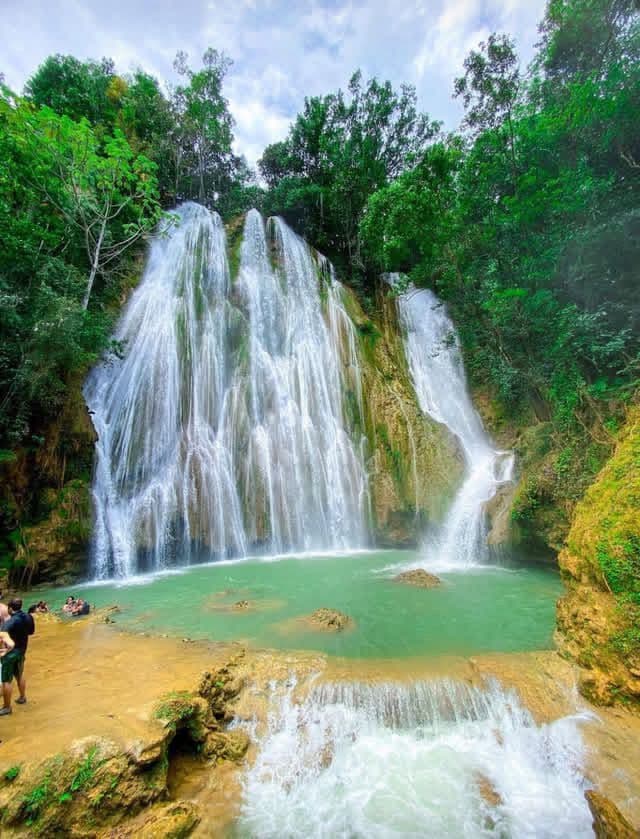
My favourite value window. You get warm sea, fewer people and noticeably better rates. Showers are usually short. In May and June the countryside turns a vivid green, and waterfalls such as Salto de Jimenoa and Salto El Limón run strong.
Low season: late August to October
This is the cheapest time to visit and the quietest. It also carries the highest hurricane risk. If your dates are flexible and you book refundable, it can be a bargain. Keep in mind that some smaller guesthouses and restaurants in beach towns close for a few weeks for repairs or holidays.
July and early August sit in between. School holidays bring Dominican and international families, so prices rise again for a while.
Matching the Season to What You Want to Do
Weather is only half of the decision. Some of the country's best experiences only happen at certain times, and I'd plan around them first.
Whale watching in Samaná: January to March
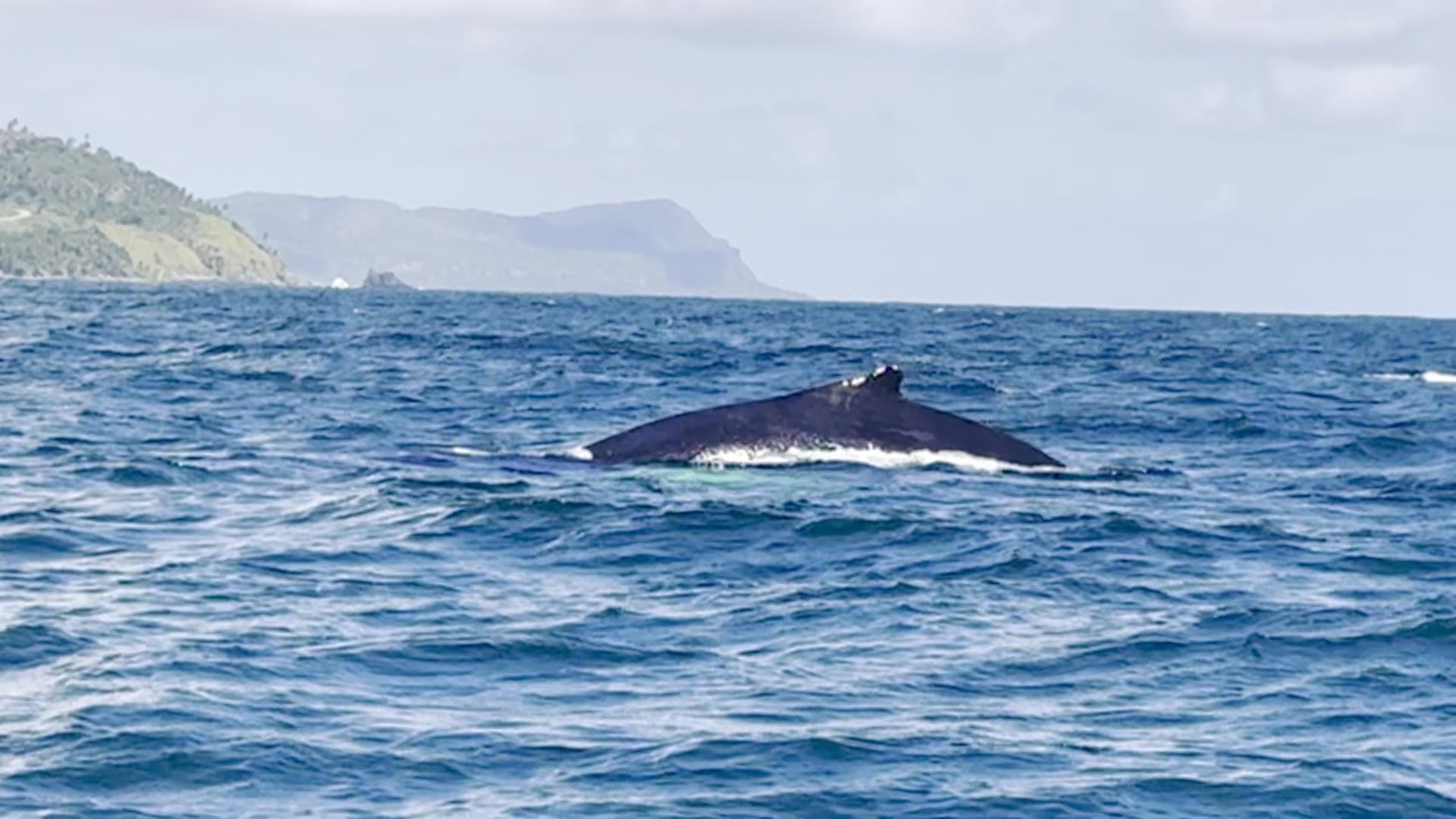
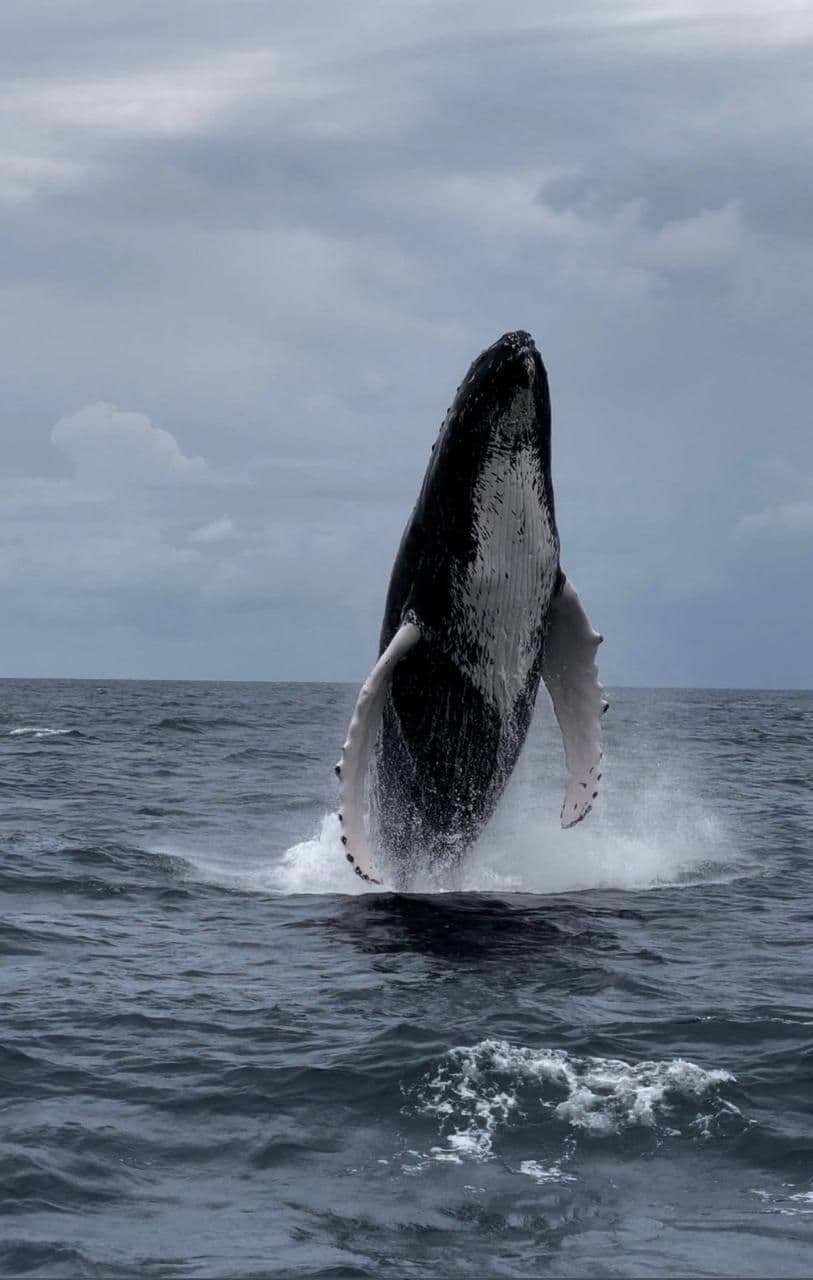
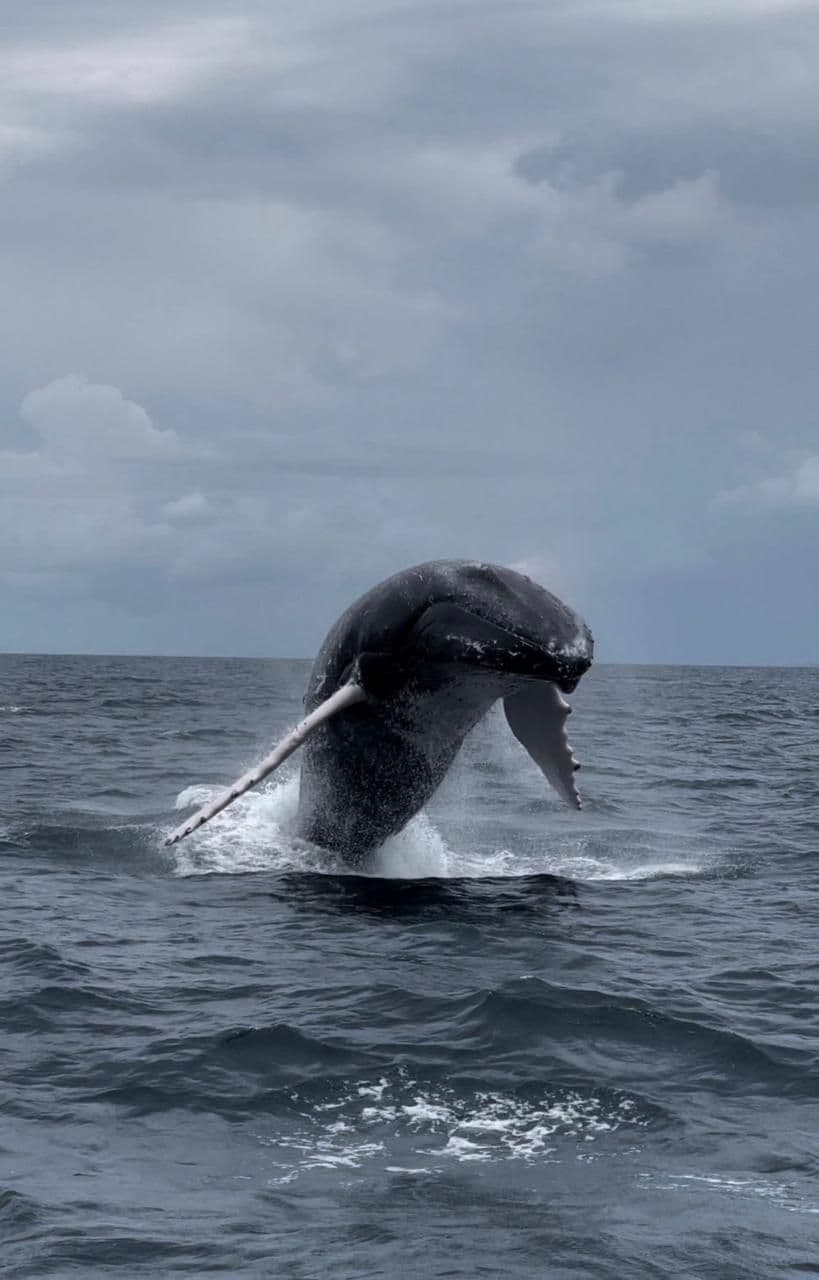
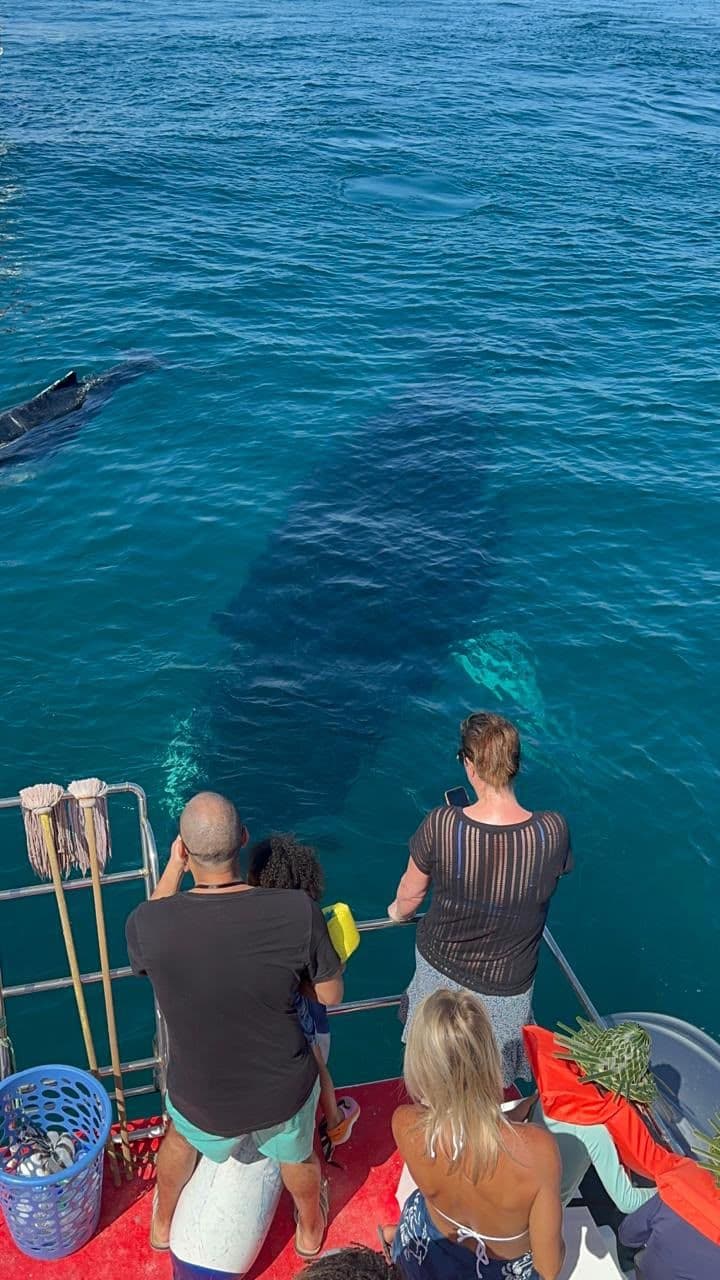
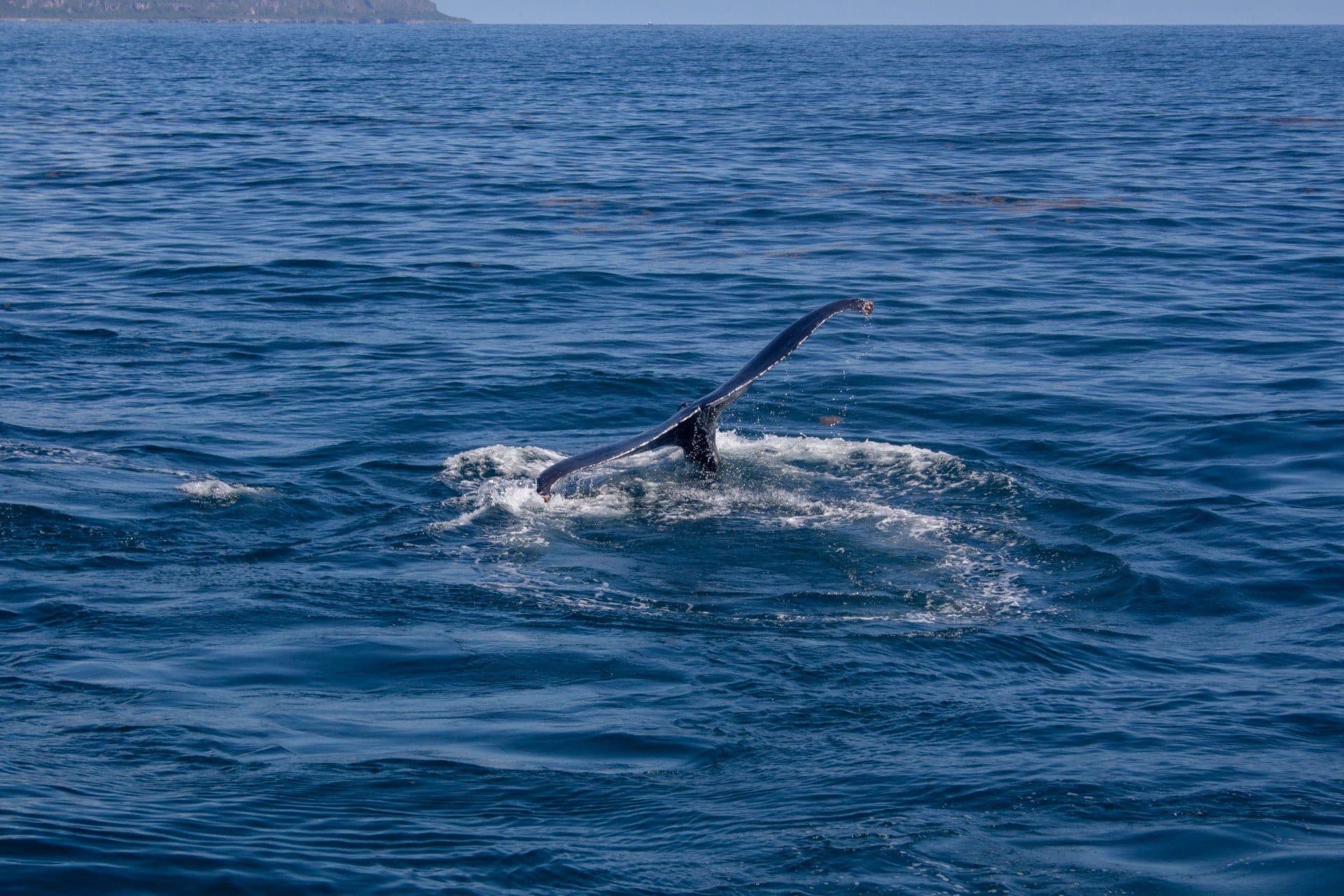
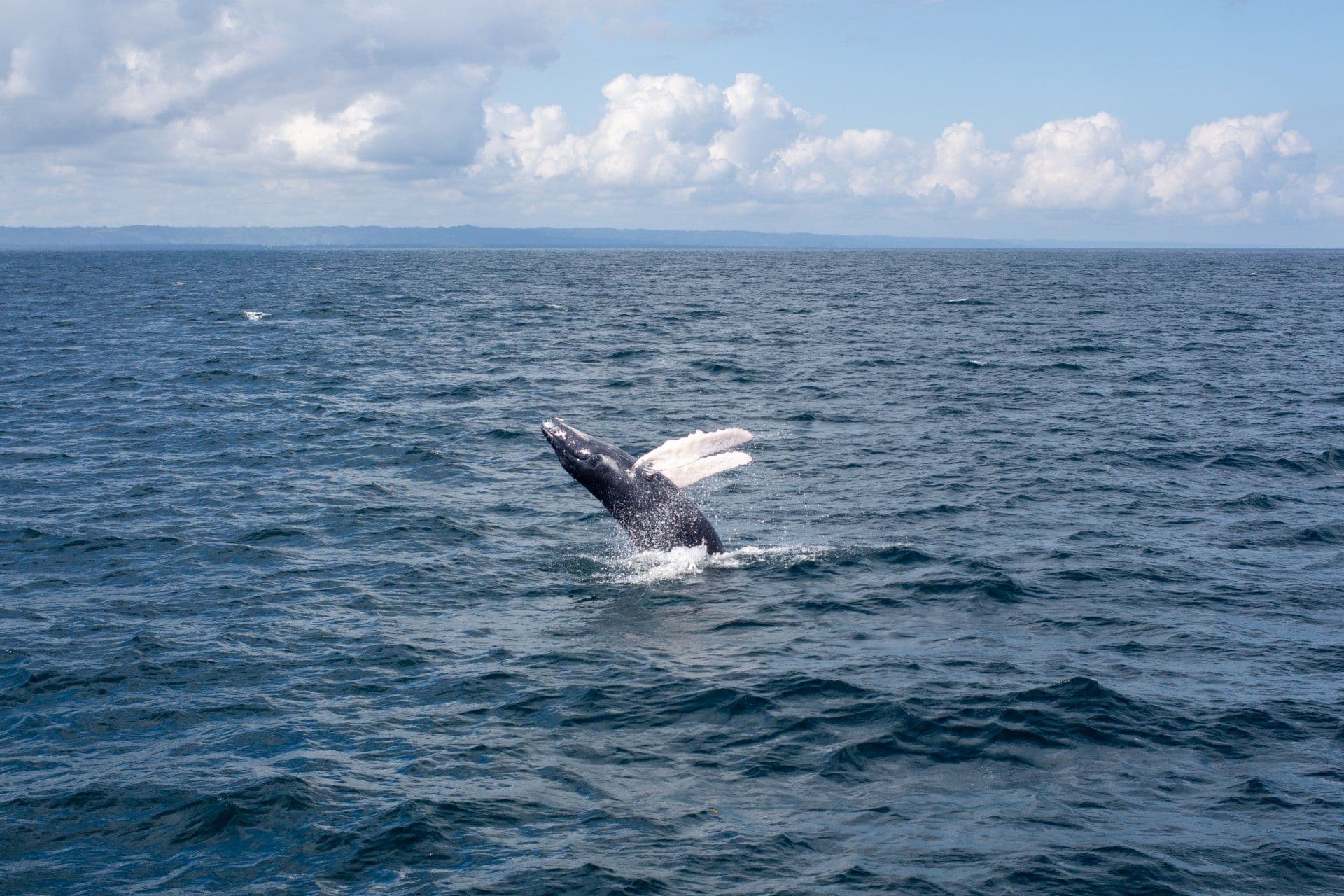
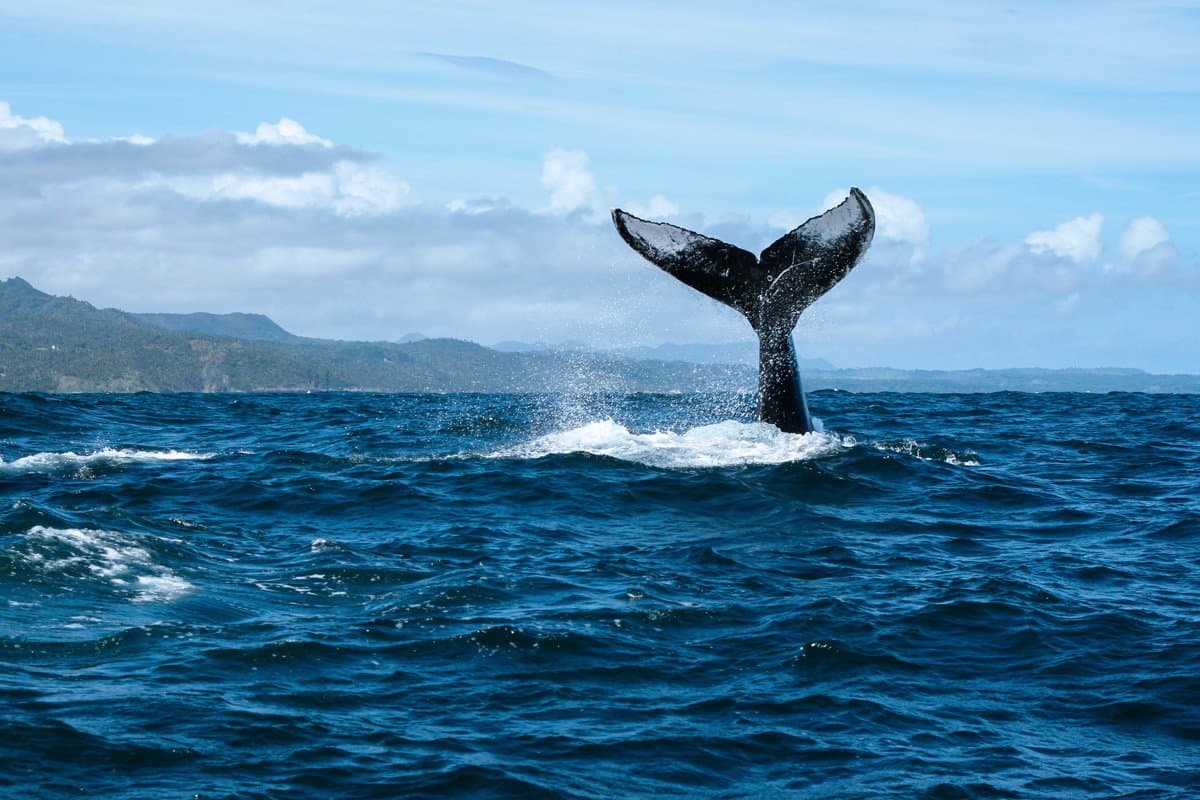
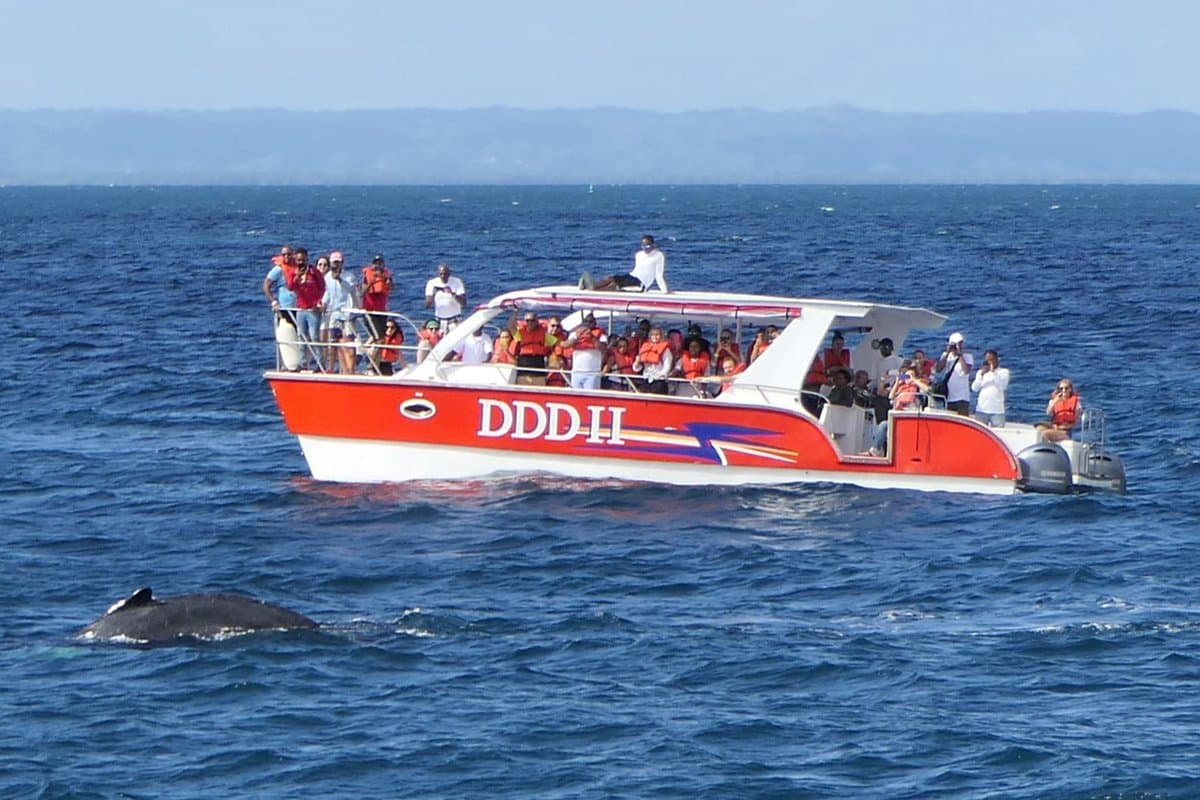
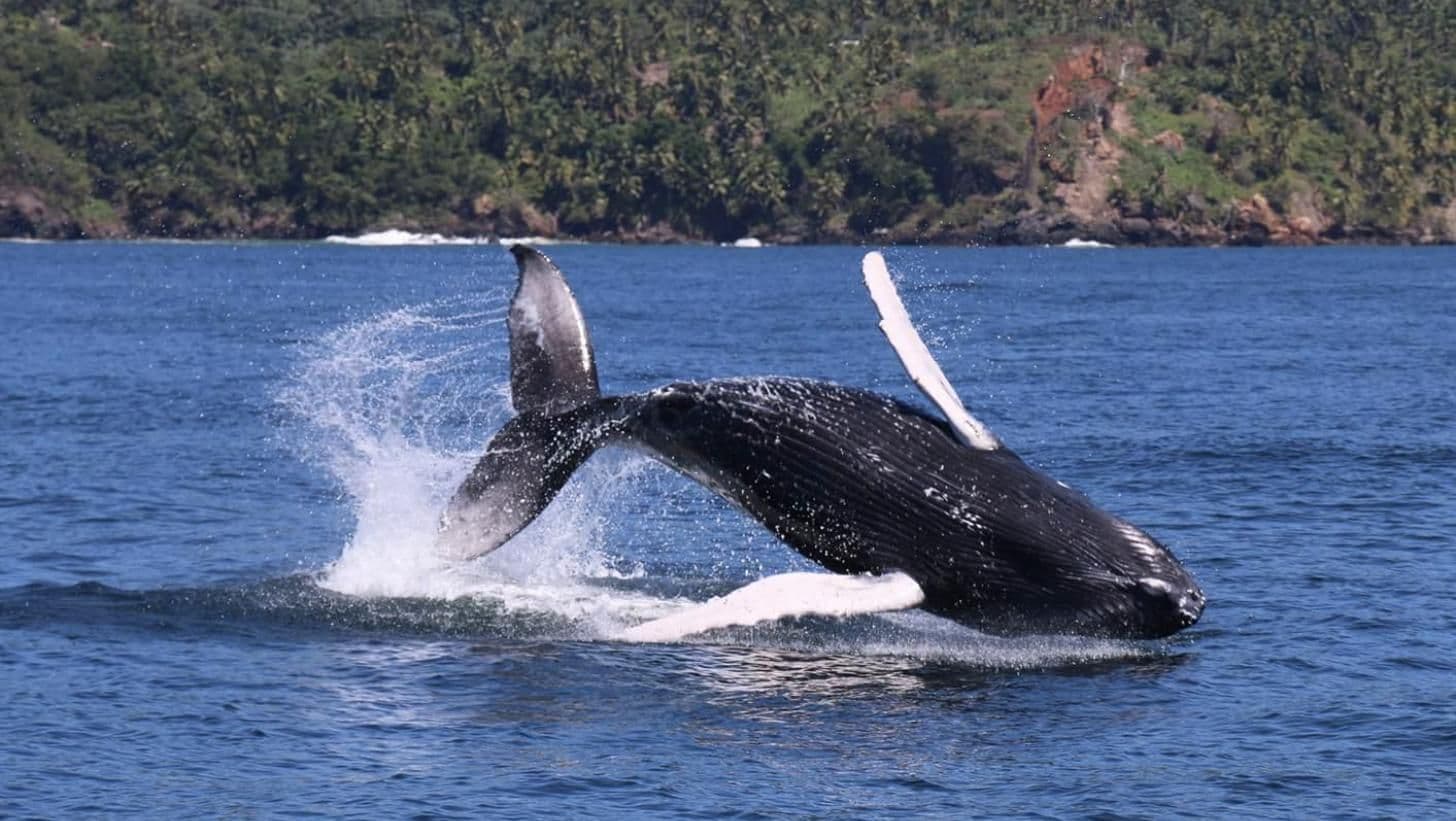
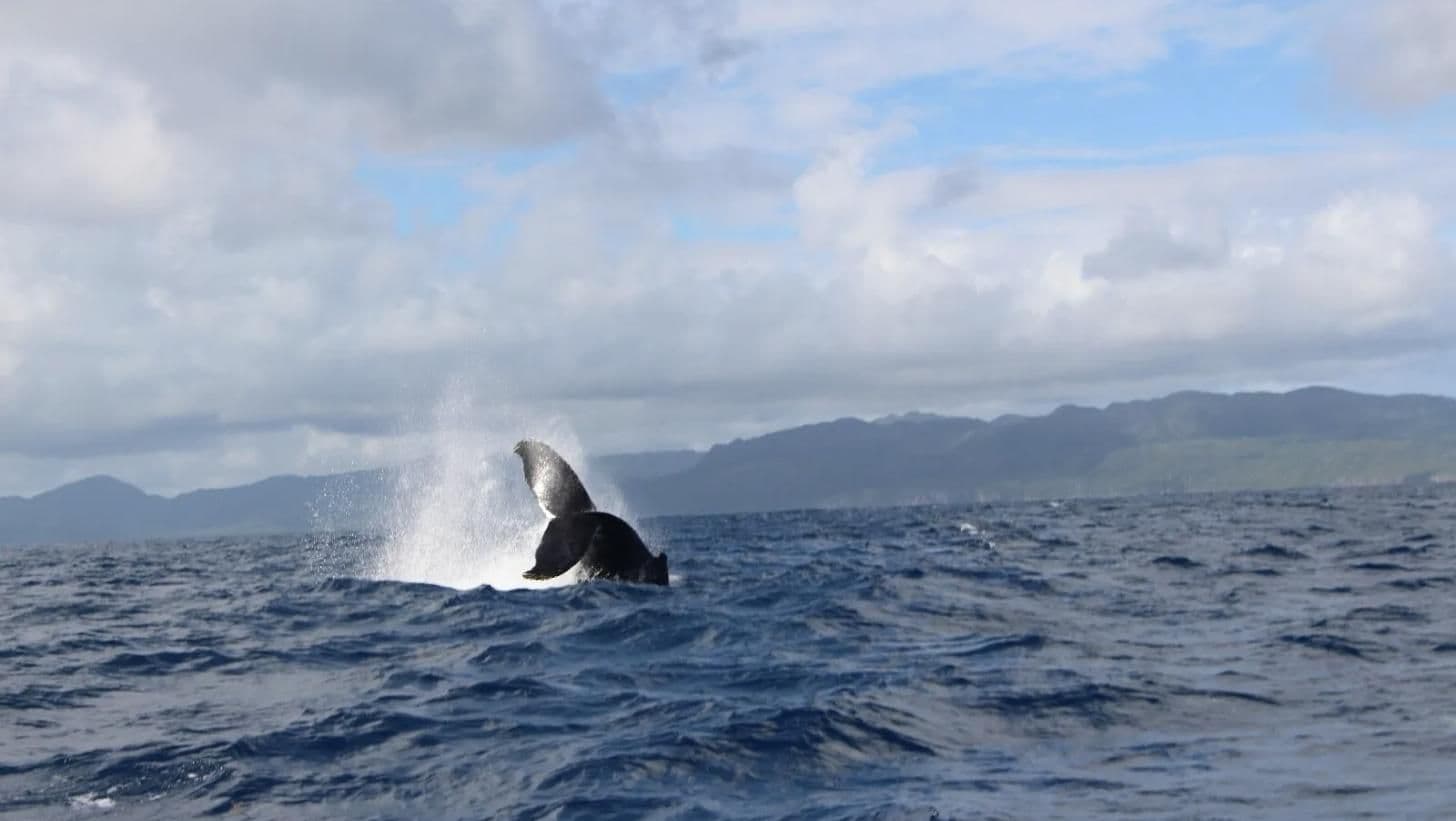
Every winter, thousands of North Atlantic humpback whales come to the warm waters off the Dominican Republic to mate and give birth. Samaná Bay is the most accessible place to see them, and the season runs roughly from mid-January to late March. February is usually the strongest month.
I've watched a calf practise breaching beside its mother there, again and again, while the whole boat cheered. If this is on your list, read our guide to whale watching in Samaná Bay, where you can contact local boat operators directly. Exploras only lists operators on the Samaná Peninsula, so this is where we can help with bookings.
Carnival: February
Dominican Carnival takes over towns every weekend in February. Its biggest moments are around 27 February, Independence Day. Santiago's lechones, La Vega's diablos cojuelos and the masked characters of Santo Domingo all bring something different. Our guide to Dominican Republic Carnival 2026 covers the dates, the masks and which towns to choose.
Hiking and the mountains: December to April
The dry season is the best time for trekking in the Cordillera Central. Trails are firmer, river crossings are lower and summit views are clearer. If you're thinking about the Caribbean's highest peak, our Pico Duarte hike guide explains the routes, the permits and when to go. Bring proper warm layers, because nights near the summit can drop close to freezing in winter.
Beaches: almost all year, with caveats
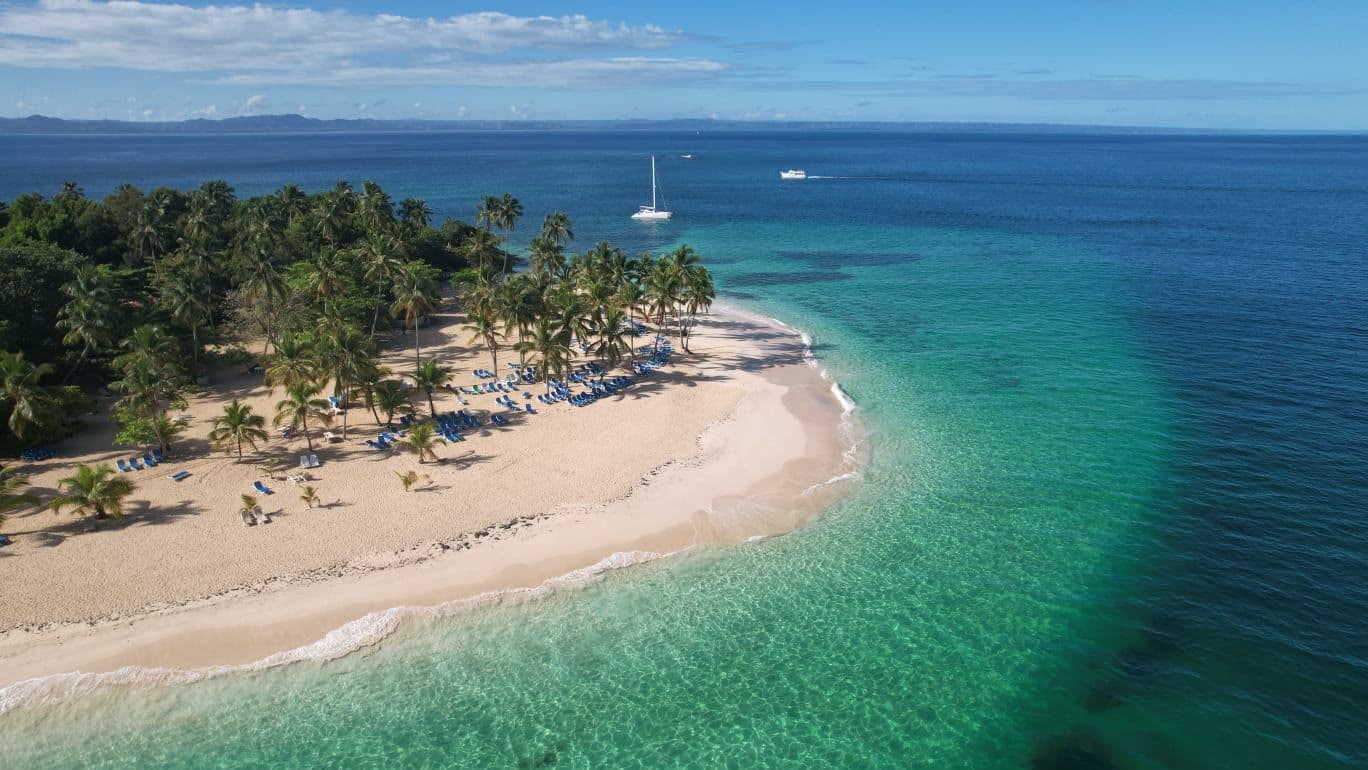
Beach weather is reliable from December to April, and many summer days are just as gorgeous. One thing has changed in recent years: sargassum seaweed has tended to wash onto some east- and south-facing beaches, mostly in the warmer months. How much arrives varies a lot from year to year and beach to beach. Before booking a summer stay, check recent local reports.
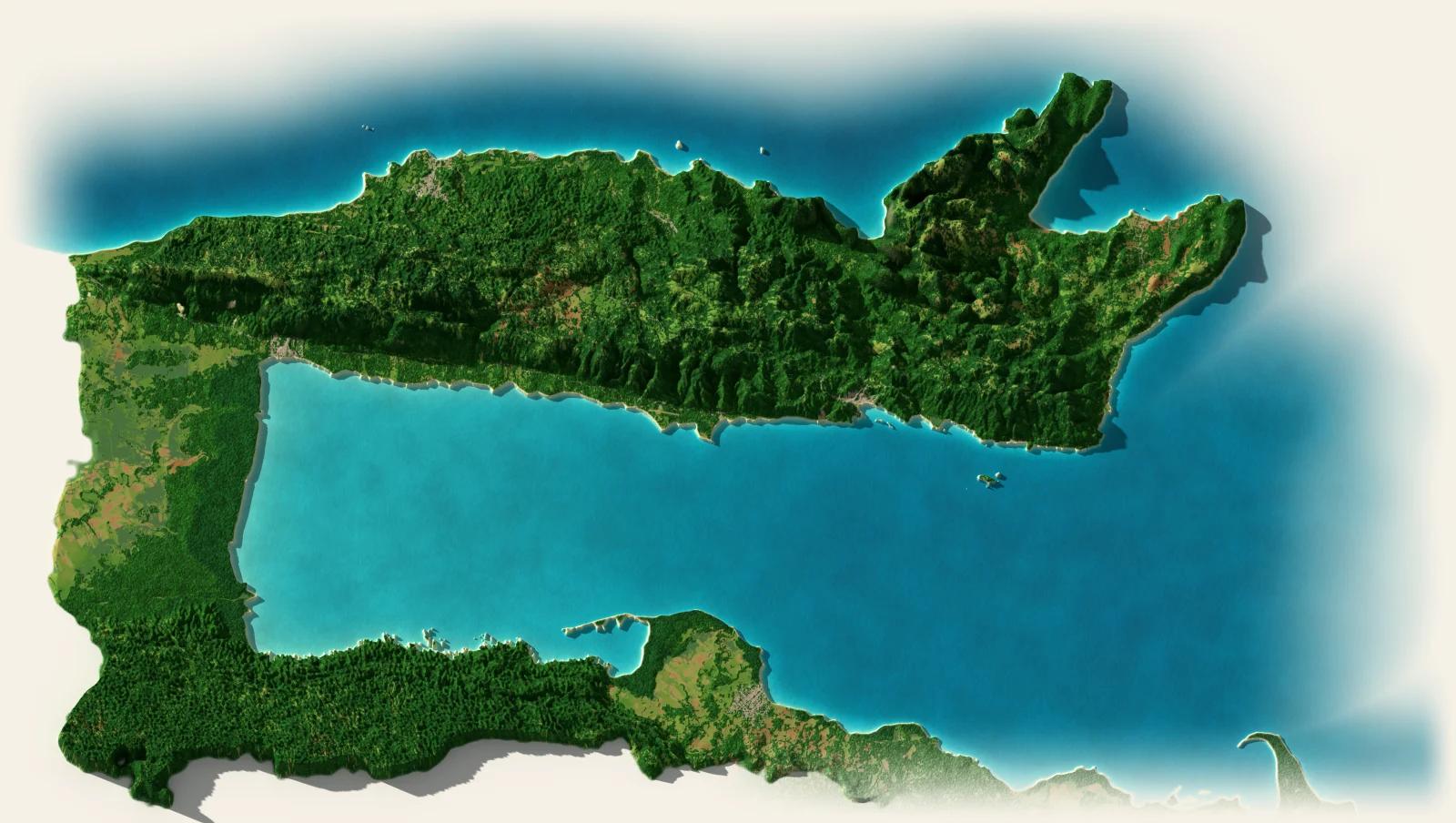
Samaná's beaches, such as Playa Rincón and Playa Frontón, have their own appeal in the quieter months. For an overview of what the peninsula offers in any season, see our things to do in Samaná hub.
Waterfalls and green landscapes: May to November
The rainy months bring the waterfalls to full power and turn the hills an almost electric green. Trails can be muddy, so go with a guide and good shoes. Rivers can also rise quickly after heavy rain upstream, so never swim in a river pool during or right after a storm.
Quick Tips
Quick Tips
- Book Christmas, New Year and Easter trips months ahead, because both international visitors and Dominicans travel at those times.
- Plan outdoor activities for the morning in the rainy season. Afternoon storms are the norm from June to October.
- Pack a light rain jacket all year if you're heading to the north coast or Samaná, and a warm layer for the mountains from December to March.
- Check the National Hurricane Center in the days before travel between June and November.
- Use reef-safe sunscreen and a hat. The tropical sun is strong in every month, including the "cool" ones.
- Carry some cash in Dominican pesos for small colmados, roadside fruit stands and motoconchos (motorbike taxis), especially in rural areas.
So, When Should You Go?
To sum it up: the best time to visit the Dominican Republic for most people is December to April, when the weather is driest and most comfortable. Pick mid-January to March if you want humpback whales in Samaná. Pick February for Carnival. Choose May, June or November for good weather at lower prices and with fewer crowds.
Travel in August to October only if you're flexible, insured and happy to trade some risk for big discounts. Whatever month you pick, expect warm sea, loud and joyful music somewhere nearby and at least one afternoon when the sky opens up for twenty minutes and then gives you back the sun.
If Samaná is part of your route, you can plan your days in Samaná by answering a few quick questions and getting your days laid out with local hosts. The whales, waterfalls and empty beaches will be there whenever you come.
Key Takeaways
Key Takeaways
- The best time to visit the Dominican Republic for most travellers is December to April: drier, less humid and best for beaches. It is also the most expensive stretch.
- Dominican Republic hurricane season runs from 1 June to 30 November, and the highest risk falls between August and October. Many trips in those months go ahead with nothing worse than afternoon storms.
- December is warm and mostly sunny. Expect peak prices from Christmas to New Year, passing showers on the north coast and cool nights in the mountains.
- The weather changes by region. Punta Cana and the south coast are drier. Samaná and the north coast are greener and wetter. Jarabacoa and Constanza are cooler all year.
- Humpback whales visit Samaná Bay from mid-January to late March, and Carnival fills February. These events matter more than small weather differences when you choose your dates.
Book your excursion
Pick one, see the photos and prices, and write to the host on Exploras.

Got a question? Ask us
We answer right away, with verified local hosts.
Sources
Photo by Federica Bisso on Unsplash


