Whale Watching Season in Samaná: Complete Guide to Humpback Whales.

Photo by Honey Yanibel Minaya Cruz on Unsplash
Discover the magic of whale watching in Samaná Bay, Dominican Republic. Learn when humpback whales arrive, best tour options, and insider tips for an unforgettable experience.
Every winter, something magical happens in the crystal-clear waters of Samaná Bay. Thousands of humpback whales make their epic journey from the North Atlantic to these warm Caribbean waters, transforming the Dominican Republic's northeastern coast into one of the world's premier whale watching samaná destinations. For three months, these gentle giants turn Samaná Bay into nature's most spectacular theater, offering visitors front-row seats to one of the ocean's greatest shows.
When Do Humpback Whales Visit Samaná?
The samaná whale season runs from mid-January through late March, with peak activity typically occurring in February and early March. During this time, an estimated 3,000 to 5,000 humpback whales dominican republic waters become home to, making it one of the largest concentrations of humpback whales in the North Atlantic.
These magnificent creatures travel over 5,000 miles from their feeding grounds in the North Atlantic to reach Samaná's protected waters. They come here for one primary purpose: to mate, give birth, and nurse their calves in the bay's warm, shallow waters that provide perfect conditions for these crucial life events.
Peak Viewing Times
- January 15-31: Early arrivals, fewer crowds, excellent photography conditions
- February 1-28: Peak season with maximum whale activity and breeding behaviors
- March 1-31: Mothers with newborn calves, incredibly touching family scenes
Why Samaná Bay is Special for Whale Watching
Samaná Bay isn't just another whale watching destination—it's a UNESCO-designated sanctuary that offers unique advantages for both whales and whale watchers. The bay's geography creates a natural amphitheater where whales feel safe to engage in their most intimate behaviors.
Unique Geographic Features
Shallow, Protected Waters: The bay's average depth of 40-60 feet provides ideal conditions for whale births and calf nursing. The surrounding mountains create natural windbreaks, keeping waters calm even when the Atlantic is rough.
Nutrient-Rich Environment: While humpback whales don't feed during their stay in Samaná, the bay's rich marine ecosystem supports the small fish that occasionally supplement their diet, helping maintain their energy for the long journey back north.
Multiple Viewing Angles: Unlike open-ocean whale watching, Samaná Bay allows boats to position themselves strategically, offering 360-degree viewing opportunities as whales surface, breach, and play.
What You'll See During Your Whale Watching Experience
A whale watching tour in Samaná offers far more than just glimpses of distant spouts. The bay's intimate setting allows for incredibly close encounters (while maintaining respectful distances) and spectacular whale behaviors rarely seen elsewhere.
Common Whale Behaviors
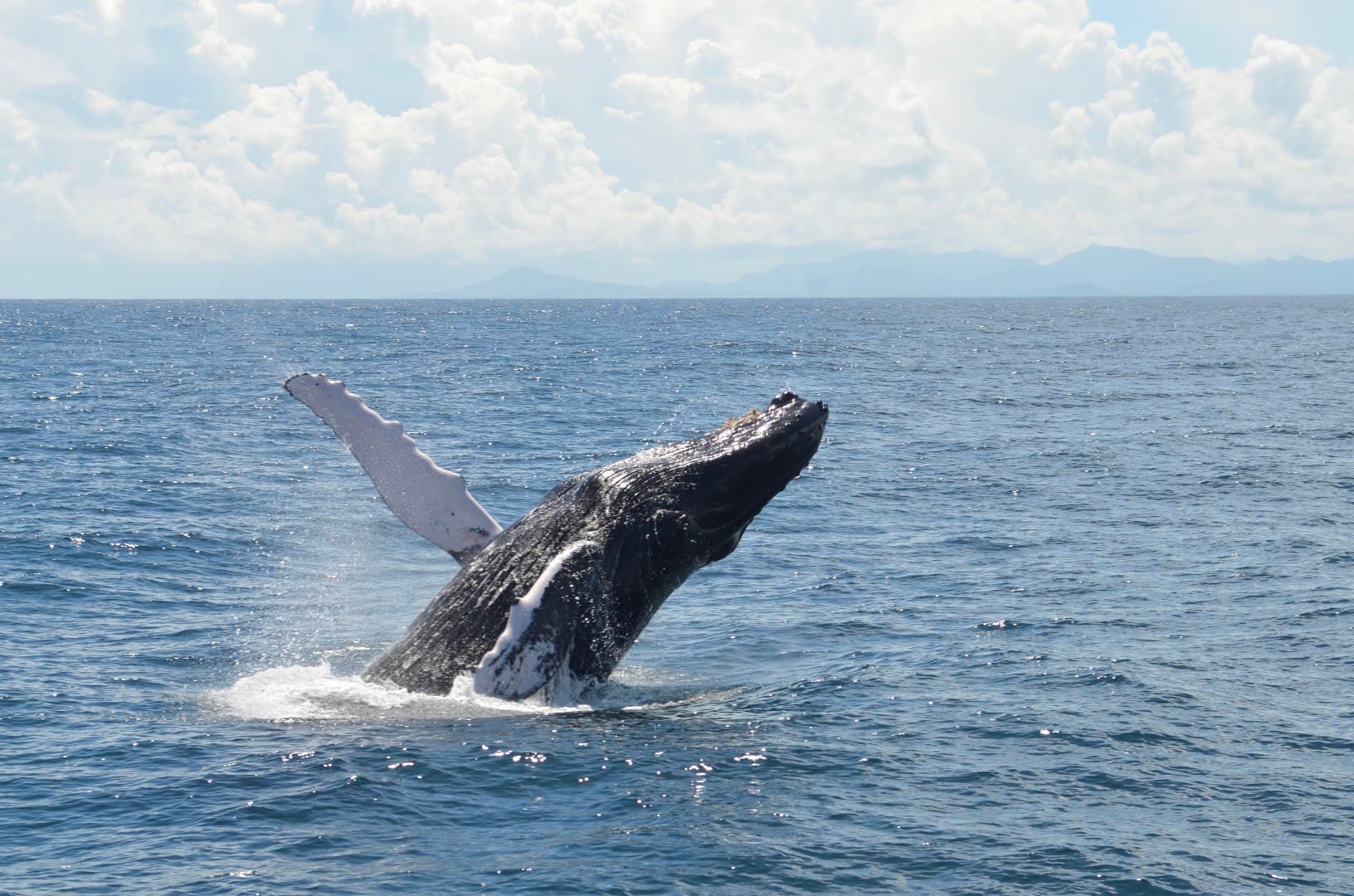
Breaching: Watch in awe as 40-ton whales launch themselves completely out of the water, creating thunderous splashes that can be heard for miles. Scientists believe breaching serves multiple purposes: communication, parasite removal, and pure joy.
Tail Slapping: Whales frequently slap their massive tail flukes against the water's surface, creating loud sounds that travel great distances underwater. This behavior is often seen during courtship rituals.
Spy Hopping: Whales will vertically lift their heads above water to observe their surroundings—and yes, they're looking right back at you with those intelligent eyes.
Singing: Male humpback whales produce complex songs that can last up to 30 minutes. While you might not hear them above water, many tour boats have underwater microphones that let you listen to these haunting melodies.
Mother and Calf Interactions
Some of the most touching moments occur when observing mothers with their newborn calves. Baby humpback whales are born weighing around 2,000 pounds and measuring 12-16 feet long. Watching a mother gently guide her calf to the surface for its first breath is an experience that will stay with you forever.
Best Whale Watching Tour Options
Samaná offers various whale watching tour options, each providing different perspectives and experiences. When you browse experiences on Exploras, you'll find carefully curated tours that prioritize both incredible whale encounters and responsible wildlife viewing.
Half-Day Tours (Most Popular)
Duration: 3-4 hours
Departure: Usually 8:00 AM or 1:30 PM
Includes: Transportation from major Samaná Peninsula hotels, bilingual guide, refreshments
These tours strike the perfect balance between comprehensive whale watching and fitting into your vacation schedule. You'll spend 2-2.5 hours on the water, providing ample time to encounter multiple whale pods while leaving your afternoon free for other activities.
Full-Day Adventures
Duration: 6-8 hours
Departure: 8:00 AM
Includes: Extended whale watching, lunch, sometimes combined with Cayo Levantado visit
For whale enthusiasts who want maximum time on the water, full-day tours offer the best chance of witnessing rare behaviors and encountering larger numbers of whales. These tours often include visits to nearby attractions like the pristine beaches of Cayo Levantado.
Small Group Premium Tours
Group Size: 6-12 people
Vessel: Smaller, more maneuverable boats
Experience: More personalized, better positioning for photography
These intimate tours provide a more exclusive experience with better opportunities for questions, photography, and closer (but still respectful) whale encounters.
Choosing the Right Tour Operator
Not all whale watching tours are created equal. When selecting your experience, prioritize operators who follow strict environmental guidelines and contribute to whale conservation efforts.
What to Look For
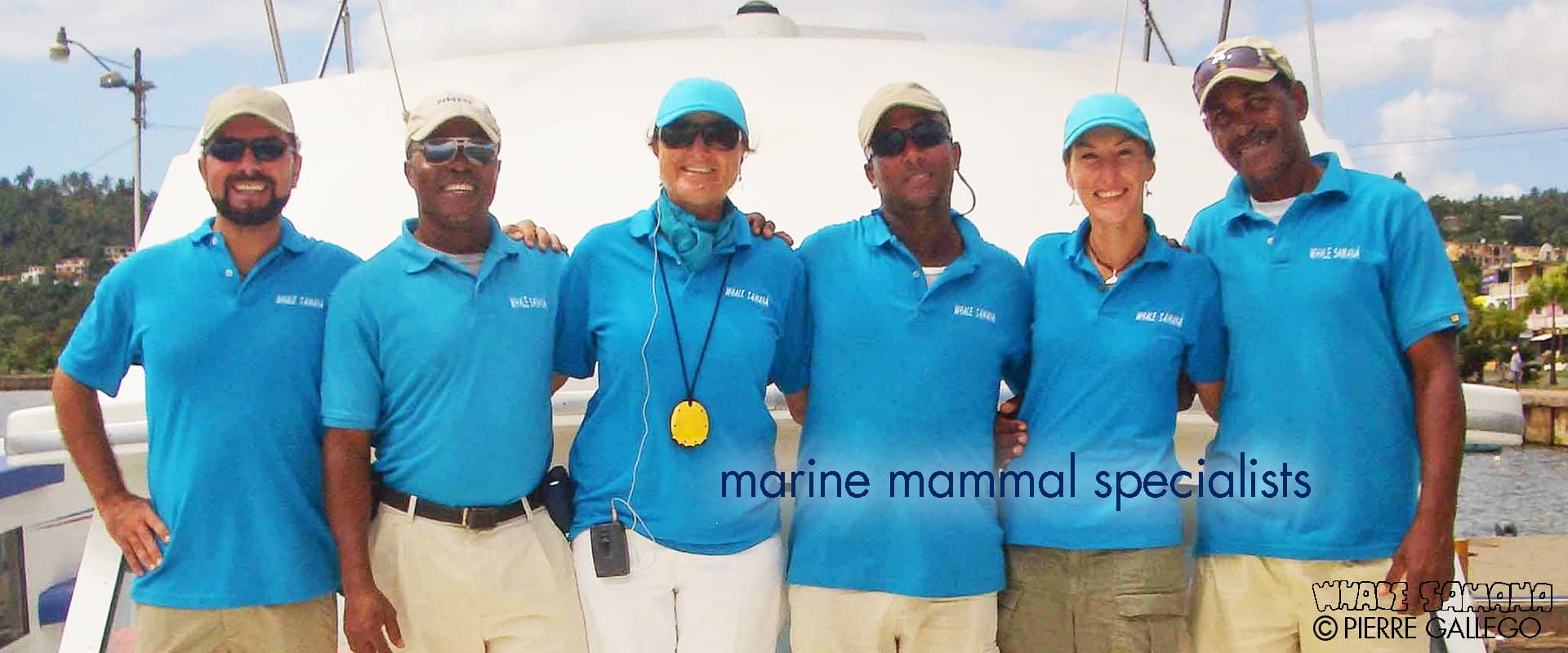
Certified Guides: Look for tours with marine biologists or certified naturalist guides who can provide educational context about whale behavior and conservation.
Responsible Viewing Practices: Reputable operators maintain proper distances (at least 150 feet), limit engine noise, and never chase or harass whales.
Conservation Contributions: Many tours contribute a portion of proceeds to local marine conservation efforts and whale research programs.
Safety Standards: Ensure boats are properly maintained with safety equipment, life jackets, and experienced captains familiar with local waters.
Planning Your Whale Watching Adventure
Best Time to Book
While whale watching tours run throughout the season, booking in advance is highly recommended, especially for February dates. Tours often sell out during peak season, and early booking ensures you get your preferred date and tour type.
What to Bring
Sun Protection: Even on cloudy days, reflection off the water intensifies UV rays. Bring sunscreen (reef-safe), sunglasses, and a hat.
Layers: Morning tours can be cool, while afternoon sun can be intense. Bring a light jacket and comfortable, quick-dry clothing.
Camera Gear: Waterproof camera case or bag, extra batteries, and memory cards. The action happens quickly, so be ready!
Motion Sickness Prevention: If you're prone to seasickness, take medication 30 minutes before departure. Ginger tablets and pressure-point wristbands also help.
Weather Considerations
Samaná's whale season coincides with the Dominican Republic's dry season, offering generally excellent weather conditions. However, occasional winter fronts can bring choppy seas and cloudy skies.
Ideal Conditions: Calm seas, light winds, and clear skies provide the best whale watching and photography opportunities.
Challenging Conditions: Even in rough weather, whales are often more active, and experienced operators can still provide safe, exciting tours.
Where to Stay During Whale Season
The Samaná Peninsula offers accommodations ranging from luxury resorts to charming boutique hotels, all within easy reach of whale watching departure points.
Las Terrenas
Distance to Tours: 45-60 minutes
Advantages: Best restaurant scene, nightlife, beautiful beaches for non-whale watching days
Las Terrenas offers the peninsula's most sophisticated dining and accommodation options, making it perfect for travelers who want luxury amenities alongside their whale watching adventure.
Samaná Town
Distance to Tours: 5-15 minutes
Advantages: Closest to departure points, authentic Dominican culture, lower costs
Staying in Samaná town puts you at the heart of whale watching activity. You'll be first to the boats and can easily book multiple tours if whale fever strikes.
Las Galeras
Distance to Tours: 30-45 minutes
Advantages: Pristine beaches, quieter atmosphere, stunning natural beauty
For travelers seeking tranquility between whale watching adventures, Las Galeras offers some of the Caribbean's most beautiful and uncrowded beaches.
Beyond Whale Watching: Complete Samaná Experience
While humpback whales are Samaná's star attraction during winter months, the peninsula offers incredible experiences year-round. Consider extending your stay to explore Samaná more thoroughly.
Complementary Activities
El Limón Waterfall: This spectacular 130-foot waterfall makes a perfect post-whale watching adventure. The horseback ride through tropical forest provides a completely different perspective on Samaná's natural beauty.
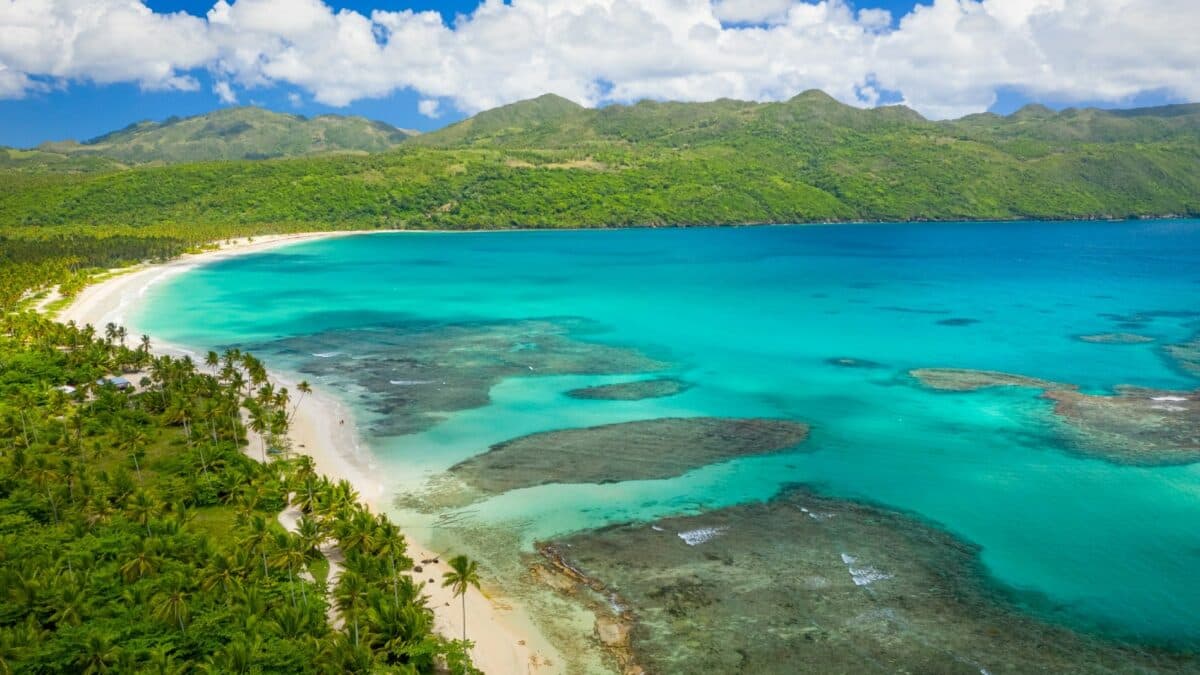
Playa Rincón: Often ranked among the world's best beaches, this pristine stretch of white sand and turquoise water offers the perfect place to decompress after your whale watching excitement.
Local Culture: Visit Samaná town's markets, try traditional Dominican dishes like fresh seafood and tropical fruits, and experience the warm hospitality that makes this region special.
Conservation and Responsible Tourism
Your whale watching experience contributes to important conservation efforts. Tourism revenue provides economic incentives for protecting whale habitats and supporting local communities.
How Your Visit Helps
Research Funding: Many tour operators contribute to ongoing whale research, helping scientists better understand humpback whale behavior and migration patterns.
Local Employment: Whale watching tourism provides sustainable livelihoods for local boat captains, guides, and hospitality workers.
Habitat Protection: Tourism revenue supports marine protected area management and enforcement of fishing regulations that protect whale feeding areas.
Photography Tips for Whale Watching
Capturing great whale photos requires preparation, patience, and quick reflexes. Here are insider tips from professional wildlife photographers:
Camera Settings
Shutter Speed: Use at least 1/500th second to freeze whale movement
Focus: Continuous autofocus mode to track moving subjects
ISO: Don't be afraid to increase ISO for faster shutter speeds
Composition Techniques
Anticipate Action: Watch for behavioral cues that indicate breaching or tail slapping
Include Context: Show the whale in its environment with boats, horizon, or other whales
Burst Mode: Take multiple shots when whales surface—you never know which will be perfect
Making the Most of Your Whale Watching Season
To maximize your chances of incredible whale encounters, consider booking multiple tours during your stay. Each trip offers different experiences as whale behavior changes throughout the day and season.
Multiple Tour Strategy
Morning Tour: Often calmer seas, better light for photography
Afternoon Tour: More active whale behavior, dramatic lighting
Different Operators: Each captain knows different areas and whale pods
When you're ready to book your unforgettable whale watching adventure, browse local tours on Exploras to find the perfect experience for your group. Our carefully selected operators prioritize both incredible wildlife encounters and responsible tourism practices.
Conclusion
Whale watching in Samaná offers one of the world's most accessible and spectacular wildlife experiences. From the moment you hear your first whale song echoing through underwater speakers to watching a 40-ton humpback whale breach just meters from your boat, whale watching samaná creates memories that last a lifetime. The combination of Samaná Bay's unique geography, the humpback whales dominican republic waters attract, and the region's commitment to responsible tourism makes this destination truly special.
Whether you're a wildlife enthusiast, photographer, or simply someone seeking an extraordinary natural experience, the samaná whale season delivers magic that exceeds all expectations. Book your whale watching adventure today and prepare to be amazed by one of nature's most incredible spectacles in the warm, welcoming waters of Samaná Bay.
Samaná Travel Specialist | 7 years booking experiences across the Peninsula
Sofia has personally tested and vetted over 80 tours, excursions, and services across Samaná — from whale watching season prep to El Limón waterfall treks and Los Haitises kayak routes. She focuses on matching traveler types to the right experience: families, couples, adventure seekers, digital nomads.

Message a local operator.
Message these Samaná operators directly on WhatsApp — you book with them, not through us.
Plan your Samaná adventure
Explore the top tours and experiences near this guide — all vetted by our team on the ground.
Browse all experiencesRelated Articles.

Playa Frontón & Playa Madama Boat Trips from Las Galeras 2026
Discover the secret beaches of Playa Frontón and Playa Madama by boat from Las Galeras. Costs, tips, and everything you need to plan your trip in 2026.
Read more: Playa Frontón & Playa Madama Boat Trips from Las Galeras 2026
Samaná in January 2026: Whale Season, Weather & Why It's the Best Month
January is Samaná's magic month — humpback whales arrive, skies stay clear, and crowds are manageable. Here's everything you need to know to plan your trip.
Read more: Samaná in January 2026: Whale Season, Weather & Why It's the Best Month
Los Haitises National Park: Complete Guide to Samaná's Natural Wonder
Discover Los Haitises National Park's ancient caves, pristine mangroves, and Taíno petroglyphs. Your complete guide to exploring this UNESCO treasure near Samaná Peninsula.
Read more: Los Haitises National Park: Complete Guide to Samaná's Natural Wonder