Samaná in January 2026: Whale Season, Weather & Why It's the Best Month.

Photo by Abigail Lynn on Unsplash
January is Samaná's magic month — humpback whales arrive, skies stay clear, and crowds are manageable. Here's everything you need to know to plan your trip.
Message a local operator.
Message these Samaná operators directly on WhatsApp — you book with them, not through us.
Key Takeaways
Key Takeaways
- January marks the start of Samaná's legendary humpback whale season, with the first whales typically arriving in the Bay of Samaná around mid-January
- Dominican Republic January weather on the peninsula is warm and breezy — around 29°C (84°F) by day, with short showers on about half the days
- Crowds are present but not overwhelming; January sits in the sweet spot between the Christmas rush and the peak February whale-watching frenzy
- A whale watching tour from Samaná town runs approximately RD$2,500–RD$3,500 (~$42–$60 USD) per person
- January is also ideal for beach days at Playa Rincón, hiking to El Limón waterfall, and exploring Los Haitises National Park
Samaná in January is, without question, one of the finest travel experiences in the Caribbean. The humpback whales begin arriving in the warm, sheltered waters of Samaná Bay, the skies are mostly clear between short showers, and the peninsula hums with an energy that feels alive rather than overrun. For travelers timing a visit to Samaná, Dominican Republic, January weather and whale season together make this the best month to visit Samaná — full stop.
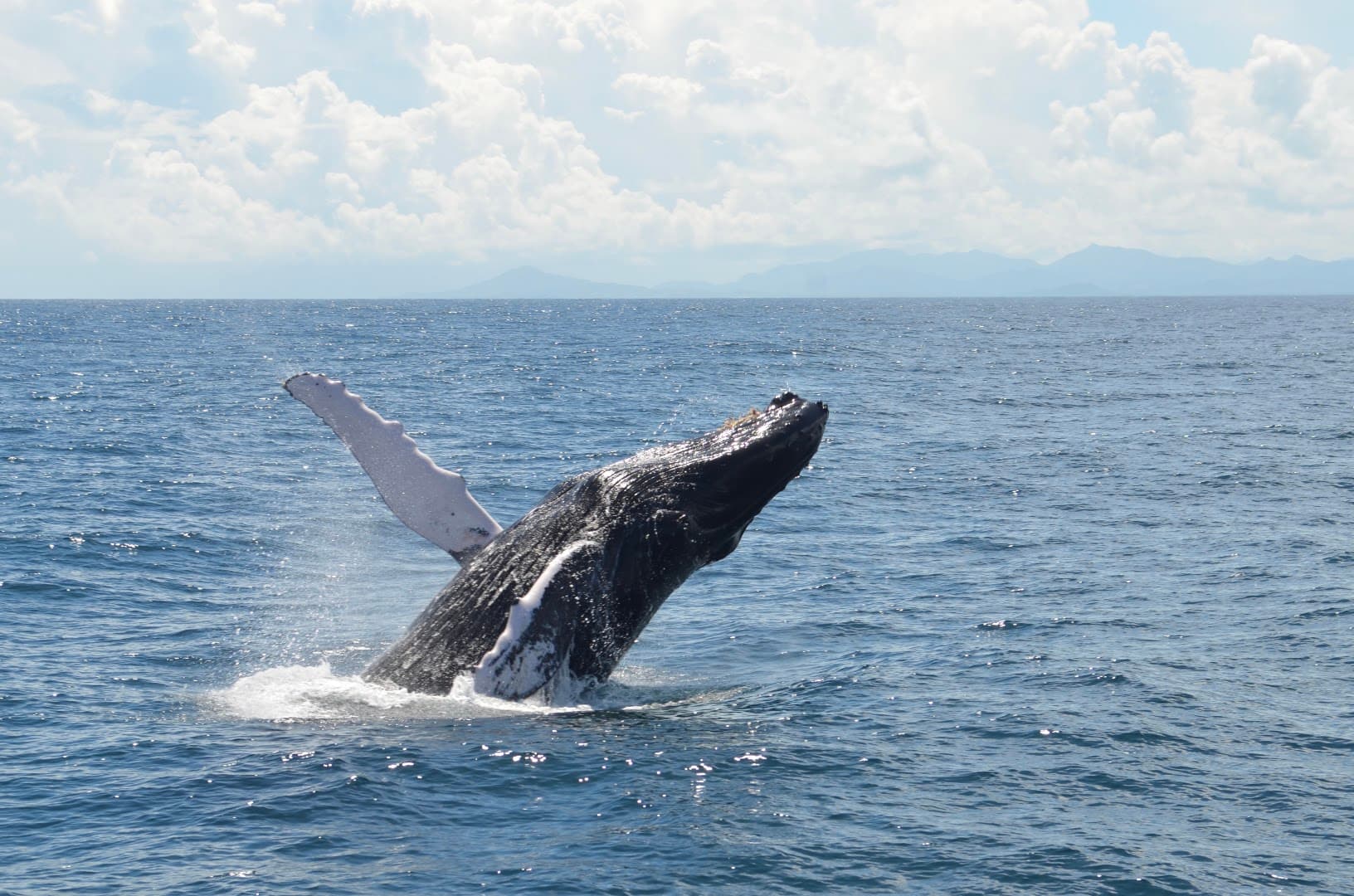
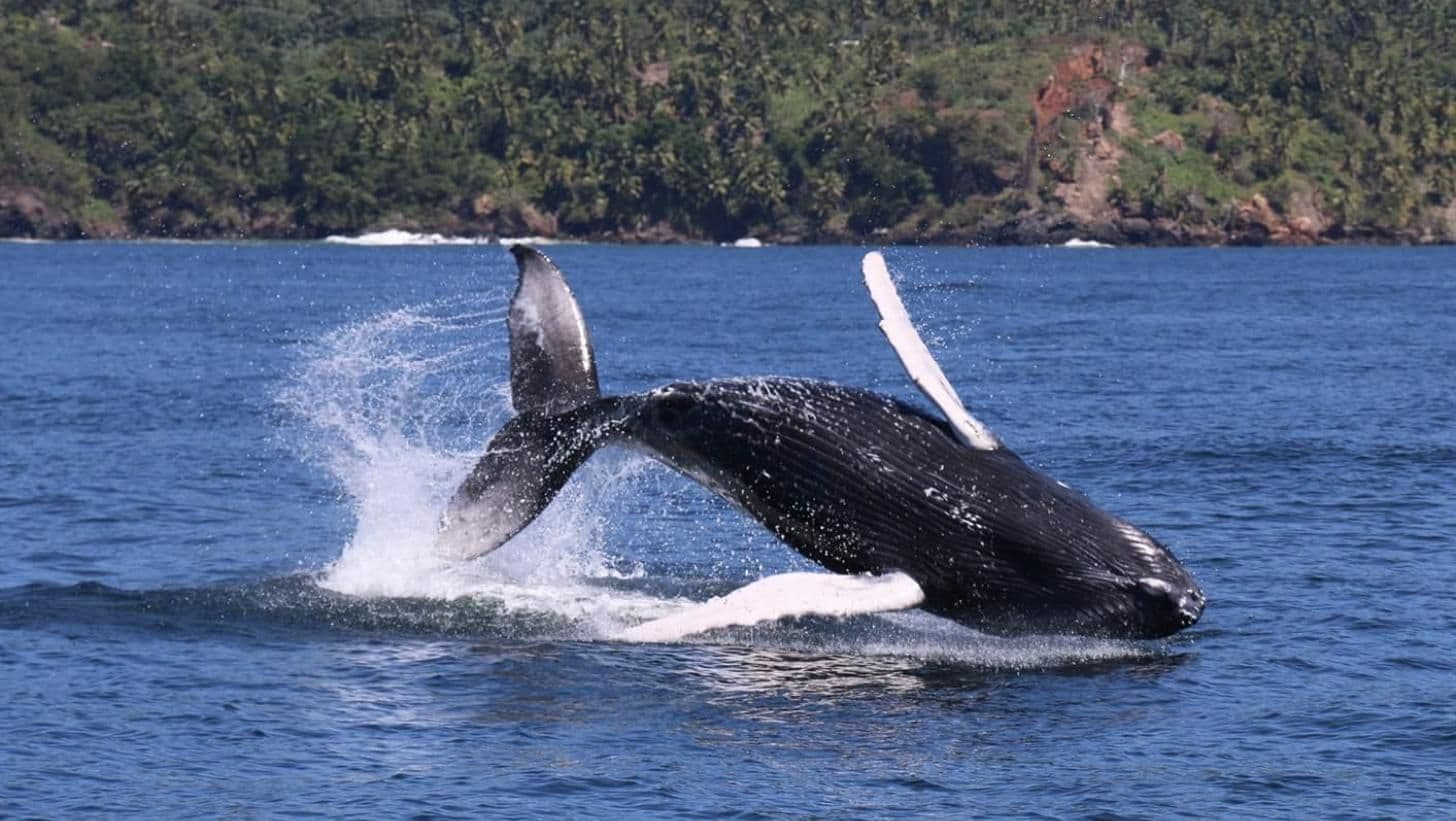
I've visited the peninsula in nearly every month of the year, and January always hits differently. There's a particular morning in Samaná town I keep returning to in my memory: standing on the malecón just after sunrise, coffee in hand, watching a fishing boat head out toward the bay — and then, maybe 400 meters offshore, a humpback breaching clean out of the water. That image alone should tell you everything about why January is special here.
This guide covers everything you need to plan your January trip: the whale season timeline, what the weather actually feels like, what else to do beyond the whales, and the practical costs and logistics that will save you time and money.
Samaná January Whale Season: What to Expect in 2026
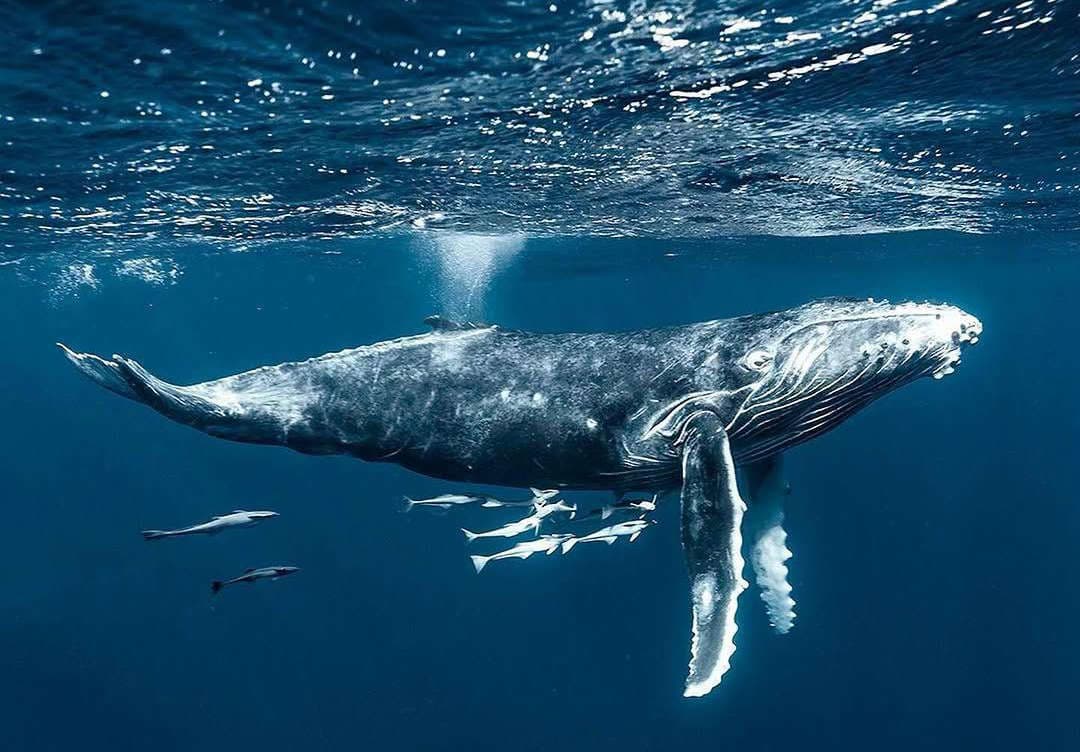
The whale watching in Samaná experience is world-class — and January is when it begins. Every year, between 1,500 and 2,000 North Atlantic humpback whales migrate from their cold feeding grounds off the northeastern United States and Canada to the warm, shallow waters of Samaná Bay to breed and give birth. According to the Dominican Republic's official tourism authority, the Bay of Samaná is one of the most important humpback whale sanctuaries in the world.
In January 2026, expect the first whales to arrive around the second week of January. Numbers build steadily through the month. By late January, sightings are consistent and often spectacular — breaching, tail-slapping, and the haunting underwater songs of males competing for females.
Tours depart from the dock in Samaná town (Santa Bárbara de Samaná) every morning, typically between 8:00 and 9:00 AM. Most tours last 3 to 4 hours and are led by marine biologists or certified naturalist guides — a requirement enforced by the Whale Sanctuary of the Silver Bank regulations.
How Much Does a Whale Watching Tour Cost in January?
Prices in January are essentially the same as peak February rates. Here's what to budget:
| Tour Type | Price (RD$) | Price (USD approx.) | Duration | Includes |
|---|---|---|---|---|
| Standard group boat tour | RD$2,500–RD$3,000 | ~$42–$51 | 3–4 hours | Guide, life jackets |
| Premium small-group tour | RD$3,000–RD$3,500 | ~$51–$60 | 3–4 hours | Guide, snacks, smaller boat |
| Private charter | RD$15,000–RD$25,000 | ~$255–$425 | 4–5 hours | Fully private, flexible timing |
| Catamaran combo tour | RD$4,000–RD$5,500 | ~$68–$93 | Full day | Whale watching + Cayo Levantado |
Insider tip: Book your whale watching tour for a Tuesday, Wednesday, or Thursday. Weekends in January see more Dominican domestic tourists, which means busier boats and a slightly more chaotic dock experience. Midweek departures tend to have smaller groups and calmer energy on the water.
What Is the Weather Like in Samaná in January?
Dominican Republic January weather on the Samaná Peninsula is genuinely excellent — and that's not marketing speak. January is peak season on the peninsula's north coast: warm, with short showers on about half the days, and the whales arrive from mid-January. The driest stretch comes a little later, from February to April.
Typical conditions in January:
- Average daytime temperature: 26–28°C (79–82°F)
- Average sea temperature: 25–26°C (77–79°F) — warm enough to swim comfortably
- Rainfall: Very low. January averages just 40–60mm of rain for the entire month, usually as brief overnight showers
- Humidity: Noticeably lower than the summer months — mornings feel fresh and breezy
- Trade winds: Consistent northeast trade winds keep afternoons comfortable and make sailing conditions ideal
One thing I always tell first-time visitors: pack a light layer for the whale watching boats. Out on the bay at 8 AM, with the wind and sea spray, it can feel surprisingly cool — even at 26°C. By noon on the beach, that same temperature feels entirely different.
For a full breakdown of what to bring for these conditions, check out our Samaná 2026 packing list by season — it's updated with specific January recommendations.
Beyond the Whales: What Else to Do in Samaná in January
The whales are the headline act, but January in Samaná is rich with other experiences. Showers are usually short, so roads and trails stay passable and most beach days get plenty of sun.
Playa Rincón and the Peninsula's Best Beaches
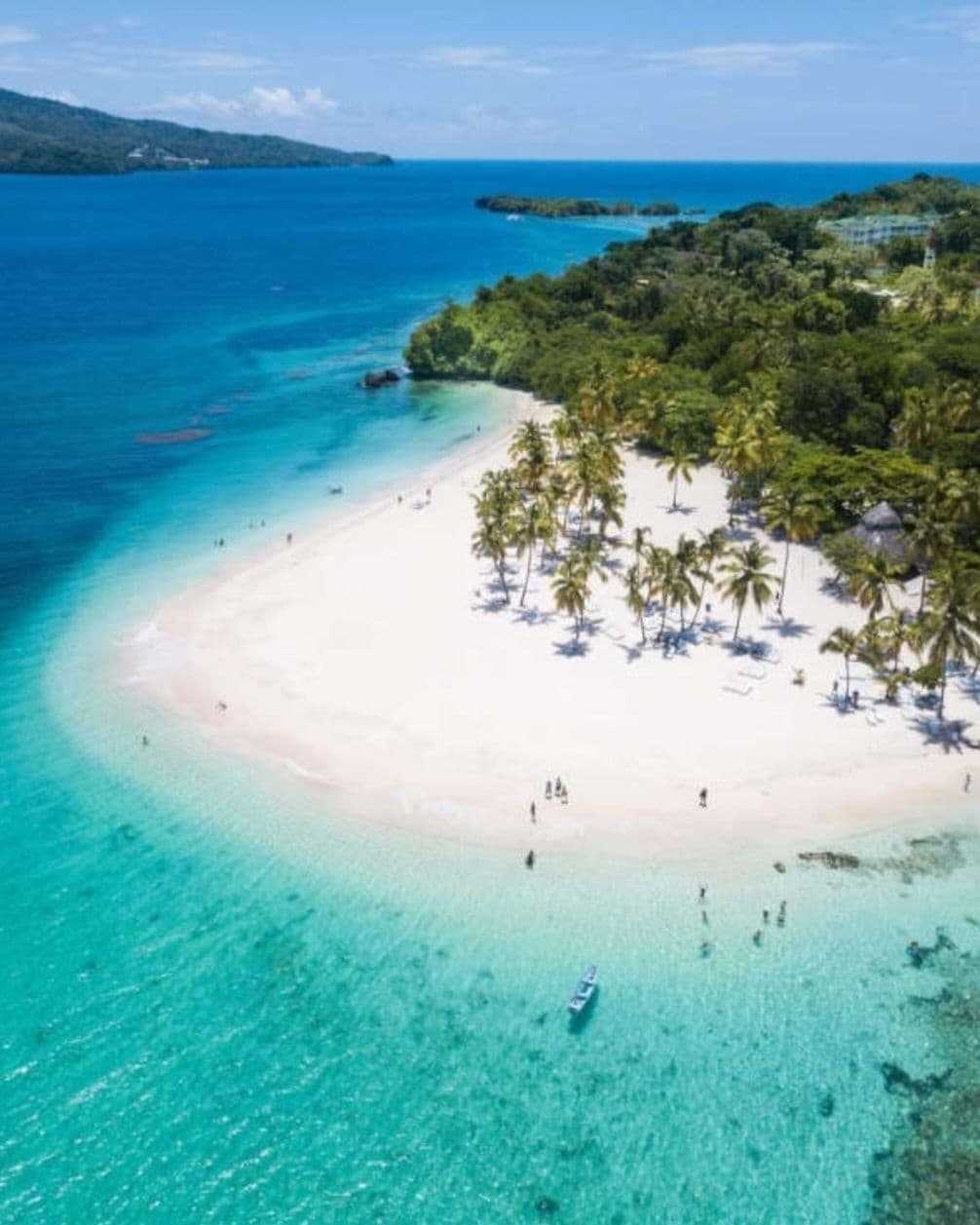
January is arguably the best month to visit Playa Rincón. The 3-kilometer crescent of white sand backed by coconut palms and freshwater streams is at its most photogenic — the winter light turns the water an almost impossible shade of turquoise-green. Weekday crowds in January are light. You'll share the beach mostly with a handful of other travelers and a few colmados (small beachside vendors) selling cold Presidente beer and fresh coconut water.
Getting there: from Las Galeras, take a 20-minute boat taxi (RD$300–RD$500 per person round trip, ~$5–$9 USD) or a 4WD vehicle along the unpaved coastal track — about 45 minutes and genuinely only advisable with high clearance.
El Limón Waterfall
The 52-meter cascade at El Limón is one of the peninsula's most dramatic natural landmarks, and January is a great time to visit. The trail is drier and easier to navigate than during the rainy season, though the waterfall still flows strongly thanks to groundwater. The hike takes about 45 minutes each way through cacao and tropical forest — the smell of damp earth and wild ginger is something I genuinely look forward to every visit.
Book an El Limón waterfall tour through a local operator or arrange a guide in the village of El Limón itself. Costs typically run RD$800–RD$1,500 (~$14–$26 USD) per person including the guide fee and park entry.
Los Haitises National Park
January is one of the best months to explore Los Haitises. The mangrove channels and limestone karst formations are accessible by boat from Samaná town or Sabana de la Mar. Wildlife is active — frigate birds nest in the mangroves, and manatees are occasionally spotted in the quieter channels. A guided boat tour runs approximately RD$2,000–RD$3,000 (~$34–$51 USD) per person.
Cayo Levantado (Bacardi Island)
January crowds at Cayo Levantado are manageable compared to the February peak. The island's white-sand beach and clear water are at their calm-season best. Check our full Cayo Levantado day trip guide 2026 for logistics, costs, and timing tips.
Is January Crowded in Samaná?
This is one of the most common questions I hear from travelers planning their first trip, and the honest answer is: it depends on when in January you arrive.
The first week of January still carries some overflow from the Christmas–New Year holiday period. Dominican families are often still on vacation, and international flights remain relatively full. If you arrive between January 1–8, expect slightly elevated prices and fuller beaches.
From January 9 onward, the peninsula quiets noticeably. Prices at guesthouses and tour operators return to standard season rates. The beaches — even popular ones like Playa Bonita and Playa Cosón near Las Terrenas — feel genuinely relaxed.
By late January (the last two weeks), whale sightings are consistent and the overall vibe is what I'd call perfect Samaná: warm, active, beautiful, but not overrun.
Quick Tips
Quick Tips for Visiting Samaná in January
- Book whale watching tours at least 3–5 days in advance — January boats fill up faster than most visitors expect
- Carry cash in Dominican Pesos (RD$) — many beach vendors, motoconcho drivers, and small tour operators don't accept cards
- Rent a scooter or motoconcho (motorcycle taxi) for trips within Las Terrenas or Las Galeras — guaguas run between towns but schedules are loose
- Apply reef-safe sunscreen only — the marine sanctuary regulations around whale watching areas are taken seriously, and it's the right thing to do
- Arrive at the Samaná dock by 7:45 AM for whale watching departures — operators leave on time, and latecomers miss the boat (literally)
How to Get to Samaná in January
Most international visitors fly into El Catey International Airport (AZS), located about 45 minutes from Las Terrenas and a little over an hour from Samaná town. Direct seasonal flights operate from several North American and European cities during the winter high season — January is well-served.
Alternatively, fly into Santo Domingo (SDQ) or Santiago (STI) and take a transfer. Santo Domingo to Samaná town by road takes approximately 2.5–3 hours via the Samaná Highway (Autopista del Nordeste). The drive is straightforward and the road is in good condition. If you're considering renting a car, our guide to driving in the Dominican Republic for Samaná visitors 2026 covers everything you need to know about road conditions, rental costs, and local driving customs.
January vs. Other Months in Samaná
For all twelve months side by side, rain, sea temperature and whales included, see our guide to the best time to visit Samaná.
Let me put this in context with a quick seasonal comparison:
| Month | Weather | Whale Watching | Crowds | Overall Rating |
|---|---|---|---|---|
| January | ☀️ Dry, 27°C | 🐋 Season starts (mid-Jan) | Medium-low | ⭐⭐⭐⭐⭐ |
| February | ☀️ Dry, 27°C | 🐋🐋 Peak season | High | ⭐⭐⭐⭐⭐ |
| March | ☀️ Dry, 28°C | 🐋 Season winds down | Medium | ⭐⭐⭐⭐ |
| April | ⛅ Transitional | ❌ Season ends | Low | ⭐⭐⭐ |
| June–August | 🌧️ Humid, rainy | ❌ Off-season | Very low | ⭐⭐ |
| December | ☀️ Dry, 26°C | ❌ Pre-season | High (Christmas) | ⭐⭐⭐ |
For a deeper look at how the peninsula transforms across the calendar year, read our month-by-month breakdown: Samaná whale season vs off-season 2026.
January wins for a specific combination of reasons:
- Whale season begins — you get the excitement without the February peak crowds
- Weather is optimal — dry, warm, and breezy
- Prices are slightly lower than February (particularly for accommodation)
- All activities are fully operational — tours, boat trips, and trails are all running
- The peninsula feels alive but not saturated — this balance is genuinely hard to find in the Caribbean in winter
For couples, January's romantic ambiance is hard to beat. The warm evenings, dramatic sunsets over the bay, and the magic of whale season create something special. Our romantic Samaná couples travel guide 2026 has specific January recommendations if you're planning a trip with a partner.
What Does a January Day in Samaná Actually Look Like?
Here's a realistic picture of a well-planned January day on the peninsula — because sometimes the best travel advice is simply a vivid example.
Morning (6:30–12:00): Wake before sunrise. The sound of roosters and distant motoconchos revving up signals that Samaná is already awake. Head to the dock in Samaná town for a 8:00 AM whale watching departure. Spend three hours on the bay — if the whales are performing (and in late January, they almost always are), you'll see breaches, pec-slapping, and escort groups of males competing for females. The naturalist guide's commentary makes the biology come alive.
Midday (12:00–15:00): Return to town. Grab lunch at a beachside comedor — a simple local eatery — where a plate of fresh pescado (fish), tostones (fried plantain), and rice costs around RD$400–RD$600 (~$7–$10 USD). Spend the early afternoon at a nearby beach or simply watching the bay from the malecón.
Late Afternoon (15:00–18:00): Drive or take a guagua toward Las Terrenas (about 45 minutes) for the late afternoon light on Playa Bonita. The northwest-facing beach catches the golden hour beautifully. For the best sunset vantage points across the peninsula, our guide to best sunset spots in Samaná 2026 has the exact spots locals actually use.
Evening: Fresh seafood, cold Presidente, and the kind of unhurried conversation that only happens when you're somewhere genuinely beautiful and far from your usual routine.
Insider tip: On the whale watching boats, position yourself on the bow (front) of the vessel rather than the sides. The captain typically maneuvers the bow toward whale activity, and you'll have a cleaner sightline — and better photos — from there. Most first-timers cluster at the rails and miss the optimal angle.
Samaná in January 2026: Your Next Step
January in Samaná is one of those rare travel experiences that exceeds expectations — and I say that as someone who has watched this peninsula across many seasons and many years. The convergence of optimal weather, the beginning of the most spectacular wildlife event in the Caribbean, and a relaxed but vibrant atmosphere makes it genuinely difficult to argue for any other month.
The whales don't wait. Neither should you.
Explore things to do in Samaná and browse experiences on Exploras to start building your January 2026 itinerary. Whether it's a whale watching tour, a day trip to Playa Rincón, or a full week of peninsula exploration, booking in advance is the single most important thing you can do to secure your spot during this magical season.
Sources
Samaná Travel Specialist | 7 years booking experiences across the Peninsula
Sofia has personally tested and vetted over 80 tours, excursions, and services across Samaná — from whale watching season prep to El Limón waterfall treks and Los Haitises kayak routes. She focuses on matching traveler types to the right experience: families, couples, adventure seekers, digital nomads.


Plan your Samaná adventure
Explore the top tours and experiences near this guide — arranged directly with the operator.
Browse all experiencesRelated Articles.

Best Las Terrenas Beaches You Can Reach on Foot or Bike
A local's guide to the best Las Terrenas beaches reachable without a car — from palm-shaded town coves to the long stretch of Playa Cosón by bike.

El Valle Beach: How to Visit Samaná's Remote Coast
A first-hand guide to Playa El Valle, the quiet stretch of coast behind Samaná's mountains — how to get there, when to go, and what to expect.

Playa Bonita Guide: Surf, Sand & How to Get There (2026)
When the surf works at Playa Bonita, where swimming is safe, what to bring, and the best months to visit — a practical local briefing for Las Terrenas' quietest big beach.