Samaná Whale Season vs Off-Season: How the Peninsula Changes Month by Month 2026.

Photo by Mike Doherty on Unsplash
Discover how Samaná transforms across every season — from humpback whale spectacles to empty beaches and local festivals. Your month-by-month guide for 2026.
Message a local operator.
Message these Samaná operators directly on WhatsApp — you book with them, not through us.
Key Takeaways
Key Takeaways
- Samaná's famous humpback whale season runs January through March, drawing thousands of visitors to Samaná Bay each year
- The off-season (May–November) brings lush green landscapes, lower prices, and uncrowded beaches — a hidden gem for savvy travelers
- Each month on the peninsula offers something distinct: surf swells, carnival celebrations, waterfall hikes, or total beach solitude
- Whale watching tours typically cost RD$3,500–5,500 (~$60–95 USD) per person and should be booked in advance during peak season
- Year-round, Samaná rewards visitors who understand its rhythms — this guide breaks down exactly what to expect in 2026
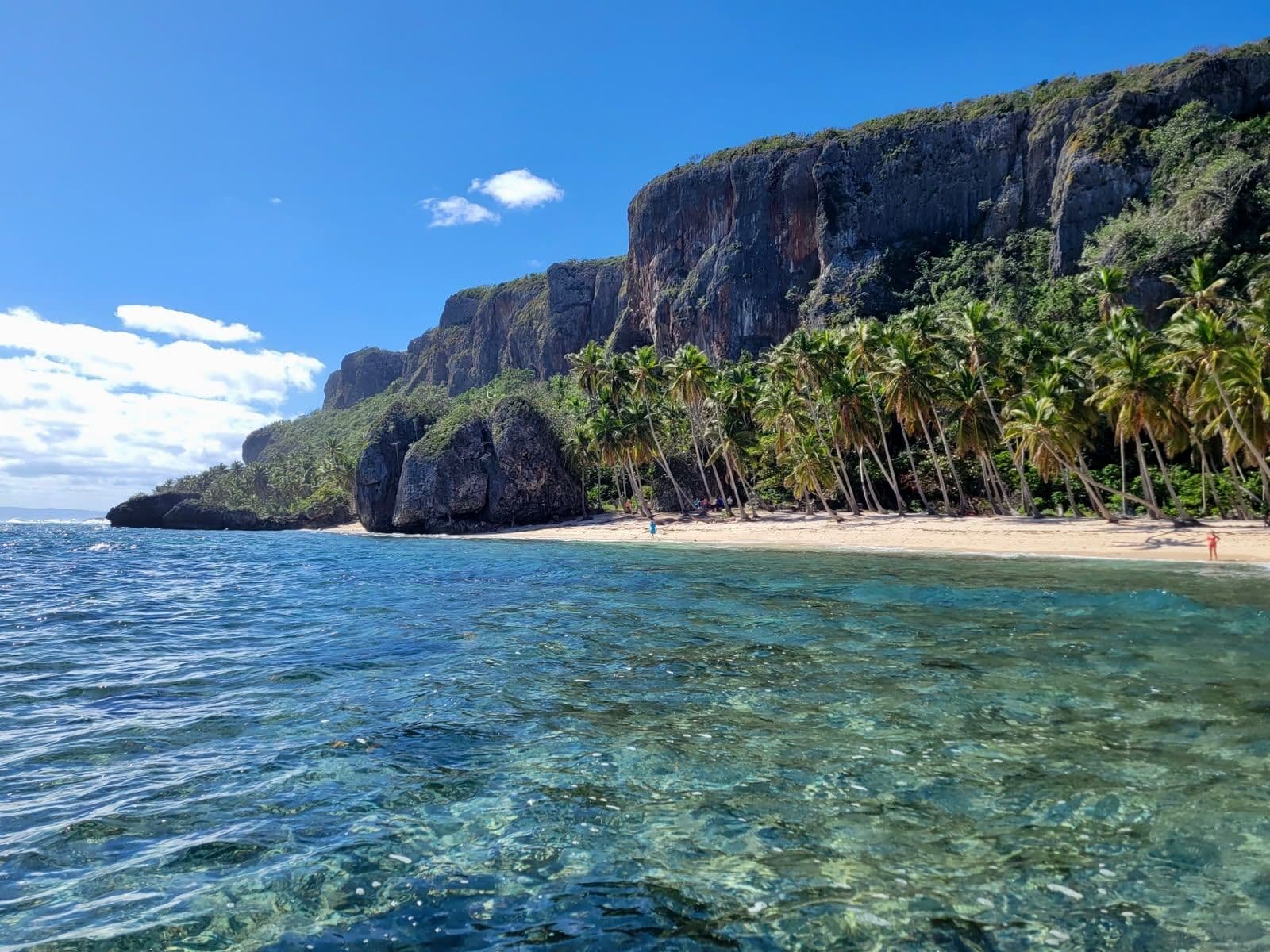
Samaná whale season transforms the peninsula into one of the Caribbean's most spectacular wildlife destinations every January through March, when roughly 2,000 humpback whales converge on Samaná Bay to breed and calve. Outside those months, the same peninsula becomes a quieter, greener, more intimate version of itself — with empty stretches of Playa Rincón, thundering waterfalls at El Limón, and surf swells rolling into Playa Cosón.
I've visited Samaná across nearly every month of the calendar, and I can tell you: there is no bad time to come. There are only different times, each with its own magic and its own trade-offs. The trick is knowing what you're walking into.
The first time I arrived in February, the dock at Santa Bárbara de Samaná was electric — boat captains calling out, binoculars glinting in the morning sun, and the distant sound of a whale breaching before we'd even left the harbor. By contrast, when I arrived in late October, I had an entire stretch of Playa Bonita to myself, paid half the price for my guesthouse, and hiked to El Limón through forest so green it almost glowed.
This month-by-month guide will help you plan the Samaná trip that fits your travel style — whether you're chasing humpbacks, riding waves, or simply seeking a Caribbean escape without the crowds. Explore all experiences in Samaná to start building your itinerary.
Samaná Whale Season: January to March (Peak Season)
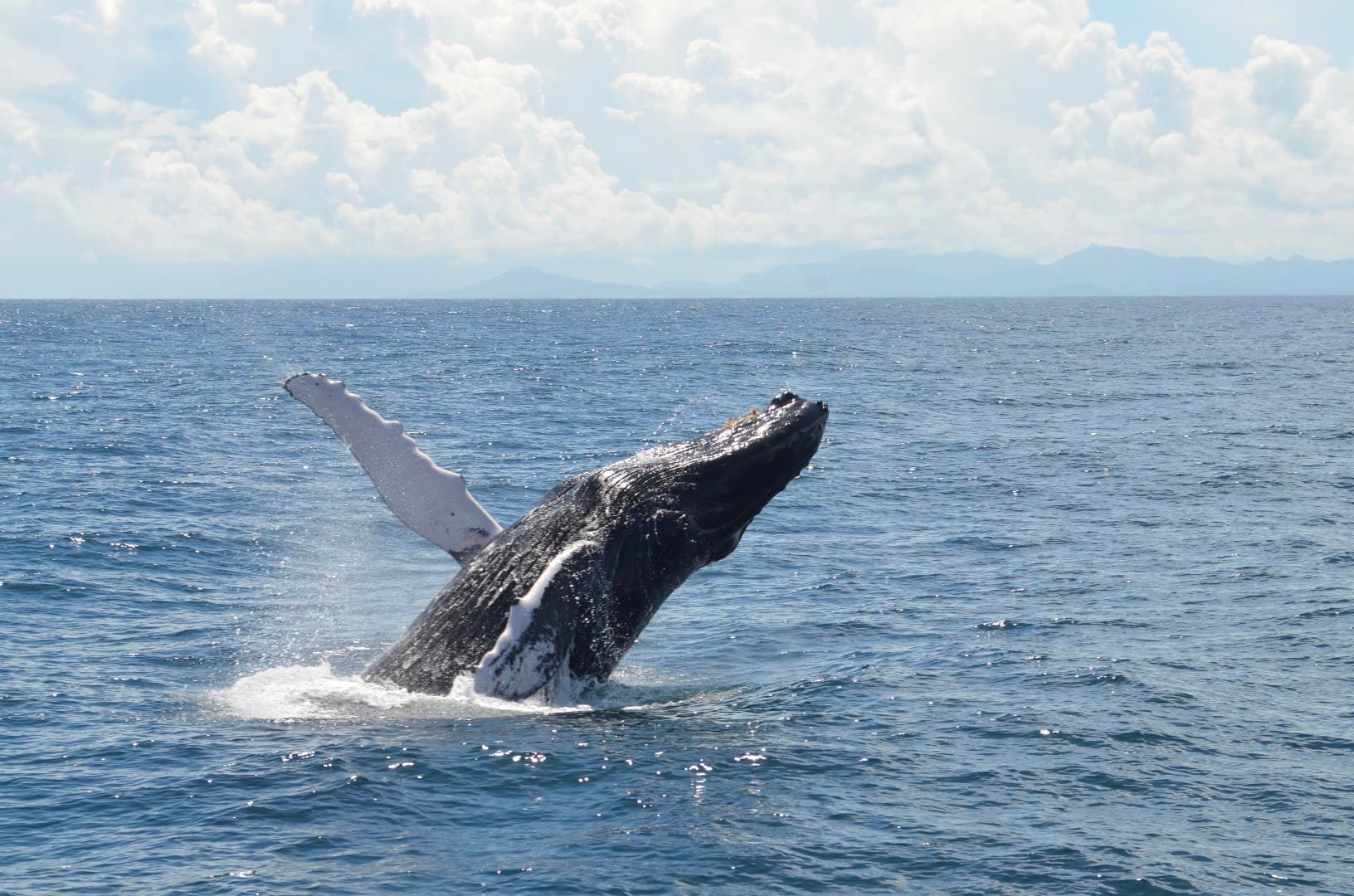
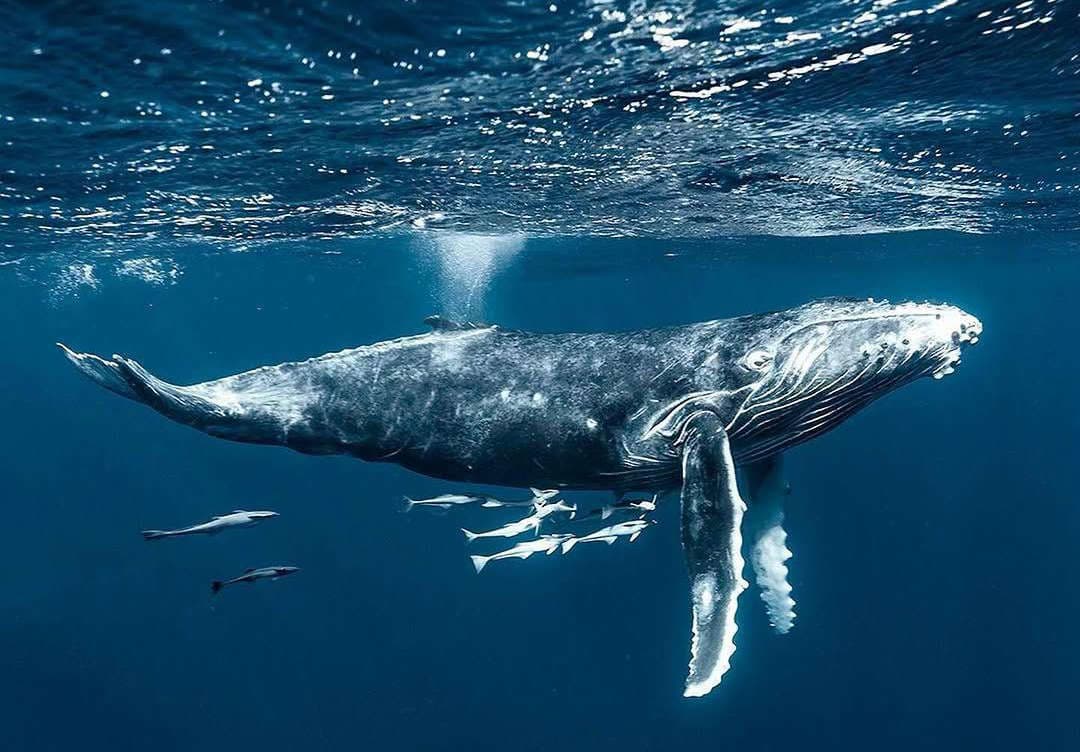
This is Samaná's headline act. Every winter, the Silver Bank and Samaná Bay become the world's most important humpback whale breeding ground in the North Atlantic. The whales arrive from their feeding grounds off New England and Canada, and for three months, the bay is alive with breaching, tail-slapping, and the haunting songs of males competing for mates.
According to Whale Watching Samaná research and the Dominican Republic's tourism authority, the peak of whale activity falls in mid-January through late February. I've been out on the water in early February when three males were competing in a "heat run" — churning the surface white, leaping clear of the water just 30 meters from our boat. It's genuinely one of the most overwhelming wildlife experiences I've ever had.
What to Expect During Whale Season
Tours depart from the main dock in Samaná town, typically between 8:00 AM and 9:00 AM, and last 3–4 hours. You'll be accompanied by a licensed guide — Dominican law requires it to protect the whales. Boats range from small 12-person vessels to larger catamarans.
Book your whale watching in Samaná well in advance — tours sell out weeks ahead during January and February. Prices run RD$3,500–5,500 (~$60–95 USD) per person depending on boat size and guide quality.
The town itself shifts into high gear. Restaurants stay open late, accommodation fills up, and prices rise by 20–40% compared to low season. The road from Las Terrenas to Samaná town gets noticeably busier. Arrive early for everything.
Insider tip: Most visitors take the first morning departure. The 7:30 AM boats (offered by some operators) often encounter calmer seas and less competition from other vessels. Ask specifically when booking.
The Rest of the Peninsula in January–March
While the whales dominate, the rest of Samaná is also at its best. This is the dry season — warm, sunny days with low humidity and very little rain. Playa Rincón is postcard-perfect. The Cayo Levantado day trip to Bacardi Island is spectacular, with crystal-clear water and manageable crowds on weekdays.
The El Limón waterfall is accessible and beautiful, though the falls run slightly lower than in rainy season. Still worth every step of the hike.
April and May: The Sweet Spot Nobody Talks About
April is arguably the most underrated month on the Samaná Peninsula. Whale season winds down by late March, crowds thin dramatically, but the dry weather largely holds through April. You'll find accommodation prices dropping 15–30% while the beaches remain dry and gorgeous.
By May, the first rains begin — usually short afternoon showers that cool things down and turn the hills electric green. The waterfalls swell. The forests come alive. And the peninsula feels like it exhales.
I always tell friends: if you can't come in February, come in April. You'll have Playa Rincón almost to yourself on a Tuesday. The colmados (local corner shops) are stocked, the motoconchos (motorcycle taxis) are running, and everything moves at a slower, more local rhythm.
This is also a great time for the best day trips from Las Terrenas — Los Haitises National Park is particularly lush and atmospheric in the shoulder season.
Samaná Off-Season: June to November
Samaná's off-season gets an unfair reputation. Yes, June through November is the Caribbean's official hurricane season, and yes, rainfall increases significantly. But "off-season" doesn't mean "avoid" — it means adjust your expectations and reap the rewards.
The peninsula receives most of its rainfall between August and October, with September being the wettest month on average. Storms typically pass quickly. I've had entire weeks in October with brilliant sunshine broken only by a dramatic afternoon downpour that clears within an hour.
What the Off-Season Actually Looks Like
The landscape transforms completely. The hills behind Las Terrenas turn a deep, saturated green. The El Limón waterfall roars — in October, I've seen it triple in volume compared to March, crashing into the pool below with a force that soaks you from 10 meters away. That's the version worth hiking for.
Beaches are quieter but still swimmable on most days. Playa Cosón and Playa Bonita see their best surf swells from August through October — if you're a surfer, this is your season. Check our guide to surfing in Samaná 2026 for the full breakdown.
Prices drop significantly in the off-season. Accommodation can be 30–50% cheaper than peak whale season. Restaurants are quieter, tour operators are more flexible, and you'll negotiate better rates on everything from guagua (shared minibus) rides to snorkeling excursions.
Quick Tips
Quick Tips for Off-Season Travel
- Book accommodation with free cancellation in case of storm activity
- Pack a lightweight waterproof layer — afternoon showers are brief but heavy
- Visit Los Haitises National Park in the green season for the most dramatic scenery
- Avoid traveling during Semana Santa (Holy Week) in April — it's the one off-season exception where domestic tourism surges and prices spike
- Check the Dominican Republic entry requirements for 2026 before you travel — requirements can change seasonally
Samaná Month by Month: Complete Reference Table
| Month | Weather | Crowds | Whale Watching | Best Activity | Avg. Cost Level |
|---|---|---|---|---|---|
| January | Dry, sunny, 27°C | High | ⭐⭐⭐⭐⭐ Peak | Whale watching, beach | High |
| February | Dry, sunny, 28°C | Very High | ⭐⭐⭐⭐⭐ Peak | Whale watching, Cayo Levantado | High |
| March | Dry, warm, 28°C | High | ⭐⭐⭐ Winding down | Playa Rincón, El Limón | High |
| April | Dry to mixed, 29°C | Medium | ⭐ Rare sightings | All-around exploration | Medium |
| May | First rains, 30°C | Low | ❌ None | Waterfalls, lush hikes | Medium-Low |
| June | Warm, humid, 31°C | Low | ❌ None | Snorkeling, local culture | Low |
| July | Warm, some rain, 31°C | Low-Medium | ❌ None | Beaches, watersports | Low |
| August | Hot, humid, 32°C | Low | ❌ None | Surfing, kitesurfing | Low |
| September | Wettest month, 31°C | Very Low | ❌ None | Budget travel, local life | Lowest |
| October | Rain clearing, 30°C | Low | ❌ None | El Limón (peak flow), surfing | Low |
| November | Drying out, 29°C | Low-Medium | ❌ None | Hiking, beaches | Low-Medium |
| December | Dry season returns, 28°C | Medium-High | ⭐ Early arrivals | All activities, Christmas culture | Medium-High |
Is Samaná Worth Visiting Year-Round?
Absolutely — and I say that having been caught in a tropical downpour hiking back from El Limón in September, laughing under a palm frond with two other soaked travelers while a local on a motoconcho splashed past without a care. That moment was as authentically Samaná as any whale breach.
The peninsula offers genuinely different experiences by season, not just "better" or "worse" ones. Here's how to think about it:
Come January–March if you: want the whale watching experience, prefer dry sunny weather, enjoy a lively atmosphere, and are booking far in advance.
Come April–May if you: want the best of both worlds — dry weather, lower prices, and the first flush of green season beauty.
Come June–November if you: are budget-conscious, want uncrowded beaches, love dramatic landscapes, surf, or simply prefer traveling like a local rather than a tourist.
Come December if you: want festive atmosphere, the start of dry season, and a mix of international visitors and Dominican Christmas traditions that fill the streets of Las Terrenas and Samaná town with music and color.
For couples considering a romantic escape, the shoulder seasons are particularly magical — read our romantic Samaná couples travel guide 2026 for inspiration across every season.
How Does Samaná Off-Season Affect Practical Travel?
This is the question I get asked most by first-time visitors planning outside peak season. Here's the honest answer:
Transportation: Guaguas (shared minibuses) and motoconchos run year-round, though less frequently in very wet months. The road from Sánchez to Las Terrenas via the mountain tunnel is reliable in all seasons. Some unpaved roads to remote beaches (like the track toward Playa Frontón) can become impassable in heavy rain — always ask locally before heading out.
Tour operators: Most whale watching operators close from April through December. However, snorkeling, Los Haitises boat tours, El Limón horseback riding, and Cayo Levantado trips all run year-round. How booking works on Exploras makes it easy to check real-time availability.
Restaurants and services: Las Terrenas is a year-round community with a large expat population, so restaurants and services stay open. Samaná town quiets significantly outside whale season. Smaller beach vendors at places like Playa Rincón may reduce hours or close entirely on weekdays in low season.
Insider tip: In low season, some boat operators at Las Galeras will take small groups to Playa Frontón (an otherwise inaccessible beach) for RD$800–1,200 (~$14–21 USD) per person if you can gather 4–6 people. Prices are rarely advertised — just walk to the dock and ask.
What About Festivals and Local Events?
Samaná's calendar has cultural highlights beyond the whales that are worth planning around:
- January–February: Whale Festival (Festival de las Ballenas) in Samaná town — live music, local food stalls, and guided tours
- February–March: Dominican Carnival season — Las Terrenas and Samaná town both hold colorful parades on Sundays throughout February
- Semana Santa (April): The peninsula fills with Dominican vacationers — beaches are packed, prices spike, and the atmosphere is festive and loud
- June: Corpus Christi celebrations in smaller communities — a glimpse into deeply traditional Dominican Catholic culture
- December: Christmas and New Year bring a festive energy to Las Terrenas in particular, with outdoor concerts and beach parties
For deeper context on the cultural fabric of the peninsula, the history of Samaná from Columbus to today is a fascinating read before your trip.
Costs Across the Seasons: What to Budget in 2026
Here's a practical breakdown of how prices shift between Samaná whale season and off-season:
| Expense | Peak Season (Jan–Mar) | Shoulder (Apr–May, Dec) | Off-Season (Jun–Nov) |
|---|---|---|---|
| Whale watching tour | RD$3,500–5,500 (~$60–95) | Not available | Not available |
| Cayo Levantado day trip | RD$3,000–4,500 (~$52–78) | RD$2,500–3,500 (~$43–60) | RD$2,000–3,000 (~$35–52) |
| El Limón waterfall tour | RD$1,500–2,500 (~$26–43) | RD$1,200–2,000 (~$21–35) | RD$1,000–1,800 (~$17–31) |
| Mid-range guesthouse/night | RD$4,500–8,000 (~$78–138) | RD$3,500–6,000 (~$60–104) | RD$2,500–4,500 (~$43–78) |
| Beachside lunch (local) | RD$400–700 (~$7–12) | RD$350–600 (~$6–10) | RD$300–500 (~$5–9) |
| Motoconcho ride (local) | RD$150–300 (~$3–5) | RD$100–250 (~$2–4) | RD$100–200 (~$2–3) |
Prices are approximate 2026 estimates and may vary by operator.
The savings in off-season are real and significant. A couple spending a week in September versus February could easily save RD$25,000–40,000 (~$430–690 USD) on accommodation and tours alone.
Samaná year-round is accessible on a range of budgets — for a full breakdown, see our budget travel Samaná 2026 guide.
Conclusion: Let the Season Choose You
After years of returning to this peninsula, I've stopped asking "when is the best time to visit Samaná?" and started asking "what kind of Samaná do I want right now?"
In whale season, the peninsula buzzes with a shared sense of wonder — strangers on boat decks gasping together at a 40-ton animal launching itself into the air. In the off-season, it whispers. The jungle drips. The beaches stretch empty. The locals have time to talk.
Both versions are real. Both are worth experiencing. And the month-by-month rhythms of this extraordinary place — from the January whale arrivals to the October waterfall roar to the December street parties — are what make Samaná one of the Caribbean's most rewarding destinations to return to, year after year.
Ready to plan your visit? Browse all Samaná experiences on Exploras and find tours, adventures, and local guides for every season of 2026.
Sources
Frequent visitor | Montreal-based travel writer, 9 trips to Samaná
Marc started coming to Samaná as a tourist and never really stopped. He writes from the perspective of a Canadian traveler who's made every mistake so you don't have to — wrong season, wrong operator, wrong transportation. His content is direct, skepticism-first, and built on repeat experience rather than press trips.


Plan your Samaná adventure
Explore the top tours and experiences near this guide — arranged directly with the operator.
Browse all experiencesRelated Articles.

Samaná in the Rainy Season: What to Do and When It Rains
A local's guide to the Samaná rainy season — when it actually rains, what still works, and how to turn a wet afternoon into one of the best parts of your trip.

Punta Cana to Samaná Transfer: Routes, Time & Prices 2026
Everything you need to know about getting from Punta Cana Airport to Samaná in 2026: route options, realistic travel times, and honest price comparisons.

Dominican Republic eSIM & SIM Cards: Samaná Traveler Guide 2026
Everything Samaná-bound travelers need to know about getting a Dominican Republic eSIM or SIM card, with real prices, coverage notes, and setup tips from someone who's tested them all.