Surfing in Samaná 2026: Best Breaks at Playa Bonita, Cosón & Beyond.

Photo by Victor Rosario on Unsplash
Discover the best surf spots on the Samaná Peninsula in 2026 — from Playa Bonita's rolling waves to Cosón's powerful swells. Practical tips, costs & insider advice.
Message a local operator.
Message these Samaná operators directly on WhatsApp — you book with them, not through us.
Key Takeaways
Key Takeaways
- Samaná's best surf breaks include Playa Bonita, Playa Cosón, and lesser-known spots near Las Galeras — each with distinct wave character and skill requirements
- The peak surf season runs from November through March, when North Atlantic swells push consistent 1–2 meter waves to the peninsula's north-facing shores
- Beginner-friendly lessons are available near Las Terrenas for around RD$2,500–RD$3,500 (~$43–$60 USD) per session including board rental
- Surfing in Samaná pairs naturally with other adventures — the peninsula offers kitesurfing, snorkeling, and world-class hiking all within short distances
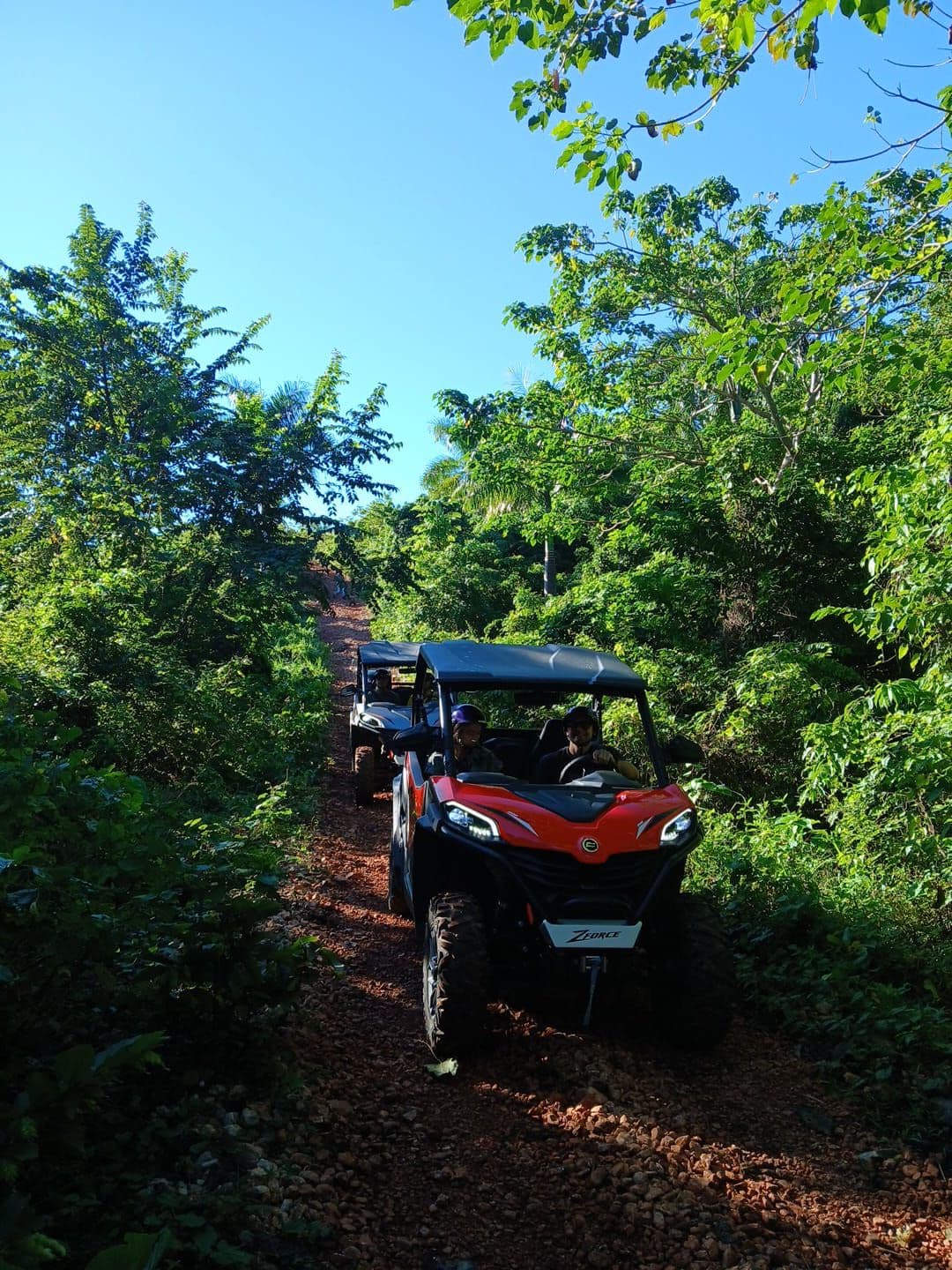
- Getting between surf spots is easiest by rented scooter or 4x4 — some beach access roads require serious clearance
Surfing in Samaná rewards those willing to explore beyond the postcard beaches. The Samaná Peninsula's north-facing coastline catches North Atlantic swells from November to March, producing rideable waves at Playa Bonita, Playa Cosón, and a handful of raw, crowd-free breaks that most visitors never find. Water temperatures stay around 26–28°C (79–82°F) year-round — no wetsuit required.
I still remember the first morning I paddled out at Playa Bonita. The sun hadn't fully cleared the coconut palms yet. The water was the color of pale jade, and the only other people on the beach were two local fishermen dragging a pirogue above the tide line. No surf school flags, no rental shacks — just clean, shoulder-high waves peeling left off a rocky point. That morning taught me something most travel blogs won't tell you: Samaná is not a surf destination yet, and that's exactly why you should go now.
For a full picture of what the peninsula offers beyond the waves, check out the things to do in Samaná hub — the surf fits into a much richer adventure landscape here.
Surfing Samaná: What Makes the Peninsula Unique?
Samaná sits at the northeastern tip of the Dominican Republic, jutting into the Atlantic like a natural wave collector. Unlike the calm Caribbean waters of the south coast, the peninsula's northern shores face the open Atlantic — and that makes all the difference for surfing.
The coastline runs roughly east to west, catching swells generated by North Atlantic storms between October and April. These swells wrap around headlands and refract into bays, creating surprisingly varied wave conditions across a relatively short stretch of coast. You can drive from one surf spot to another in under 45 minutes.
What Samaná lacks in infrastructure — and compared to Cabarete on the north coast, it lacks quite a lot — it makes up for in raw beauty and solitude. You won't find surf camps on every corner. What you will find is uncrowded lineups, warm water, and the kind of unspoiled scenery that makes a session feel like a private screening.
If you're also into wind-powered water sports, the kitesurfing Las Terrenas guide covers the conditions at Punta Popy and El Portillo in detail — some days the wind that ruins surf conditions is perfect for kiting.
Playa Bonita Surf: The Peninsula's Most Consistent Break
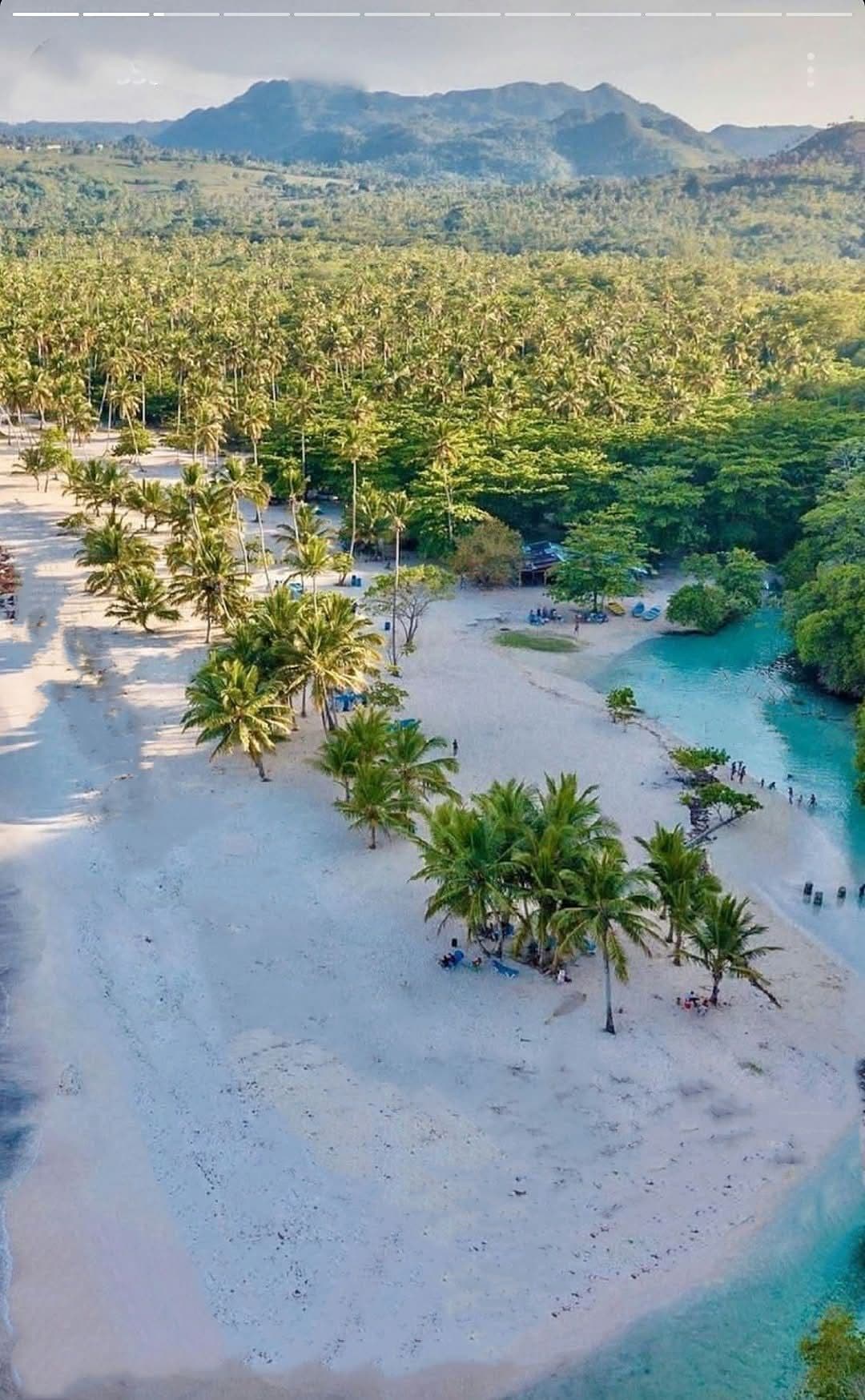
Playa Bonita sits about 4 km west of Las Terrenas town center, accessible via a bumpy but passable road through coconut plantations. The beach itself is a sweeping arc of pale gold sand, maybe 800 meters long, with a reef-and-sand bottom that shapes waves differently depending on where you position yourself.
The western end of Playa Bonita produces the most consistent surf. A shallow reef shelf creates a left-breaking wave that peels for 50–80 meters on a good swell. On smaller days — 0.5 to 1 meter — it's ideal for beginners working on their pop-up. When a solid North Atlantic swell arrives and wave faces hit 1.5 to 2 meters, the same break becomes punchy and fast, demanding proper surf fitness.
The eastern end of the beach is sandier and more forgiving. Whitewash reforms here even when the main break closes out, making it the go-to zone for surf lessons. Several independent instructors operate seasonally from this stretch — look for the board racks near the beach access path.
Insider tip: The best Playa Bonita sessions happen on an incoming tide, roughly two hours before high tide. At low tide, the reef section gets shallow fast — I've seen fins snap on exposed rock. Check the tide chart the night before and plan accordingly.
Playa Cosón: Power Waves for Intermediate and Advanced Surfers
Playa Cosón is longer, wilder, and considerably more exposed than Playa Bonita. Stretching nearly 3 km along the coast west of Las Terrenas, Cosón is one of the most dramatic beaches on the entire peninsula — and on a big swell day, it shows.
Unlike Playa Bonita's reef-shaped walls, Cosón is primarily a beach break. That means the waves shift constantly depending on sandbar position, swell direction, and wind. On a northwest swell with offshore winds, peaks appear all along the beach with hollow, punchy sections that reward surfers who can read a moving lineup.
Cosón's size works in your favor. Even when the beach has other surfers — rare, but it happens during the December–January peak — you can walk 500 meters in either direction and find your own peak. I've had hour-long sessions at Cosón without another surfer in sight, on days with perfectly overhead waves.
The access road to Cosón's western end requires a 4x4 vehicle or a confident scooter rider. The eastern access near the small community is easier but puts you in the more crowded (still very uncrowded) section. If you're renting a vehicle, a 4x4 is worth every peso — see our guide to driving in the Dominican Republic for rental tips and road condition advice specific to Samaná.
Beyond the Main Breaks: Hidden Surf Spots Near Las Galeras
Las Galeras, at the far eastern tip of the peninsula, is primarily known for its calm coves and snorkeling. But tucked around the headlands are two exposed beaches — Playa Frontón and Playa Rincón's eastern point — that pick up swell when the angle is right.
Playa Frontón is only accessible by boat or a challenging 45-minute hike over the headland. When a northeast swell wraps into the bay, it produces a surprisingly clean left-hander off the cliff face. It's inconsistent and requires the right conditions, but when it works, it genuinely works. Boat operators near the Las Galeras dock can take you out for around RD$800–RD$1,200 (~$14–$21 USD) per person round trip.
The eastern point at Playa Rincón occasionally breaks on large swells, though the beach is better known for its turquoise water and the freshwater stream that cuts across the sand. Think of it as a bonus session after a beach day rather than a dedicated surf trip.
Insider tip: Local fishermen near Las Galeras often know when swells are coming before any app does. If you see them pulling boats higher up the beach than usual, that's your signal — a swell is building.
Surf Spot Comparison: Samaná Peninsula 2026
| Spot | Wave Type | Best Swell | Skill Level | Access | Crowd Level |
|---|---|---|---|---|---|
| Playa Bonita (west end) | Reef left-hander | NW, N | Beginner–Intermediate | Easy road, 4km from Las Terrenas | Low |
| Playa Bonita (east end) | Sandy reform | Any | Beginner | Easy road | Very Low |
| Playa Cosón (west) | Beach break peaks | NW, W | Intermediate–Advanced | 4x4 road | Very Low |
| Playa Cosón (east) | Beach break peaks | N, NW | Beginner–Intermediate | Passable road | Very Low |
| Playa Frontón | Reef left-hander | NE, N | Intermediate–Advanced | Boat or hike | Rarely crowded |
| Las Galeras area | Varied reef | NE | Advanced | Boat | Virtually empty |
What Does It Cost to Surf in Samaná?
Samaná is genuinely affordable compared to established surf destinations in the Caribbean. Here's a realistic breakdown of what to budget in 2026:
- Board rental (per day): RD$1,200–RD$2,000 (~$21–$34 USD) from independent operators near Playa Bonita
- Beginner surf lesson (2 hours, board + instruction): RD$2,500–RD$3,500 (~$43–$60 USD)
- Scooter rental (per day): RD$900–RD$1,500 (~$15–$26 USD) — the most practical way to reach multiple spots
- 4x4 vehicle rental (per day): RD$4,000–RD$7,000 (~$69–$120 USD) — needed for Cosón's western access
- Boat to Playa Frontón: RD$800–RD$1,200 (~$14–$21 USD) per person, round trip
- Surf wax and minor supplies: Available in Las Terrenas at colmados (corner stores) and small surf-adjacent shops
For context on keeping your overall trip budget lean, the budget travel Samaná guide has excellent tips on accommodation and food costs that complement a surf trip well.
When Is the Best Time to Surf in Samaná?
The surf calendar in Samaná is tightly linked to North Atlantic storm systems. Here's how the seasons break down:
| Month | Swell Consistency | Wave Size | Wind Conditions | Crowds |
|---|---|---|---|---|
| October | Building | 0.5–1m | Variable | Very Low |
| November | Good | 0.8–1.5m | Mostly offshore AM | Low |
| December | Best | 1–2m | Offshore AM, onshore PM | Low–Moderate |
| January | Best | 1–2m | Offshore AM | Low–Moderate |
| February | Excellent | 1–2m | Offshore AM | Low |
| March | Good | 0.8–1.5m | Variable | Low |
| April–September | Flat to small | 0–0.5m | Onshore (trade winds) | Very Low |
The sweet spot is December through February. Swells are most consistent, mornings typically deliver offshore winds that groom the wave faces, and the weather is dry and warm. January is arguably the best single month — swells are frequent, the Christmas holiday crowd has thinned, and you can often score perfect waves without another surfer in sight.
Note that whale watching season overlaps with peak surf season. Humpback whales arrive in Samaná Bay from January through March — it's entirely possible to surf in the morning and join a whale watching tour in Samaná in the afternoon. Few destinations in the world offer that combination.
Is Samaná Good for Beginner Surfers?
Honestly? Yes — with some caveats. The east end of Playa Bonita is one of the more forgiving beginner setups I've seen in the Caribbean. The waves are small and slow on most days, the water is warm, and the sandy bottom reduces the consequences of wipeouts.
That said, Samaná is not Waikiki. There are no large commercial surf schools with safety protocols, rescue boards on standby, and manicured beginner zones. The surf instruction here is informal, delivered by passionate locals and expat surfers who know the water intimately. Always ask your instructor about current conditions before paddling out, especially at Cosón or any reef break.
For families considering surf lessons alongside other activities, the family-friendly activities in Samaná guide has useful context on which beach activities are appropriate for different ages.
Quick Tips
Quick Tips for Surfing in Samaná
- Go early. Morning sessions (6:30–9:30 AM) consistently offer lighter winds and cleaner wave faces. By midday, trade winds often turn onshore.
- Bring your own leash. Board rentals sometimes come without leashes — don't assume.
- Check Windguru or Surf-Forecast for Samaná-specific swell and wind forecasts. The data isn't always perfect for this coast, but it's the best available tool.
- Reef booties are worth packing if you plan to surf Playa Bonita's western reef section or Playa Frontón.
- Carry cash (pesos). Board rentals and lessons are cash-only. The nearest ATM to most surf spots is in Las Terrenas town.
How Do I Get to the Surf Spots from Las Terrenas?
Las Terrenas is the natural base for surfing in Samaná. It's the largest town on the peninsula's north coast and sits roughly equidistant from the main breaks.
- Playa Bonita: 4 km west of Las Terrenas town center, about 10 minutes by scooter via the main coastal road. Parking is informal — pull off near the beach access path.
- Playa Cosón (east access): 8 km west of Las Terrenas, about 20 minutes by scooter. The road is paved to the community turnoff.
- Playa Cosón (west access): Add another 15–20 minutes on a rough dirt track. 4x4 strongly recommended.
- Las Galeras (for Frontón): 40 km east of Las Terrenas via the main peninsula road, about 55–65 minutes by car. From Las Galeras dock, arrange a boat to Frontón.
Motoconchos (motorcycle taxis) can get you to Playa Bonita for around RD$150–RD$250 (~$3–$4 USD) from the town center. For Cosón and beyond, a rented scooter or car gives you the flexibility to chase the best conditions and explore multiple spots in a single day.
For detailed route planning and road condition advice, the Dominican Republic car rental and road tips guide is essential reading before you arrive.
The Surf Culture in Samaná: Small, Authentic, and Growing
Samaná doesn't have a surf culture in the way Cabarete or Puerto Plata does. There are no surf bars with highlight reels on loop, no contest events, no surf hostel scene. What exists is something more organic: a small community of local surfers who grew up reading these waves, a handful of expats who discovered the peninsula years ago and never fully left, and an increasing trickle of traveling surfers who've heard whispers about uncrowded waves and warm water.
The Dominican Republic's tourism board has begun promoting adventure tourism on the Samaná Peninsula more actively in recent years, which means infrastructure will improve — but for now, the surfing scene retains an exploratory, frontier quality that's genuinely rare in the Caribbean.
According to geographic and oceanographic data available via Wikipedia's entry on the Samaná Peninsula, the region's unique northeast-facing orientation creates a natural funnel for Atlantic swells — a fact that experienced surfers will immediately appreciate when they study the coastline on a map.
If you want to browse surf and adventure experiences in Samaná, Exploras connects you with local operators who can guide you to the right break for your level — and pair your surf session with everything else the peninsula has to offer.
Samaná Surf: The Verdict for 2026
Samaná won't replace Cabarete as the Dominican Republic's surf capital anytime soon. But that's not the point. Surfing in Samaná in 2026 is about discovery — uncrowded waves, warm water, and the pleasure of finding a break that feels like it belongs to you for the morning.
Playa Bonita delivers the most consistent and accessible surf on the peninsula. Playa Cosón rewards those willing to navigate rougher roads with powerful, shifting peaks. And the breaks around Las Galeras remain genuinely off the radar — the kind of spots that make you feel like a real explorer rather than a tourist following a guidebook.
Come between November and March. Go out early. Bring reef booties and a spare leash. And when a local fisherman points you toward a break you've never heard of, paddle out.
Ready to plan your trip? Explore adventure experiences and surf tours in Samaná on Exploras and find the right local operator for your skill level and travel dates.
Sources
Samaná Travel Specialist | 7 years booking experiences across the Peninsula
Sofia has personally tested and vetted over 80 tours, excursions, and services across Samaná — from whale watching season prep to El Limón waterfall treks and Los Haitises kayak routes. She focuses on matching traveler types to the right experience: families, couples, adventure seekers, digital nomads.


Plan your Samaná adventure
Explore the top tours and experiences near this guide — arranged directly with the operator.
Browse all experiencesRelated Articles.

Sport Fishing & Deep-Sea Fishing Tours from Samaná: 2026 Guide
Everything you need to book a deep sea fishing Samaná charter in 2026 — real prices, boat sizes, best months for mahi-mahi and marlin, and what to expect on the water.

Cave Tours in Samaná Beyond Los Haitises: Hidden Grottos
Discover the best cave tours in Samaná beyond Los Haitises, including the stunning Cueva de las Maravillas and lesser-known grottos with Taíno petroglyphs.

Los Haitises Night Tour 2026: Cave Kayaking & What to Expect After Dark
Discover what happens when the lights go out at Los Haitises. Cave kayaking, bioluminescence, and wildlife await on this unforgettable night tour from Samaná.