Driving in the Dominican Republic: Car Rentals & Road Tips for Samaná 2026.

Everything you need to know about renting a car and driving in Samaná in 2026 — from road conditions and safety tips to costs and insider advice.
Want your own wheels?
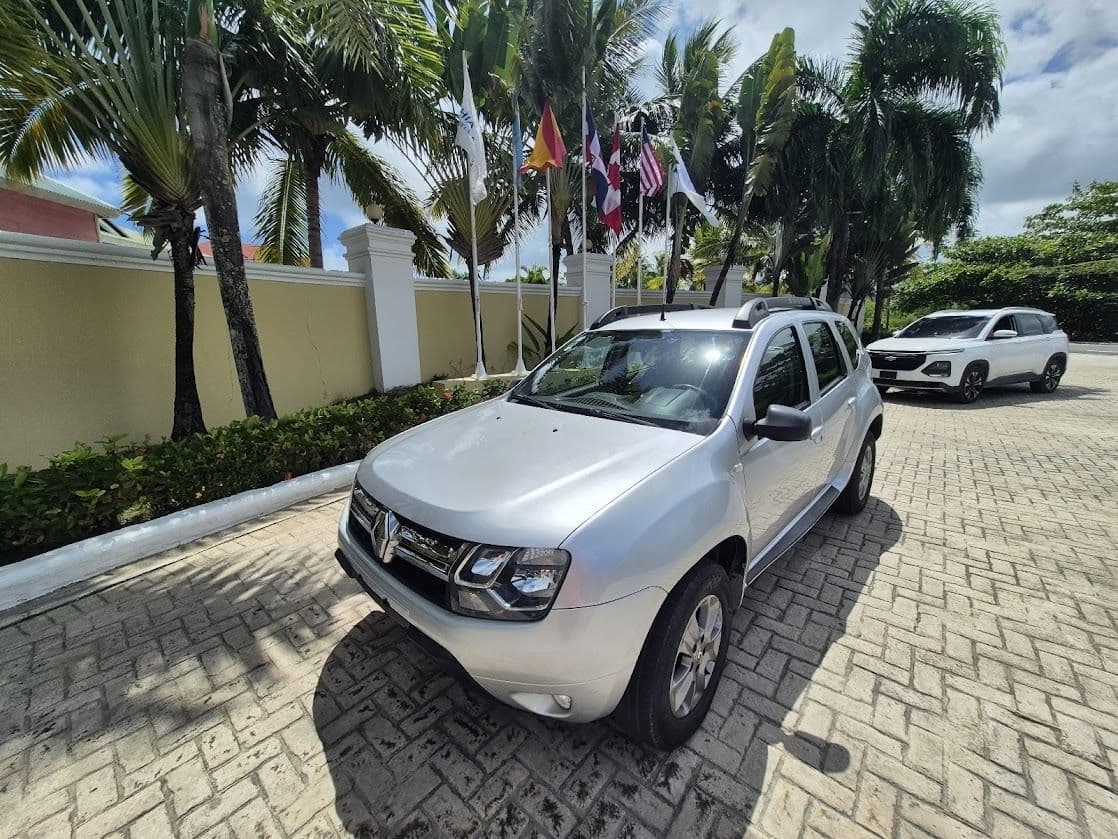
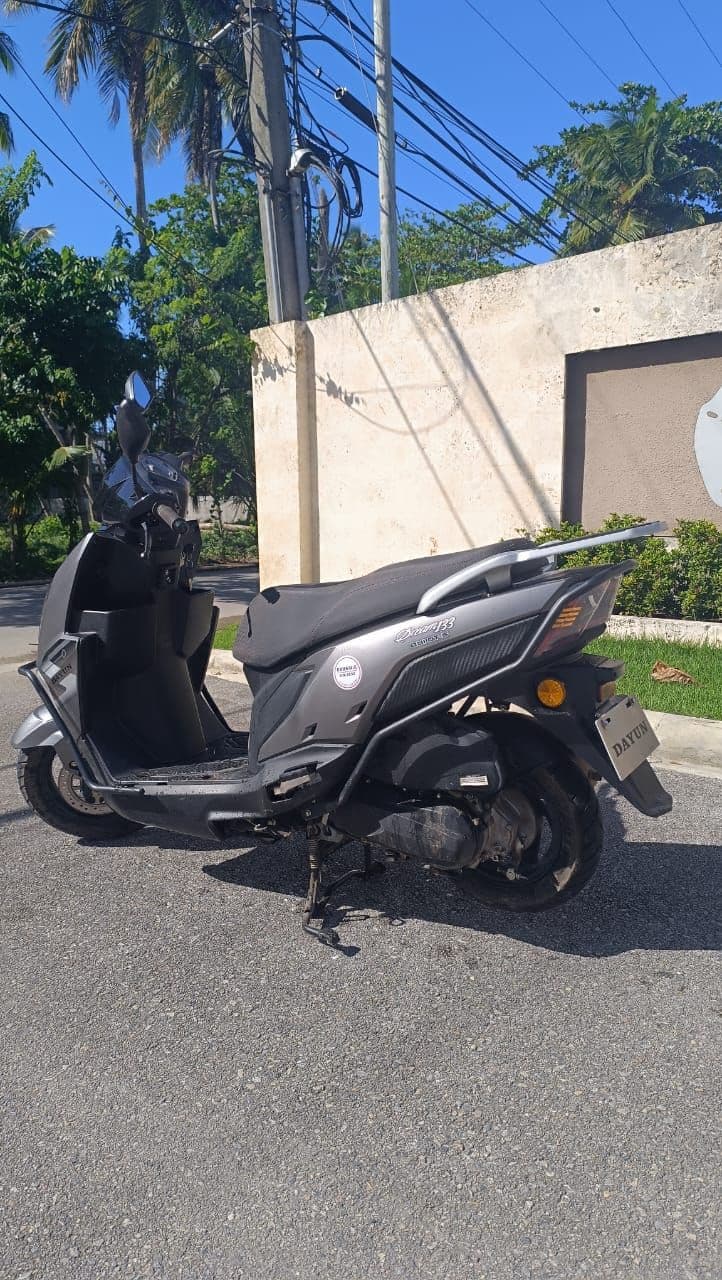
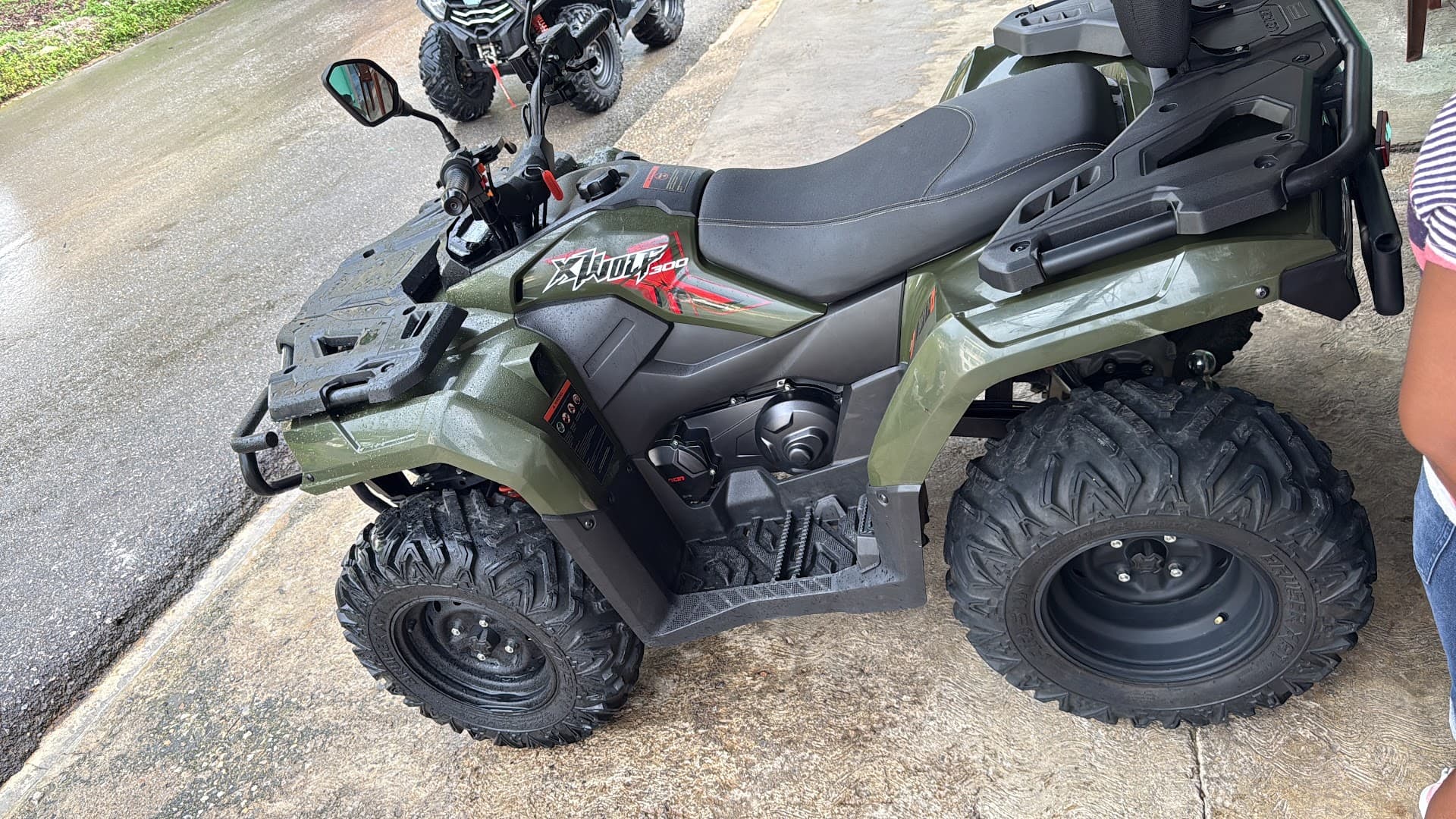
Compare car, scooter and quad rentals in one place and message the operators directly.
Message a local operator.
Message these Samaná operators directly on WhatsApp — you book with them, not through us.

Key Takeaways
Key Takeaways
- Driving in the Dominican Republic is manageable for confident drivers, but Samaná's roads demand extra preparation — especially for remote beaches and mountain routes.
- A 4x4 vehicle is strongly recommended for reaching places like Playa Rincón, El Limón, and Playa Frontón.
- Car rental in Samaná costs roughly RD$2,800–RD$6,500/day (~$48–$112 USD) depending on vehicle type and season.
- Always carry a printed copy of your rental agreement, your passport, and a local SIM card with data for offline maps.
- Dominican traffic laws differ from North American and European norms — understanding local driving culture will save you stress (and your bumper).
Driving in the Dominican Republic through the Samaná Peninsula puts some of the Caribbean's most spectacular scenery right outside your window — lush jungle hillsides, empty beaches, and roadside colmados selling cold Presidente beer. For independent travelers in 2026, having your own wheels unlocks corners of Samaná that no shared guagua (minibus) will ever reach.
The first time I drove the road from Las Terrenas toward El Limón, I genuinely laughed out loud. Not because it was terrible — but because nothing in my European driving experience had prepared me for the cheerful chaos of motoconchos weaving through traffic, goats standing in the road like they owned it, and a pothole the size of a small swimming pool appearing around a blind corner. After a dozen more trips across this peninsula, I've come to love it. But I've also learned the rules — both official and unwritten.
This guide covers everything you need to know about renting a car in Samaná, navigating Dominican republic roads, and arriving at your destination safely. Whether you're planning a 3-day Samaná itinerary or a longer stay, this is the practical briefing you need before you pick up those keys.
Driving in the Dominican Republic: What First-Timers Need to Know
Driving in the Dominican Republic is not like driving in Western Europe or North America. The rules exist — they're just interpreted with considerable creativity. Speed limits are posted but widely ignored. Lane markings are suggestions. Horns are used not in anger but as a communication tool: one short beep means "I'm passing," two means "thank you," and a long one means something has gone very wrong.
That said, the roads in and around the Samaná Peninsula have improved significantly in recent years. The main highway connecting Sánchez to Las Terrenas (via the tunnel through the mountains) is well-paved and genuinely impressive. The coastal road from Samaná town toward Las Galeras is scenic and mostly smooth. It's the secondary and rural roads where things get interesting.
Here's what you'll encounter on Dominican republic roads:
- Speed bumps (tumulos) — often unmarked, appearing suddenly on highways and village roads
- Motoconchos — motorcycle taxis that dart between lanes without warning
- Livestock — especially at dusk, when cows and horses graze roadside
- Flooding — during rainy season (May–November), some rural roads become impassable
- Potholes — ranging from minor nuisances to genuine axle-threatening craters
Drive defensively, reduce speed through villages, and never assume the road ahead is clear around a bend. With those habits in place, most drivers adapt within a day or two.
Car Rental in Samaná: Your Options and What They Cost
Finding a car rental in Samaná is straightforward, though the market is smaller than in Santo Domingo or Punta Cana. Most rental agencies operate out of Las Terrenas, which is the peninsula's main hub. You'll find a cluster of local and international agencies near the town center, and several hotels can arrange rentals directly.
If you want to rent a car in Las Terrenas, booking in advance during high season (December–March and July–August) is essential — stock runs out fast, especially for 4x4 vehicles.
Vehicle Types and Daily Rates (2026)
| Vehicle Type | Daily Rate (RD$) | Daily Rate (USD approx.) | Best For |
|---|---|---|---|
| Economy sedan | RD$2,800–3,500 | ~$48–$60 | Las Terrenas town, paved roads only |
| Mid-size SUV | RD$3,800–5,000 | ~$65–$86 | Most peninsula roads |
| 4x4 pickup/SUV | RD$5,000–6,500 | ~$86–$112 | El Limón, Playa Rincón, rural tracks |
| ATV/quad bike | RD$1,500–2,500/half day | ~$26–$43 | Short excursions, beach access |
Rates vary by season and agency. Fuel is extra — budget approximately RD$280–320/liter (~$4.80–5.50 USD) for gasoline.
Most agencies require a valid driver's license (your home country license is accepted for up to 90 days), a passport, and a credit card for the security deposit (typically RD$15,000–30,000 / ~$260–$515 USD held, not charged). Some local agencies accept cash deposits.
Quick Tips
Quick Tips
- Photograph every existing scratch and dent on the rental car before driving away — do it on video so it's timestamped.
- Ask specifically whether the insurance covers off-road tracks. Many basic policies exclude unpaved roads, which matters enormously in Samaná.
- Fill up in Las Terrenas or Sánchez before heading into rural areas — stations are sparse once you leave the main towns.
- Check tire condition, spare tire, and jack before accepting the vehicle. This is not paranoia; it's experience.
- International rental brands sometimes have better insurance coverage; local agencies often have better prices and flexibility.
Is a 4x4 Really Necessary for Samaná?
Short answer: if you plan to leave the main roads, yes — absolutely. I've watched sedan drivers turn back defeated on the track down to Playa Rincón, and I've seen rental cars with cracked undersides after drivers attempted the route to El Valle without the right vehicle. A 4x4 isn't a luxury in Samaná; it's a practical requirement for the best destinations.
Here's a breakdown of which roads need what:
Paved roads (sedan fine):
- Las Terrenas town and surroundings
- Highway through the Samaná tunnel (Las Terrenas ↔ Sánchez)
- Samaná town to Las Galeras coastal road
- Samaná town center
Rough/unpaved (4x4 strongly recommended):
- Track to Playa Rincón from Las Galeras (approx. 8 km, 25–35 min)
- Road to El Limón village (especially after rain)
- Route to Playa Cosón's far end
- El Valle and surrounding rural tracks
- Any road toward the peninsula's northern coast
For Playa Rincón, many visitors actually skip the drive entirely and take a boat from Las Galeras — which is often faster and more scenic. But having a 4x4 gives you the freedom to arrive early, stay late, and explore at your own pace.
How to Navigate Dominican Republic Roads in Samaná
Getting around the Samaná Peninsula by car is genuinely one of the great travel pleasures — once you understand the lay of the land. The peninsula is roughly 90 km long from the Sánchez entrance to Las Galeras, and the main routes connect the three key towns: Las Terrenas (north coast), Samaná town (south coast), and Las Galeras (far eastern tip).
Key Routes and Travel Times
| Route | Distance | Driving Time | Road Condition |
|---|---|---|---|
| Sánchez → Las Terrenas (via tunnel) | 17 km | 20–25 min | Excellent paved highway |
| Las Terrenas → Samaná town (via Sánchez) | 55 km | 50–65 min | Good paved road |
| Samaná town → Las Galeras | 28 km | 35–45 min | Good, some curves |
| Las Terrenas → El Limón village | 14 km | 25–35 min | Mixed; rough near village |
| Las Galeras → Playa Rincón (road) | 8 km | 25–35 min | Rough track, 4x4 needed |
| Las Terrenas → Playa Cosón | 8 km | 15–20 min | Mostly paved |
One thing that catches visitors off guard: Google Maps works in Samaná but isn't always reliable for rural tracks. Download an offline map via Maps.me or use the Waze app, which local drivers swear by and which updates road conditions in near real-time. I always run both apps simultaneously on longer drives.
Insider tip: The road between Las Terrenas and Samaná town via the mountain interior (rather than via Sánchez) is shorter on the map but significantly rougher and longer in practice. Unless you have a 4x4 and enjoy an adventure, take the highway via Sánchez.
What Are the Traffic Laws and Safety Rules in the Dominican Republic?
The Dominican Republic follows right-hand traffic (same as the US). The legal framework is based on standard international road rules, but enforcement is inconsistent outside of Santo Domingo. Here are the rules that matter most for Samaná visitors in 2026:
- Speed limits: 80 km/h on highways, 40–60 km/h in urban areas, 30 km/h near schools
- Seatbelts: Mandatory for driver and front passenger (enforced at checkpoints)
- Blood alcohol limit: 0.05% — lower than the US but higher than the UK
- Mobile phone use: Prohibited while driving
- Headlights: Required at night and in tunnels (including the Samaná tunnel)
- Insurance: Third-party liability insurance is legally required
Police checkpoints (puntos de control) appear occasionally on main roads. Stay calm, have your documents ready (passport, license, rental agreement), and be polite. Most stops are brief and routine. If you're asked for a payment that seems irregular, ask for an official receipt — this usually resolves the situation quickly.
For a broader overview of staying safe while traveling in the region, the Dominican Republic safety guide 2026 covers everything from petty crime to natural hazards in detail.
Second insider tip: Avoid driving at night if possible, especially on rural roads. It's not that it's inherently dangerous — it's that unmarked speed bumps, unlit livestock, and the occasional vehicle with no working lights make nighttime driving genuinely stressful. Most experienced travelers in Samaná simply plan to be back at their accommodation before dark.
Alternatives to Renting a Car in Samaná
Not everyone wants to navigate Dominican republic roads independently — and that's completely valid. The good news is that Samaná has solid alternatives depending on your travel style and budget.
Motoconcho (motorcycle taxi): The local workhorse. Cheap (RD$50–200 / ~$1–3.50 USD for short trips), fast, and ubiquitous in Las Terrenas and Samaná town. Fine for town errands; not ideal for luggage or long distances.
Guagua (shared minibus): Connects major towns for RD$100–300 (~$1.70–5 USD). Runs frequently between Sánchez, Las Terrenas, and Samaná town. Authentic, affordable, and an experience in itself — but schedules are loose and luggage space is limited.
Private transfers: Many accommodations arrange airport or inter-town transfers. Expect RD$2,500–5,000 (~$43–86 USD) for a private car from El Catey airport to Las Terrenas.
Organized tours: For specific destinations like El Limón waterfall, Cayo Levantado, or Los Haitises, a guided tour often makes more sense than renting a car. You get local knowledge, transport, and context included. Browse experiences and tours in Samaná to see what's available through Exploras.
If you're planning day trips from Las Terrenas, a combination of a rental car for some days and organized tours for others often gives the best balance of flexibility and ease.
Planning Your Route: Getting the Most from Your Rental Car
Having wheels in Samaná is genuinely transformative. You can catch sunrise at Playa Bonita before the day-trippers arrive, drive the scenic coastal road to Las Galeras for lunch, and be back in Las Terrenas for sunset cocktails — all in one day, at your own pace.
For budget-conscious travelers, a rental car can actually save money when split between two or more people. Check out the budget travel Samaná guide for a full breakdown of how car rental compares to other transport options over a week-long stay.
Here are a few route ideas that reward having your own transport:
- The Eastern Loop: Las Terrenas → Sánchez → Samaná town → Las Galeras → Playa Rincón (by boat or 4x4 track) → return via same route. Full day, approximately 130 km round trip.
- Waterfall Morning: Las Terrenas → El Limón village → hike or horseback ride to the waterfall → back for lunch. Half day, approximately 28 km round trip.
- North Coast Exploration: Las Terrenas → Playa Cosón → Playa Bonita → Playa Las Ballenas → Las Terrenas. Easy half-day loop, mostly paved.
For anyone traveling as a couple or family, having a car unlocks the kind of spontaneous freedom that makes a holiday feel truly special. The romantic Samaná couples travel guide has specific route suggestions for partners who want to explore beyond the resort bubble.
Sources
Frequent visitor | Montreal-based travel writer, 9 trips to Samaná
Marc started coming to Samaná as a tourist and never really stopped. He writes from the perspective of a Canadian traveler who's made every mistake so you don't have to — wrong season, wrong operator, wrong transportation. His content is direct, skepticism-first, and built on repeat experience rather than press trips.


Plan your Samaná adventure
Explore the top tours and experiences near this guide — arranged directly with the operator.
Browse all experiencesRelated Articles.

Samaná in the Rainy Season: What to Do and When It Rains
A local's guide to the Samaná rainy season — when it actually rains, what still works, and how to turn a wet afternoon into one of the best parts of your trip.

Punta Cana to Samaná Transfer: Routes, Time & Prices 2026
Everything you need to know about getting from Punta Cana Airport to Samaná in 2026: route options, realistic travel times, and honest price comparisons.

Dominican Republic eSIM & SIM Cards: Samaná Traveler Guide 2026
Everything Samaná-bound travelers need to know about getting a Dominican Republic eSIM or SIM card, with real prices, coverage notes, and setup tips from someone who's tested them all.