Is Samaná Safe? Dominican Republic Safety Guide 2026.

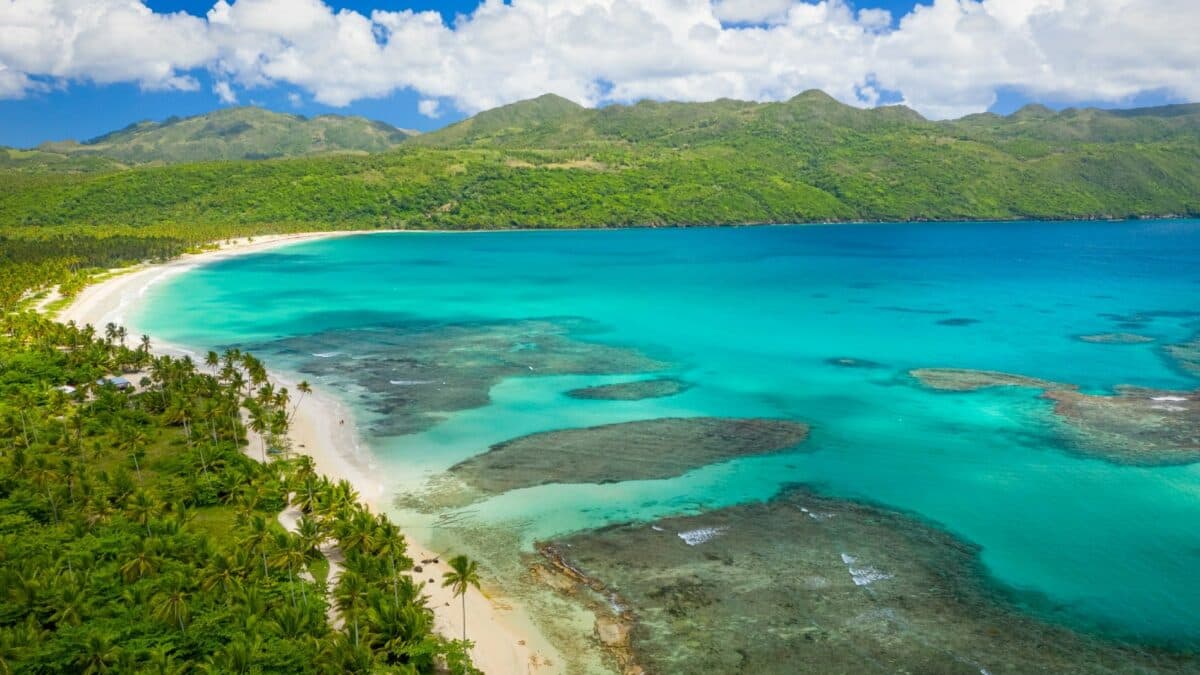
Photo by Teah Rushing on Unsplash
Complete safety guide for traveling to the Dominican Republic and Samaná Peninsula. Essential tips from local experts for a secure, worry-free Caribbean adventure.
Key Takeaways
Key Takeaways
- Samaná Peninsula is one of the safest regions in the Dominican Republic with low crime rates
- Basic precautions like avoiding flashy jewelry and staying in groups at night prevent most issues
- Tourist police (POLITUR) patrol the busy areas of Las Terrenas and Samaná town
- Water safety and sun protection are more important than crime concerns
- Local emergency numbers: 911 (general), POLITUR tourist police (809) 222-2026
The Samaná Peninsula is one of the calmer parts of the Dominican Republic, and for most visitors the real risks are sunburn, strong surf and petty theft rather than crime. A little preparation covers almost all of it.
The Dominican Republic has invested heavily in tourism safety infrastructure since 2020, and Samaná safety measures have improved dramatically. Tourist police patrol beaches, major hotels employ security, and local communities have embraced sustainable tourism that benefits everyone.
Is Samaná Safe?
Yes, for the vast majority of visitors. The real risks are petty theft, taxi overcharging and, above all, the sea: strong Atlantic currents and the sun.
Samaná's towns are small and live from tourism, and the problems visitors actually report are minor ones:
- Violent crime against tourists: Rare
- Most common issues: Petty theft, overcharging, minor scams
Las Terrenas, Las Galeras and Samaná town have a visible POLITUR (tourist police) and security presence in the busy areas. The main strip in Las Terrenas stays lively late into the evening; after dark, stick to lit, busy streets and move in company where you can.
The POLITUR (tourist police) patrol the busy areas of Las Terrenas and Samaná town, and some officers speak English.
Understanding Dominican Republic Safety in 2026
Samaná's small, tourism-dependent communities make it one of the calmer parts of the country.
Most safety concerns stem from petty theft rather than violent crime, and Dominicans are famously welcoming to visitors who make an effort to say hello in Spanish.
The key is understanding local customs and taking sensible precautions. Think of it like visiting any major city: stay aware, don't flash wealth, and trust your instincts.
Quick Tips
Quick Tips for Immediate Safety
- Keep passport copies separate from originals
- Use hotel safes for valuables and extra cash
- Download offline maps before exploring remote areas
- Learn basic Spanish phrases for emergencies
- Save important numbers in your phone before arrival
Essential Travel Safety Tips for Dominican Republic Visitors
Money and Valuables Security
Never carry large amounts of cash — ATMs are widely available in Las Terrenas and Samaná town. Carry what you need for the day, roughly RD$2,000–3,000 (US$35–55), and leave the rest locked away.
Use hotel safes religiously. Even small guesthouses in Las Galeras usually offer secure storage. Never leave a bag, phone or camera unattended on a beach chair.
Credit cards work at most established restaurants and tour operators, but always have cash backup. Many local colmados (corner stores) and motoconcho drivers only accept pesos.
Transportation Safety Strategies
Motoconcho rides are the everyday way to get around and are generally safe with common sense. Always:
- Negotiate price beforehand
- Wear the provided helmet (required by law)
- Avoid during heavy rain or late evening
- Use established drivers near hotels when possible
Rental car safety is good on the main roads. The highway from Santo Domingo to Samaná is well-maintained and patrolled (our Santo Domingo to Las Terrenas guide covers the route and tolls). Secondary roads to remote beaches can be rough: a 4x4 helps on the dirt track to Playa Rincón, and Playa Frontón has no road at all, so you go by boat or on foot.
For airport transfers, book through your hotel or explore transport options on Exploras rather than accepting random offers at the airport.
Beach and Water Safety Priorities
Honestly, ocean safety concerns outweigh crime worries in Samaná. The Atlantic side can have strong currents, especially during winter months. Playa Bonita and Playa Cosón require more caution than the protected coves near Las Galeras.
Ask locals about current conditions before you swim. Beach vendors and restaurant staff know the day's waves and will warn you about dangerous spots. Lifeguards are rare outside resort beaches, so never swim alone in unfamiliar places.
Sun protection is critical: the Caribbean sun catches many visitors off guard, and sunburn is one of the most common ways a trip goes wrong. Reapply after every swim.
What Should I Avoid in the Dominican Republic?
Mostly small things: tourist-price taxi quotes, unlicensed tour touts on the beach, isolated beaches after dark and unmarked trails without a guide.
Common Tourist Scams to Recognize
Most "scams" in Samaná are minor overcharging rather than elaborate schemes. Taxi drivers may quote tourist prices — always ask "¿Cuánto para dominicanos?" (How much for Dominicans?) to get realistic rates.
Fake tour operators occasionally approach tourists at beaches. Legitimate operators have proper signage, insurance documentation, and established locations. When booking excursions to Los Haitises National Park, use verified operators through hotels or platforms like Exploras.
Jewelry and souvenir pressure sales happen on some beaches. A firm, friendly "no, gracias" works, and a few words of Spanish make approaches noticeably less pushy.
Areas and Situations to Approach Carefully
Isolated beaches after sunset should be avoided, not due to crime but practical safety. Rocky coastlines become dangerous in darkness, and help is far away if accidents occur.
Downtown Samaná late evening is generally safe but quiet. Most restaurants and bars close by 10 PM except during whale watching season (January-March). Las Terrenas has more nightlife options and better lighting.
Unmarked hiking trails call for a local guide, especially around the El Limón waterfall, where paths fork and are easy to lose. El Limón Waterfall guides know the safe routes and current trail conditions.
How Safe Are Dominican Republic Resorts and Hotels?
Accommodation on the peninsula is generally secure. Most hotels, from budget guesthouses to villas, have staff or a guard on site around the clock; for a private rental, check reviews for mentions of security and lockable storage.
All-inclusive resorts on the peninsula have comprehensive security systems, medical facilities, and English-speaking staff. However, don't let resort comfort create false confidence about venturing out unprepared.
Boutique hotels in Las Galeras often feel like staying with family. Owners personally ensure guest safety and provide detailed local guidance. These smaller properties sometimes offer more authentic security through community connections.
Hotel Safety Checklist
- Room safes
- 24-hour front desk or security
- Well-lit entrances and pathways
- Emergency contact information in multiple languages
- Proximity to medical facilities or tourist police
Health and Medical Safety Considerations
Medical facilities in Samaná have improved dramatically. Las Terrenas has a modern clinic with emergency services, and serious cases are transferred to Santiago or Santo Domingo.
Travel insurance is essential, less for crime than for medical cover: private clinics expect payment up front, and treatment or an evacuation can be expensive. Check that your policy covers water sports and motorbike rides if you plan either.
Prescription medications should be brought in original containers with copies of prescriptions. Local pharmacies stock common medications but may not have specific brands.
Water and Food Safety Guidelines
Drink bottled or filtered water. Tap water is not considered safe to drink anywhere in the Dominican Republic, and most hotels provide bottled water.
Restaurant food safety is generally good in tourist areas. Local colmados and comedores are fine; pick busy places with high turnover and skip seafood that has been sitting out in the heat.
Street food from established vendors is usually safe and delicious: empanadas, fresh fruit and grilled corn are local favourites. Hot, freshly cooked items are the safest choice.
Emergency Contacts and Resources for Travelers
Essential phone numbers to save before arrival:
- 911: General emergency (police, fire, medical)
- (809) 222-2026: Tourist police (POLITUR) head office
- Your embassy: look up its emergency number and save it before you travel
Tourist police (POLITUR) has officers in Las Terrenas and Samaná town. If you can't find them, call 911 or the head office number above.
Medical facilities:
- Clínica Especializada Internacional Las Terrenas (Calle Fabio Abreu, La Ceiba): private clinic with 24-hour emergency care
- Hospital Dr. Leopoldo Pou (Av. María Trinidad Sánchez, Samaná town): the province's public hospital, (809) 538-2597
- Pharmacies are in every town centre; bring any prescription medicine you need from home
Emergency Preparedness Kit
Emergency Preparedness Kit
- Copies of passport and insurance cards
- Emergency contact numbers in your phone
- Basic first aid supplies and personal medications
- Offline maps downloaded to your phone
- Small amount of emergency cash in both USD and pesos
Seasonal Safety Considerations: When Is Samaná Safest?
Samaná's safety profile remains consistent year-round, but seasonal factors affect comfort and logistics. Best time to visit Samaná from a safety perspective:
December-April (Peak Season):
- Maximum security presence and tourist police patrols
- All services operating at full capacity
- Higher prices but better infrastructure support
- Whale watching season brings additional maritime safety measures
May-November (Off-Season):
- Fewer crowds mean more personalized attention from locals
- Some remote areas have reduced services
- Hurricane season requires weather monitoring (June-November)
- Better prices but verify operator availability
Hurricane preparedness is straightforward — monitor weather forecasts and follow hotel guidance. Samaná's geography provides natural protection from most storms, and modern warning systems provide ample preparation time.
Cultural Safety: Respecting Local Customs
Understanding Dominican culture enhances both safety and enjoyment. Dominican traditions in Samaná emphasize family, respect, and community — values that extend to visitor treatment.
Dress appropriately for the setting. Beachwear is fine on the coast, but cover up in town centres and churches; respectful dress tends to mean warmer interactions.
Learn basic Spanish greetings — even simple "buenos días" and "gracias" open doors. Dominicans appreciate effort and respond with increased helpfulness and friendliness.
Tipping customs affect service quality and safety. Standard rates:
- Restaurants: 10-15% (often included in tourist areas)
- Motoconcho rides: Round up to nearest RD$50
- Tour guides: RD$200-500 ($3-9 USD) per person
- Hotel staff: RD$100-200 ($2-4 USD) per service
Is Las Terrenas Safe at Night?
The main strip and the beachfront restaurants stay busy into the evening, and most visitors walk them without trouble. After dark, stay in groups, take a known taxi or motoconcho rather than walking long unlit stretches, and keep away from isolated beaches.
Is It Safe to Swim at Samaná's Beaches?
Mostly yes, but the sea is the bigger risk here than crime. The Atlantic beaches such as Playa Bonita and Playa Cosón can have strong currents, especially in winter, while the coves around Las Galeras are calmer. There are few lifeguards, so ask locals about the day's conditions and never swim alone.
Is the Tap Water Safe to Drink in Samaná?
Drink bottled water. Las Terrenas and Las Galeras have improved their water systems, but bottled water is cheap, sold everywhere, and most hotels provide it daily.
Who Do I Call in an Emergency in Samaná?
Call 911 for police, fire or an ambulance. The tourist police, POLITUR, has officers in Las Terrenas and Samaná town; its head office number is (809) 222-2026. Save your embassy's emergency number before you travel.
Making the Most of Your Safe Samaná Adventure
Samaná Peninsula offers incredible experiences when approached with proper preparation. From snorkeling in crystal-clear waters to exploring pristine beaches like Playa Rincón, safety concerns shouldn't limit your adventure — just inform your approach.
The top activities in Samaná, from waterfall hikes to whale watching, suit families, solo travellers and older visitors alike with these basic precautions.
Trust your instincts, prepare appropriately, and embrace the warmth of Dominican hospitality. Samaná's combination of natural beauty and genuine local culture creates magical experiences when approached with respect and common sense.
Ready to explore Samaná safely? Browse verified experiences and transport options to start planning your secure Caribbean adventure with local experts who prioritize your safety and satisfaction.
Frequent visitor | Montreal-based travel writer, 9 trips to Samaná
Marc started coming to Samaná as a tourist and never really stopped. He writes from the perspective of a Canadian traveler who's made every mistake so you don't have to — wrong season, wrong operator, wrong transportation. His content is direct, skepticism-first, and built on repeat experience rather than press trips.

Plan your Samaná adventure
Explore the top tours and experiences near this guide — arranged directly with the operator.
Browse all experiencesRelated Articles.

Samaná in the Rainy Season: What to Do and When It Rains
A local's guide to the Samaná rainy season — when it actually rains, what still works, and how to turn a wet afternoon into one of the best parts of your trip.

Punta Cana to Samaná Transfer: Routes, Time & Prices 2026
Everything you need to know about getting from Punta Cana Airport to Samaná in 2026: route options, realistic travel times, and honest price comparisons.

Dominican Republic eSIM & SIM Cards: Samaná Traveler Guide 2026
Everything Samaná-bound travelers need to know about getting a Dominican Republic eSIM or SIM card, with real prices, coverage notes, and setup tips from someone who's tested them all.