Los Haitises National Park: Complete Guide to Samaná's Natural Wonder.

Discover Los Haitises National Park's ancient caves, pristine mangroves, and Taíno petroglyphs. Your complete guide to exploring this UNESCO treasure near Samaná Peninsula.
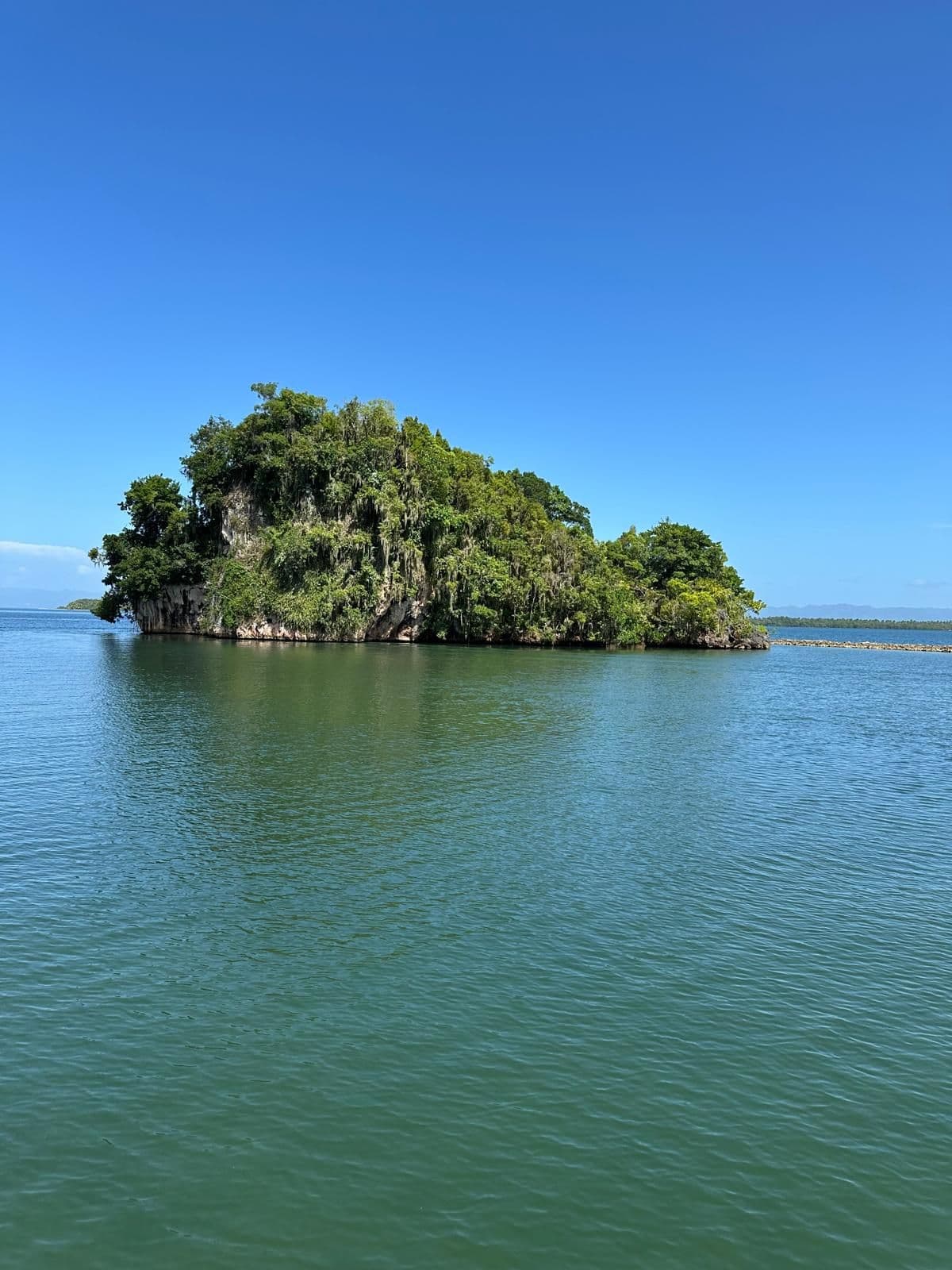
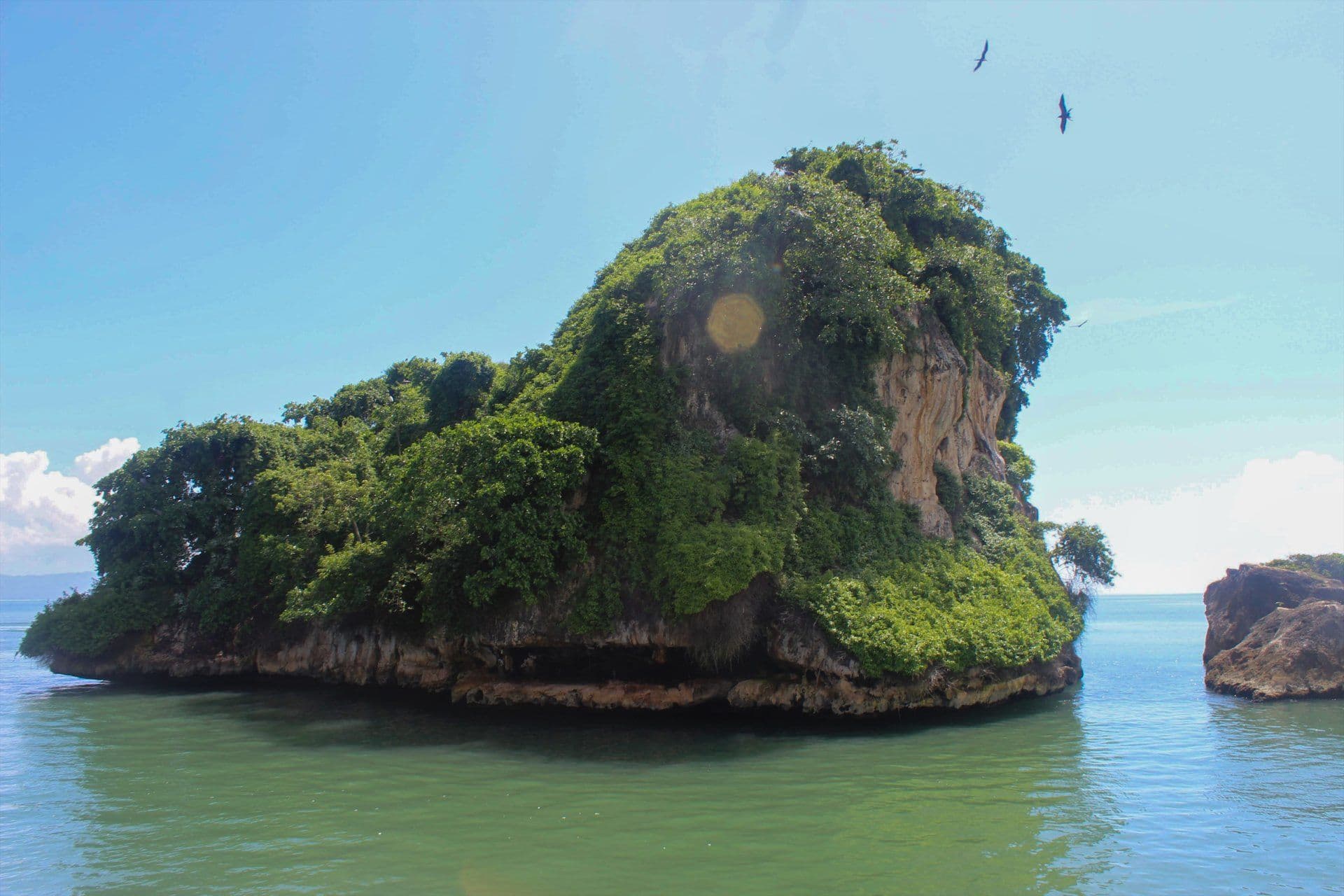
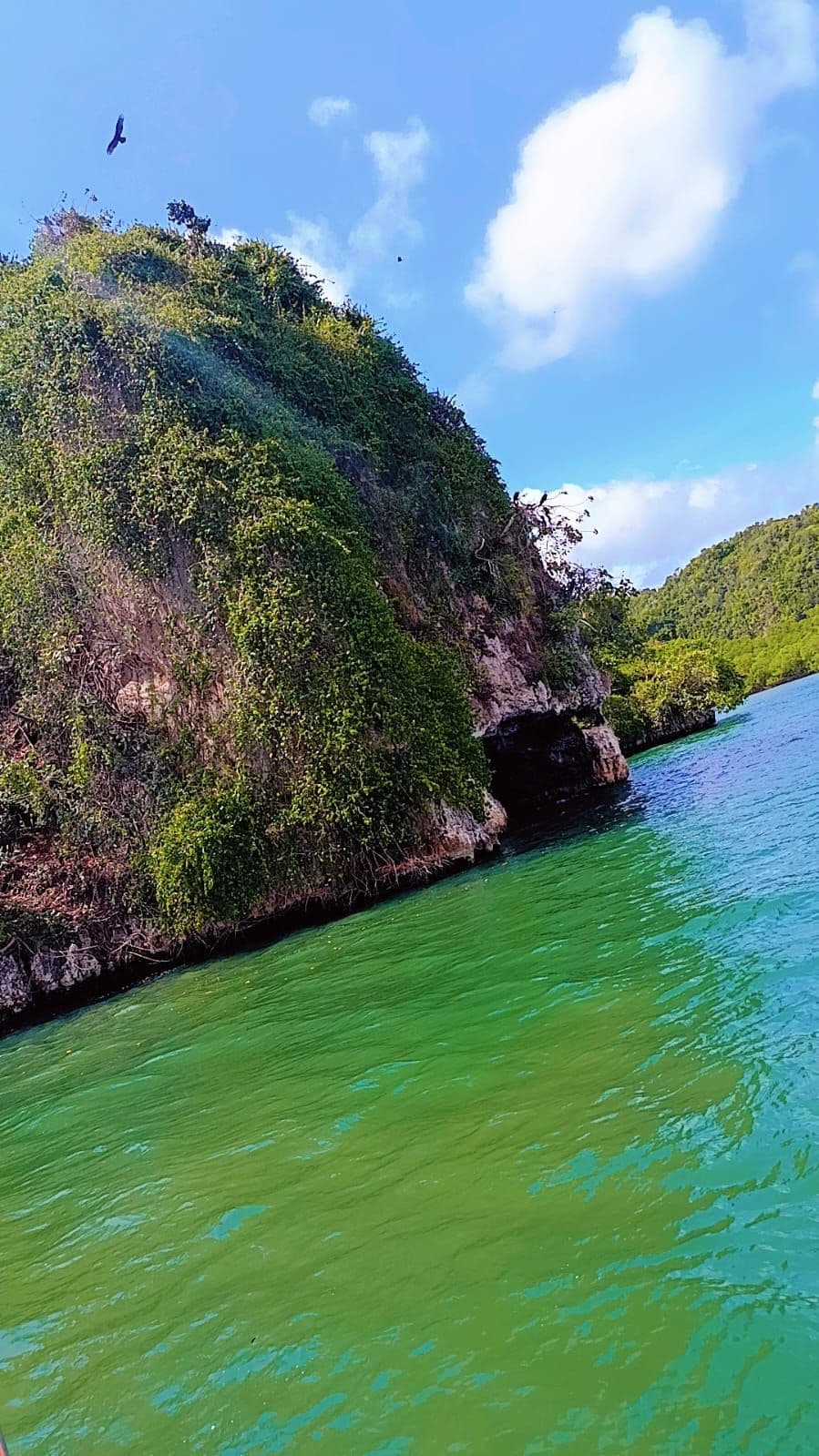
Emerald waters weave through towering limestone mogotes as your boat glides silently through the mangrove channels of Los Haitises National Park. Ancient caves whisper stories of the Taíno people, while frigatebirds soar overhead in one of the Caribbean's most pristine ecosystems. This remarkable national park, just a short journey from the Samaná Peninsula, offers visitors a chance to step back in time and witness nature's artistry at its finest.
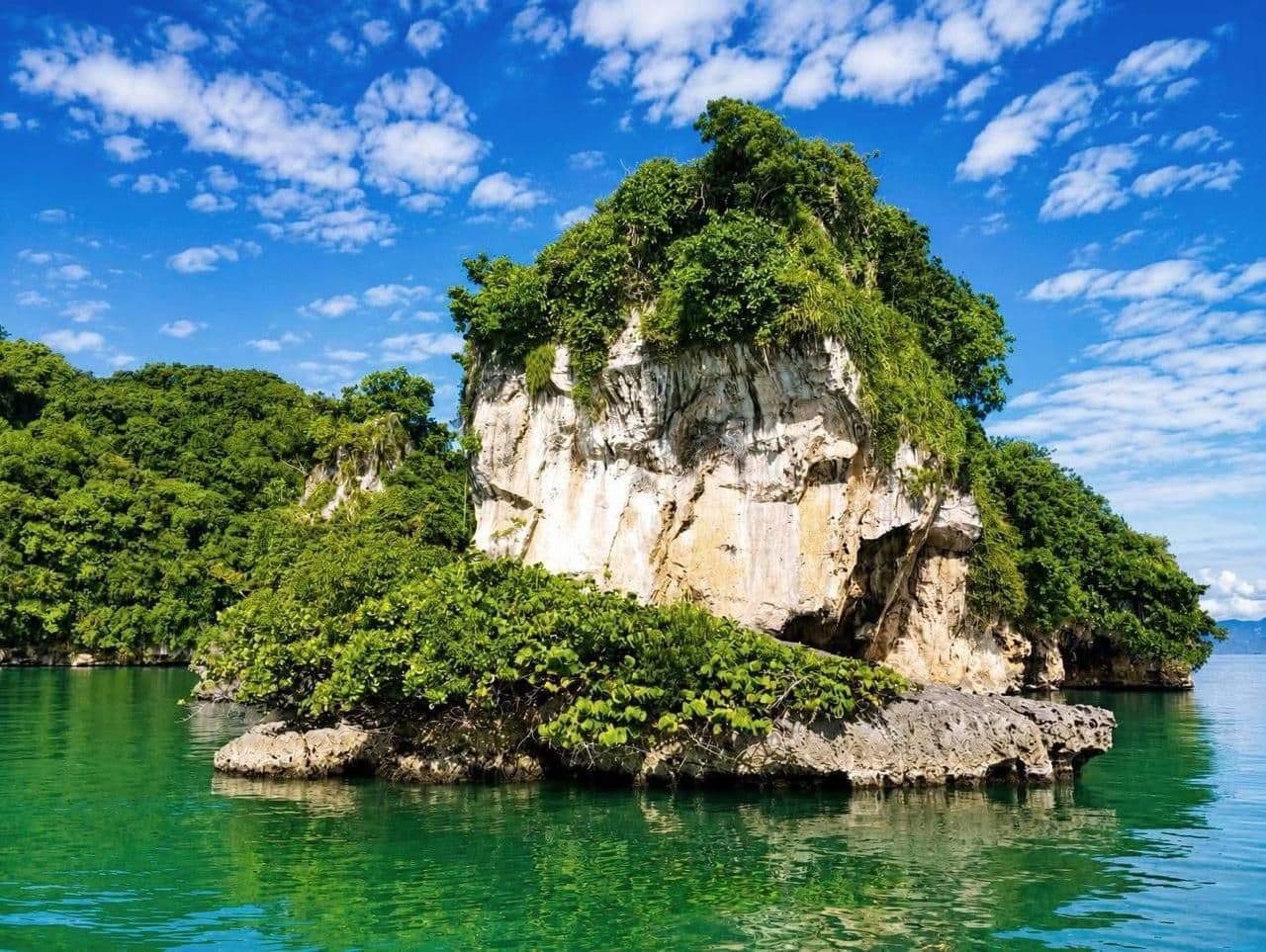
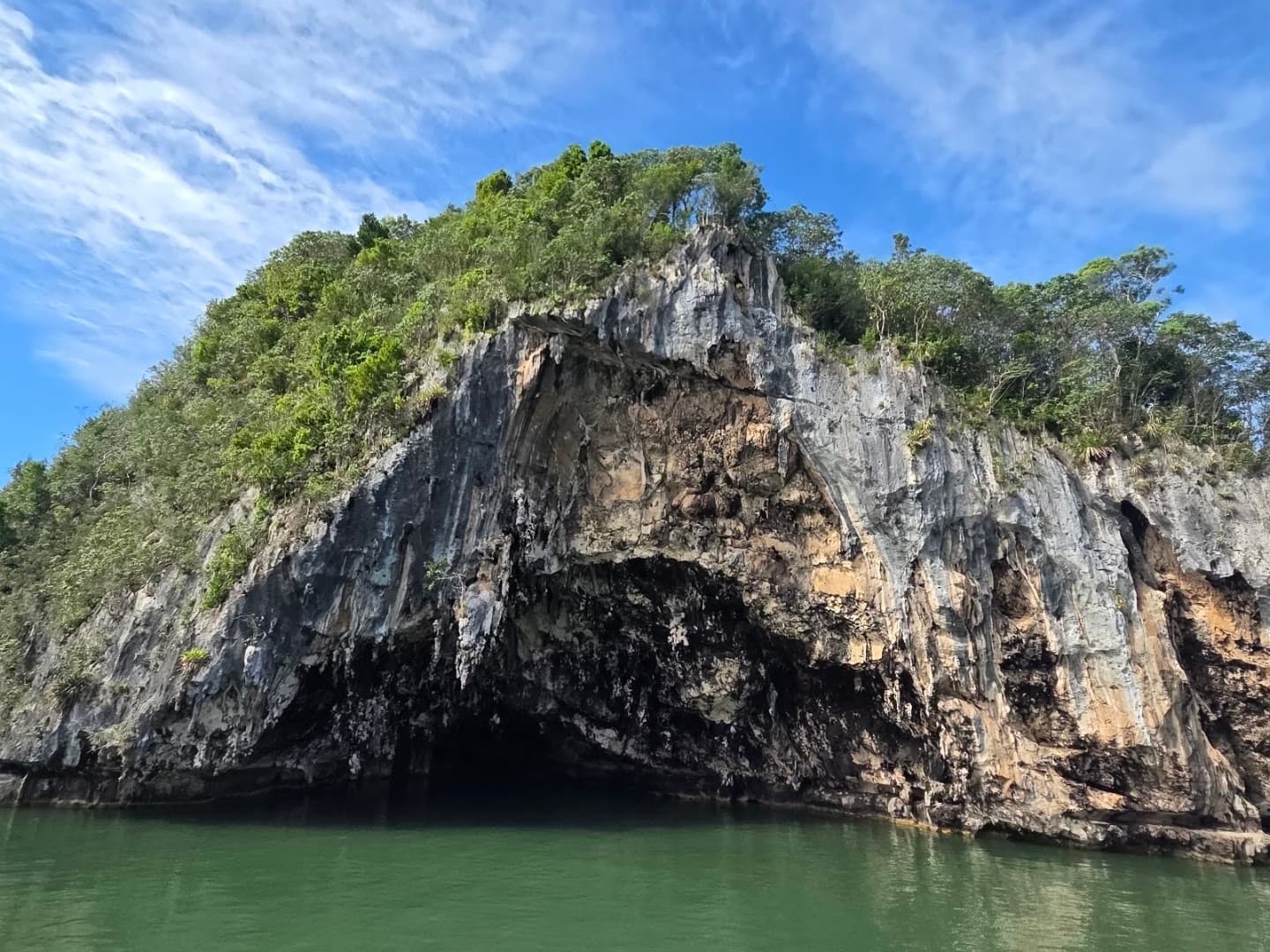
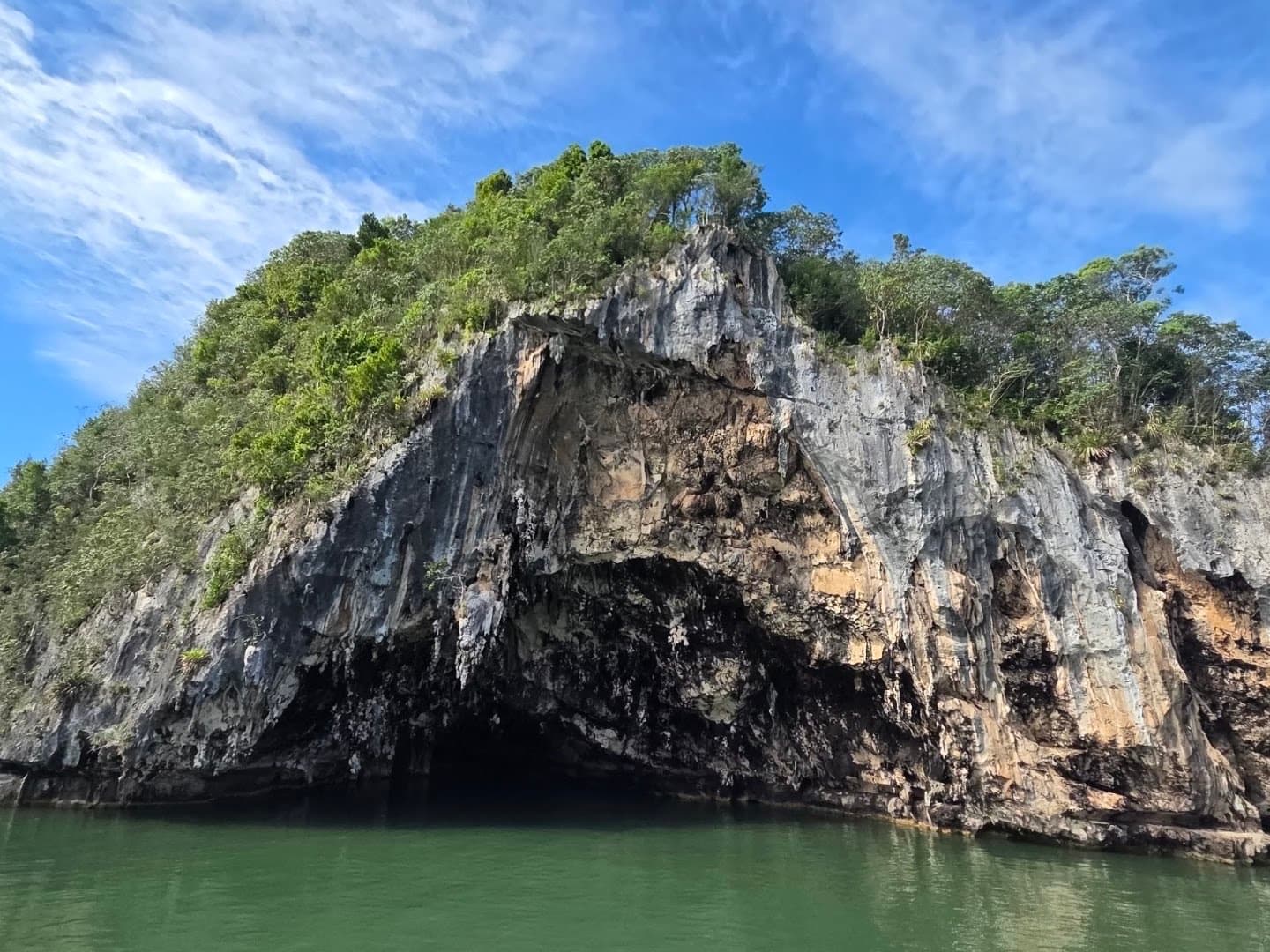
Los Haitises National Park stands as one of the Dominican Republic's most important protected areas, encompassing 1,600 square kilometers of mangrove forests, coastal plains, and dramatic karst formations. The park's name comes from the Taíno word "haitises," meaning highlands or hills, referring to the distinctive cone-shaped limestone formations that rise dramatically from the water.
What Makes Los Haitises National Park Special?
The park's unique geography creates a living laboratory where tropical rainforest meets marine ecosystem. Millions of years of geological activity have carved an intricate network of caves, underground rivers, and coastal formations that serve as sanctuaries for both wildlife and ancient human history.
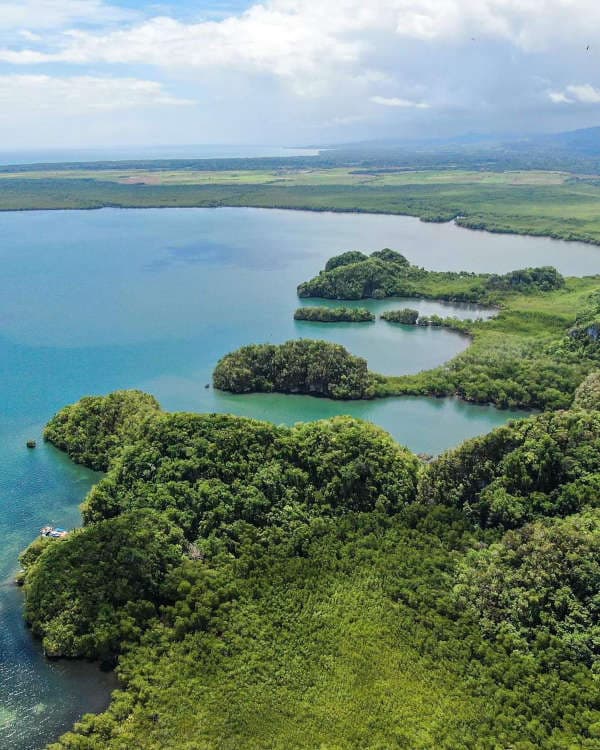
The mangrove forests here represent some of the Caribbean's most extensive and well-preserved systems. Four species of mangroves—red, black, white, and buttonwood—create a complex root system that serves as a nursery for countless marine species. These underwater forests filter pollutants, protect coastlines from erosion, and provide critical habitat for juvenile fish, crabs, and mollusks.
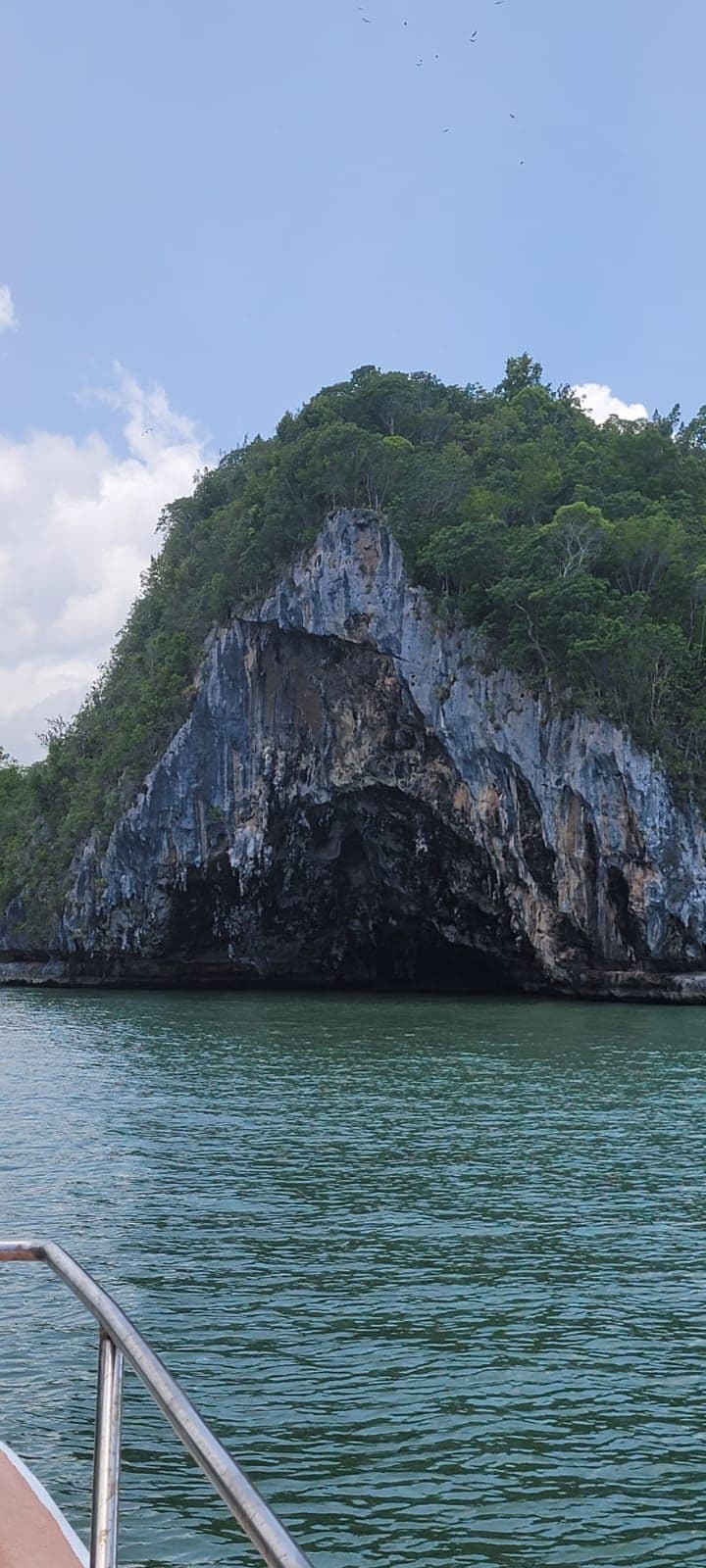
What truly sets Los Haitises apart are its caves adorned with Taíno petroglyphs and pictographs. These ancient artworks, created by the indigenous people who inhabited the island before Columbus's arrival, offer glimpses into pre-Columbian life in the Caribbean. The most significant sites include Cueva de la Arena and Cueva de la Línea, where visitors can observe well-preserved drawings depicting daily life, spiritual beliefs, and natural phenomena.
Planning Your Los Haitises Tour from Samaná
Most visitors access Los Haitises National Park through organized tours departing from Samaná Bay, making it perfectly positioned for travelers staying anywhere on the Samaná Peninsula. The journey begins with a scenic boat ride across Samaná Bay, offering stunning views of the peninsula's coastline and the chance to spot dolphins or seabirds along the way.
Tour durations typically range from half-day (4-5 hours) to full-day excursions (8-9 hours), with prices generally falling between RD$2,500-4,500 per person depending on group size and inclusions. The boat journey from Samaná town to the park takes approximately 45 minutes, while departures from Las Terrenas or Las Galeras may require additional transfer time.
What to Expect on Your Los Haitises Tour
A typical los haitises tour follows a carefully planned route designed to showcase the park's diverse ecosystems while minimizing environmental impact. Your adventure begins as you enter the mangrove channels, where experienced guides navigate narrow waterways flanked by towering mangrove trees. The silence is profound, broken only by the gentle splash of oars and the calls of tropical birds.
The cave exploration portion reveals the park's archaeological treasures. Equipped with flashlights, visitors can examine Taíno petroglyphs up close while guides explain the historical and cultural significance of these ancient artworks. The caves maintain a cool temperature year-round (around 24-26°C), providing welcome relief from the tropical heat.
Birdwatching opportunities abound throughout the tour. Los Haitises serves as a critical habitat for over 100 bird species, including magnificent frigatebirds, brown pelicans, great blue herons, and the endemic Hispaniolan woodpecker. The park's location along major migratory routes means seasonal visitors can spot various North American species during winter months.
Best Time to Visit Los Haitises National Park
While Los Haitises National Park welcomes visitors year-round, timing your visit can significantly enhance your experience. The dry season from December through April offers the most comfortable conditions, with lower humidity and minimal rainfall. However, this period also coincides with peak tourist season, meaning higher prices and more crowded tours.
The shoulder seasons of May-June and November can provide excellent value, with fewer crowds and still-favorable weather conditions. Best time to visit Samaná Peninsula provides detailed seasonal information that applies equally to Los Haitises excursions.
Rainy season (July through October) brings its own rewards for adventurous travelers. The mangroves appear more lush, wildlife activity increases, and tour prices often drop. However, be prepared for afternoon showers and higher humidity levels.
Wildlife and Ecosystems: A Natural Paradise
Los Haitises National Park protects an extraordinary diversity of life across multiple ecosystems. The mangrove forests alone support over 700 plant species, while the terrestrial areas encompass both tropical rainforest and dry forest communities.
Marine Life in the Mangroves Samaná
The park's mangrove systems function as vital nurseries for Caribbean marine life. Juvenile snappers, groupers, and tarpon find protection among the prop roots, while manatees occasionally visit the quieter channels. The clear waters allow excellent visibility for observing fish, crabs, and other marine creatures during boat tours.
Sea turtles, including hawksbill and green turtles, nest on some of the park's remote beaches. While turtle encounters aren't guaranteed during standard tours, the knowledge that these ancient mariners call Los Haitises home adds to the park's conservation significance.
Birdlife Spectacular
Birdwatchers consider Los Haitises among the Caribbean's premier destinations. The park's diverse habitats support resident species alongside seasonal migrants, creating year-round birding opportunities. Magnificent frigatebirds nest in large colonies within the mangroves, their impressive wingspans and aerial acrobatics providing memorable photo opportunities.
Brown pelicans dive for fish in the open waters, while various heron species stalk prey in the shallows. The endemic Hispaniolan woodpecker, found nowhere else in the world, inhabits the park's forested areas. Patient observers might spot the rare Ridgway's hawk, one of the Caribbean's most endangered raptors.
Cultural Heritage: Taíno Legacy in Stone
Beyond its natural wonders, Los Haitises National Park preserves one of the Caribbean's most significant collections of pre-Columbian art. The Taíno people, who inhabited Hispaniola for over a thousand years before European contact, left behind an extraordinary record of their culture in the park's limestone caves.
The petroglyphs and pictographs found throughout Los Haitises depict a sophisticated understanding of astronomy, agriculture, and spiritual beliefs. Common motifs include human figures, animals, celestial bodies, and geometric patterns. Some researchers believe certain cave paintings served as astronomical calendars, helping the Taíno track seasonal changes crucial for agricultural activities.
Cueva de la Arena contains some of the most accessible and well-preserved examples, with over 1,200 individual petroglyphs documented by archaeologists. The images reveal details about Taíno daily life, including fishing techniques, religious ceremonies, and social hierarchies. Visiting these caves provides a profound connection to the Caribbean's indigenous heritage, complementing the cultural experiences available throughout the Samaná Peninsula.
Quick Tips for Your Los Haitises Adventure
• Book in advance: Popular tours fill up quickly, especially during peak season (December-April) • Bring sun protection: Wide-brimmed hat, sunscreen, and lightweight long-sleeved shirt • Wear comfortable shoes: Non-slip soles essential for cave exploration • Pack waterproof bag: Protect cameras and electronics from spray and humidity • Bring insect repellent: Mosquitoes can be present in mangrove areas • Stay hydrated: Carry plenty of water, especially during warmer months • Respect wildlife: Maintain distance from birds and marine life • Follow guide instructions: Stay with your group and respect cave preservation rules • Bring cash: Some tour operators prefer cash payment (RD$ or USD accepted) • Check weather conditions: Tours may be cancelled during severe weather
Getting There: Transportation Options
Reaching Los Haitises National Park requires some planning, as the park has limited direct access points. Most visitors join organized tours departing from Samaná town, which offers the most convenient access to the park's main attractions. These tours typically include round-trip transportation from hotels in Las Terrenas, Las Galeras, or Samaná town.
For independent travelers, reaching the park's land-based entrance near Sabana de la Mar requires a longer journey via Santo Domingo and Hato Mayor. However, this route offers limited access to the park's highlights compared to the comprehensive boat-based tours from Samaná Bay.
Several tour operators in Samaná offer local tours that combine Los Haitises with other attractions like Cayo Levantado or local cultural experiences. These combination packages provide excellent value while maximizing your time in the region.
Conservation and Responsible Tourism
Los Haitises National Park faces ongoing conservation challenges, from climate change impacts on mangrove ecosystems to pressure from increasing tourism. Visitors play a crucial role in supporting conservation efforts through responsible tourism practices.
Choose tour operators committed to sustainable practices, including small group sizes, local guide employment, and environmental education. Many operators contribute directly to park maintenance and community development programs, ensuring tourism benefits both conservation and local communities.
The park's management works closely with international organizations to monitor ecosystem health and protect archaeological sites. Recent initiatives include mangrove restoration projects, invasive species control, and enhanced protection for nesting seabirds.
Visitors can support these efforts by following Leave No Trace principles, respecting wildlife viewing distances, and choosing accommodations and tour operators with demonstrated environmental commitments. The park's long-term preservation depends on balancing conservation needs with sustainable tourism development.
Combining Los Haitises with Other Samaná Adventures
Los Haitises National Park pairs perfectly with other Samaná Peninsula attractions, creating comprehensive nature-focused itineraries. Many visitors combine their park tour with whale watching experiences during humpback whale season (January-March), taking advantage of Samaná Bay's role as a premier whale watching destination.
The park's emphasis on natural beauty and cultural heritage complements visits to El Limón Waterfall, another of the peninsula's iconic natural attractions. Both destinations showcase the region's geological diversity and provide opportunities for adventure and cultural learning.
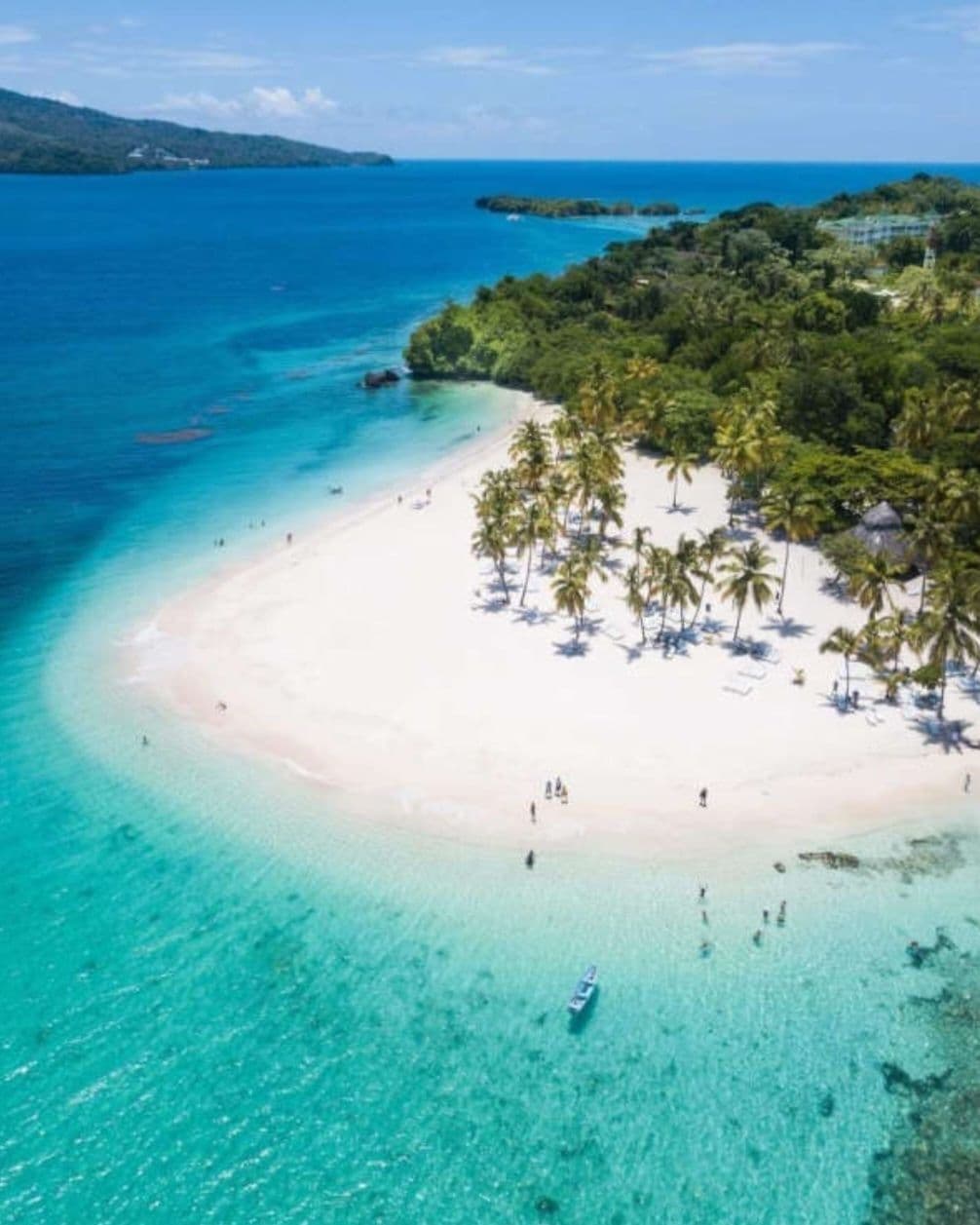
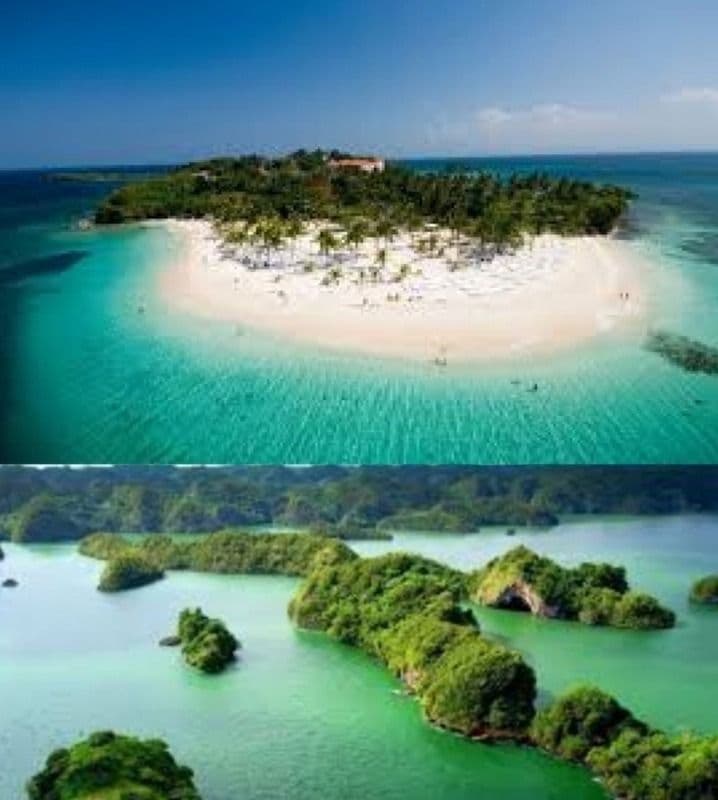
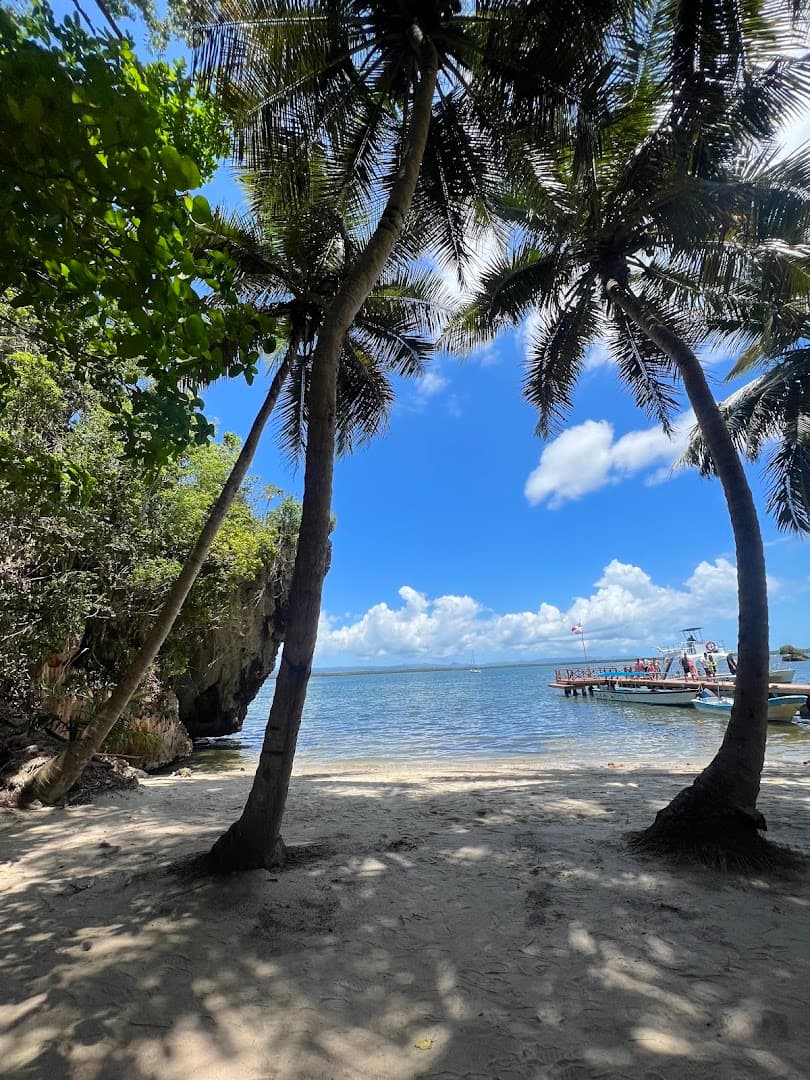
For beach lovers, Los Haitises tours often include stops at pristine beaches accessible only by boat, offering swimming and snorkeling opportunities in crystal-clear Caribbean waters. These secluded spots provide perfect contrast to the mangrove exploration, showcasing the full spectrum of Samaná's coastal environments.
Los Haitises National Park represents the Dominican Republic at its most pristine and culturally significant. This remarkable protected area offers visitors the chance to experience untouched Caribbean ecosystems while connecting with the island's indigenous heritage. Whether you're drawn by the promise of spotting rare birds in ancient mangroves, exploring caves adorned with thousand-year-old art, or simply escaping into one of the region's last wilderness areas, Los Haitises delivers an unforgettable adventure that will deepen your appreciation for the natural and cultural treasures of the Samaná Peninsula. Ready to explore this incredible national park? Browse experiences on Exploras to find the perfect Los Haitises tour for your Dominican adventure.
Samaná Travel Specialist | 7 years booking experiences across the Peninsula
Sofia has personally tested and vetted over 80 tours, excursions, and services across Samaná — from whale watching season prep to El Limón waterfall treks and Los Haitises kayak routes. She focuses on matching traveler types to the right experience: families, couples, adventure seekers, digital nomads.
Message a local operator.
Message these Samaná operators directly on WhatsApp — you book with them, not through us.
Plan your Samaná adventure
Explore the top tours and experiences near this guide — all vetted by our team on the ground.
Browse all experiencesRelated Articles.
Playa Frontón & Playa Madama Boat Trips from Las Galeras 2026
Discover the secret beaches of Playa Frontón and Playa Madama by boat from Las Galeras. Costs, tips, and everything you need to plan your trip in 2026.
Read more: Playa Frontón & Playa Madama Boat Trips from Las Galeras 2026Samaná in January 2026: Whale Season, Weather & Why It's the Best Month
January is Samaná's magic month — humpback whales arrive, skies stay clear, and crowds are manageable. Here's everything you need to know to plan your trip.
Read more: Samaná in January 2026: Whale Season, Weather & Why It's the Best Month
Playa Rincón: Dominican Republic's Most Beautiful Beach Paradise
Discover Playa Rincón, consistently ranked as the Dominican Republic's most stunning beach. Your complete guide to reaching this pristine paradise in Samaná Peninsula.
Read more: Playa Rincón: Dominican Republic's Most Beautiful Beach Paradise