Sosúa Beach Guide: Playa Sosúa, Playa Alicia & Snorkelling (2026).

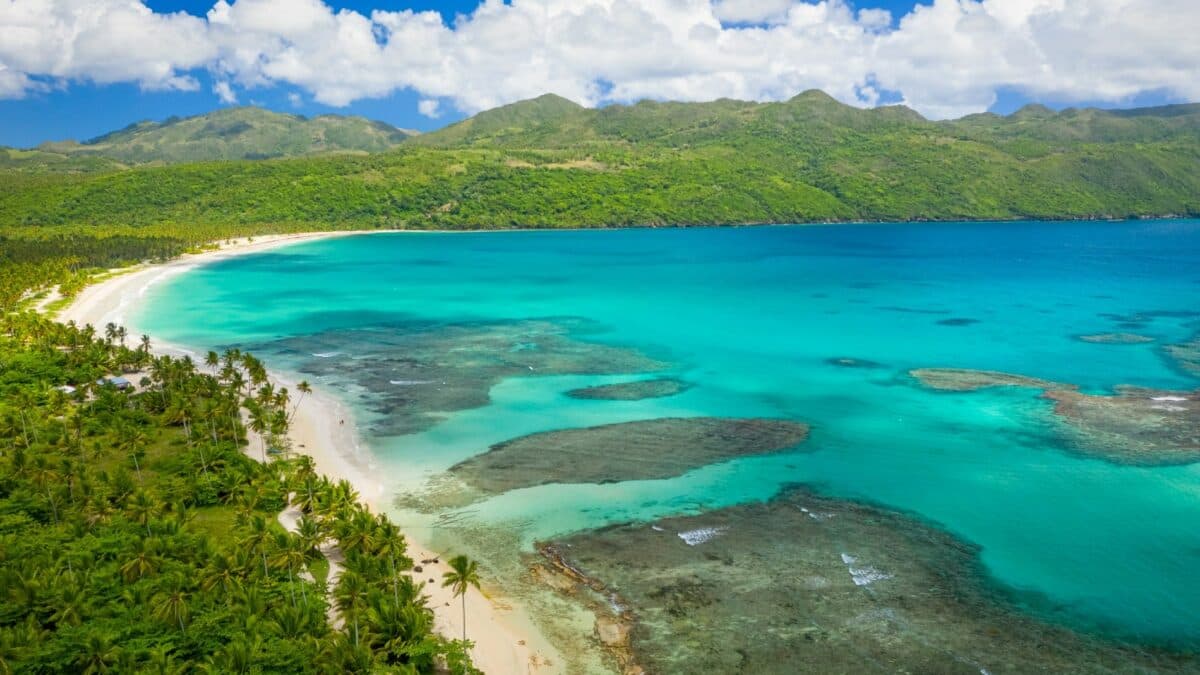
Photo by Rainiero Germosen on Unsplash
A practical 2026 guide to Sosúa's beaches: Playa Sosúa's reef-sheltered bay and new beachfront, Playa Alicia, snorkelling, diving prices, getting there and the best months.
Key Takeaways
Key Takeaways
- Playa Sosúa is a calm, reef-sheltered bay about 1 km long, roughly 10–15 minutes from Puerto Plata airport.
- A renovated beachfront with 79 food, craft and bar spaces plus public restrooms opened in April 2026.
- Playa Alicia, a young beach formed in the early 2000s, is the quieter choice next door.
- You can snorkel from the sand; certified two-tank dives run about US$100–125 including gear.
- The driest months are June–September; November and December are the wettest.
Sosúa's main beach sits in a deep, curved bay on the Dominican Republic's north coast, with golden sand, calm water and a reef close enough to swim to. It is a busy, local-feeling beach: Dominican families on Sundays, snorkellers in the morning, dive boats heading out, and a long lane of food and craft stalls behind the sand. Just around the point, Playa Alicia offers a quieter alternative on a beach that didn't exist a generation ago.
Is Sosúa Beach worth visiting? Yes, if you want calm, swimmable water with easy snorkelling and a lively Dominican beach scene. It is not a remote, empty beach: expect vendors, music and crowds at weekends. If you want peace, go early on a weekday or walk over to Playa Alicia.
Where is Sosúa Beach?
Sosúa is a beach town in Puerto Plata province. Gregorio Luperón International Airport (POP) actually sits within the municipality, and the drive from the terminal to the beach is about 10–15 minutes. Wikivoyage lists a fixed airport taxi fare of around US$25 per car; check the current rate at the taxi desk.
Puerto Plata city is about 24 km to the west, a drive of roughly 20–30 minutes. Cabarete, the kitesurfing town, is about 14 km to the east. If you're planning to base yourself in the area, our Cabarete and Sosúa guide covers the towns themselves; this guide sticks to the beaches and the water.
Two of the town's neighbourhoods meet at the bay. El Batey on the east side is the main tourist area, with hotels and restaurants. Los Charamicos, at the western end of the beach, is an older Dominican neighbourhood.
What is Playa Sosúa like?
Playa Sosúa is a crescent of golden sand about a kilometre long, protected by coral formations that keep the water calm for most of the year. The water is shallow near the shore, warm, and generally good for swimming, which makes it popular with families.
Behind the sand runs the beach's famous vendor lane: food stalls, bars, craft and souvenir shops, and stands renting chairs, umbrellas and water-sports gear. In June 2022 the government launched a renovation of the beachfront, announcing more than RD$600 million for traffic and parking changes, bathrooms, security cameras, beach recovery and the organisation of the vendors who work there.
The finished project was inaugurated on 27 April 2026 with a final investment of about RD$568 million. It created a terraced plaza of around 15,000 m² on seven levels, with 79 commercial spaces: 57 for food, 16 for crafts and gifts, 2 bars and 4 smaller kiosks. The project also added public restrooms, a small park and an outdoor gym. If you visited before 2026, the beachfront will look quite different.
A few practical points:
- Chairs and umbrellas are rented by the vendors and prices are negotiated, not posted. One 2023 visitor account reports paying US$6 for two chairs with umbrellas plus two large beers. Agree the price before you sit down, and carry small notes.
- Food and drinks come from the stalls and shacks behind the beach, so you don't need to pack lunch.
- Parking: Fodor's notes a small free lot at the beach's north end.
- Weekends are lively. Local families fill the sand on Sundays and holidays, with plenty of music. Weekday mornings are much calmer.
Playa Alicia: the beach that appeared from the sea
Playa Alicia is one of the stranger stories on this coast. Where the beach now lies, just beyond El Batey, there used to be a rocky cliff dropping into water more than five metres deep. From the early 2000s, sand began building up against the cliff. Wikipedia dates the start to a storm around 2002; a 2012 hotel-group article and a 2026 feature in El Inmobiliario both place it from 2003, building gradually over several years.
What exactly caused it is still debated. Locals point to storms and ocean currents, and the 2026 feature reports that geologist Osiris de León links it to tectonic movement combined with currents. The beach first went by names such as "Waterfront Beach" and is now known as Playa Alicia, reportedly after a local resident, Alicia Gutiérrez.
Because it is made of loose sand, the beach changes with the sea: Hurricane María in 2017 carried much of it away, and its width still varies. Access is from the El Batey side; Wikivoyage describes reaching it via the On the Waterfront restaurant.
Compared with the main beach, Playa Alicia is quieter and has few services. Bring water and shade. The rocks and coral at its edge are worth exploring with a mask for small reef fish.
Los Charamicos, El Batey and nearby extras
The western end of the bay, on the Los Charamicos side, is where you'll find the most local atmosphere and the most noise at weekends. The eastern end, closer to Playa Alicia, tends to stay quieter through the day. If vendors are wearing you down, simply walking along the beach can change the mood.
Wikipedia also lists smaller beaches around Sosúa, such as Playa Chiquita, but we couldn't confirm their current access or conditions. Ask your hotel before heading out.
If you want a break from the sand, the town's history is unusual. Sosúa was founded by Jewish refugees: around 800 German and Austrian Jews received Dominican visas between 1940 and 1945 and settled here. A small museum next to the synagogue in El Batey tells their story. In January 2026 local authorities announced RD$50 million for renovations, and opening hours have been irregular, so check before you go.
How do Sosúa's beaches compare?
| Beach | Best for | Crowds | Facilities |
|---|---|---|---|
| Playa Sosúa (centre and east) | Swimming, snorkelling, a full beach day | Busy, very busy on Sundays | Chairs, food stalls, bars, public restrooms, water-sports rental |
| Playa Sosúa (Los Charamicos end) | Local atmosphere, people-watching | Busy and loud at weekends | Food and drinks nearby |
| Playa Alicia | Quiet sunbathing, sunsets, snorkelling by the rocks | Quieter | Few or none: bring water and shade |
Can you snorkel straight off Sosúa Beach?
Yes, and it's one of the main reasons to come. The bay is protected by its reef, and Wikivoyage notes the reef sits about 100 metres from shore, so a confident swimmer can reach coral and tropical fish without a boat. Snorkelling gear can be rented on the beach. Fodor's suggests bringing your own mask and snorkel if you can, and notes that the best spots are further out near the reefs, not in the shallows by the sand.
Things to keep in mind:
- Visibility varies. After heavy rain the water can be cloudier and litter can wash in.
- Watch for boats. Dive and tour boats use the bay, so stay close to swimmers and away from boat lanes.
- Wear water shoes. Sea urchins live in the shallows.
- Don't touch or stand on coral. The bay has a coral nursery, and the reef is fragile.
On the beach itself you'll also find banana boat rides and other short water activities. For a full-day boat trip with clear shallows, see our guide to Cayo Arena (Paradise Island).
Is diving in Sosúa worth it?
Sosúa is the north coast's best-known dive base. Dive centres here advertise close to 20 sites, from reefs and canyons to caverns, wrecks and wall dives. Sites mentioned by divers include Airport Wall (reaching about 26 metres), Coral Gardens and Three Rocks, a shallow site with a coral nursery.
Set your expectations: one dive review notes that fish life at Airport Wall is thin because of overfishing, while smaller life such as nudibranchs is a highlight. Guides also hunt invasive lionfish on dives. Water temperature is around 26 °C.
Prices: a guided two-tank dive with equipment is published at US$100 on one dive review and from US$125 on a current booking listing that includes gear and the reef fee. You'll need an Open Water certification or higher, and you should leave at least 18 hours between your last dive and your flight home. Beginners can do try-dives and courses.
How do you get to Sosúa Beach?
- From the airport: taxi, about 10–15 minutes.
- By guagua (shared minibus): guaguas run along the coast road between Puerto Plata, Sosúa and Cabarete and stop when you flag them down. They are cheap and frequent but crowded. Reported fares from Puerto Plata range from RD$30 to around RD$100; carry small peso notes.
- By taxi: the most comfortable choice, but agree the fare before you get in.
- From Cabarete: about 14 km by guagua or taxi. Our Cabarete & Sosúa guide explains how to get around the area.
If you're touring the wider province, Sosúa pairs well with a day in Puerto Plata or a morning at the 27 Charcos de Damajagua waterfalls.
Is Sosúa Beach good for a cruise day?
It can be, but plan the timing. Puerto Plata has two cruise ports. Taíno Bay sits at the edge of Puerto Plata's historic centre, so Sosúa is about 24 km away, roughly half an hour by road. Amber Cove is about 10 miles (16 km) further west, and one cruise-traveller account puts the ride to Sosúa at around an hour.
Taxi drivers outside Amber Cove have quoted upward of US$100 for the trip (2023 report). The same account describes doing it by public transport for about US$3 per person: one guagua into Puerto Plata (RD$25), then a second to Sosúa (RD$100), which drops you close to the beach. It works, but it's slow and cramped, so leave a generous buffer before all-aboard. Our Puerto Plata cruise port guide compares both terminals.
When is the best time to visit?
Sosúa is warm all year, with typical temperatures of 24–31 °C. December to April is the official peak season. Rain is the bigger variable on the north coast. Weather records for Puerto Plata airport (1991–2020) show:
- Wettest: November and December (about 230 mm each), then January (about 175 mm).
- Driest: June (about 50 mm), followed by July to September (65–70 mm).
Heavy rain can cloud the water and wash debris into the bay for a day or two. For the calmest beach experience, choose a weekday and arrive in the morning, before the weekend crowds and day-trip groups.
Safety, access and honest downsides
Sosúa Beach is generally a relaxed place by day, but a few things are worth knowing:
- Vendors are persistent. A polite, firm "no, gracias" is the simplest answer. Be wary of unofficial "helpers" who attach themselves to you and take a hidden commission on anything you buy.
- Mind your belongings. Don't bring valuables, and don't leave bags alone while you swim.
- At night, the mood changes. Stick to the main streets, especially around Los Charamicos.
- Water hazards: sea urchins, boat traffic, and cloudy water after rain.
- Accessibility: the new beachfront is built on seven terraced levels with safety railings, but we found no published information on step-free access to the sand or beach wheelchairs. Contact your hotel before you travel if this matters to you.
The honest summary: Playa Sosúa is not the emptiest or most pristine beach in the country. Its appeal is calm water, an easy reef and a real Dominican beach day. If you're also comparing the north coast with the Samaná peninsula's quieter beaches, see our Samaná guide.
Sources
- Sosúa destination page — Go Dominican Republic, Ministry of Tourism (2026)
- Sosúa — Wikipedia (accessed October 2026)
- Sosua travel guide — Wikivoyage (accessed October 2026)
- El mar se inventó una playa en Sosúa… y se llama Alicia — El Inmobiliario (March 2026)
- Playa Alicia: the new marvel in Dominican Republic — BlueBay Hotels blog (October 2012)
- Abinader encabeza acto de remozamiento de Playa Sosúa — Diario Libre (June 2022)
- Inauguran renovación del frente costero de Playa Sosúa con inversión superior a RD$568 millones — El Nuevo Diario (April 2026)
- Sosúa sights: Playa Sosúa — Fodor's Travel (accessed October 2026)
- Playa Sosúa — AroundUs (accessed October 2026)
- Diving for Certified Divers, 2 Tanks Sosúa Bay — AAA TripCanvas (accessed October 2026)
- Diving in Sosua — Dive O'Clock (accessed October 2026)
- Looking for a beach near Amber Cove cruise port? — Couple Travel The World (July 2023)
- Puerto Plata Cruise Port: Piers, Getting Around and What to Do — Cruise Hive (July 2024)
- Puerto Plata to Sosúa route options — Rome2rio (accessed October 2026)
- Puerto Plata climate data (ONAMET, 1991–2020) — Wikipedia (accessed October 2026)
Samaná Travel Specialist | 7 years booking experiences across the Peninsula
Sofia has personally tested and vetted over 80 tours, excursions, and services across Samaná — from whale watching season prep to El Limón waterfall treks and Los Haitises kayak routes. She focuses on matching traveler types to the right experience: families, couples, adventure seekers, digital nomads.
Plan your Samaná adventure
Explore the top tours and experiences near this guide — arranged directly with the operator.
Browse all experiencesRelated Articles.
Laguna Dudú, Cabrera: Entry Fee, Zip Line & How to Get There (2026)
A practical guide to Laguna Dudú, the deep blue sinkhole lagoon near Cabrera: 2026 prices, hours, zip line, diving rules, safety and how to fit it into a Samaná–north coast drive.

Ocean World Puerto Plata: Prices, Dolphin Swims & What to Know (2026)
Ocean World in Cofresí, Puerto Plata: every programme and its published price, what the ticket includes, age and height rules, cruise-day logistics and the captive-dolphin debate.

Cayo Arena (Paradise Island): Puerto Plata Day Trip Guide (2026)
A practical guide to Cayo Arena (Paradise Island), the sandbar off Punta Rucia: getting there from Puerto Plata, snorkelling, mangroves, published tour prices, crowds and weather.