Canyoning & Waterfall Rappelling in Samaná 2026: Tours & Prices.

Photo by Aleksei Zhivilov on Unsplash
Discover the best canyoning and waterfall rappelling tours on the Samaná Peninsula in 2026. Full guide with prices, locations, safety tips, and how to book.
Message a local operator.
Message these Samaná operators directly on WhatsApp — you book with them, not through us.
Key Takeaways
Key Takeaways
- Canyoning in Samaná combines waterfall rappelling, river trekking, and jungle swimming into one of the peninsula's most thrilling adventure experiences
- Most tours depart from Las Terrenas or Samaná town and reach canyon sites in 30–60 minutes by 4x4 or motoconcho
- Prices range from RD$3,500–RD$7,500 (~$60–$130 USD) per person depending on group size, duration, and inclusions
- The best season for canyoning runs from May through November, when waterfalls are at full power after seasonal rains
- No prior experience is needed — certified local guides provide all equipment and safety briefings on-site
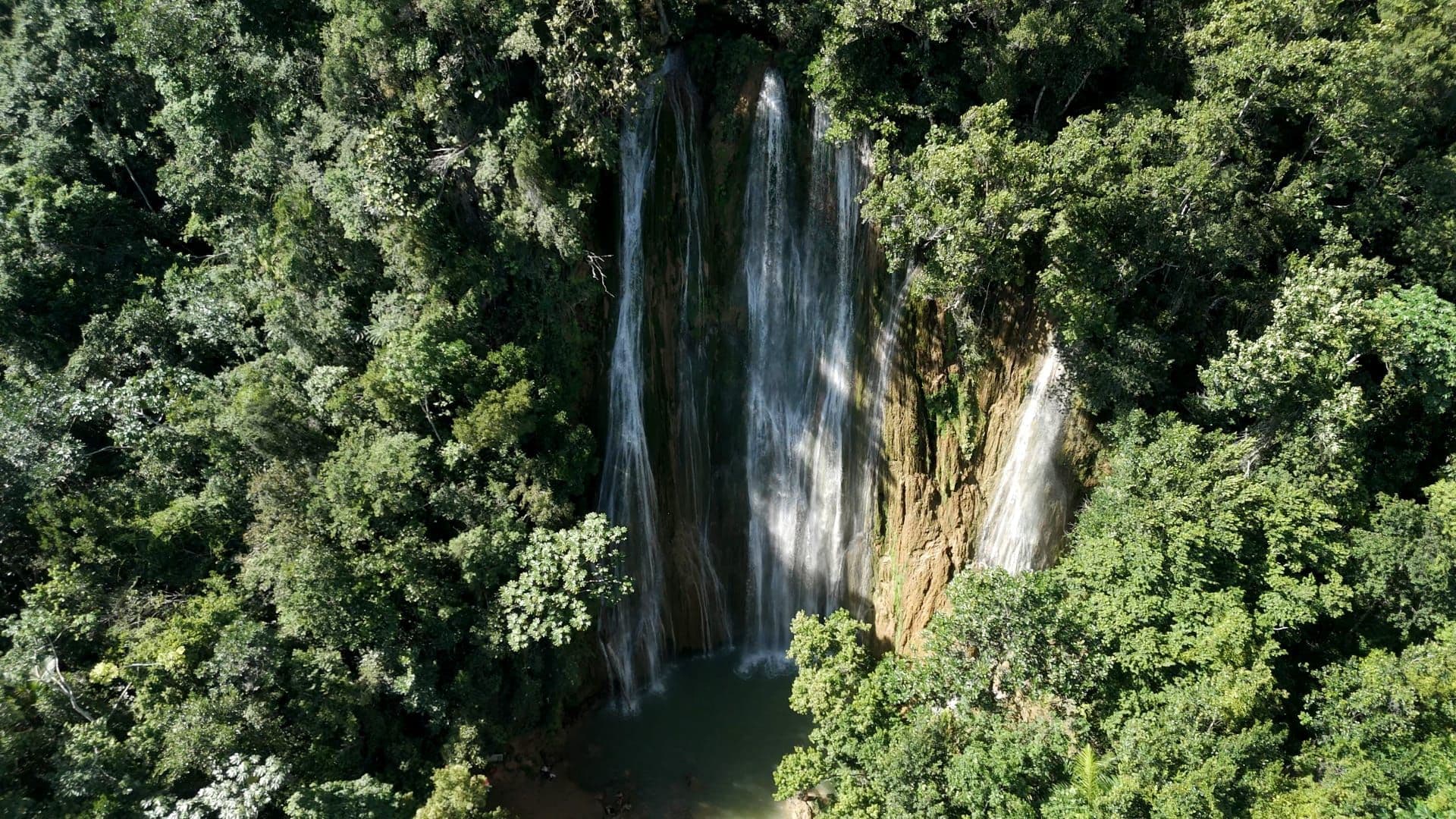
Canyoning in Samaná is one of the Dominican Republic's best-kept adventure secrets: a full-day descent through jungle gorges, over thundering waterfalls, and into emerald swimming holes that most tourists never find. Unlike the well-worn path to El Limón waterfall, these canyon routes plunge deep into the interior of the Samaná Peninsula, where the forest is thick, the air smells of wet earth and wild ginger, and the only sounds are rushing water and howler monkeys.
I still remember the first time I stood at the top of a 25-meter cascade somewhere above El Valle, harness on, heart hammering, looking down at a pool so green it seemed lit from below. By the time I reached the bottom — soaked, grinning, adrenaline still buzzing — I understood why repeat visitors to Samaná put this on their list before whale watching, before the beach, before anything else.
This guide covers everything you need to know about waterfall rappelling in the Dominican Republic's most dramatic jungle setting: where to go, what it costs, when to go, and how to book a tour that's worth every peso.
Canyoning Samaná: What the Experience Actually Involves
The term "canyoning" (also called canyoneering) refers to navigating a river canyon using a mix of techniques: rappelling down waterfalls, wading and swimming through gorges, scrambling over boulders, and sometimes jumping from natural rock platforms into deep pools below.
On the Samaná Peninsula, the terrain is ideal for it. The mountains of the Cordillera Samaná rise steeply from the coast, channeling rainfall into fast-moving rivers that carve dramatic gorges through the limestone and volcanic rock. After a good rain, those rivers become spectacular — cascades stacked one on top of another, each one a new obstacle to descend.
A typical canyoning tour in Samaná includes:
- Safety equipment: helmet, harness, wetsuit or quick-dry shirt, and gloves
- Certified guide: a bilingual local guide who sets the ropes and coaches your technique
- 2–4 waterfall rappels: ranging from 8 meters to 30+ meters in height
- Natural swimming holes: time to float and explore between descents
- Jungle trekking: 30–60 minutes of hiking through primary forest to reach the canyon
- Lunch or snacks: included in most full-day packages
For a bookable option, check out the canyoning and river adventure tours on Exploras — they are among the most complete packages operating on the peninsula in 2026.
Where Do Canyoning Tours Take Place on the Peninsula?
Most operators on the Samaná Peninsula run tours to canyon systems in the hills above El Valle and the interior mountains between Las Terrenas and Samaná town. A few key zones:
The El Valle Corridor
The area around El Valle — a lush agricultural valley roughly 20 km northeast of Samaná town — feeds several rivers that drop sharply toward the coast. The canyon walls here are draped in ferns and philodendrons, and the water runs cold even in August. Travel time from Samaná town is about 35–45 minutes by 4x4; from Las Terrenas, expect 50–65 minutes.
Interior Mountains Above Las Terrenas
Some operators access smaller canyon systems in the hills directly behind Las Terrenas. These routes are shorter (2–3 hours total) and better suited to beginners or families with older kids. The waterfalls are typically 8–15 meters — still thrilling, but more forgiving.
Combined El Limón + Canyon Routes
A growing number of guides combine the famous El Limón waterfall tour with a shorter canyoning descent on the same day. You hike to El Limón in the morning, then spend the afternoon rappelling a secondary cascade in the same watershed. It's a long day — roughly 7–8 hours — but extraordinary value.
Insider Tip: The canyon systems above El Valle are rarely visited on weekends, when most tour groups head to Cayo Levantado or Playa Rincón. If you schedule your canyoning tour for a Saturday or Sunday, you'll often have the entire gorge to yourself. Weekday crowds at the canyon are almost nonexistent year-round.
How Much Does Canyoning in Samaná Cost in 2026?
Prices vary depending on group size, duration, and what's included. Here's a realistic breakdown for 2026:
| Tour Type | Duration | Price Per Person | Includes |
|---|---|---|---|
| Half-day intro (2 rappels) | 3–4 hours | RD$3,500–4,500 (~$60–$78 USD) | Guide, equipment, water |
| Full-day canyon descent | 6–8 hours | RD$5,500–7,500 (~$95–$130 USD) | Guide, equipment, lunch, transport |
| El Limón + canyoning combo | 7–9 hours | RD$6,500–8,500 (~$112–$147 USD) | Guide, equipment, lunch, horse or hike |
| Private group (2–4 people) | 5–7 hours | RD$18,000–25,000 (~$310–$430 USD total) | Full private guide, transport, lunch |
| Kids/beginner canyon route | 2–3 hours | RD$2,500–3,500 (~$43–$60 USD) | Guide, equipment, snacks |
Most prices quoted online are per person based on groups of 4–8. Solo travelers and couples typically pay a small-group supplement — worth asking about when you book.
Transport from your hotel is sometimes included, sometimes not. Always confirm before you pay. If transport is separate, a round-trip in a shared guagua (minibus) from Las Terrenas to El Valle costs around RD$300–500 (~$5–$9 USD) each way.
Is Canyoning in Samaná Safe? What to Expect as a Beginner
Absolutely — with the right operator. The canyon routes on the Samaná Peninsula are graded for different experience levels, and reputable guides carry full safety kits including first-aid equipment, backup ropes, and communication devices.
That said, this is genuine adventure terrain. Here's what to realistically expect:
Physical demands: You'll be walking on uneven, wet rock for several hours. Core strength and basic fitness help, but you don't need to be an athlete. Most healthy adults in reasonable shape complete the full-day route without difficulty.
Water conditions: Waterfalls are strongest and most spectacular from May through November. During the dry season (December–April), some cascades reduce to a trickle. Always ask your operator about current water levels before booking.
Age and weight limits: Most operators accept participants aged 12 and up for full canyon routes, and 8 and up for beginner routes. Weight limits are typically set at 120 kg (265 lbs) due to harness specifications — confirm with your operator.
Swimming ability: You don't need to be a strong swimmer, but you should be comfortable in water. Several sections involve floating through narrow gorges where you can't stand.
Quick Tips
Quick Tips
- Wear synthetic or quick-dry clothing — cotton stays wet and heavy all day
- Bring a dry bag for your phone, camera, and valuables
- Water shoes or old trainers are better than sandals — you'll need grip on wet rock
- Eat a solid breakfast — lunch on full-day tours is usually served mid-afternoon
- Leave jewelry and watches at the hotel; they get damaged or lost in the water
What's the Best Time of Year for Waterfall Rappelling in the Dominican Republic?
Waterfall rappelling in the Dominican Republic is best from late May through October, when the rainy season fills the rivers and pushes waterfalls to their maximum flow. The difference between a cascade in June versus February is dramatic — in peak rainy season, some falls triple in volume, turning a scenic descent into a genuinely powerful experience.
However, heavy rainfall can also make canyon routes temporarily unsafe. Responsible operators will cancel or reschedule tours after severe storms — this is normal and correct. If your tour gets cancelled due to weather, a reputable company will offer a full refund or reschedule.
The shoulder months of May and November often hit a sweet spot: waterfalls are full, the weather is warm, and the peninsula is less crowded than the December–April high season. I've done canyon tours in both months and found them ideal — lush, dramatic, and refreshingly quiet.
For reference, here's how the seasons affect the experience:
| Month | Waterfall Volume | Crowds | Notes |
|---|---|---|---|
| January–March | Low–Medium | High | Dry season; whale watching peaks |
| April | Medium | Medium | Waterfalls recovering; pleasant temps |
| May–June | High | Low | Rainy season begins; best flow |
| July–August | Very High | Medium | Peak summer; hot, dramatic waterfalls |
| September–October | Very High | Low | Quietest months; hurricane risk |
| November | High–Very High | Low | Excellent value; great conditions |
| December | Medium | Rising | Holiday crowds return |
How to Book a Canyoning Tour on the Samaná Peninsula
Booking through a verified platform is the safest and most convenient option. Exploras lists vetted adventure operators across the peninsula — you can browse adventure experiences in Samaná and filter by activity type, location, and group size.
When comparing operators, look for:
- Certified guides: Ask whether guides hold ACCA (American Canyoneering Association) or equivalent certifications
- Equipment condition: Harnesses and ropes should be inspected annually — don't hesitate to ask
- Group size: Smaller groups (4–8 people) mean more personalized safety attention
- Cancellation policy: Reputable operators offer full refunds for weather cancellations
- What's included: Transport, lunch, and equipment should be clearly itemized
For those who want to combine canyoning with other activities, consider pairing it with a zipline canopy tour over Samaná Bay — some operators offer a discount when you book both on consecutive days. You can also check how booking works on Exploras if you're new to the platform.
Insider Tip: Local guides who live in El Valle and the surrounding communities often offer the most authentic — and most affordable — canyon experiences. They know every pool, every hidden ledge, and every shortcut. Ask your accommodation in Las Terrenas or Samaná town if they can connect you directly with a community guide. You'll likely pay 20–30% less than booking through a resort activity desk, and the money goes directly to the local family running the tour.
Combining Canyoning with Other Samaná Adventures
Canyoning pairs naturally with other active experiences on the peninsula. A popular multi-day adventure itinerary in 2026 looks something like this:
- Day 1: ATV or buggy tour through the interior — check out our guide to ATV & Buggy Tours in Samaná 2026 for route ideas
- Day 2: Full-day canyoning and waterfall rappelling
- Day 3: Kayaking in Samaná Bay or a boat trip to Playa Rincón
- Day 4: Rest, beach, and a sunset at one of the peninsula's clifftop viewpoints
This kind of itinerary is exactly what Samaná does best — you can pack genuine wilderness adventure into a single week without ever leaving the peninsula. The Los Haitises boat tours are another excellent add-on if you want to extend into mangrove kayaking and cave exploration.
For travelers who want a private vehicle to connect these experiences efficiently, our guide to Samaná private driver and day tours explains how to arrange custom transport between activity zones.
What to Know Before You Go: Practical Logistics
Getting to the canyon: Most operators provide pickup from Las Terrenas, Samaná town, or Las Galeras. If you're arranging your own transport, the road to El Valle requires a 4x4 — standard rental cars won't make it in wet conditions. The transport options between Samaná and El Valle guide covers this in detail.
What to bring:
- Government-issued ID (required by some operators for insurance)
- RD$ cash for tips — guides work hard and tips are genuinely appreciated (RD$500–1,000 per guide is standard)
- A change of dry clothes for the return journey
- Snacks if you tend to get hungry between meals
Photography: GoPros and waterproof cameras are ideal. Some guides carry GoPros and will share footage with the group — ask in advance. Standard smartphones in a good waterproof case usually survive, but the risk is real.
According to the Dominican Republic's official tourism board, adventure tourism on the Samaná Peninsula has grown significantly in recent years, with the interior mountain zones now officially recognized as eco-adventure destinations. This means better infrastructure, more trained guides, and clearer safety standards than even five years ago.
Canyoning Samaná: Is It Worth It?
Every traveler I've spoken to who has done a canyoning tour on the Samaná Peninsula says the same thing: they didn't expect it to be that good. The peninsula's reputation rests on its beaches and whale watching — and those are extraordinary — but the jungle interior is where the real adventure lives.
Standing in a hidden gorge, the waterfall roaring beside you, the canopy so thick overhead that it filters the light to something green and cathedral-like — that's a memory that outlasts a suntan.
Whether you're a first-time rappeller looking for a half-day thrill or an experienced adventurer ready to tackle a full canyon descent, the Samaná Peninsula delivers. And in 2026, with more certified operators, better equipment, and a growing network of community guides, there's never been a better time to go.
Ready to plan your descent? Browse canyoning and adventure tours in Samaná on Exploras and find the experience that matches your pace, your group, and your appetite for adventure.
Sources
Samaná Travel Specialist | 7 years booking experiences across the Peninsula
Sofia has personally tested and vetted over 80 tours, excursions, and services across Samaná — from whale watching season prep to El Limón waterfall treks and Los Haitises kayak routes. She focuses on matching traveler types to the right experience: families, couples, adventure seekers, digital nomads.


Plan your Samaná adventure
Explore the top tours and experiences near this guide — arranged directly with the operator.
Browse all experiencesRelated Articles.

Sport Fishing & Deep-Sea Fishing Tours from Samaná: 2026 Guide
Everything you need to book a deep sea fishing Samaná charter in 2026 — real prices, boat sizes, best months for mahi-mahi and marlin, and what to expect on the water.

Cave Tours in Samaná Beyond Los Haitises: Hidden Grottos
Discover the best cave tours in Samaná beyond Los Haitises, including the stunning Cueva de las Maravillas and lesser-known grottos with Taíno petroglyphs.

Los Haitises Night Tour 2026: Cave Kayaking & What to Expect After Dark
Discover what happens when the lights go out at Los Haitises. Cave kayaking, bioluminescence, and wildlife await on this unforgettable night tour from Samaná.