Los Haitises Night Tour 2026: Cave Kayaking & What to Expect After Dark.

Photo by Duc Nguyen on Unsplash
Discover what happens when the lights go out at Los Haitises. Cave kayaking, bioluminescence, and wildlife await on this unforgettable night tour from Samaná.
Message a local operator.
Message these Samaná operators directly on WhatsApp — you book with them, not through us.
Key Takeaways
Key Takeaways
- Los Haitises night tours offer a completely different experience from daytime visits — bioluminescent water, bat colonies, and near-total silence replace the usual crowds
- Cave kayaking through the mangrove channels and limestone grottos is the highlight; no prior kayaking experience is required
- Tours typically depart from Samaná town or Sánchez between 4:30 PM and 6:00 PM, returning after dark around 9:00–10:00 PM
- Expect to pay RD$4,500–RD$7,500 (~$75–$125 USD) per person for a guided night tour, depending on group size and inclusions
- The dry season (November–April) offers the calmest waters and clearest skies — ideal for spotting bioluminescence
A Los Haitises night tour transforms one of the Dominican Republic's most dramatic national parks into something that feels genuinely otherworldly. As dusk settles over the bay, the mangrove tunnels darken, thousands of bats spiral out of ancient limestone caves, and the water beneath your kayak paddle begins to glow — a living light show powered by microscopic organisms called dinoflagellates.
The first time I paddled into Cueva de la Línea after sunset, I stopped mid-stroke just to listen. No boat engines. No other voices. Just the drip of water off cave walls and the soft flutter of wings somewhere deep in the dark. It's the kind of moment that makes you forget you're supposed to be taking photos.
This guide covers everything you need to know before booking a Los Haitises night tour in 2026 — from what the caves actually look like after dark, to costs, logistics, and the insider details that most tour descriptions leave out.
What Makes a Los Haitises Night Tour Different from a Daytime Visit?
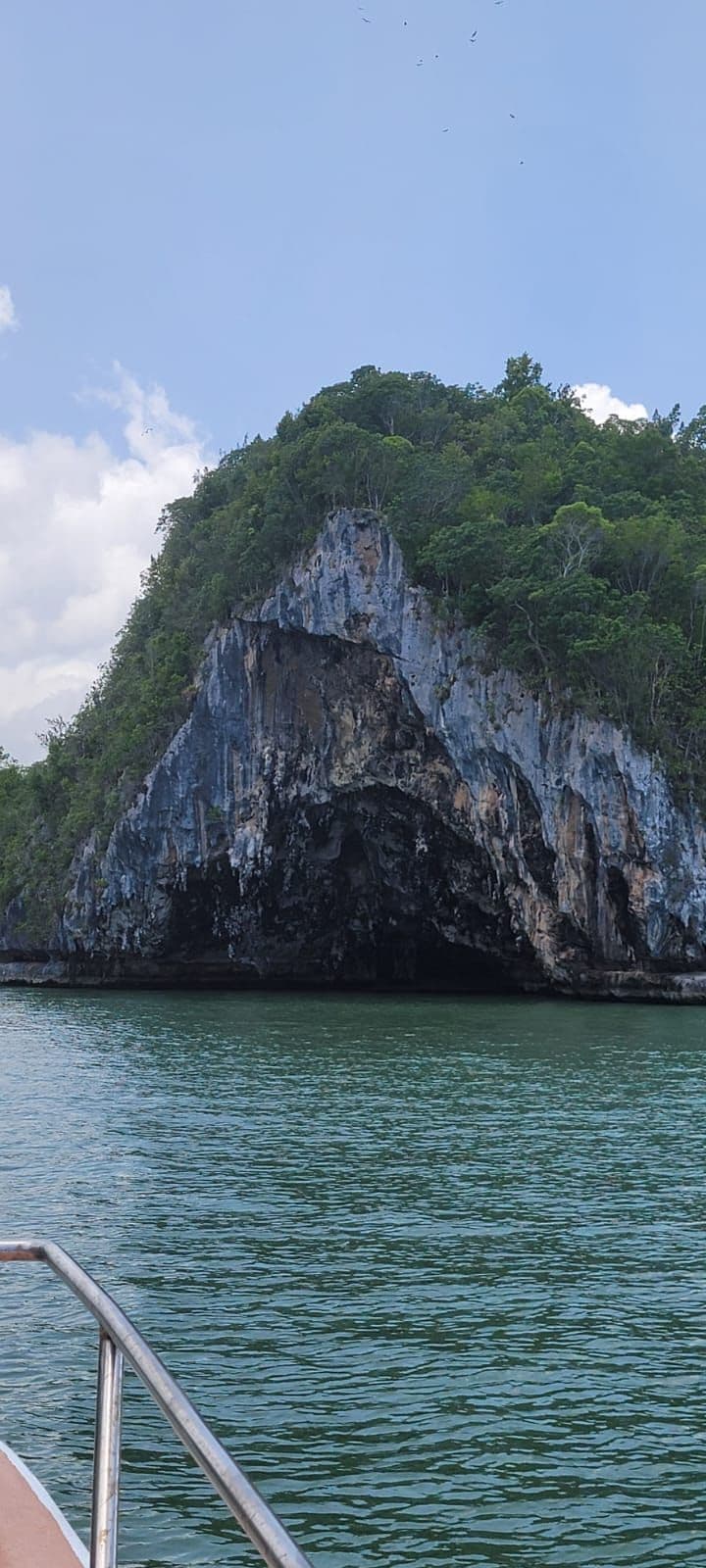
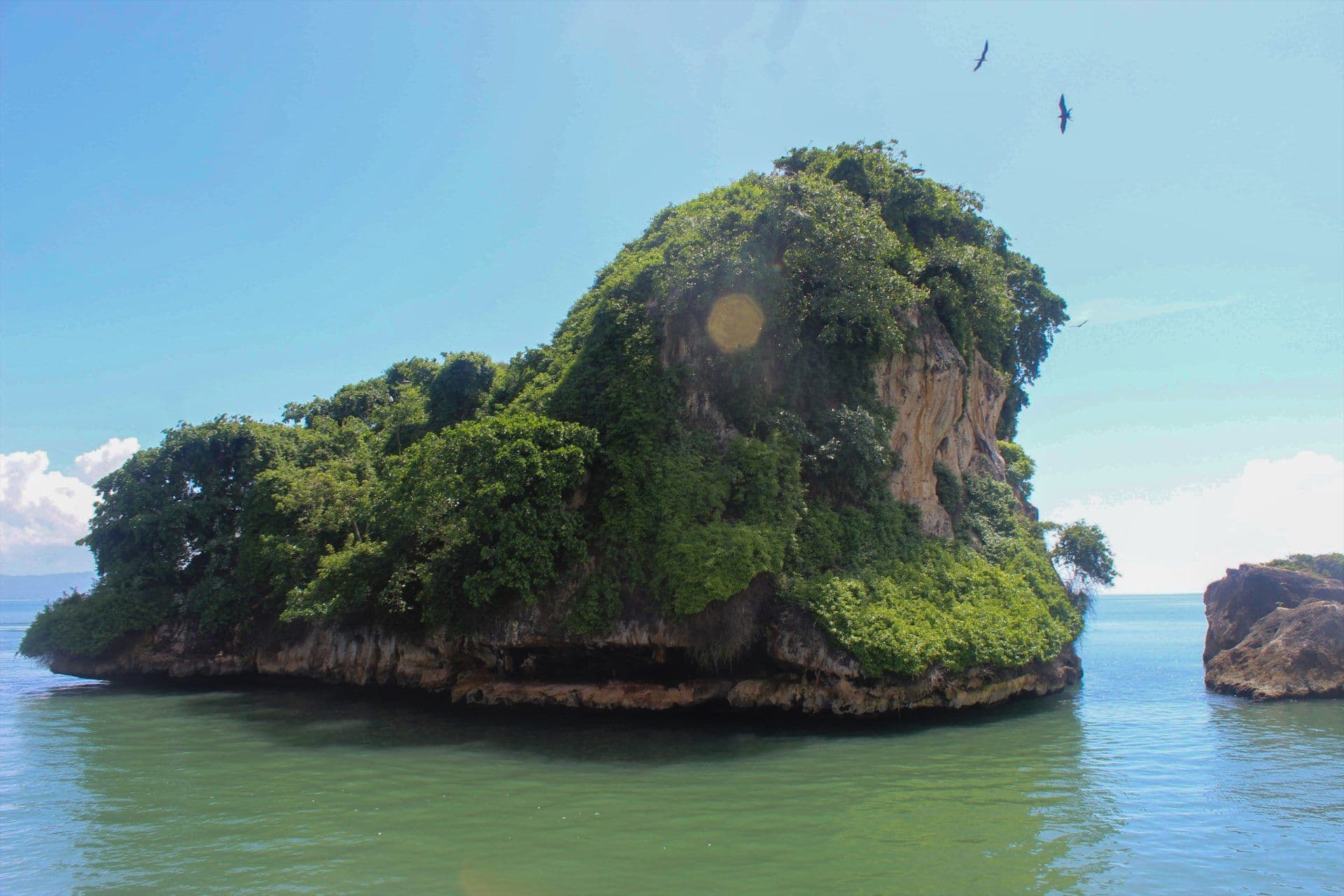
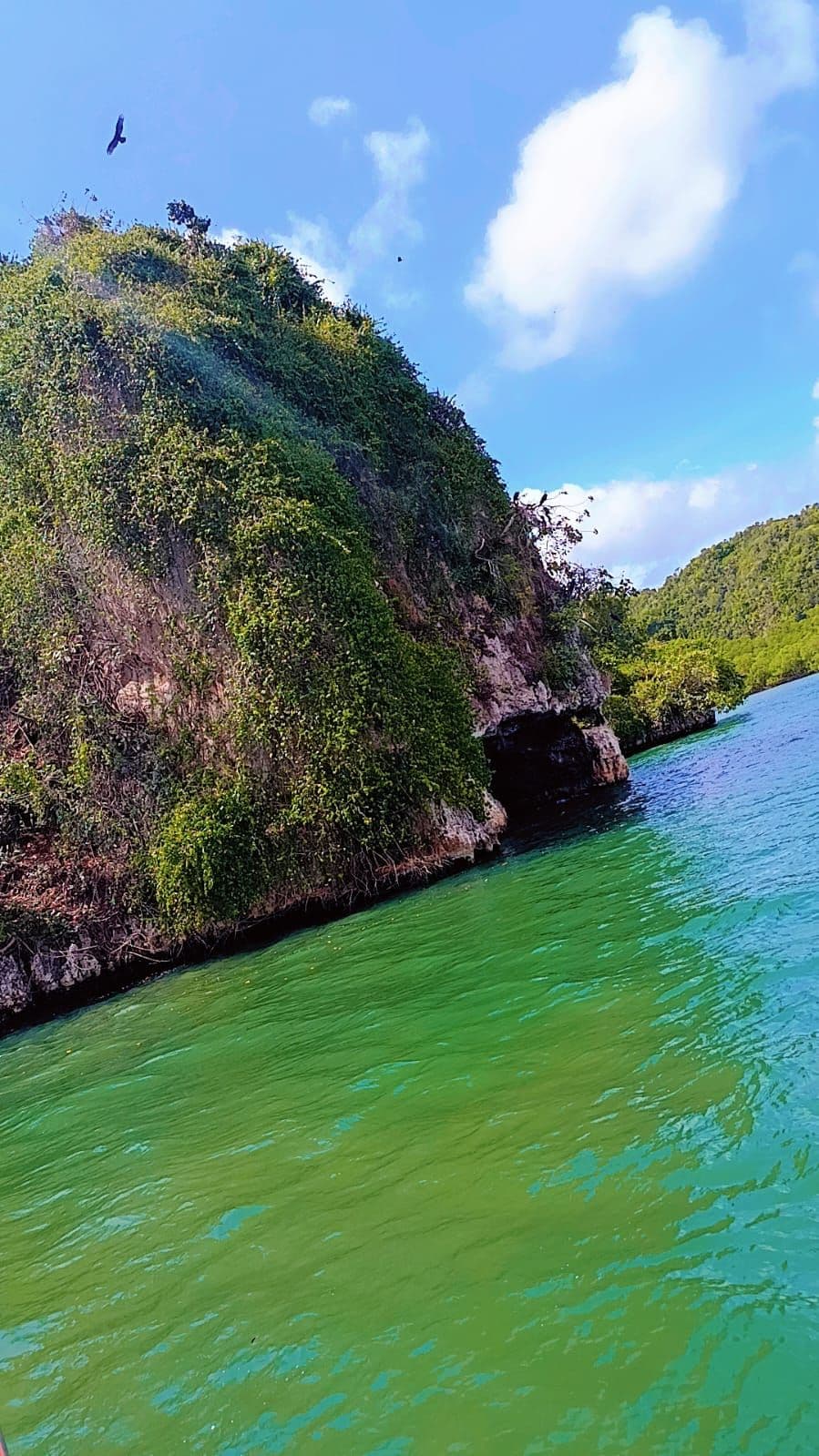
During the day, Los Haitises National Park is spectacular in its own right — a labyrinth of karst mogotes (limestone hills), ancient Taíno cave paintings, and dense mangrove forests teeming with pelicans and frigatebirds. You can read more about the daytime wildlife experience in our guide to birdwatching in Los Haitises 2026.
But the night tour is a different world entirely.
Once the sun drops below the mogotes, the park's diurnal birds retreat and the nocturnal residents take over. Hundreds of thousands of bats — primarily the Antillean fruit bat and several insectivorous species — pour out of Cueva Arena and the surrounding grottos in dense, swirling columns. It's one of the most dramatic natural spectacles in the Caribbean, and almost nobody talks about it.
The mangrove channels, which feel lush and green by day, become ink-black tunnels by night. Your guide uses a low-beam headlamp to navigate, but mostly you paddle by feel and sound. The water temperature stays warm — around 27–29°C (80–84°F) year-round — and if conditions are right, every paddle stroke disturbs a cloud of blue-green bioluminescent light.
In contrast to the daytime tours that can feel rushed (boat in, caves, boat out), night tours move slowly. The experience is intimate and sensory in a way that daylight simply doesn't allow.
Cave Kayaking in Samaná: What the Experience Actually Involves
Cave kayaking in Samaná's Los Haitises is the centerpiece of any night tour — and it's more accessible than it sounds. Most operators use stable, sit-on-top kayaks designed for calm water. You don't need prior experience; I've watched first-time paddlers navigate the mangrove tunnels with ease after a five-minute briefing on shore.
The typical route covers two to four cave systems, depending on tides and the operator. Here's what you'll generally encounter:
- Cueva de la Línea — The most visited cave, featuring Taíno petroglyphs and pictographs. By night, the artwork takes on an eerie quality under headlamp light. The cave runs deep enough that you lose all ambient light within the first 30 meters.
- Cueva Arena — Named for its sandy floor, this is the primary bat roost. The exit flight at dusk is staggering — the sound alone, a low collective rustle that builds to a roar, is worth the trip.
- Mangrove tunnels — Not technically caves, but the low-canopy channels between mangrove roots feel just as enclosed. These are where bioluminescence is most visible, protected from wind and boat wake.
- Open bay sections — You'll cross open water between cave systems. On clear nights, the star visibility here is extraordinary — the park has no light pollution.
Paddling distances vary, but most cave kayaking routes cover 3–6 km total, spread over two to three hours on the water. The pace is gentle. This is not a workout tour; it's an exploration.
For those who want to combine this with broader water adventures in the region, our guide to kayaking in Samaná Bay covers additional routes worth knowing.
How Much Does a Los Haitises Night Tour Cost in 2026?
Pricing varies based on group size, departure point, and what's included. Here's a practical breakdown for 2026:
| Tour Type | Price per Person | Duration | Includes |
|---|---|---|---|
| Shared group night tour | RD$4,500–RD$5,500 (~$75–$92 USD) | 4–5 hours | Guide, kayak, headlamp, light snack |
| Small group (max 6 pax) | RD$5,500–RD$6,500 (~$92–$108 USD) | 4–5 hours | Guide, kayak, headlamp, snack, photos |
| Private night tour | RD$7,000–RD$9,500 (~$117–$158 USD) | 5–6 hours | Private guide, kayak, full dinner, transfers |
| Add-on: hotel transfer | RD$800–RD$1,500 (~$13–$25 USD) | — | Round trip from Las Terrenas or Samaná town |
Insider tip: Tours that depart from Sánchez (the closest town to the park entrance) are typically cheaper than those marketed from Las Terrenas, simply because the boat ride to the park is shorter. If you're already based near Samaná town, the price difference is negligible — but if you're coming from Las Terrenas, confirm whether the quoted price includes the road or boat transfer to Sánchez.
You can browse and compare Los Haitises National Park tours and night experiences directly on Exploras to see current availability and pricing.
Is the Bioluminescence Guaranteed? (And When Is It Best?)
This is the question I get asked most often — and the honest answer is: no, bioluminescence is never guaranteed, but your odds are excellent if you go at the right time.
Bioluminescent plankton (dinoflagellates) thrive in warm, calm, nutrient-rich water. Los Haitises's protected mangrove bays tick all those boxes. The phenomenon is visible year-round, but several factors affect intensity:
- Moon phase — New moon nights produce the most dramatic glow. A full moon washes out the effect significantly. Most reputable operators schedule night tours around the new moon window.
- Season — The dry season (November through April) brings calmer water and less runoff, which keeps the water cleaner and the bioluminescence more vivid. The wet season (May–October) can still produce good displays, but rain stirs up sediment.
- Wind — Calm nights concentrate the plankton in the sheltered channels. Windy nights disperse them.
- Time — Peak glow happens 1–2 hours after full dark, typically between 8:00 PM and 10:00 PM.
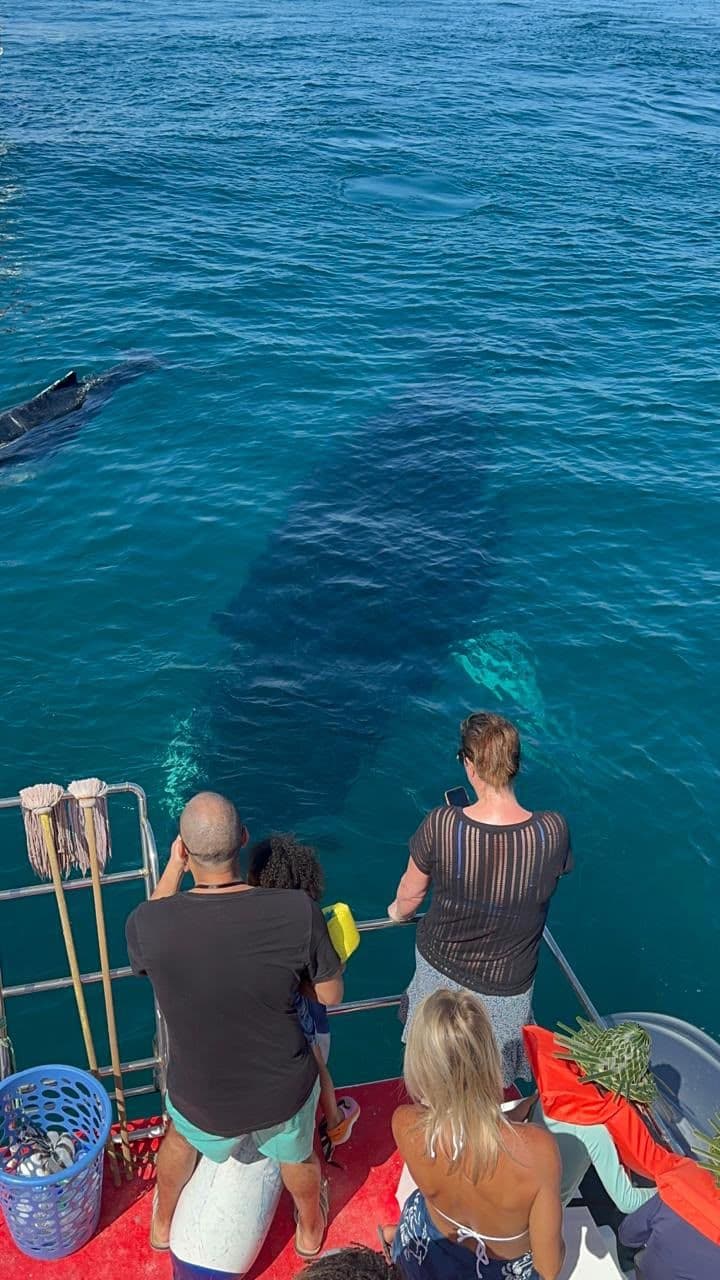
My personal best experience was on a moonless January night, paddling through a mangrove tunnel so narrow my paddle blades brushed both banks. Every stroke left a trail of cold blue fire in the water. January in Samaná is also whale season — if you're combining trips, our article on Samaná in January: whale season, weather, and why it's the best month explains why that month is arguably the peninsula's finest.
What to Expect: A Night Tour Timeline
Understanding the flow of the evening helps you prepare — and appreciate — each stage.
4:30–5:30 PM — Departure and boat transit Most tours begin with a motorboat ride across the bay. Depending on your departure point, this takes 20–45 minutes. The light is still golden at this stage, and the mogotes of Los Haitises look spectacular against the late-afternoon sky. Use this time to get your bearings and listen to your guide's safety briefing.
5:30–6:30 PM — Bat exit flight and cave introduction You'll arrive at the park as dusk falls — timed deliberately to catch the bat exodus from Cueva Arena. Your guide will position the boat at a respectful distance. The sound builds before the sight: a deep, papery rustling that crescendos into a roar as the colony takes flight. It lasts 15–20 minutes.
6:30–9:00 PM — Cave kayaking This is the heart of the tour. You'll transfer from the motorboat to kayaks at a sheltered landing point and begin paddling. Guides distribute headlamps and give a quick paddling demo. The cave sequence typically runs: open mangrove channels → Cueva de la Línea (petroglyphs) → Cueva Arena (interior) → return via bioluminescent channels.
9:00–9:30 PM — Snack or dinner stop Many tours include a stop at a floating rancho (a covered platform over the water) for coconut water, fresh fruit, or a light meal. Some private tours arrange a full seafood dinner here — one of the more surreal dining experiences you'll find in the Dominican Republic, eating grilled fish by lantern light with the jungle sounds of Los Haitises all around you.
9:30–10:30 PM — Return boat transit The night crossing back to Sánchez or Samaná is calm and usually quiet. On clear nights, the Milky Way is visible overhead. Bring a light layer — the bay breeze is cooler than it feels during the day.
Quick Tips
Quick Tips
- Wear dark, quick-dry clothing — light colors attract insects and reflect your headlamp back at you in the caves
- Bring waterproof sandals or water shoes — you'll be getting in and out of kayaks at rocky landings
- Apply insect repellent before departure, not at the park — aerosol sprays are banned inside the national park boundaries
- Leave your phone in a dry bag — the park provides these on most tours, but bring your own if you have one
- Book during the new moon window — check the lunar calendar before selecting your date for the best bioluminescence
Is a Los Haitises Night Tour Right for You?
This tour suits a wide range of travelers, but it's worth knowing who it's best for — and who might prefer a daytime alternative.
Best suited for:
- Adventurous travelers comfortable with darkness and enclosed spaces
- Nature lovers who want something beyond the standard beach day
- Couples looking for a genuinely romantic and unusual experience
- Photographers with experience shooting in low light (bring a tripod mount for your kayak)
- Anyone who has already done the daytime Los Haitises tour and wants to go deeper
Consider the daytime version if:
- You're traveling with young children under 8 — the late return time and darkness can be overwhelming for small kids
- You have claustrophobia — the cave interiors are tight and the darkness is complete
- You're primarily interested in birdwatching — the daytime Los Haitises boat tours are far better for spotting pelicans, herons, and frigatebirds
That said, I've taken cautious first-timers on night tours who ended up calling it the highlight of their entire trip. The experience has a way of converting skeptics.
How to Get to Los Haitises for a Night Tour
The park is accessible by boat from two main points: Sánchez (on the western side of Samaná Bay) and Samaná town (on the northern shore). Most organized tours handle transfers, but if you're arranging your own logistics:
- From Las Terrenas: ~45 minutes by car to Sánchez, then 20–25 minutes by boat to the park. Total: ~1 hour 15 minutes.
- From Samaná town: 35–45 minutes by boat directly across the bay.
- From Las Galeras: ~1 hour by road to Samaná town, then boat. Consider combining with a private boat charter in Samaná if you're based in Las Galeras.
Public transport (guaguas — shared minivans) runs between Las Terrenas and Sánchez for around RD$150–RD$200 (~$2.50–$3.50 USD), but the timing rarely works for a night tour departure. Most visitors use their tour operator's transfer service or hire a motoconcho (motorcycle taxi) for the last leg into Sánchez.
For a broader overview of getting around the peninsula, the things to do in Samaná hub includes current transport options and distances.
Booking a Los Haitises Night Tour Through Exploras
Exploras lists several verified Los Haitises experiences, including the Los Haitises National Park Tour for those who want to start with a daytime visit, and the Los Haitises + Hydrophone Whale Watch combo — which pairs the park with an acoustic whale-watching experience during peak season (January–March).
All Exploras experiences are reviewed, locally operated, and bookable in advance — which matters more for night tours than almost any other activity. Night tours run with strict maximum group sizes (typically 8–12 people), and they sell out weeks ahead during the January–March high season.
Booking through the platform also means your operator is familiar with the park's current conditions, tidal schedules, and lunar calendar — details that make the difference between a good night tour and an extraordinary one.
Sources
Samaná Travel Specialist | 7 years booking experiences across the Peninsula
Sofia has personally tested and vetted over 80 tours, excursions, and services across Samaná — from whale watching season prep to El Limón waterfall treks and Los Haitises kayak routes. She focuses on matching traveler types to the right experience: families, couples, adventure seekers, digital nomads.


Plan your Samaná adventure
Explore the top tours and experiences near this guide — arranged directly with the operator.
Browse all experiencesRelated Articles.

27 Charcos de Damajagua: The 27 Waterfalls of Puerto Plata (2026 Guide)
Which route to choose (7, 12 or 27 falls), what it costs, how old you need to be, what to wear, and when the river closes the 27 waterfalls of Damajagua.

Sport Fishing & Deep-Sea Fishing Tours from Samaná: 2026 Guide
Everything you need to book a deep sea fishing Samaná charter in 2026 — real prices, boat sizes, best months for mahi-mahi and marlin, and what to expect on the water.

Cave Tours in Samaná Beyond Los Haitises: Hidden Grottos
Discover the best cave tours in Samaná beyond Los Haitises, including the stunning Cueva de las Maravillas and lesser-known grottos with Taíno petroglyphs.