Birdwatching in Los Haitises 2026: Species, Tours & Best Time.

Photo by Ivan Torres on Unsplash
Discover the best birdwatching in Los Haitises National Park — from endemic species to guided tours, costs, and the perfect time to visit in 2026.
Message a local operator.
Message these Samaná operators directly on WhatsApp — you book with them, not through us.
Key Takeaways
Key Takeaways
- Los Haitises National Park is one of the Caribbean's top birdwatching destinations, home to over 100 bird species including endemics found nowhere else on Earth
- The best birdwatching in Los Haitises happens between November and March, when migratory species join resident birds and the mangrove channels are calm and navigable
- Most tours depart from Samaná town or Sánchez by boat — budget RD$2,500–RD$5,000 (~$43–$86 USD) per person for a guided day excursion
- Dawn is the golden hour: arriving at the mangroves by 6:00–7:00 AM dramatically increases your sightings
- Booking a specialized Los Haitises National Park Tour through a knowledgeable local guide makes the difference between spotting 10 species and 40+
Birdwatching in Los Haitises is one of the most rewarding wildlife experiences in the entire Caribbean — a labyrinth of limestone mogotes, ancient mangroves, and flooded caves where the air itself seems to hum with wings. The park protects over 100 recorded bird species, including several endemic to Hispaniola, packed into a relatively compact 1,600 km² of protected coastline on the southern shore of Samaná Bay.
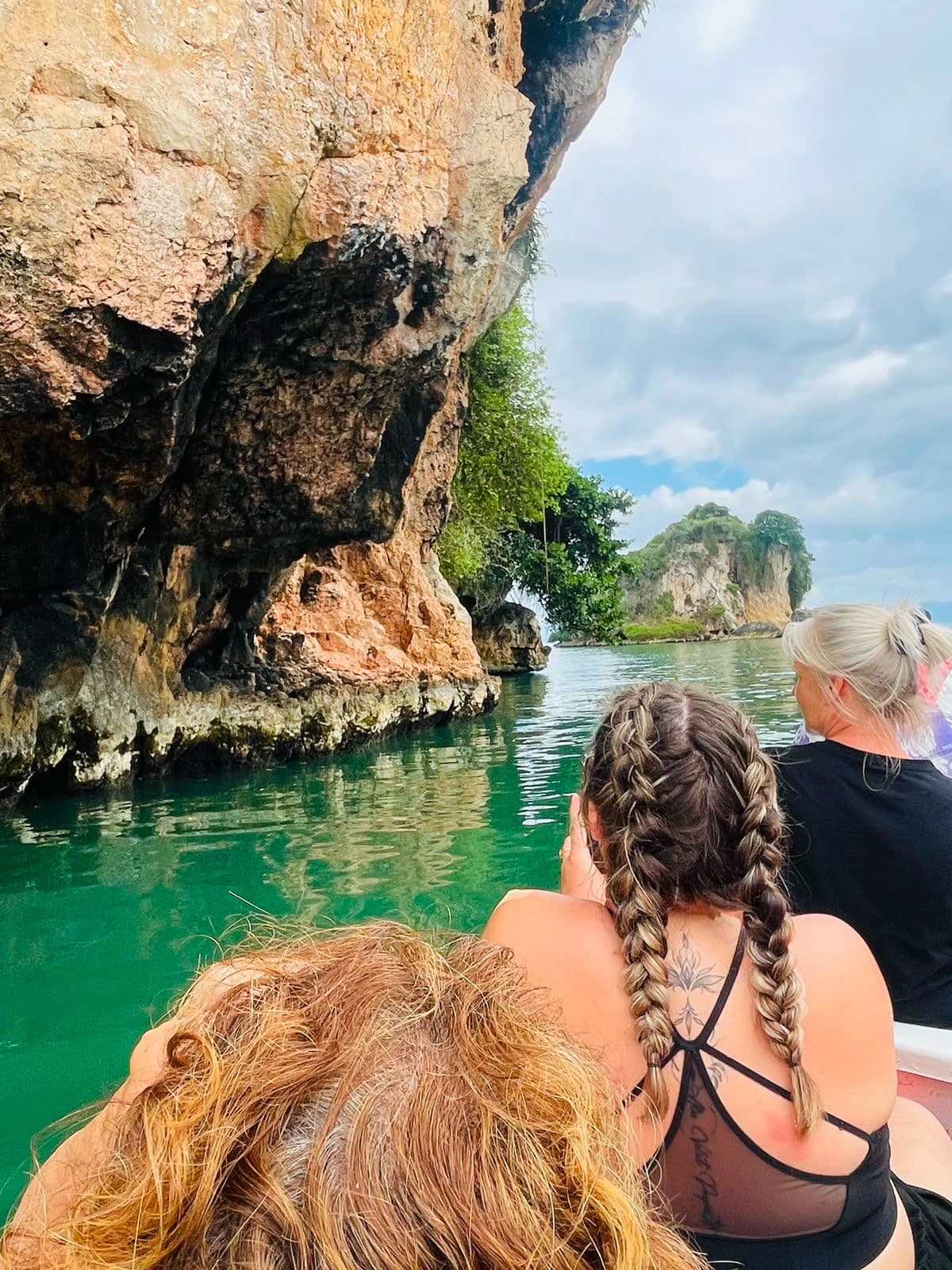
The first time I glided into Los Haitises by small motorboat just after sunrise, the sound hit me before the sight did. Thousands of Magnificent Frigatebirds wheeling overhead, the deep guttural bark of Brown Pelicans crash-diving into the bay, and somewhere in the mangrove shadows, the liquid whistle of a Hispaniolan Lizard-Cuckoo. It was sensory overload in the best possible way. If you've ever wanted to understand why serious birders travel across continents for a single endemic species, Los Haitises will explain it in about ten minutes.
This guide covers everything you need to plan your birdwatching Los Haitises trip in 2026 — from the species you can realistically expect to see, to tour options, costs, and the insider timing tricks that make all the difference.
Birdwatching in Los Haitises: Why This Park Is Special
Los Haitises isn't just another pretty national park. It's one of the most ecologically complex environments in the Caribbean, and that complexity is exactly what makes it a birding paradise.
The park combines five distinct habitats within a single day-trip distance:
- Coastal mangrove forests (red, black, and white mangroves)
- Open Samaná Bay waters
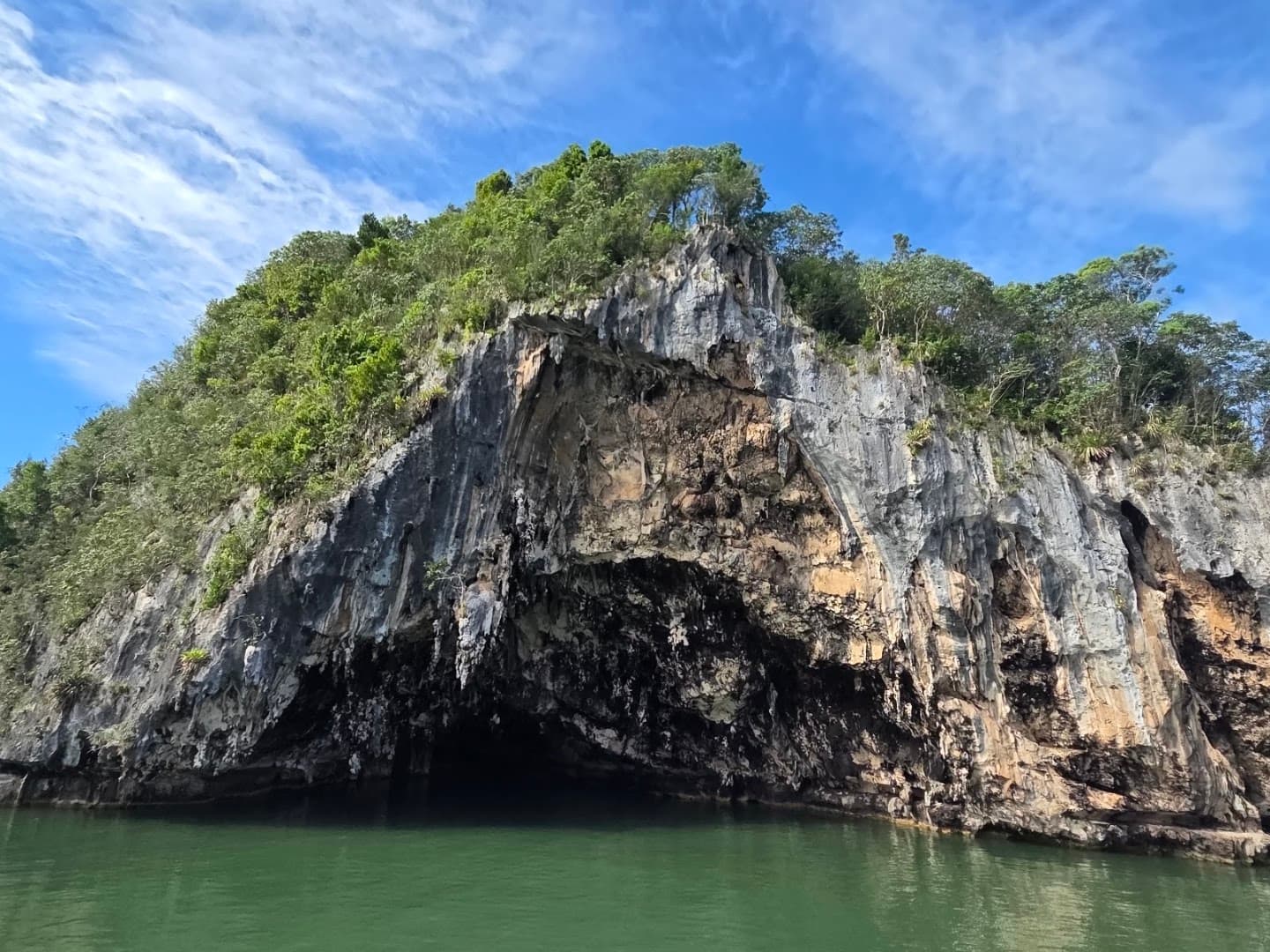
- Limestone mogote karst formations with cave systems
- Subtropical humid forest interior
- Freshwater lagoons and estuaries
Each habitat attracts different species. Wading birds dominate the mangrove edges. Seabirds nest on the mogote cliffs. Forest endemics hide in the interior canopy. This layering means you can realistically encounter 40–60 species in a single guided day, which is exceptional by any Caribbean standard.
The park is officially recognized by BirdLife International as an Important Bird Area (IBA), a designation that reflects both the diversity and the conservation significance of what lives here.
Which Bird Species Can You See in Los Haitises?
This is the question every birder asks first, and the answer is genuinely exciting. Los Haitises hosts a mix of Hispaniolan endemics, Caribbean residents, and North American winter migrants — all in one location.
Hispaniolan Endemics (Found Nowhere Else on Earth)
These are the crown jewels of any birdwatching Los Haitises trip. Spot even two or three of these and you've had a remarkable day:
- Hispaniolan Parrot (Amazona ventralis) — noisy flocks often spotted near the forest edge at dawn
- Hispaniolan Lizard-Cuckoo (Coccyzus longirostris) — a long-tailed, rust-bellied beauty that moves through the mangrove understory
- Hispaniolan Woodpecker (Melanerpes striatus) — unmistakable with its red cap and yellow face, often heard drumming on dead palms
- Hispaniolan Trogon (Priotelus roseigaster) — arguably the most beautiful bird in the park, with a rose-red belly and iridescent green back
- Ridgway's Hawk (Buteo ridgwayi) — critically endangered and one of the rarest raptors in the world; the park interior is one of its last strongholds
- Hispaniolan Oriole (Icterus dominicensis) — vivid black and yellow, often in palm crowns
Abundant Residents and Waterbirds
Even non-specialist visitors are wowed by the sheer numbers of waterbirds in the mangrove channels:
- Magnificent Frigatebird — nesting colonies on the mogote cliffs are visible from the boat
- Brown Pelican — dozens at a time, often flying in formation just above the water
- Reddish Egret, Great Blue Heron, Little Blue Heron, Tricolored Heron
- Belted Kingfisher (October–March)
- Osprey — perching on mangrove snags with fresh fish
- Royal Tern and Laughing Gull
Winter Migrants (November–March)
During the northern winter, Los Haitises receives an influx of warblers, shorebirds, and raptors moving through or wintering in the Caribbean. November through February is peak diversity season for this reason — you're getting endemics plus migrants at the same time.
What Does a Birdwatching Tour in Los Haitises Look Like?
Most bird watching tours in Samaná that include Los Haitises follow a similar structure, though quality varies enormously depending on your guide.
A typical day looks like this:
5:30–6:00 AM — Departure by boat from Samaná town dock or Sánchez port. The early start is non-negotiable for serious birding — activity peaks in the first two hours after dawn.
6:30–7:00 AM — Enter the mangrove channels. This is where the magic happens. The boat engine is cut to near-idle and your guide scans the canopy. Sounds carry perfectly across the still water.
7:00–10:00 AM — Slow exploration of the main birding zones: the mangrove lagoons, the mogote cliffs where frigatebirds and pelicans nest, and (on some tours) a short walk into the forest edge to search for endemics.
10:00 AM–12:00 PM — Visit to the Taíno cave paintings and the open bay, with continued birding from the boat.
12:00–1:00 PM — Return to port.
For a combined wildlife and cultural experience, the Los Haitises boat tours include both the birding zones and the historic cave art sites — a great option if you're traveling with mixed-interest companions.
Quick Tips
Quick Tips
- Bring binoculars of at least 8x42 magnification — the mangrove channels are wide and birds often perch at distance
- Wear muted, dark clothing (no bright whites or reds) — waterbirds in particular are skittish
- Download the Merlin Bird ID app (free, by Cornell Lab) before you go — it works offline and has a Dominican Republic species pack
- Apply insect repellent before boarding the boat — the mangrove edges at dawn have mosquitoes
- Bring a dry bag for optics and cameras — spray from the boat is inevitable
When Is the Best Time for Birdwatching in Los Haitises?
Timing your visit correctly can double or triple your species count. Here's the honest breakdown by season:
| Season | Months | Bird Activity | Weather | Crowds | Verdict |
|---|---|---|---|---|---|
| Peak Birding | Nov–Feb | ★★★★★ Endemics + migrants | Dry, calm seas | Moderate | Best overall |
| Good Birding | Mar–Apr | ★★★★☆ Endemics + some migrants | Dry, warming | Higher (Easter) | Excellent |
| Breeding Season | May–Jun | ★★★★☆ Nesting activity, endemics | Humid, occasional rain | Low | Great for photographers |
| Wet Season | Jul–Oct | ★★★☆☆ Endemics resident, migrants absent | Rain, rougher seas | Very low | Doable but challenging |
My personal recommendation: January and February are the sweet spot. The sea is calm, the mangrove channels are navigable without rain-swollen currents, migratory warblers are present, and you can combine your trip with the famous humpback whale season in Samaná Bay. The Los Haitises + Hydrophone Whale Watch tour is specifically designed for this overlap — you get birding in the mangroves in the morning and hydrophone whale listening in the bay on the return.
For more on timing a January visit, the article on Samaná in January 2026 covers the full seasonal picture.
How Much Does a Los Haitises Birdwatching Tour Cost in 2026?
Pricing varies depending on group size, tour duration, and whether you book through a specialist guide or a general excursion operator.
| Tour Type | Price per Person | Duration | Includes |
|---|---|---|---|
| Standard group excursion | RD$2,500–RD$3,500 (~$43–$60 USD) | 5–6 hours | Boat, park entry, basic guide |
| Small-group birding tour | RD$4,000–RD$5,500 (~$69–$95 USD) | 6–7 hours | Specialist guide, binoculars loan |
| Private birding charter | RD$12,000–RD$18,000 (~$207–$310 USD) | Full day | Private boat, expert ornithologist guide |
| Combined whale + birding | RD$4,500–RD$6,000 (~$77–$103 USD) | 7–8 hours | Hydrophone, park entry, bilingual guide |
Park entrance fee (paid separately at the gate): approximately RD$500 (~$9 USD) for foreign visitors in 2026.
For the serious birder, a private charter is worth every peso. You control the pace, you can linger in a productive mangrove channel for an extra 30 minutes, and a specialist guide will know exactly where the Hispaniolan Trogon was spotted last week. Check the Los Haitises tour listings for current availability and group options.
If you want complete flexibility over your day — combining Los Haitises with other Samaná wildlife stops — a Samaná private driver and custom day tour can be arranged to coordinate land transfers with your boat departure time.
How Do You Get to Los Haitises from Samaná?
The park is accessible by boat only — there's no road entrance to the mangrove birding zones. This is actually a blessing: it keeps crowds manageable and the experience genuinely wild.
From Samaná town: Boat departure from the main malecón dock. Travel time to the mangrove entrance: approximately 45–55 minutes across Samaná Bay.
From Sánchez: Shorter crossing of approximately 20–25 minutes, making this the preferred departure point for early morning birding tours that want maximum time in the park.
From Las Terrenas: Arrange a land transfer to Sánchez (approximately 45 minutes by road), then join the boat. Total time from Las Terrenas to the mangroves: about 90 minutes.
For travelers combining a Los Haitises trip with a private boat charter around Samaná Bay, it's possible to route your charter directly into the mangrove channels — an excellent option for photographers who want full control over timing and positioning.
What Should You Know Before Your First Los Haitises Birding Trip?
After visiting Los Haitises more times than I can count, here are the things I wish someone had told me before my first trip.
The Mangrove Channels Are Dark — Bring the Right Gear
The red mangrove tunnels block a significant amount of light, even at midday. If you're shooting photos, you'll need a lens with fast autofocus and a body that handles ISO 3200+ cleanly. For binocular users, high-exit-pupil models (8x42 rather than 10x42) gather more light in low conditions.
Your Guide's Knowledge Makes or Breaks the Day
This is the single most important variable. A general tour guide will point out pelicans and call it birdwatching. A specialist ornithological guide will stop the boat when they hear the distant whistle of a Hispaniolan Lizard-Cuckoo, position the boat perfectly, and wait — and then you'll see it. Ask specifically about your guide's birding experience before booking.
The Interior Forest Is Underrated
Most tours stay on the water. But the forest edge near the Caño Hondo area — accessible on some eco-adventure tours — is where you'll find the Hispaniolan Trogon and Hispaniolan Woodpecker most reliably. If your tour operator offers a short forest walk, take it.
Insider tip: Ask your guide to check the cecropia trees near the mangrove edge just after sunrise. Hispaniolan Parrots feed on cecropia fruits and are almost always present in noisy, chaotic flocks — but they leave by 8:00 AM. Miss that window and you'll be scanning empty canopy for the rest of the morning.
Second insider tip: The mogote cliffs on the eastern side of the park — less visited than the main cave circuit — host the densest Magnificent Frigatebird nesting colony I've ever seen in the Caribbean. In breeding season (roughly April–July), the males inflate their scarlet throat pouches and the display is extraordinary. Almost no standard tours go there; you need a private charter or a guide who knows the park well.
Combining Birdwatching with Other Los Haitises Experiences
Los Haitises rewards multi-interest travelers. The same boat trip that delivers world-class birding also passes:
- Taíno cave art — pre-Columbian pictographs painted on cave walls thousands of years ago, some of the best-preserved in the Caribbean
- Humpback whale sightings (January–March) — it's not uncommon to see whales breaching in the open bay during the crossing
- Mangrove kayaking — some operators offer kayak options inside the narrower channels where motorboats can't go, which is exceptional for getting close to herons and kingfishers
For the kayaking angle, the guide on kayaking in Samaná Bay has useful detail on operators who run paddle-based mangrove tours.
According to Wikipedia's overview of Los Haitises National Park, the park was established in 1976 and is considered one of the most important protected areas in the Dominican Republic — context that helps explain why the wildlife here feels genuinely intact compared to more developed Caribbean destinations.
Sources
- Go Dominican Republic — Los Haitises National Park
- Wikipedia — Los Haitises National Park
- Cornell Lab of Ornithology — Merlin Bird ID
Los Haitises is the kind of place that turns casual travelers into committed birders. You arrive looking for a scenic boat ride and you leave with a life list that's grown by 30 species and a quiet obsession with finding the Ridgway's Hawk on your next visit. If 2026 is the year you finally make it to the Samaná Peninsula, put a Los Haitises dawn birding trip at the top of the list — not as an afterthought, but as the anchor experience around which everything else is planned.
Browse all available Los Haitises tours and wildlife excursions on Exploras and find the right tour for your pace, budget, and birding ambition.
Samaná Travel Specialist | 7 years booking experiences across the Peninsula
Sofia has personally tested and vetted over 80 tours, excursions, and services across Samaná — from whale watching season prep to El Limón waterfall treks and Los Haitises kayak routes. She focuses on matching traveler types to the right experience: families, couples, adventure seekers, digital nomads.


Plan your Samaná adventure
Explore the top tours and experiences near this guide — arranged directly with the operator.
Browse all experiencesRelated Articles.

Best Las Terrenas Beaches You Can Reach on Foot or Bike
A local's guide to the best Las Terrenas beaches reachable without a car — from palm-shaded town coves to the long stretch of Playa Cosón by bike.

El Valle Beach: How to Visit Samaná's Remote Coast
A first-hand guide to Playa El Valle, the quiet stretch of coast behind Samaná's mountains — how to get there, when to go, and what to expect.

Playa Bonita Guide: Surf, Sand & How to Get There (2026)
When the surf works at Playa Bonita, where swimming is safe, what to bring, and the best months to visit — a practical local briefing for Las Terrenas' quietest big beach.