Dominican Republic eSIM & SIM Cards: Samaná Traveler Guide 2026.

Photo by User_Pascal on Unsplash
Everything Samaná-bound travelers need to know about getting a Dominican Republic eSIM or SIM card, with real prices, coverage notes, and setup tips from someone who's tested them all.
Need a ride from the airport?
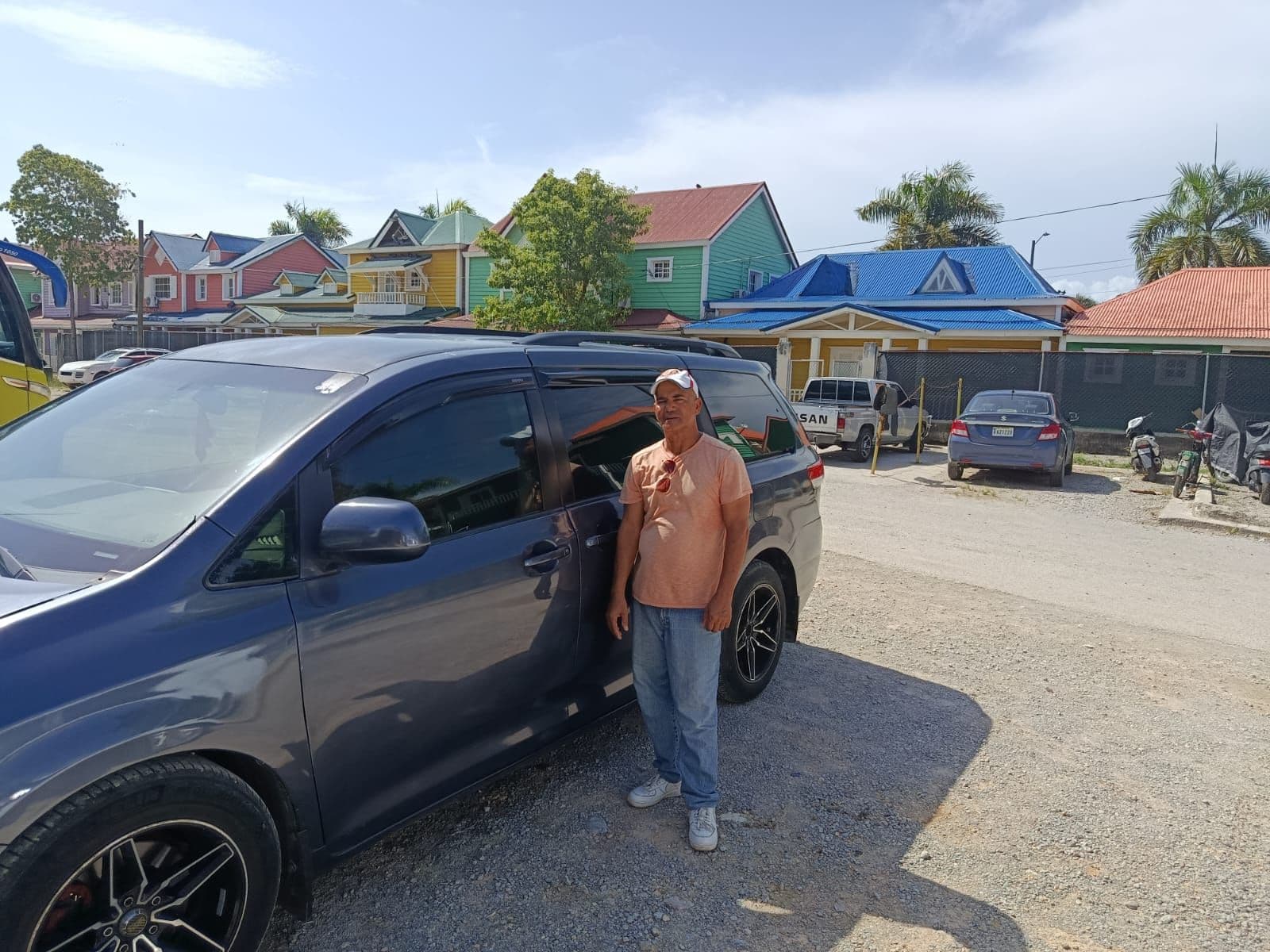
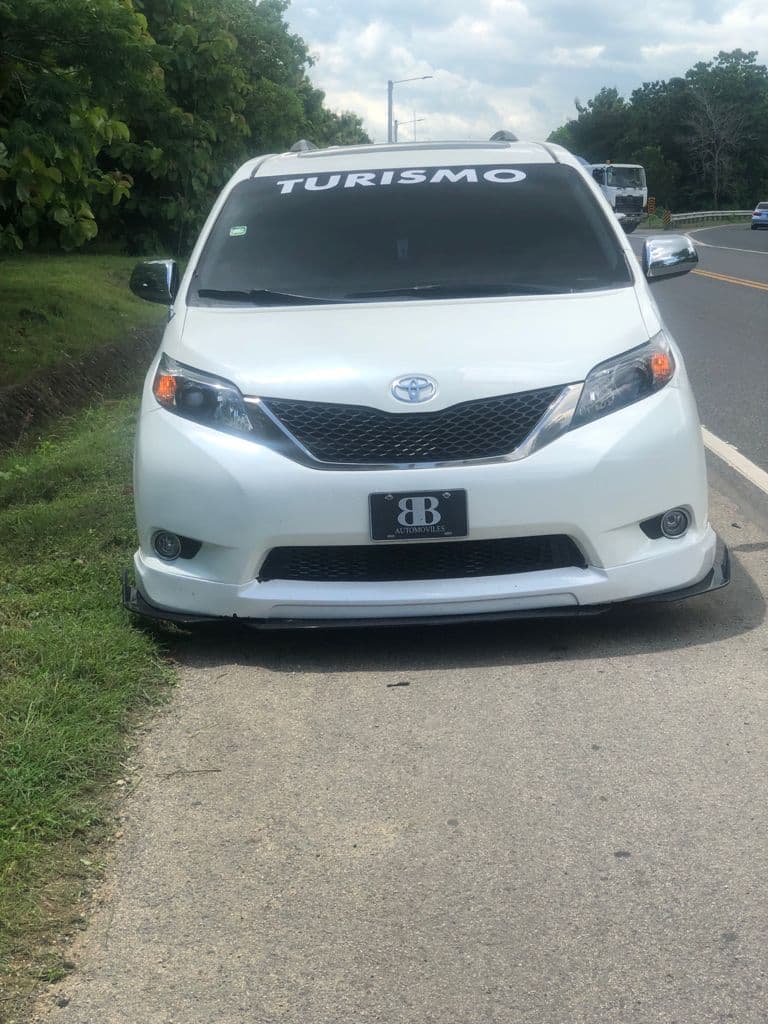
Compare local transfer operators side by side and message them on WhatsApp with your route already typed.
Message a local operator.
Message these Samaná operators directly on WhatsApp — you book with them, not through us.

Key Takeaways
Key Takeaways
- A Dominican Republic eSIM is the fastest option — you can activate it before you even land at El Catey airport.
- Physical SIM cards in the Dominican Republic cost roughly RD$300–800 (~$5–13 USD) and are sold at airport kiosks, colmados, and carrier stores.
- Mobile data in the Dominican Republic works well in Las Terrenas, Samaná town and Las Galeras but gets patchy near El Limón and Los Haitises.
- Claro has the widest and most reliable coverage across the Samaná Peninsula; Altice is a solid backup in town centers.
- Buying an eSIM before your trip saves you the arrival-day scramble and lets you keep your home number active for calls or 2FA codes.
Dominican Republic eSIM vs SIM Card: Which Should You Get?
A Dominican Republic eSIM is generally the better choice for most travelers because it activates instantly, requires no physical swap, and can be purchased online before departure. A physical SIM card is cheaper and more reliable for longer stays, since you can top up in person and get full local support from a carrier store.
I've landed at El Catey more times than I can count, and I've tried nearly every approach to staying connected in Samaná — from fumbling with a SIM card tray in the arrivals hall to activating an eSIM while still buckled into my seat on final descent. Both work. But which one you should pick really depends on how long you're staying and how much you value convenience over cost.
If you're renting a car and planning to navigate to spots like Playa Bonita or the winding road toward Playa Cosón, having working maps and data from the moment you step off the plane is genuinely useful. That first hour, when you're groggy from the flight and trying to find your driver in a parking lot full of similar-looking SUVs, is exactly when you don't want to be searching for wifi.
Why I Default to eSIM Now
After years of buying physical SIMs, I switched to eSIMs around 2023 and haven't looked back. You install the profile at home, and the moment your plane's wheels touch down at El Catey, you switch it on and you're online before you've even reached passport control.
The trade-off: eSIMs are usually data-only, meaning no local phone number for calls or texts. For most travelers exploring things to do in Samaná, that's a non-issue since WhatsApp handles calls and messages just fine over data.
How Much Does Mobile Data Cost in the Dominican Republic?
Mobile data in the Dominican Republic typically costs between $4 and $30 USD depending on whether you choose a prepaid eSIM plan or a local carrier SIM, and how much data you need for your trip. A one-week eSIM plan with 5-10GB runs about $8-15 USD, while a local SIM with a similar data allowance from a Dominican carrier costs RD$500-1,000 (~$9-17 USD).
Here's a practical breakdown I put together after comparing prices across a handful of trips:
| Option | Typical Cost | Data Included | Validity | Best For |
|---|---|---|---|---|
| International eSIM (regional/global plan) | $10-25 USD | 5-20GB | 7-30 days | Short trips, arrival-day convenience |
| Local Dominican eSIM (carrier-branded) | $8-15 USD | 5-10GB | 7-15 days | Budget travelers wanting local rates |
| Physical SIM (Claro or Altice) | RD$300-800 (~$5-13 USD) for the SIM, plus recharge | Varies by recharge plan | 7-30 days | Longer stays, needing a local number |
| Local SIM data recharge (top-up) | RD$200-500 (~$3.50-9 USD) | 2-8GB | 3-7 days | Extending an existing SIM |
| Hotel/villa wifi only (no SIM) | Free-$5/day | Unlimited but fixed location | Length of stay | Very short visits, budget backpackers |
Prices fluctuate, so treat these as ballpark figures rather than gospel. I've seen the same Claro recharge plan cost slightly different amounts in Las Terrenas versus Santo Domingo, likely due to local promotions.
Where to Buy a SIM Card in the Dominican Republic
You have three realistic options once you're on Samaná soil:
- El Catey International Airport (AZS): kiosks near arrivals sell Claro and Altice SIMs, though selection and stock can be inconsistent
- Carrier stores in town: both Las Terrenas and Samaná town have official Claro and Altice storefronts where staff will set up the SIM for you on the spot
- Colmados and phone shops: small local shops (the same ones where you'll grab a cold Presidente or a bag of platanos) often sell recharge cards and basic SIMs, though staff may not speak much English
My insider tip: skip the airport kiosk line if you can. It's often slower than just grabbing a moto-taxi into Las Terrenas and popping into a proper carrier store, where the staff will configure your APN settings correctly the first time. I've watched travelers spend 20 frustrated minutes at the airport with a SIM that technically works but has no data because the APN wasn't set.
Which Carrier Has the Best Coverage in Samaná?
Claro offers the most consistent and widest-reaching mobile coverage across the Samaná Peninsula, including more remote areas like El Limón and the road to Las Galeras. Altice performs comparably well in town centers like Las Terrenas and Samaná town but can weaken once you head into rural or mountainous terrain.
I run both a Claro line and an eSIM simultaneously when I'm working from Samaná, mostly out of habit from years of testing. Here's what I've consistently observed:
- Las Terrenas town center: strong 4G on both Claro and Altice, reliable enough for video calls
- Samaná town and the Malecón: good coverage, especially useful if you're planning a Samaná town day trip
- Las Galeras: Claro noticeably outperforms Altice here; expect 4G in the village but slower speeds toward the beaches
- El Limón waterfall area: patchy at best — don't count on data during the El Limón waterfall tour, especially once you're on horseback deep in the trail
- Los Haitises National Park: virtually no signal once you're among the mangroves and caves, which is worth knowing before a Los Haitises night tour or a birdwatching excursion
- Playa Rincón and Playa Frontón: coverage exists near the access points but drops out on the beach itself, so don't rely on it for that Playa Rincón boat trip
That last point matters more than people think. I once spent a full afternoon at Playa Rincón assuming I could summon a return boat via WhatsApp, only to realize my signal had vanished the moment we rounded the point. Always confirm pickup times with your boat operator before you lose signal, not after.
Setting Up Your eSIM Before You Land
The process is simpler than it sounds, even if you've never used an eSIM before. Most providers send a QR code by email after purchase, and modern iPhones (XS and later) and most Android phones from the last five years support eSIM.
- Purchase your eSIM plan online at least a day or two before departure, giving yourself buffer time in case of email delays
- Connect to wifi and scan the QR code in your phone's cellular settings — do this before you fly, since you'll want wifi to download the profile
- Label the new eSIM line as "Data" and keep your home SIM as your primary line for calls/texts
- Enable data roaming for the new eSIM specifically (a step people frequently forget, which causes the classic "I have the eSIM but no internet" problem)
- Once you land at El Catey, switch on the eSIM's data line and you should connect within a minute or two
Quick Tips
Quick Tips
- Download offline Google Maps for the Samaná Peninsula before you leave home, as a backup for dead zones near El Limón and Los Haitises
- Keep your physical home SIM in place even when using an eSIM — you'll still get texts and have a backup
- If you're staying more than two weeks, a physical Claro SIM often works out cheaper than repeatedly topping up an eSIM plan
- Screenshot your accommodation address and driver's WhatsApp number before arrival, in case you land with zero signal
- Ask your carrier store to test data on the spot before you leave — a two-minute check saves an afternoon of frustration
Do I Really Need Mobile Data for a Samaná Trip?
You don't strictly need mobile data to enjoy Samaná, but it makes logistics significantly easier, especially for arranging transport, confirming tours, and navigating between beach towns. Many travelers get by with hotel wifi alone, though this becomes limiting the moment you leave your accommodation.
Think about how much of a typical Samaná day happens outside of wifi range. You might be getting around Las Terrenas without a car, coordinating a private driver for a custom day tour, or messaging a boat captain about a Playa Frontón and Playa Madama trip. All of that is far smoother with a working data connection in your pocket.
That said, plenty of visitors deliberately go semi-offline here, and there's something lovely about that too. Samaná has a way of encouraging you to put the phone down — the sound of waves at Playa Cosón or the calm of a Samaná Bay kayak trip doesn't really need documenting in real time.
Practical Considerations for Longer Stays
If you're spending a month or more in Samaná, whether for remote work or an extended vacation, the math shifts in favor of a physical SIM. Local recharge plans become noticeably cheaper per gigabyte the longer you commit, and having an actual Dominican number makes it easier to arrange deliveries, book tours directly, or communicate with local drivers and hosts.
I've met more than a few long-term visitors who eventually consider what it might look like to spend even more time here — and if that's a path you're curious about, Real Estate Las Terrenas is worth a look for anyone thinking beyond a vacation and toward a longer-term stay.
For everyone else, though, the choice really comes down to trip length:
- Under 10 days: an eSIM is almost always the better call — simpler, faster, no lines
- 10-21 days: either works, though a local SIM starts to pay for itself if you're a heavy data user
- 3+ weeks: a physical Claro or Altice SIM with a monthly-style recharge plan is usually the most economical
Before You Fly: A Few Final Checks
Before you leave home, confirm your phone is unlocked (carrier-locked phones can't use a second SIM or eSIM from another provider). Check that your device model actually supports eSIM if you're going that route, since not every phone does, even fairly recent ones.
It's also worth noting that the Dominican Republic's telecom infrastructure has expanded significantly over the past decade, according to the Dominican Republic's official tourism site, which now promotes connectivity as part of its push to support remote workers and long-stay visitors. Coverage quality on the Samaná Peninsula specifically still varies more than in Santo Domingo or Punta Cana, simply due to the region's mountainous, forested terrain — a detail confirmed by general geographic overviews of the Samaná Peninsula on Wikipedia.
Whichever route you choose, don't let connectivity anxiety eat into your first day. Sort your Dominican Republic eSIM or grab a SIM card in Samaná early, and then let yourself get properly lost in the good stuff — the waterfalls, the whale songs offshore between January and March, the smell of grilled fish drifting off a beachfront grill at sunset.
Ready to Plan Your Samaná Trip?
Getting your mobile data in the Dominican Republic sorted is really just step one. The bigger, more exciting task is deciding what to actually do with all that connectivity once you're here. Browse experiences in Samaná to start building your itinerary, check out how booking works on Exploras if it's your first time using the platform, or dive into the Samaná travel blog for more first-hand guides like this one. Whatever you choose, you'll be glad you can pull up the map, message your guide, and share that first whale-tail photo the moment it happens.
Sources
Frequent visitor | Montreal-based travel writer, 9 trips to Samaná
Marc started coming to Samaná as a tourist and never really stopped. He writes from the perspective of a Canadian traveler who's made every mistake so you don't have to — wrong season, wrong operator, wrong transportation. His content is direct, skepticism-first, and built on repeat experience rather than press trips.


Plan your Samaná adventure
Explore the top tours and experiences near this guide — arranged directly with the operator.
Browse all experiencesRelated Articles.
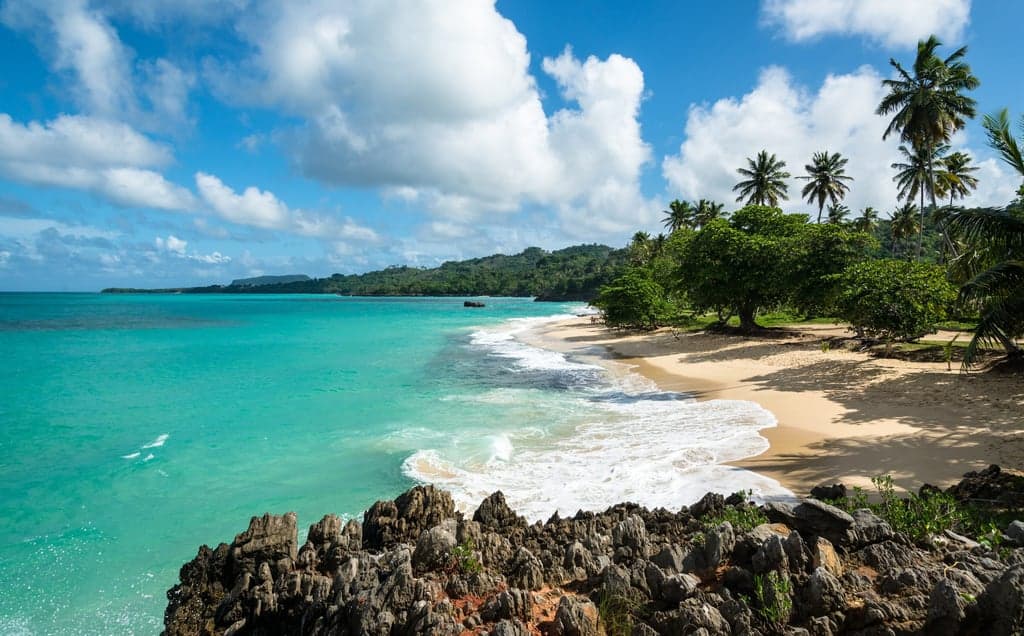
Samaná to Sabana de la Mar by Boat: Crossing the Bay
How to cross Samaná Bay by lancha to Sabana de la Mar: schedules, prices in RD$, what's on the other side, and why locals still swear by this crossing.

Amber Cove, Dominican Republic: Port Guide & Best Excursions (2026)
What's inside Carnival's Amber Cove port in Puerto Plata, what costs extra, how to get out on your own, and which excursions fit one port day.

Puerto Plata Cruise Port Guide: Amber Cove & Taíno Bay (2026)
Amber Cove or Taíno Bay? What is inside each Puerto Plata cruise terminal, what you can walk to, taxi prices, and which excursions fit into a port day.