Caño Hondo, Sabana de la Mar: Natural Pools and How to Get There (2026)
Where Caño Hondo is, how to get there from Samaná or Santo Domingo, the difference between Paraíso Caño Hondo and Altos de Caño Hondo, prices and what to bring.
By Sofia Mena
Samaná Travel Specialist | 7 years booking experiences across the Peninsula. Sofia has personally tested and vetted over 80 tours, excursions, and services across Samaná — from whale watching season prep to El Limón waterfall treks and Los Haitises kayak routes. She focuses on matching traveler types to the right experience: families, couples, adventure seekers, digital nomads.
Experiences for this trip
See all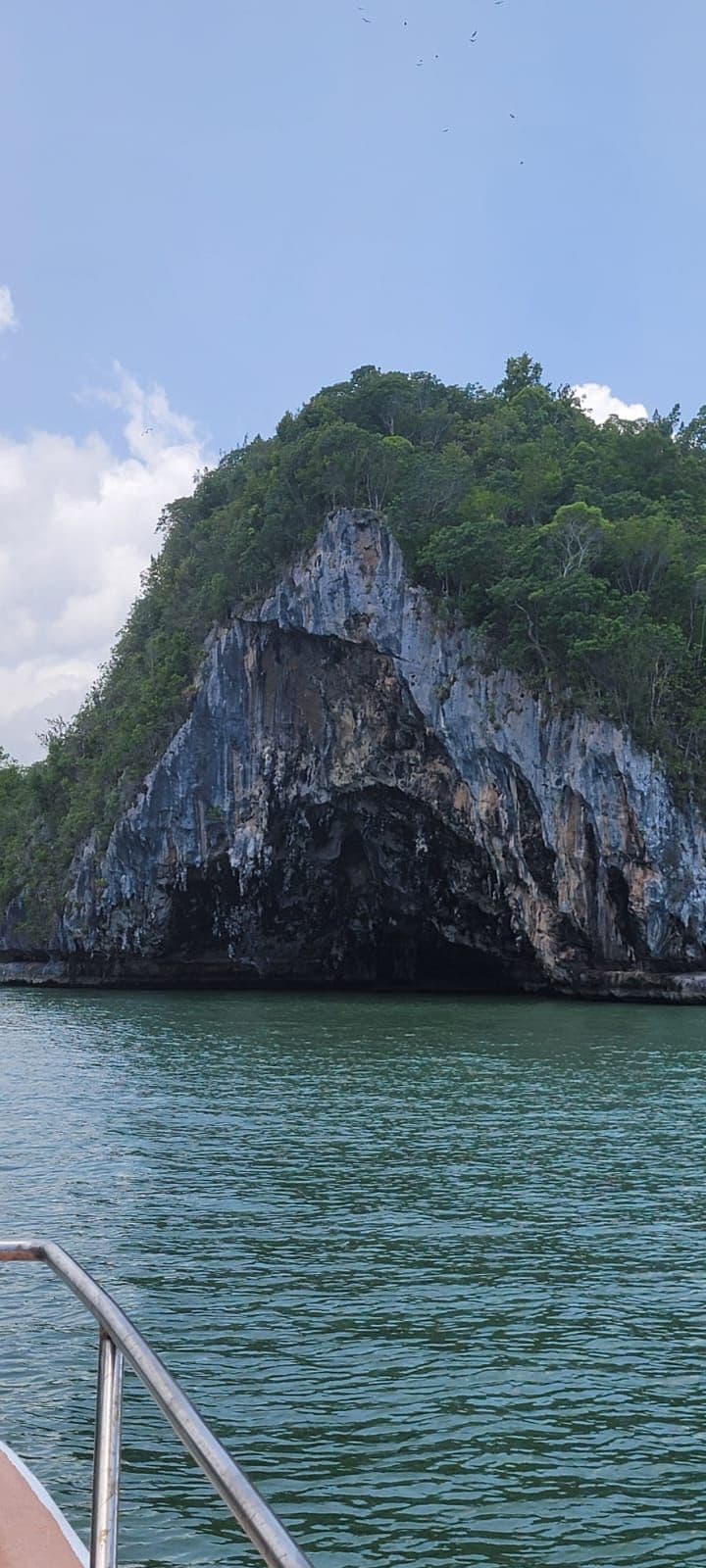
Key points
- Caño Hondo is an area of rivers, pools and small waterfalls about 9 km north of Sabana de la Mar, on the edge of Los Haitises National Park.
- There are two different places to stay with similar names: Paraíso Caño Hondo, an ecolodge with natural pools in the river, and the hotel Altos de Caño Hondo. Do not mix them up when you book.
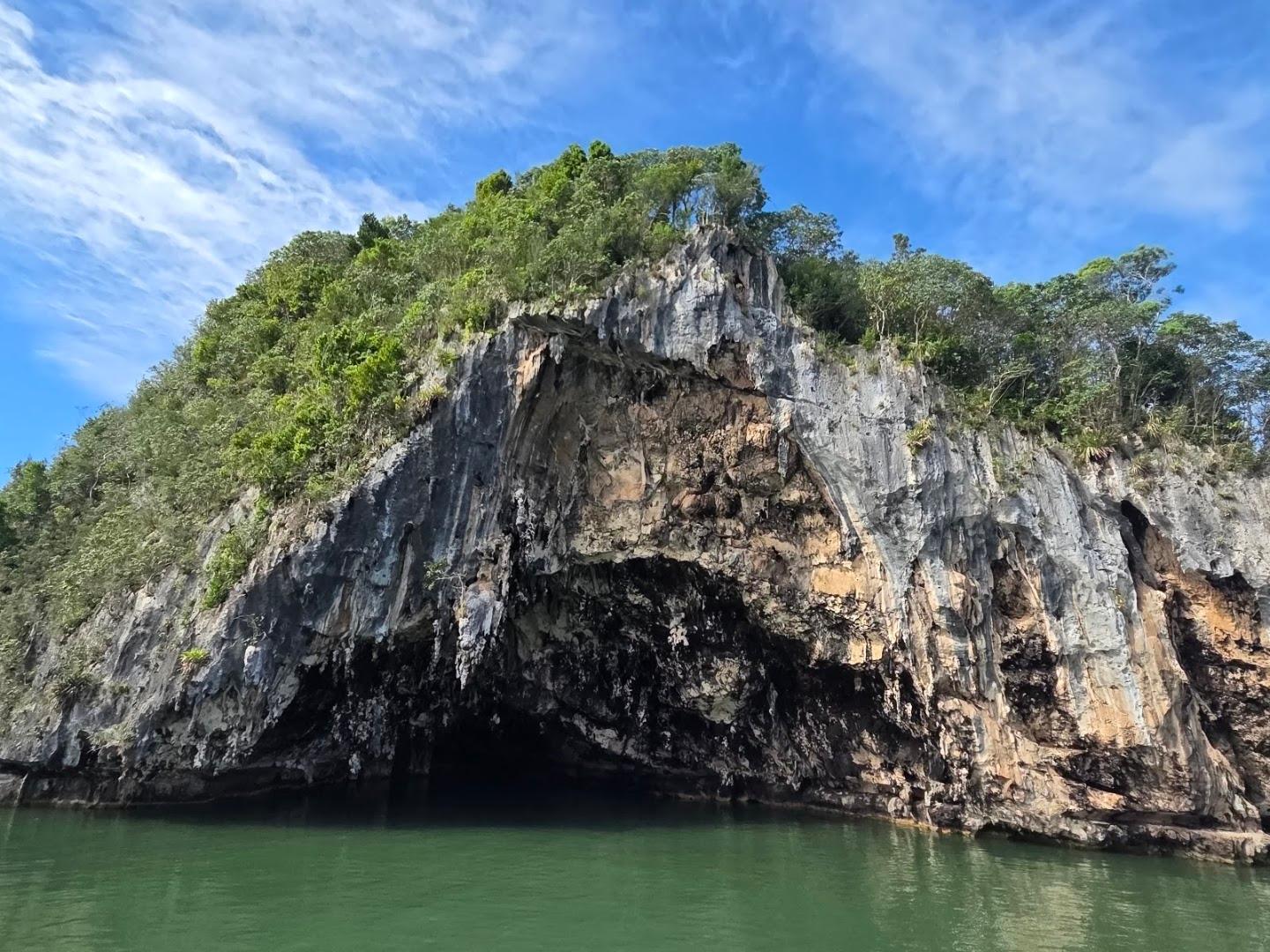
- Boats leave from Caño Hondo for the Los Haitises caves, such as La Arena and La Línea, with Taíno pictographs.
- From Samaná you arrive by boat: Los Haitises tours with a stop at Caño Hondo cost between US$68 and US$105 per person with our hosts and last 6.5 to 7.5 hours.
- Neither place currently publishes a day-visit entrance price. Ask before you go.
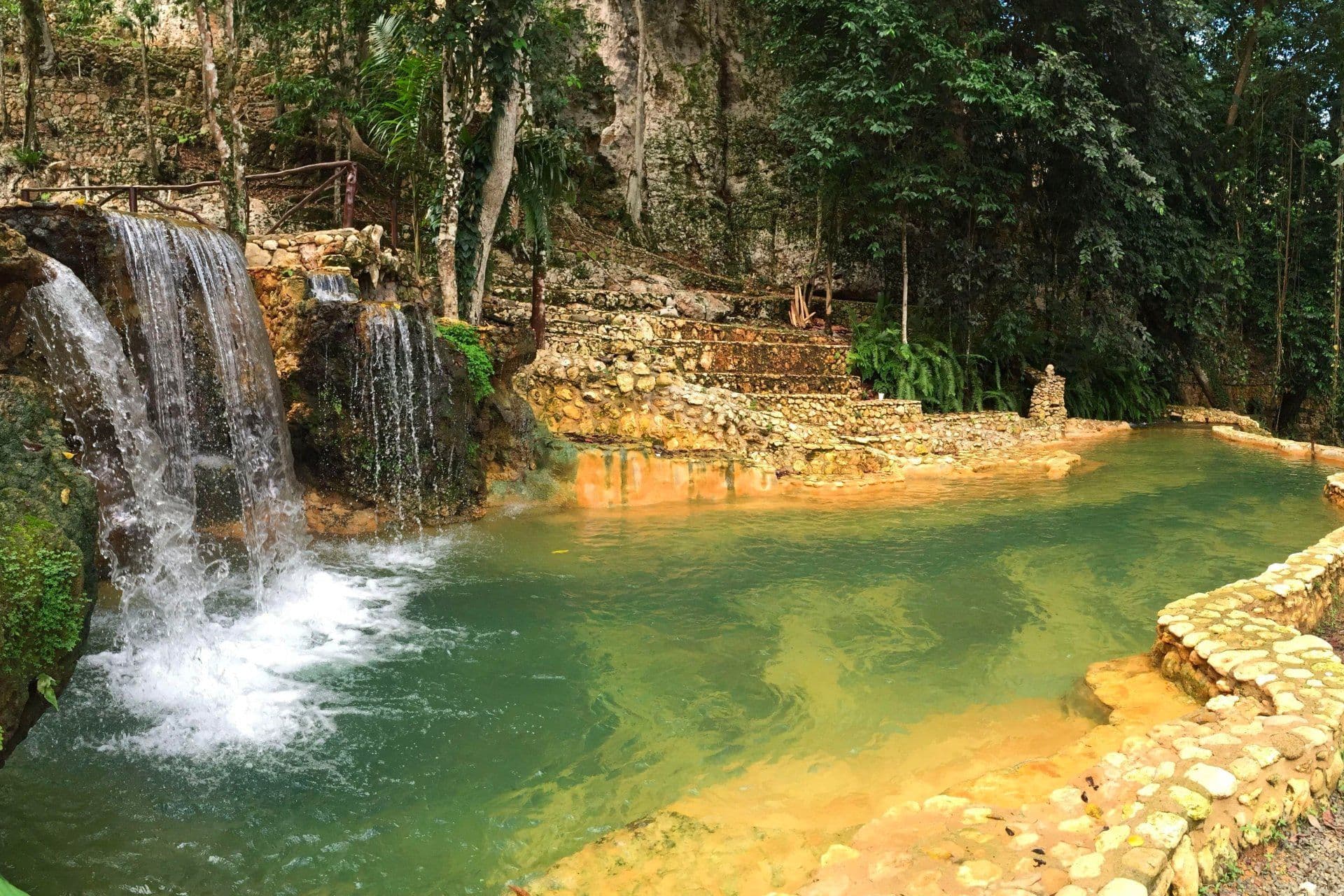
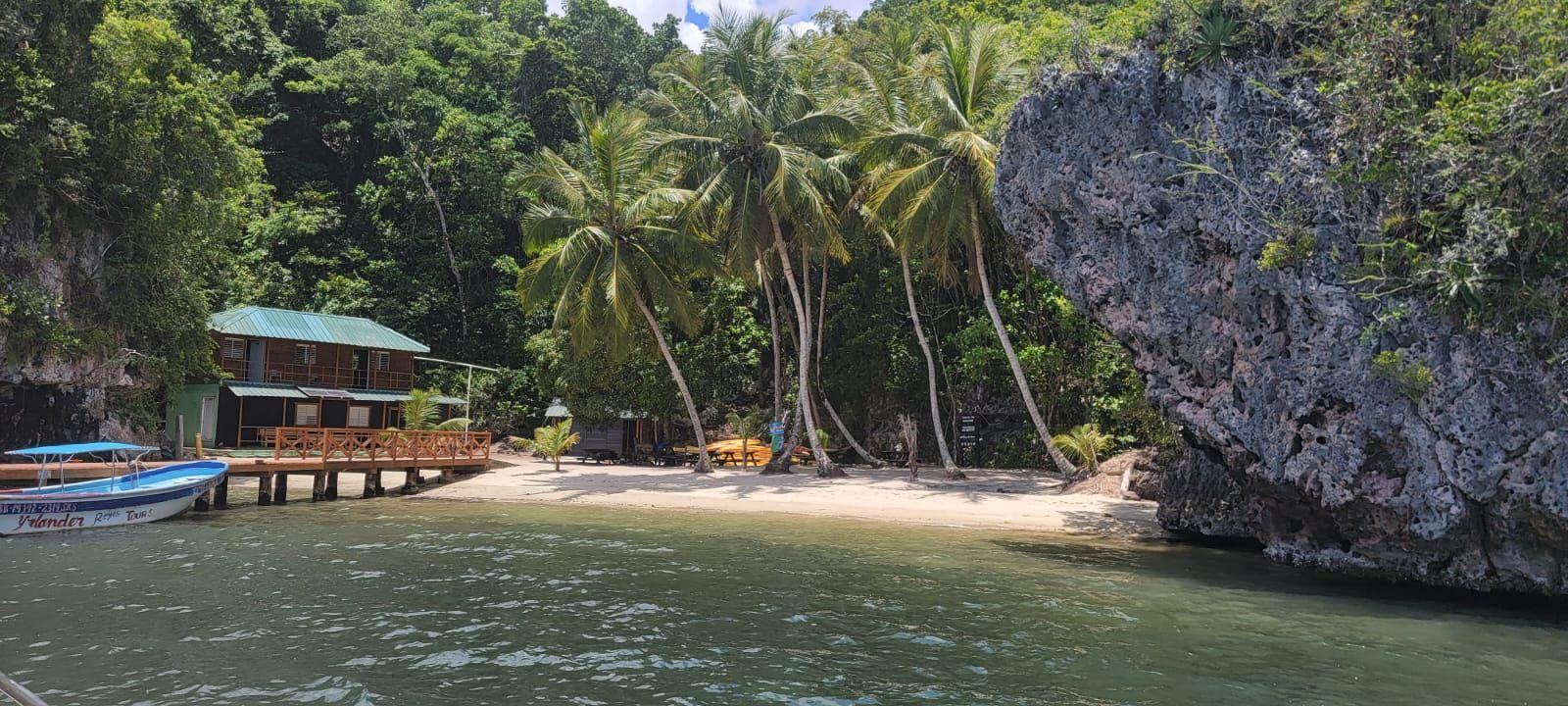
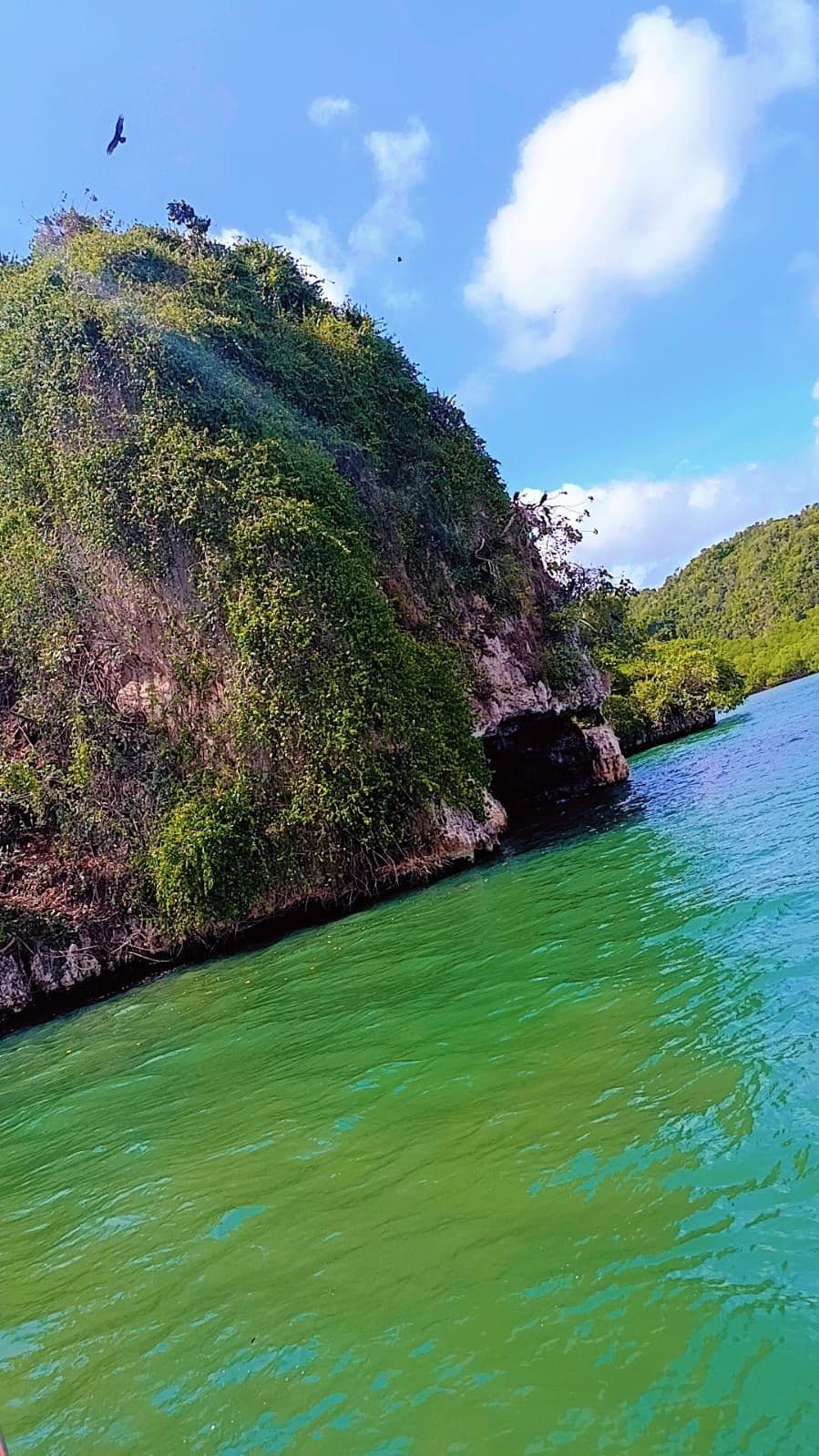
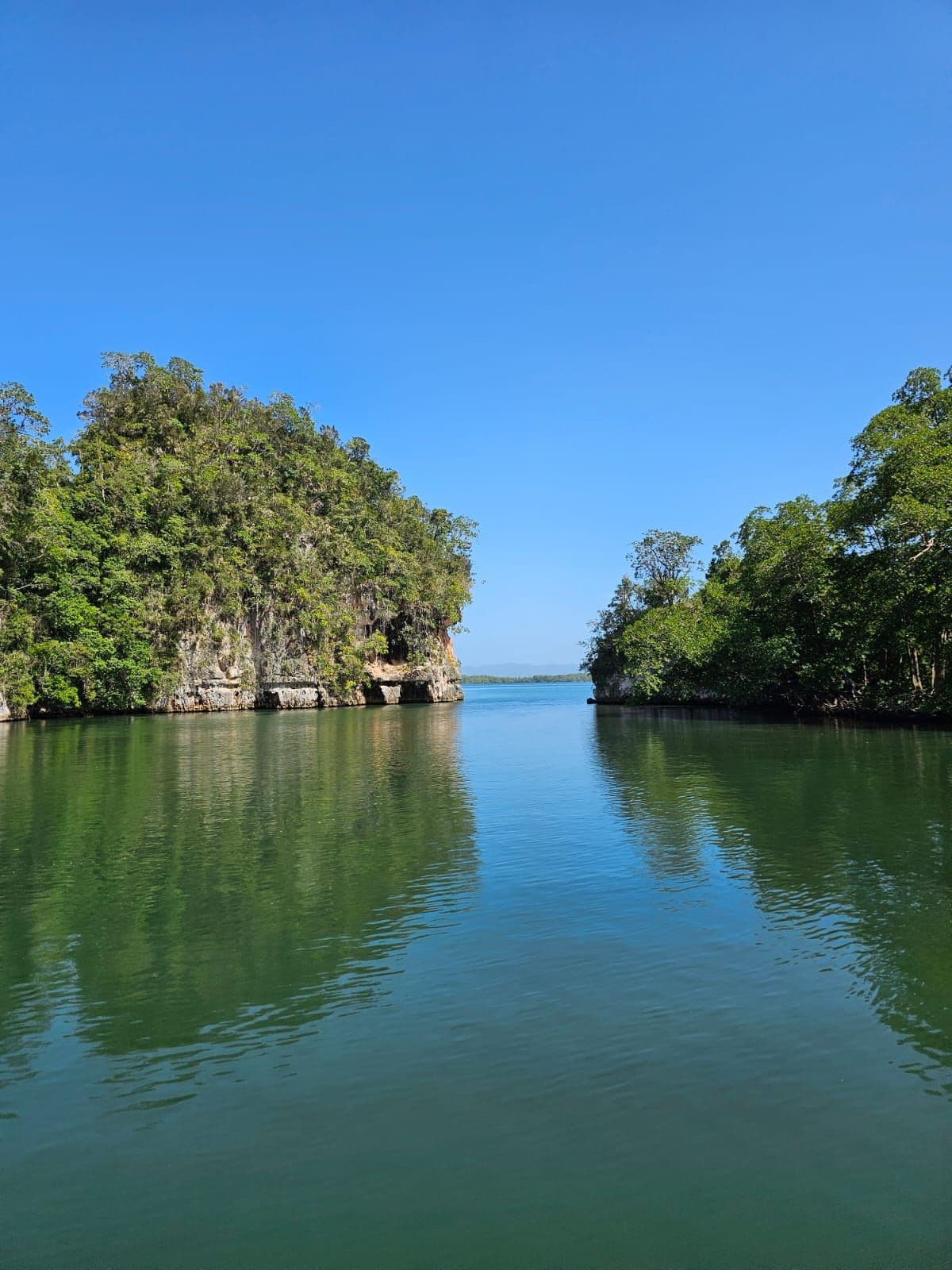
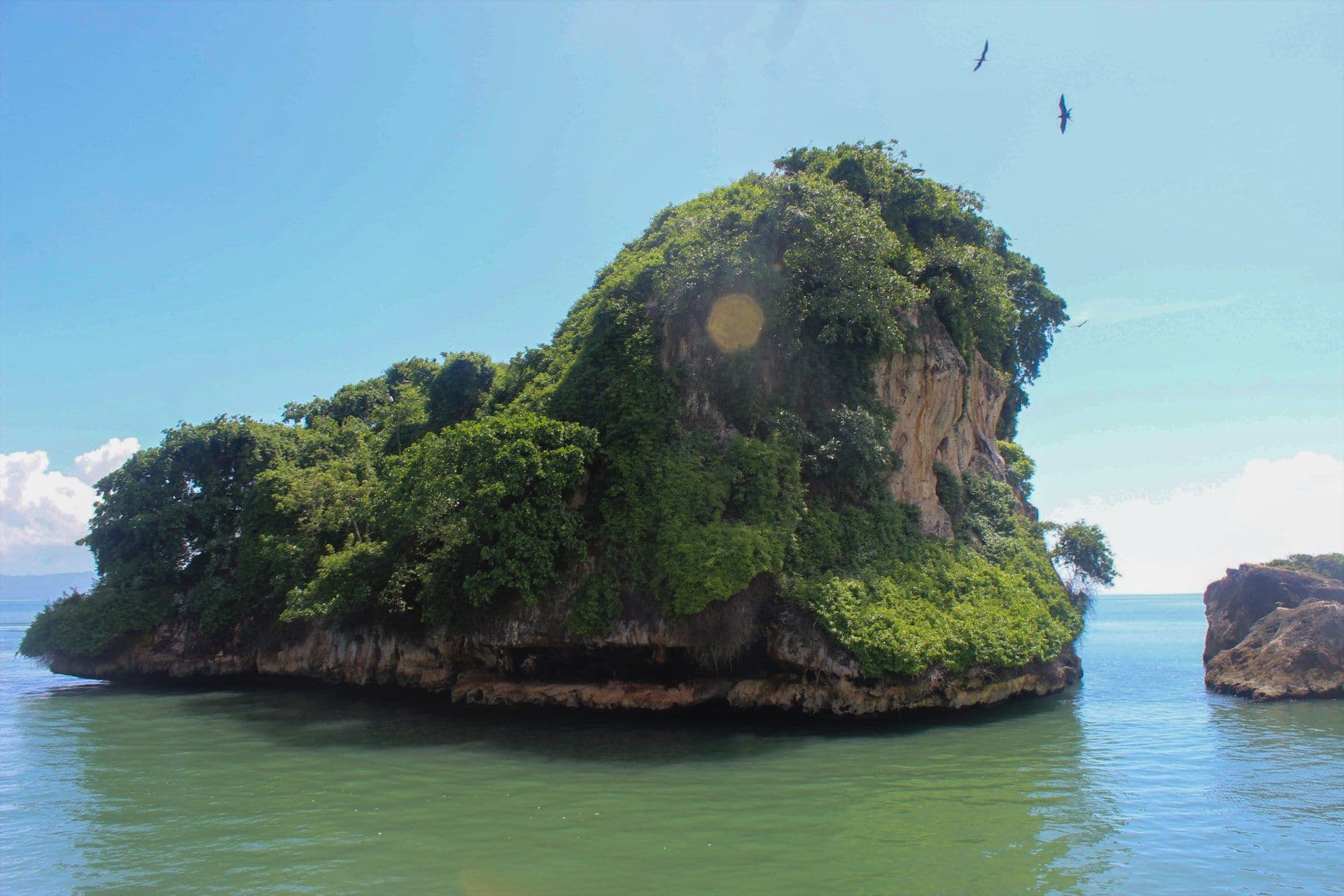
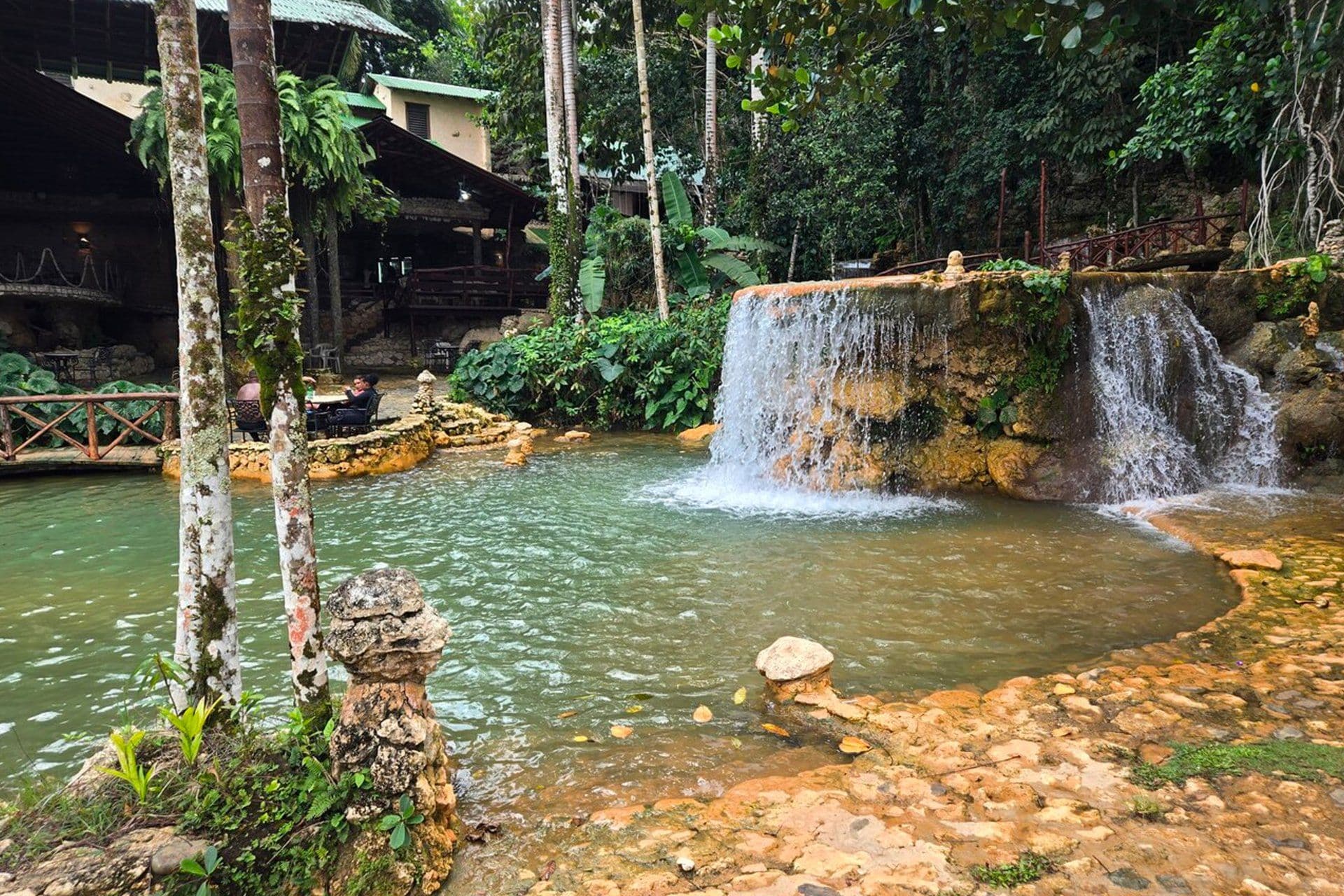
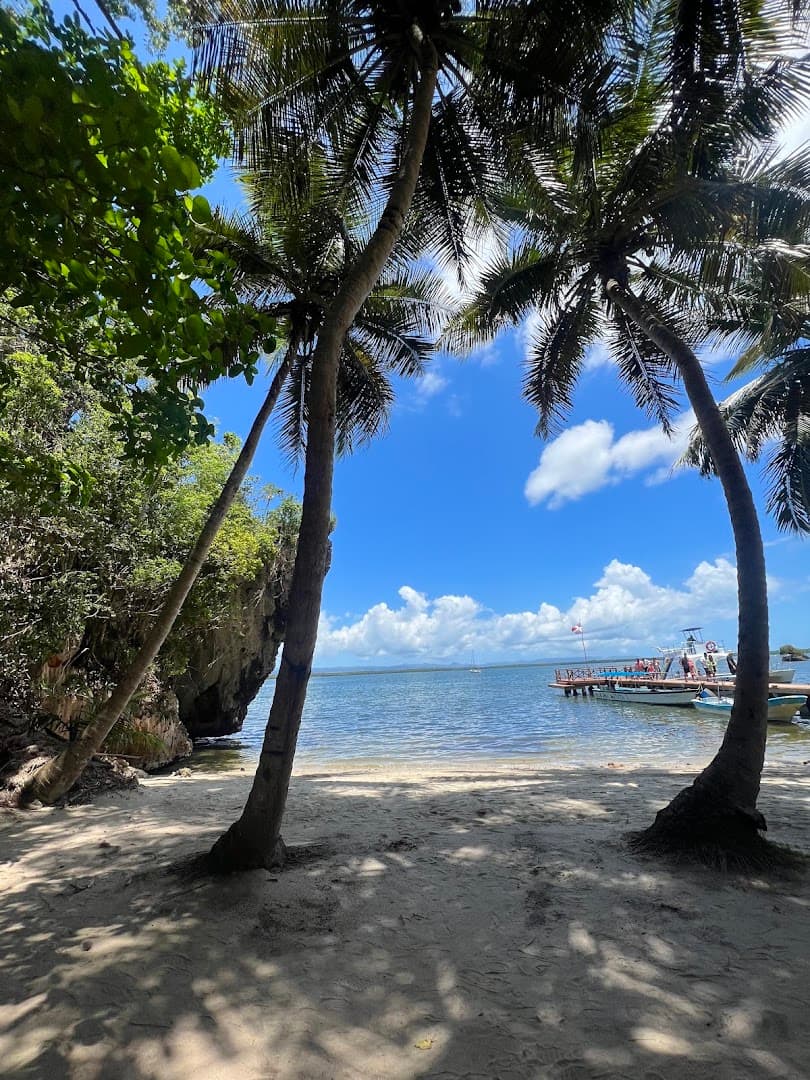
What is Caño Hondo? It is the name of a community and a watercourse in Sabana de la Mar, Hato Mayor province, that begins in Los Haitises. There the Jibales river runs down between rocks covered in vegetation and forms a chain of pools and small waterfalls, which two places to stay have turned into natural swimming pools. From the Caño Hondo dock, boats go down a mangrove channel to San Lorenzo bay, inside the park.
For many people staying in Samaná, Caño Hondo is the lunch stop on the Los Haitises tour: the boat crosses the bay, tours the cays and the caves, and at midday ties up so you can eat and take a dip in fresh water. For anyone arriving by road from Santo Domingo or the east, it is the way into the park from the south side.
Where is Caño Hondo and how do you get there?
Caño Hondo is about 9 km north of the town of Sabana de la Mar, on the south coast of Samaná bay. The boat dock is on the Jibales river, according to Diario Libre. There are three ways to get there.
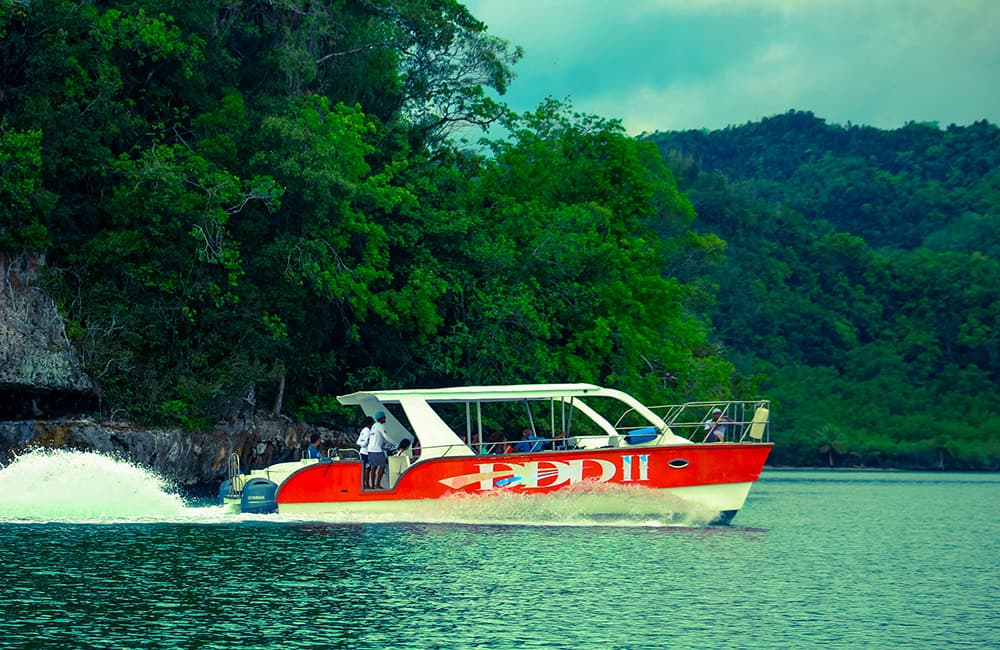
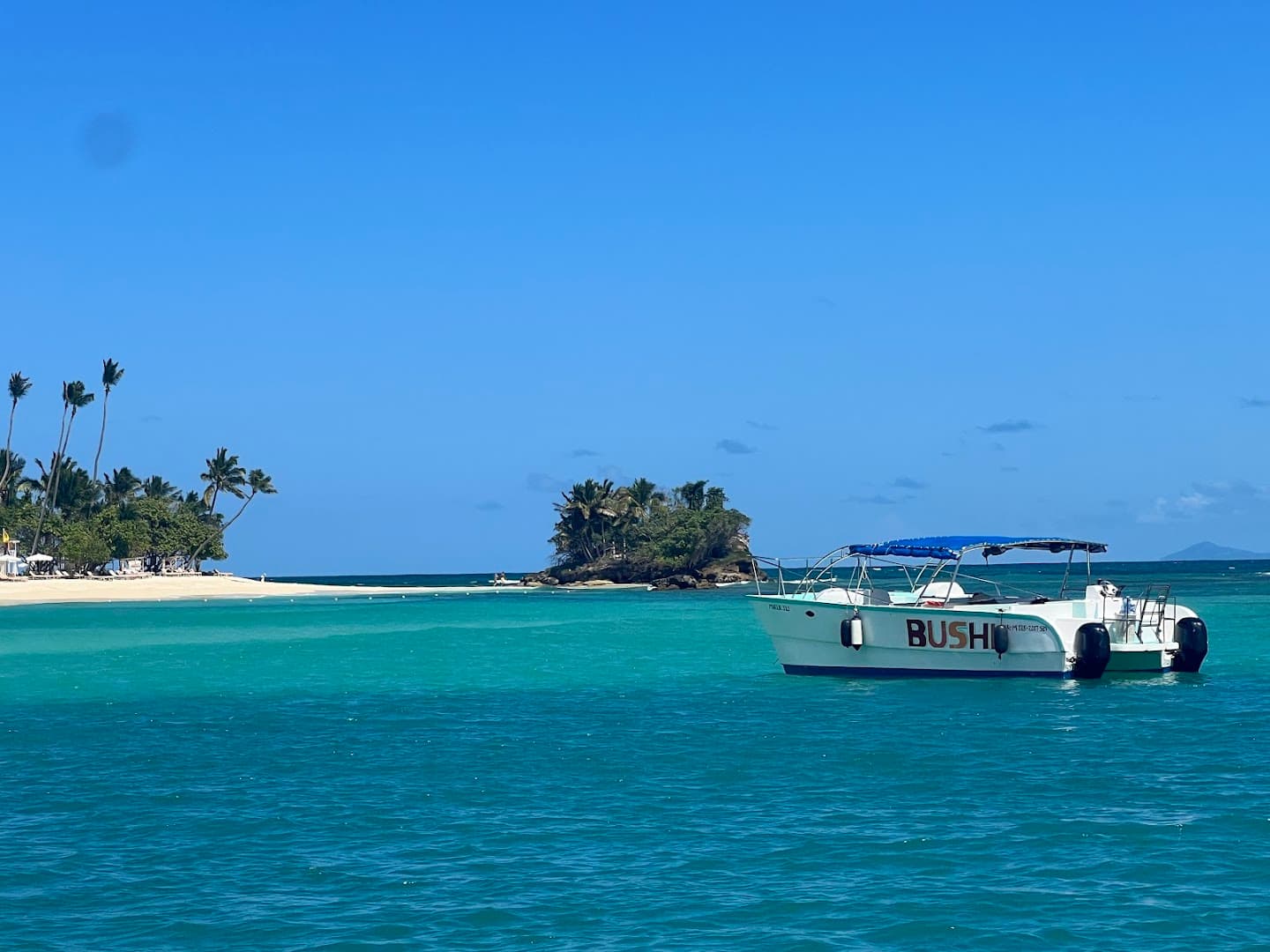
By boat from Samaná. This is the option for people staying in Las Terrenas, Las Galeras or Samaná town. Tours leave from the Samaná dock, cross the bay to Los Haitises and stop at Caño Hondo. Operators in Las Terrenas and Las Galeras usually add the road transfer to the dock. We cover it in our guide to Los Haitises tours.
By passenger launch to Sabana de la Mar, then by road. Passenger launches cross from Samaná to Sabana de la Mar in about 45 minutes to an hour, with no cars on board. From the town you then go about 9 km to Caño Hondo by taxi or motoconcho (motorbike taxi). The details of the crossing are in our Samaná–Sabana de la Mar boat guide.
By car from Santo Domingo. Local operators talk about roughly two and a half hours of travel. The road from Hato Mayor to Sabana de la Mar had a reputation for being in poor condition in 2014, according to Diario Libre; we found no more recent information, so ask before you set out.
Paraíso Caño Hondo or Altos de Caño Hondo? Two different places
This confuses many people, and even some booking pages mix up the two names.
Paraíso Caño Hondo is an ecolodge that opened in 1998, founded by three local partners, according to El Día. The Jibales river runs through the property and its pools are the famous natural pools. The sources disagree on how many there are: El Día counted 10 in 2009 and booking portals now say 11 or 12. It is where several of the tours leaving Samaná stop for lunch.
Altos de Caño Hondo is a different hotel in the same area. Some tour resellers use its reception as a meeting point for the boats to the park and advertise 14 natural pools with waterfalls.
Before you pay for anything, check carefully which of the two appears on the booking, and confirm the hotel is open on your dates.
Sponsored
How much does it cost to get into Caño Hondo?
Neither place publishes a day-visit entrance price. The last sourced figure is from 2009: El Día reported that people not staying there could use the river by paying an entrance fee, RD$100 per adult and RD$50 per child at that time. More than fifteen years have passed, so take it only as a sign that day visits exist, not as a price.
If you go on your own, call or write to the place before you leave and ask the price, the opening hours and whether lunch is extra.
If you go on a tour from Samaná, the entrance to the pools and lunch are usually included. With our hosts, the Los Haitises tour with a stop at Caño Hondo costs between US$68 and US$105 per person and lasts 6.5 to 7.5 hours depending on the operator. When you book, confirm whether the park entrance is included.
What is there to do in Caño Hondo?
Swim in the natural pools. It is fresh water coming down the river between rocks and small waterfalls. It is the main plan, especially after a morning on the boat in the sun.
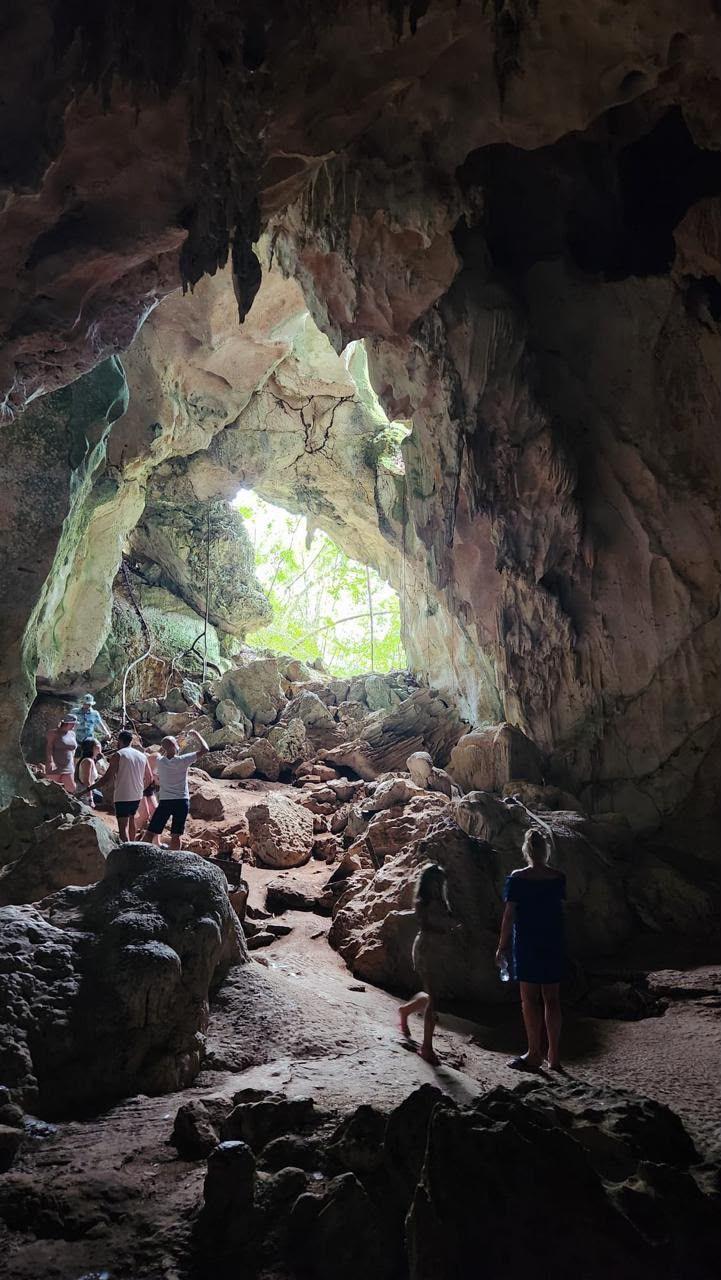
Enter Los Haitises by boat. From the Caño Hondo dock, boats leave through the mangroves toward the park. The most visited caves are La Arena and La Línea, also called the Ferrocarril cave, which holds hundreds of Taíno pictographs according to Diario Libre. The San Gabriel cave is also on the route of many boats.
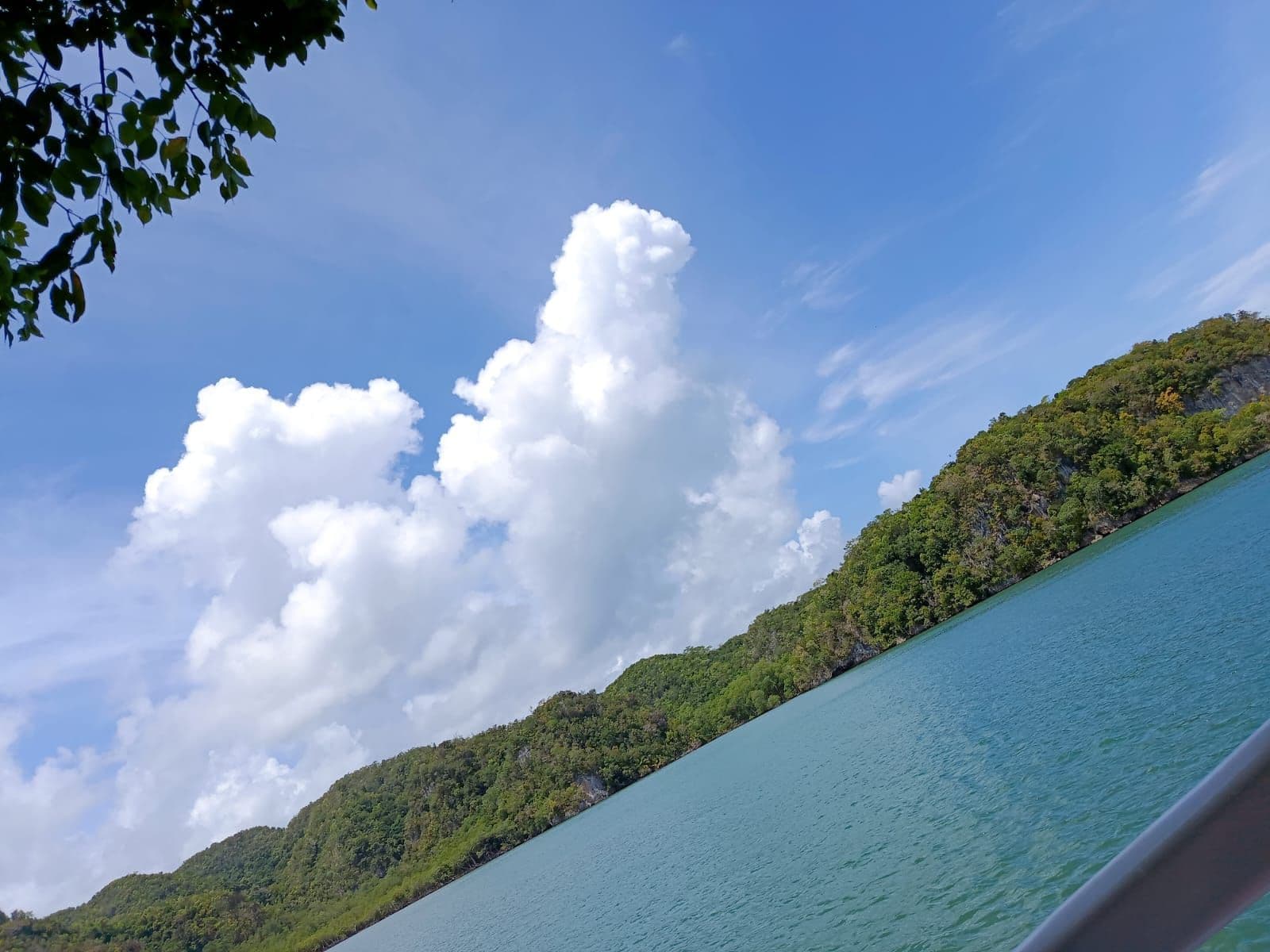
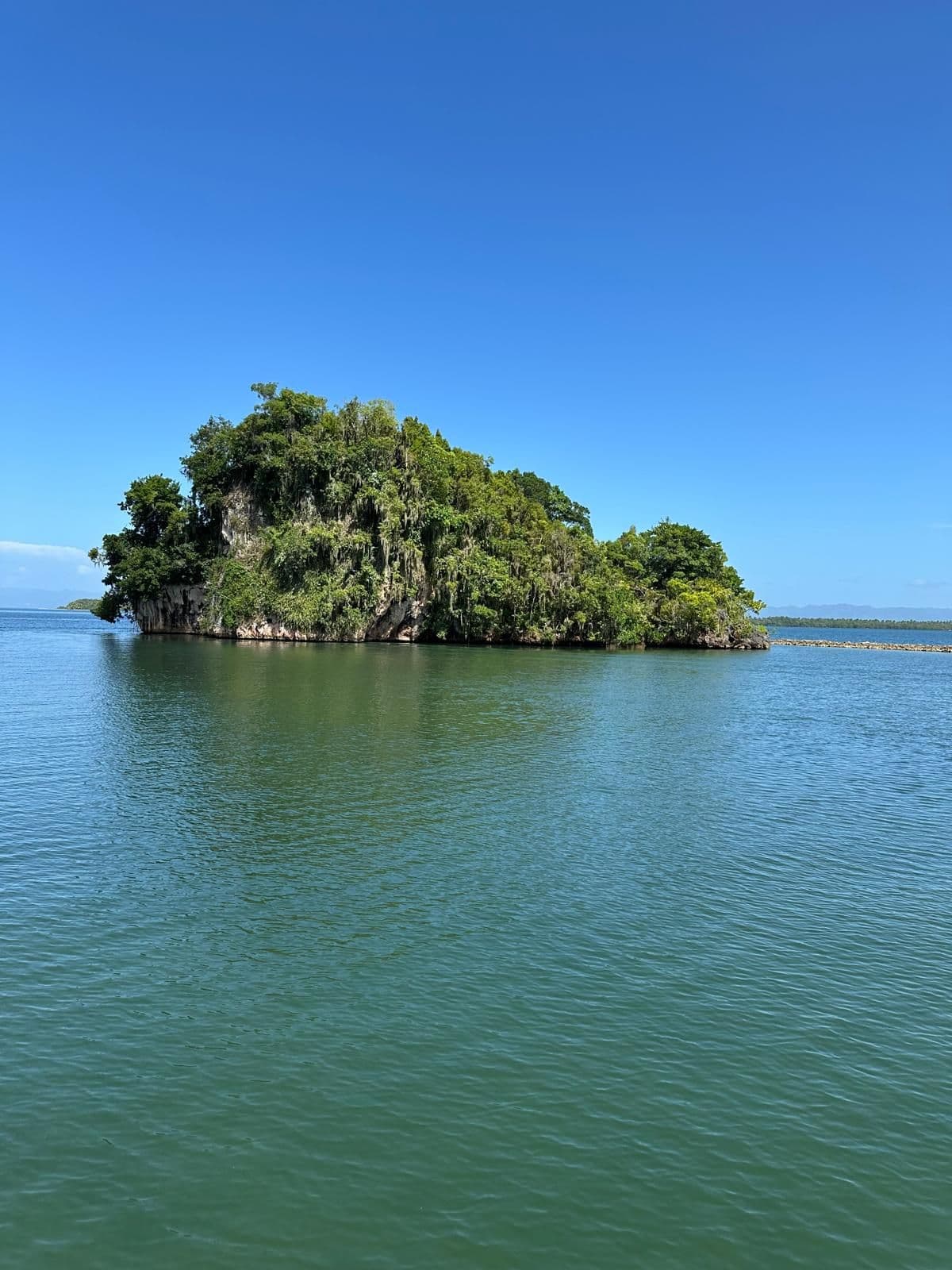
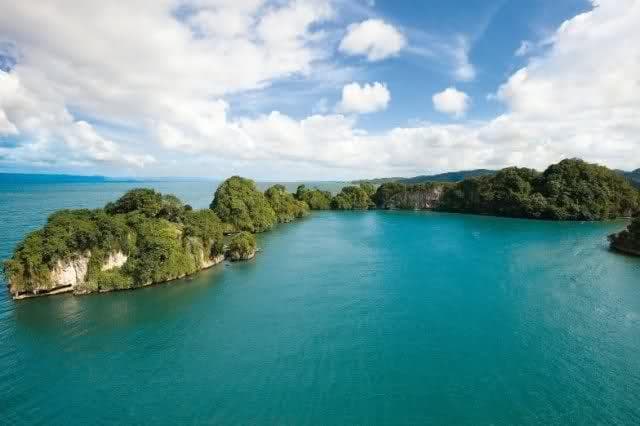
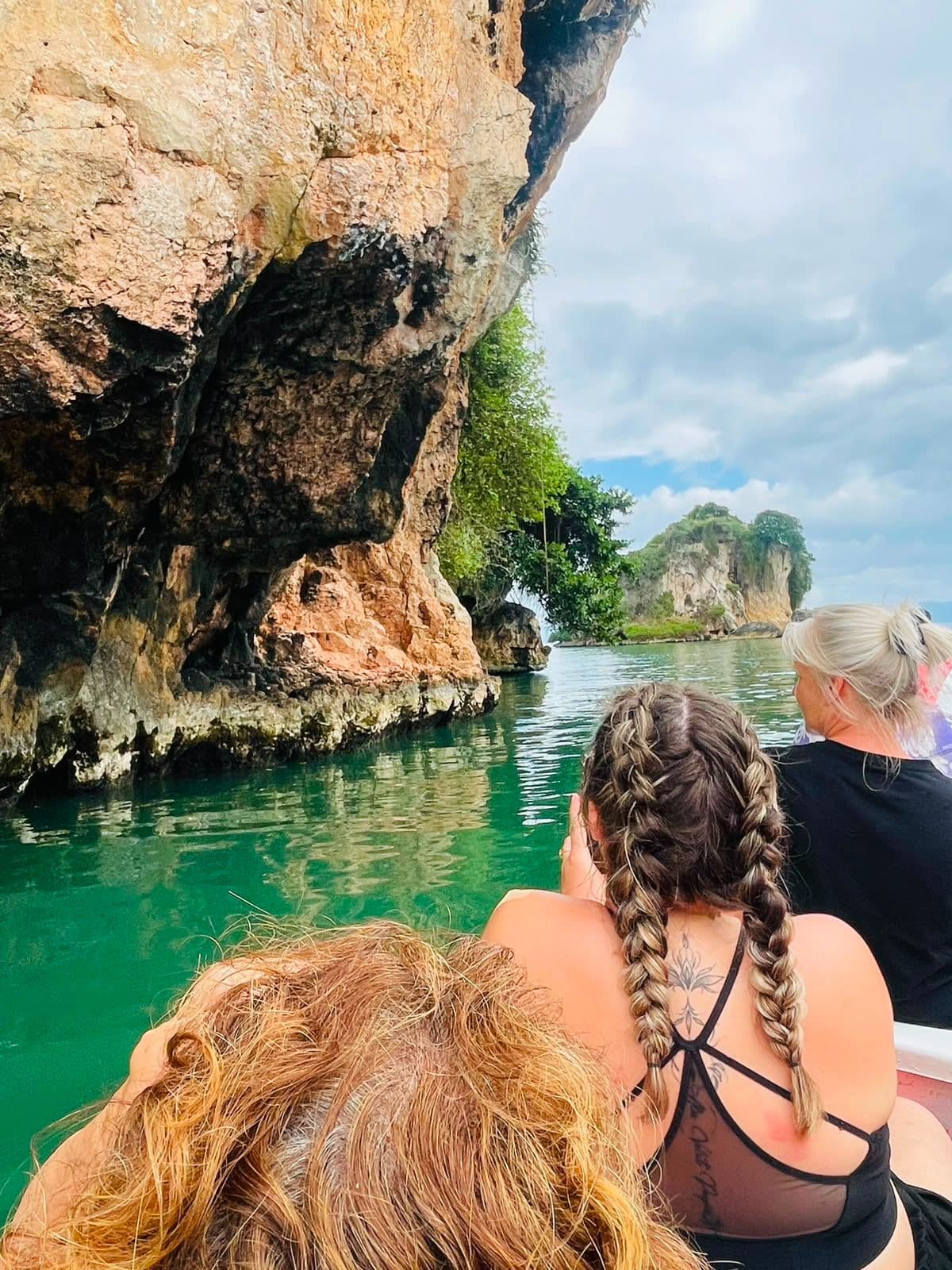
See birds and mangroves. The mangrove channel between Caño Hondo and San Lorenzo bay is part of the landscape that makes the park famous: limestone hills rising out of the water, red mangrove and birds over the cays. If birds are your thing, we have a guide to birdwatching in Los Haitises.
Have lunch. Midday Dominican home cooking is part of almost every tour that stops here.
When should you go to Caño Hondo?
Los Haitises is one of the rainiest areas in the country, with about 2,000 to 2,500 mm of rain a year according to Wikipedia, so it can rain in any month. Bring something for the rain and a dry bag for your phone.
Operators recommend leaving early, between 8:00 and 10:30 a.m., when the water in the bay is calmer and it is less hot.
If you go between 15 January and 31 March, you coincide with the whale season in Samaná bay: see our whale watching guide.
What should you bring to Caño Hondo?
- Swimsuit and towel: the pools are the centre of the visit.
- Water shoes or sandals with grip: the river rocks are slippery.
- Insect repellent: there are mosquitoes in the mangroves.
- Sunscreen and a cap for the boat.
- A dry bag for your phone and documents.
- Cash in pesos in case you want to buy something or tip the guide.
Is Caño Hondo worth it?
Yes, especially as part of the day in Los Haitises. After hours on the boat, swimming in fresh water among waterfalls and greenery is the best rest of the tour. If you go on your own from Sabana de la Mar, the key is to know which of the two places you are heading to and to ask the day-visit price beforehand.
If you are staying on the Samaná peninsula, the simplest way is to go by boat on a tour that includes the stop. Compare departures, prices and operators in our Los Haitises guide.
Book your excursion
Pick one, see the photos and prices, and write to the host on Exploras.
Got a question? Ask us
We answer right away, with verified local hosts.
Sources
Photo: Elewis Tours