Cabo Cabrón National Park, Las Galeras: Pools, Hikes and Dives
Cabo Cabrón is the wild national park west of Las Galeras. Where it is, who looks after it, how to reach Las Pozas, the dive sites, fees and what to bring.
By Sofia Mena
Samaná Travel Specialist | 7 years booking experiences across the Peninsula. Sofia has personally tested and vetted over 80 tours, excursions, and services across Samaná — from whale watching season prep to El Limón waterfall treks and Los Haitises kayak routes. She focuses on matching traveler types to the right experience: families, couples, adventure seekers, digital nomads.
Experiences for this trip
See all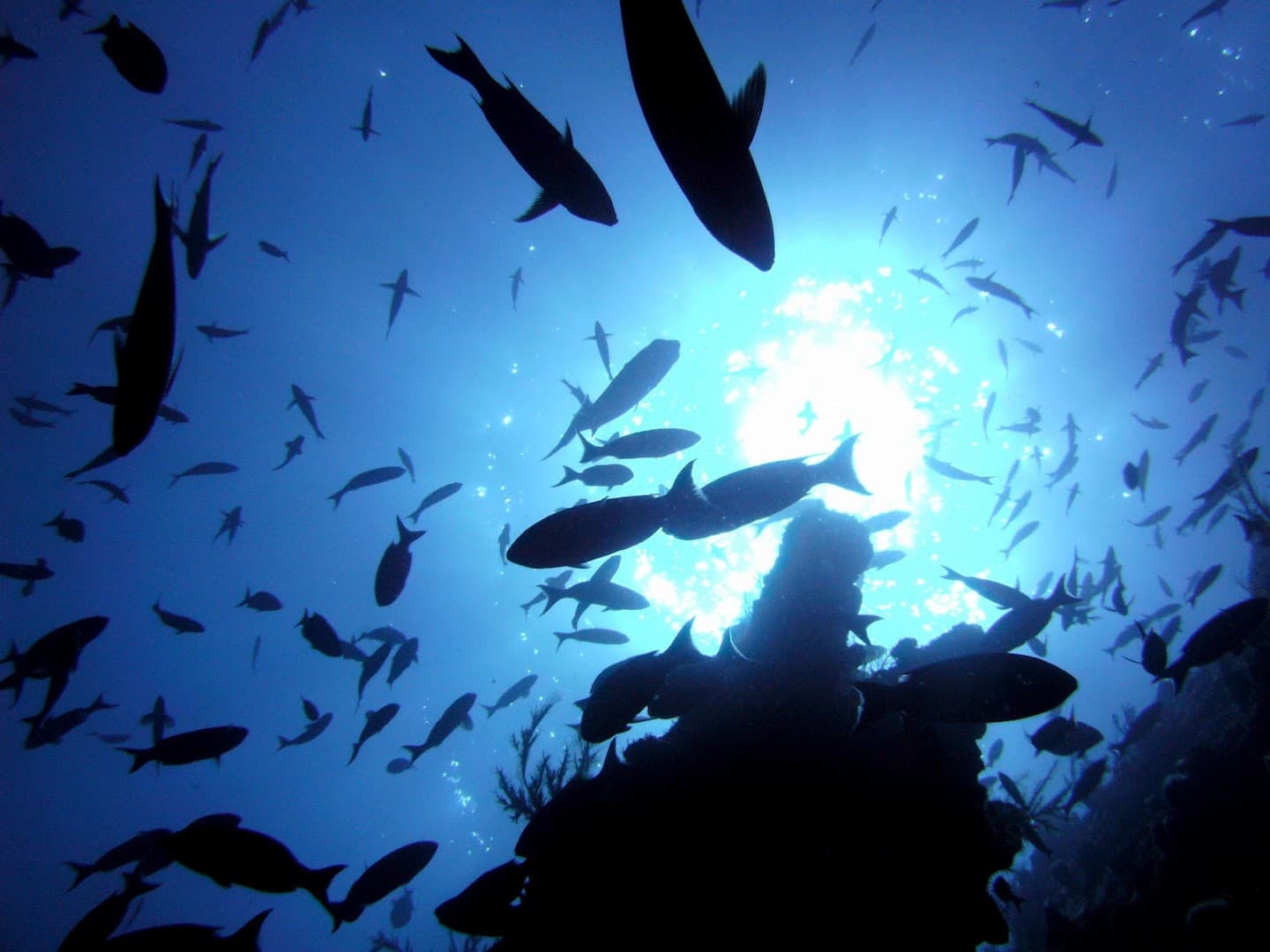
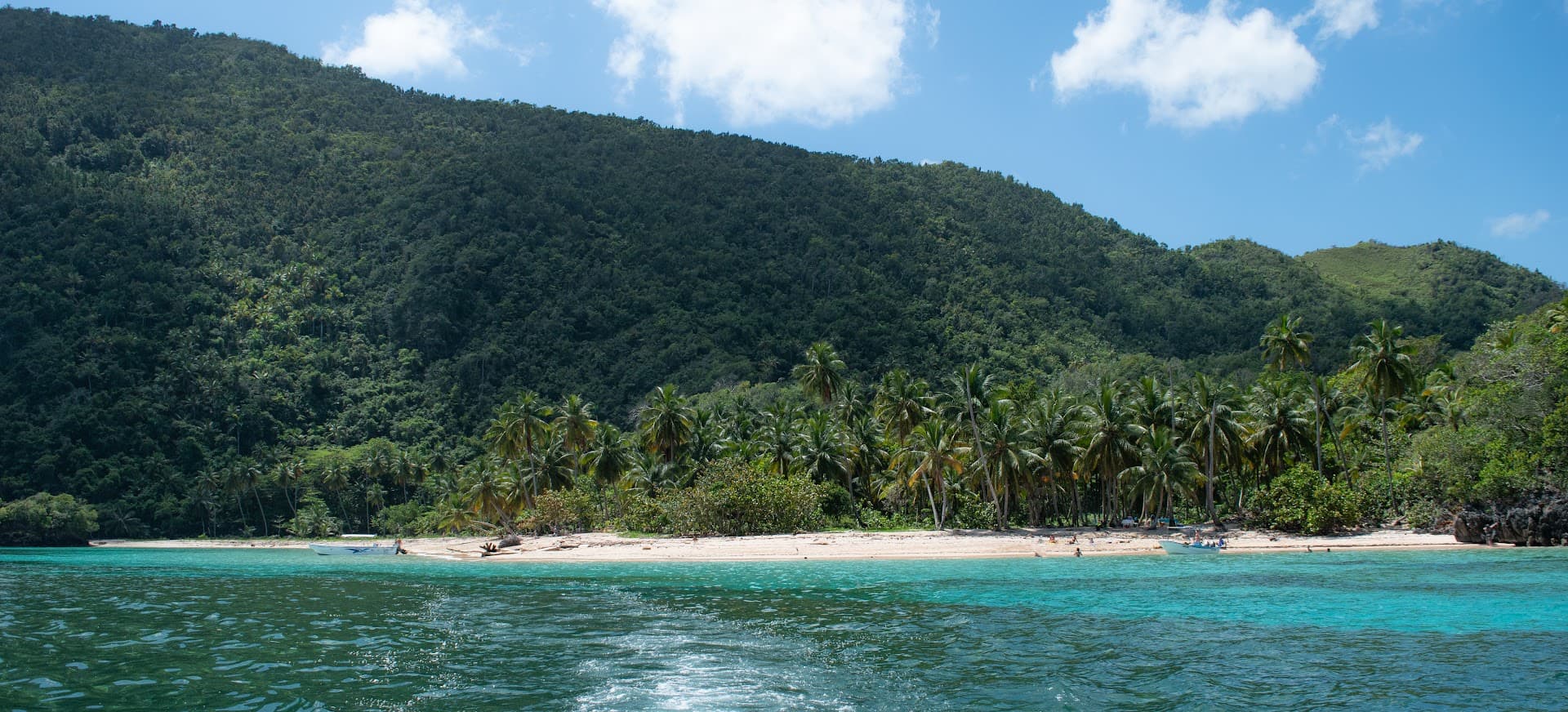
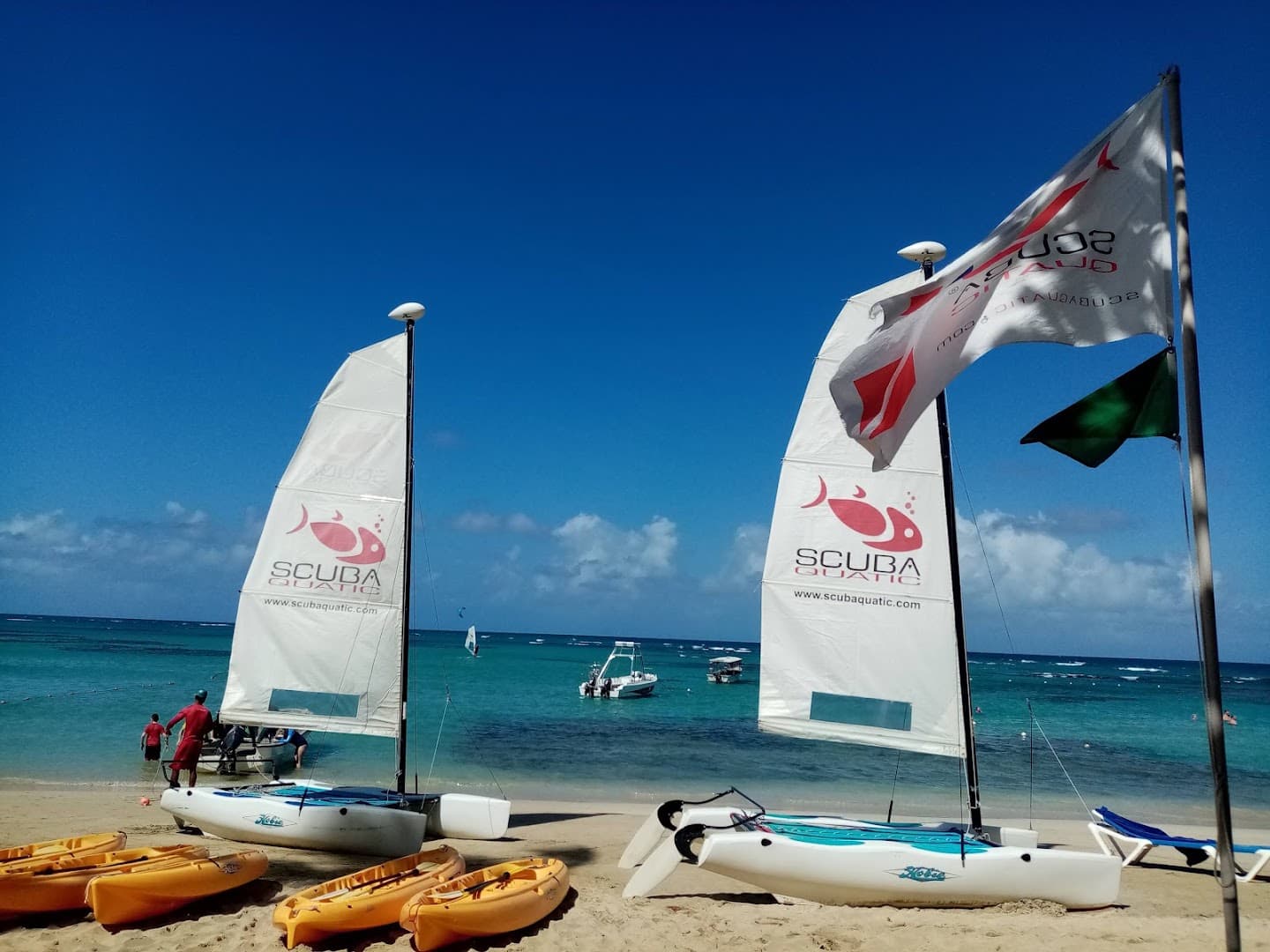
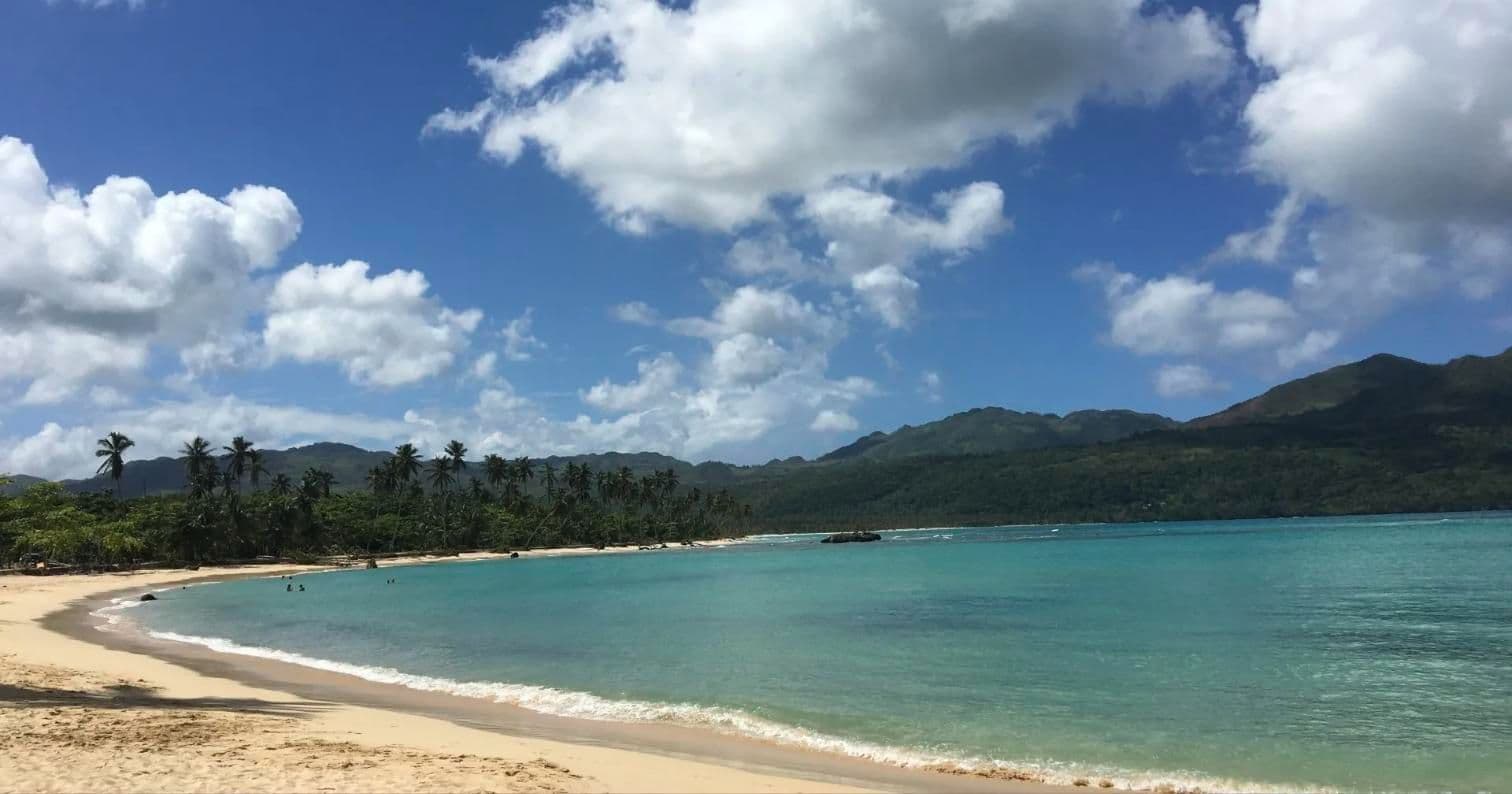
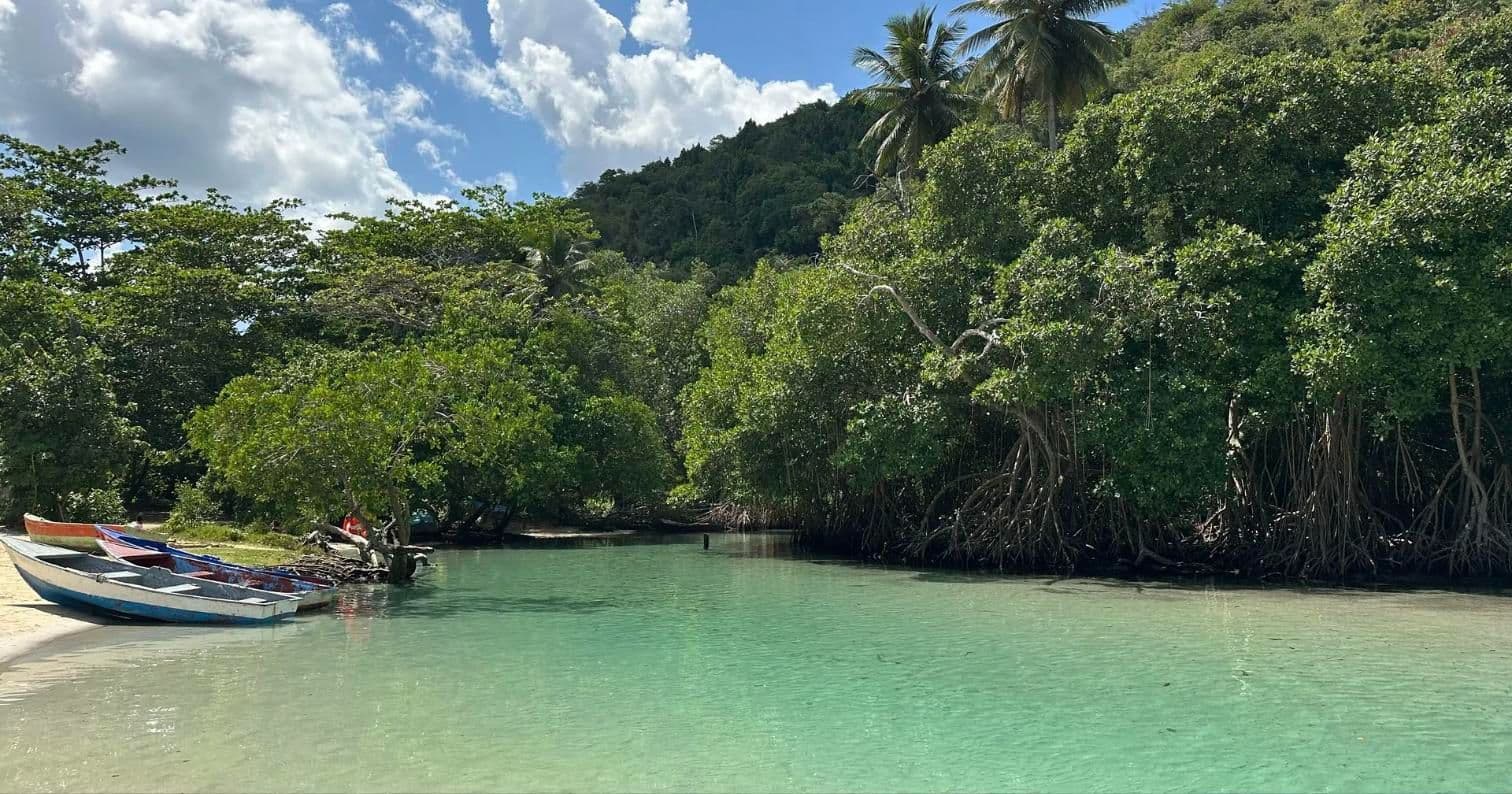
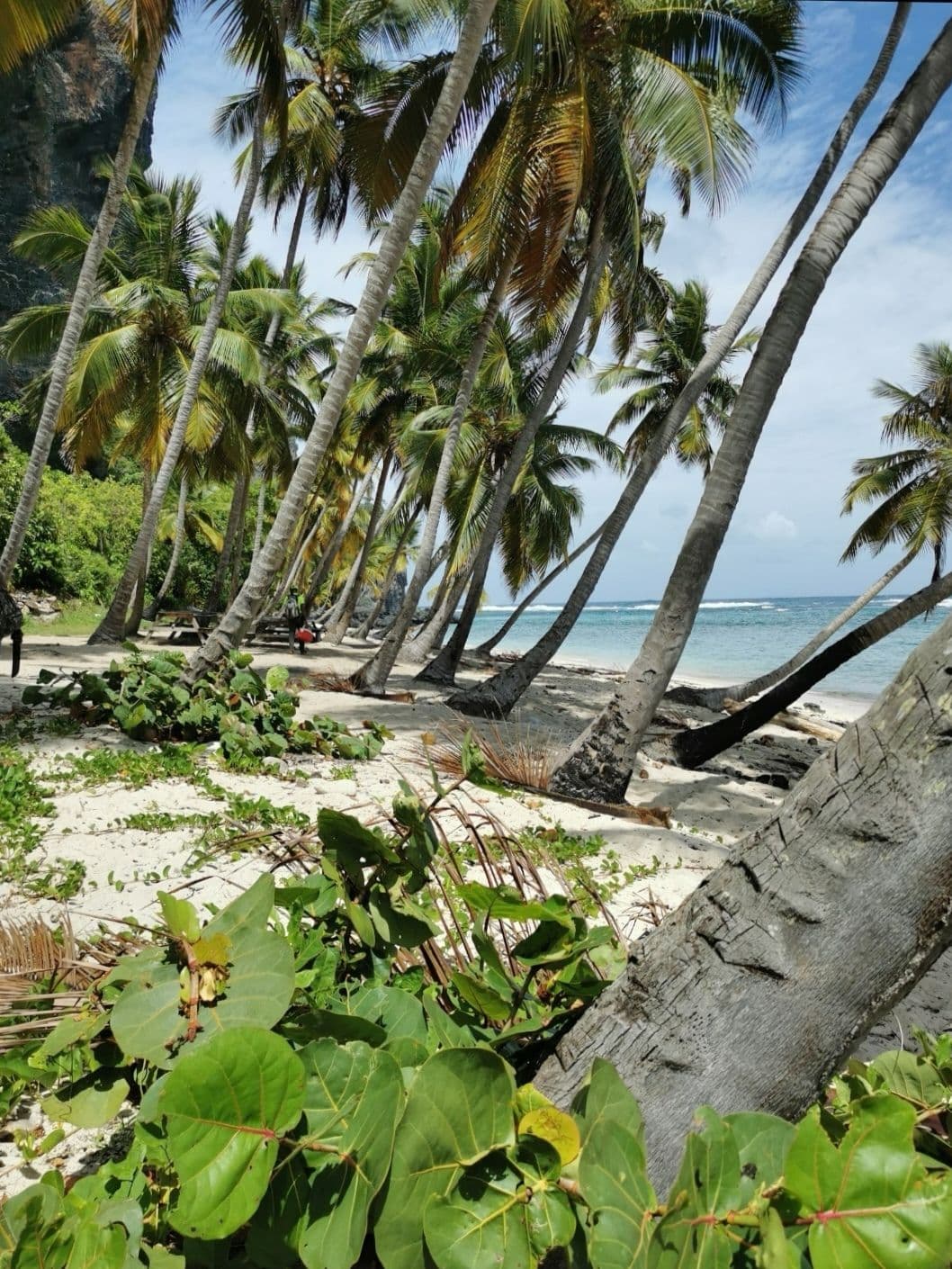
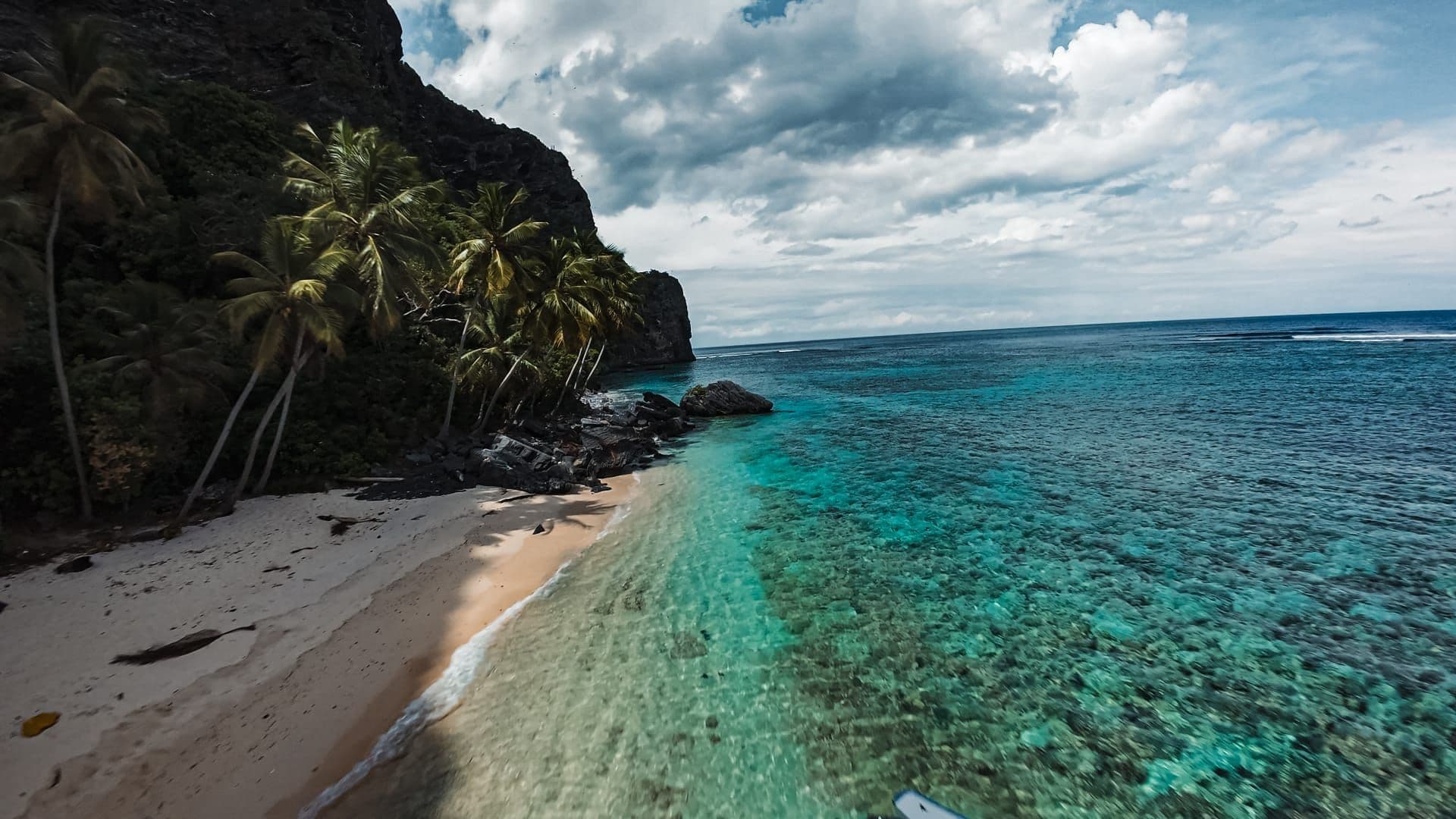
Las Galeras sits between two protected capes. To the east is the Cabo Samaná natural monument, home of Playa Frontón and Playa Madama. To the west is Cabo Cabrón, a bigger and wilder block of forest, cliffs and farmland that drops straight into the Atlantic. Most visitors only see it from the boat on the way to Playa Rincón. Fewer walk into it, and those who do usually go with a guide from the village.
This guide covers the park itself: where it is, who looks after it, how to reach the pools and the dive sites, and what to know before you go. For beaches, boat trips and places to stay in the village, see our Las Galeras guide.
Where is Cabo Cabrón National Park?
The park covers about 35.6 km² of the high headland west of Las Galeras. Its coast runs for roughly 20 km, from the west end of Playa Rincón round to the east end of El Valle beach. Inland it climbs to about 605 metres at Monte Mesa, also called La Gran Meseta.
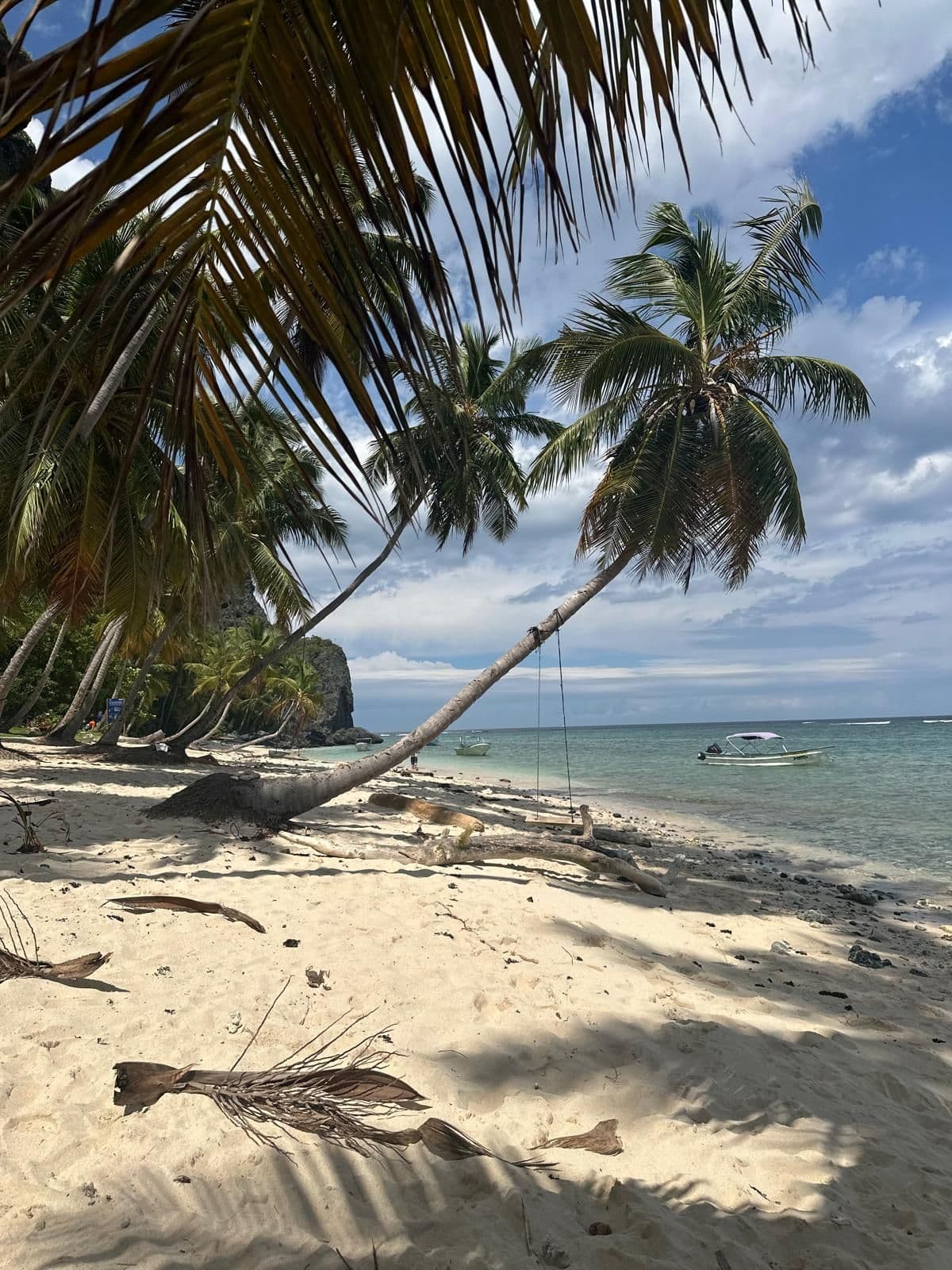
The beaches on either side, Playa Rincón and El Valle, can be reached by road. The park itself has no visitor centre and no entrance gate. Its small coves and pools are reached by boat or on foot with a local guide.
Who looks after Cabo Cabrón?
Cabo Cabrón is a national park in the Dominican protected-areas system, run by the Ministry of Environment (Ministerio de Medio Ambiente y Recursos Naturales). In 2024 the ministry signed a co-management agreement for the park with three local partners: Ecovivero, CEBSE (the Samaná Bay conservation centre) and Agtuge, the Asociación de Guías de Turismo Galeras Ecológicas, which is the Las Galeras guides' association.
The park is under real pressure. In January 2025 Diario Libre published drone photos taken in December 2024 that showed forest cut and burned for crops and cattle inside the park. The paper reported that more than 60% of the area was farmed or grazed, and that surveillance and conservation infrastructure were non-existent. In June 2023 forest fires burned in both Cabo Cabrón and Cabo Samaná, and around 32 people from the ministry and Senpa, the national environmental protection service, went in to put them out.
For a visitor, that means two simple rules: go with a local guide who knows the paths, and take all your rubbish back to the village.
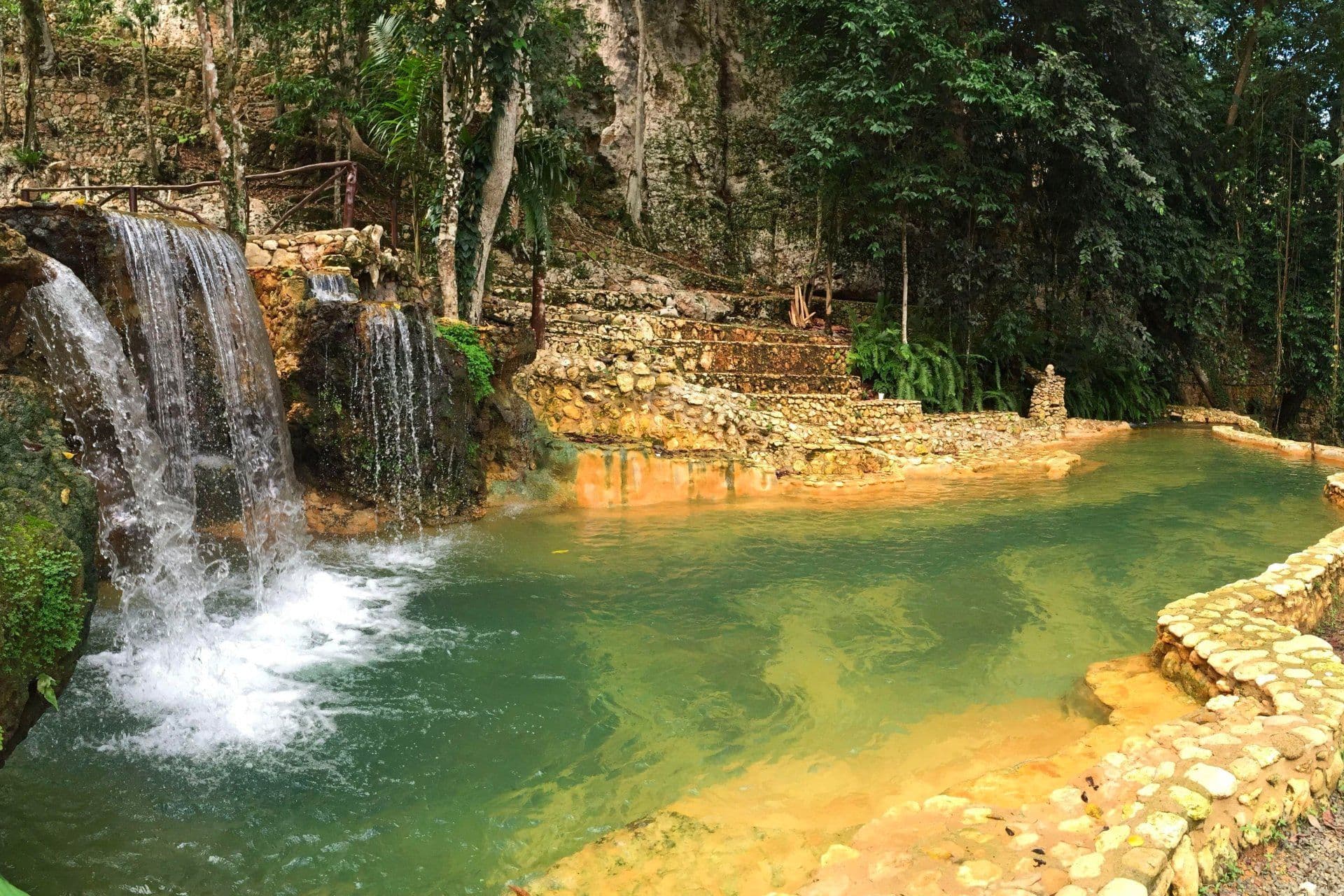
How do you get to Las Pozas, the three pools?
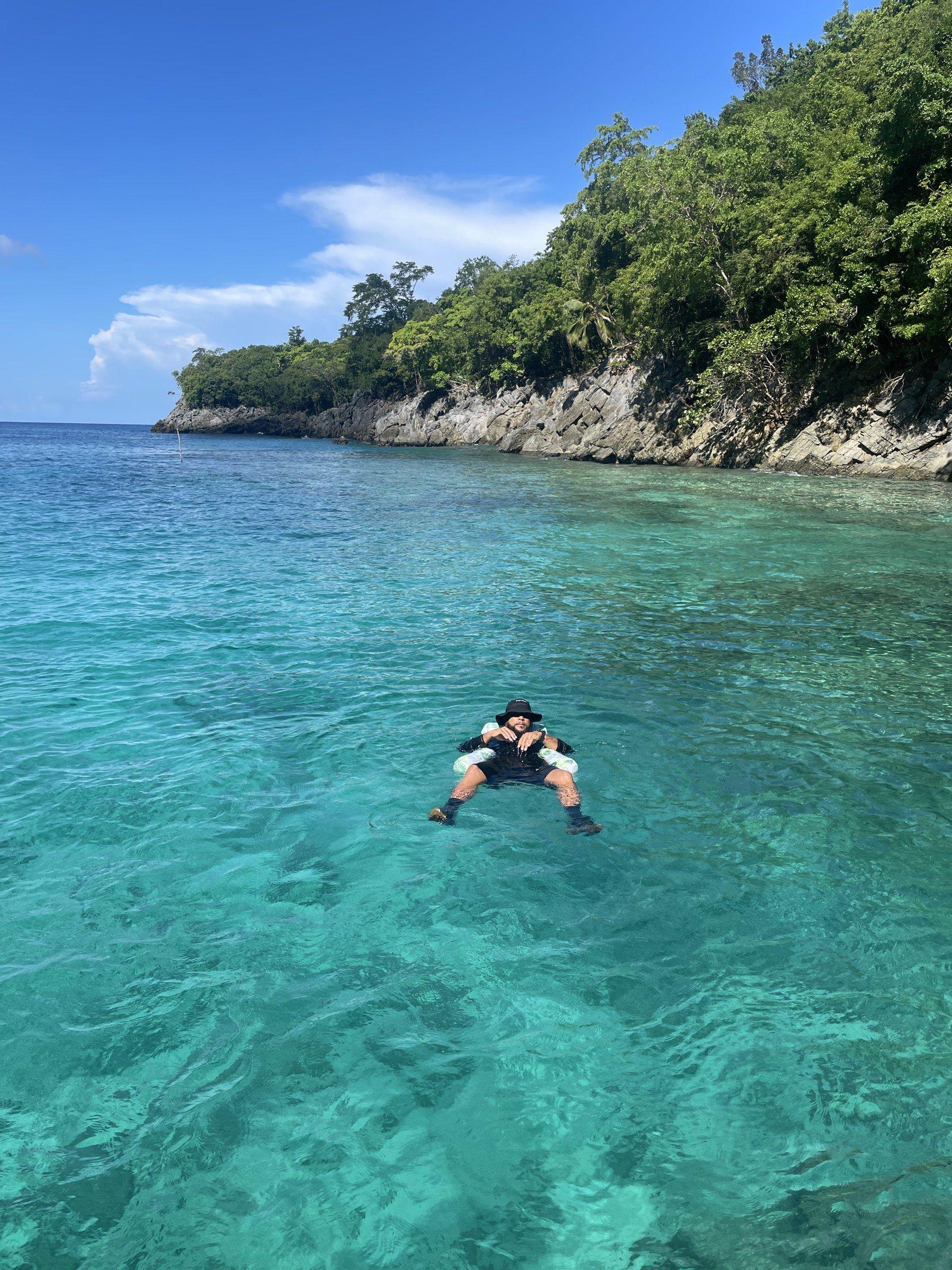
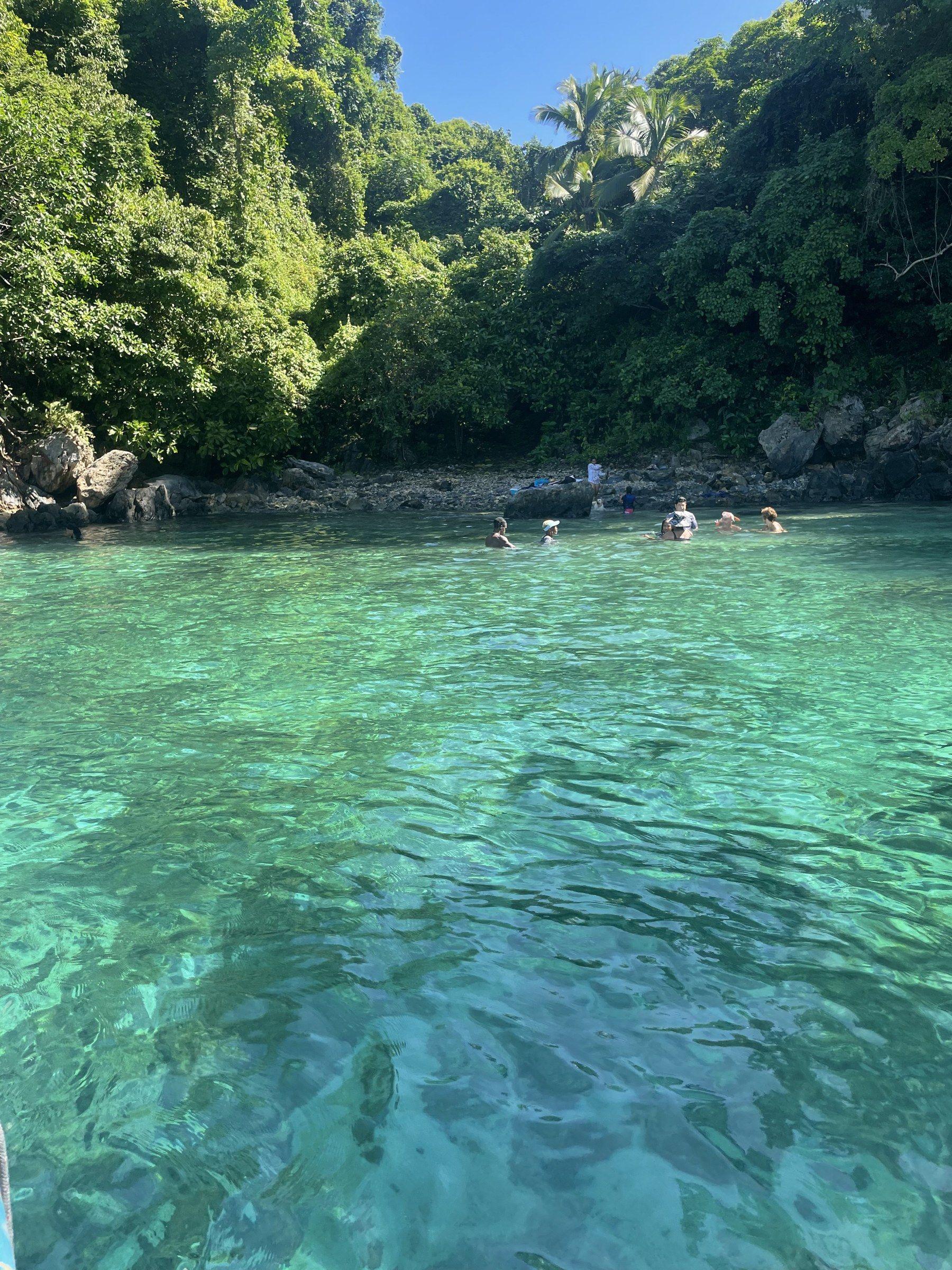
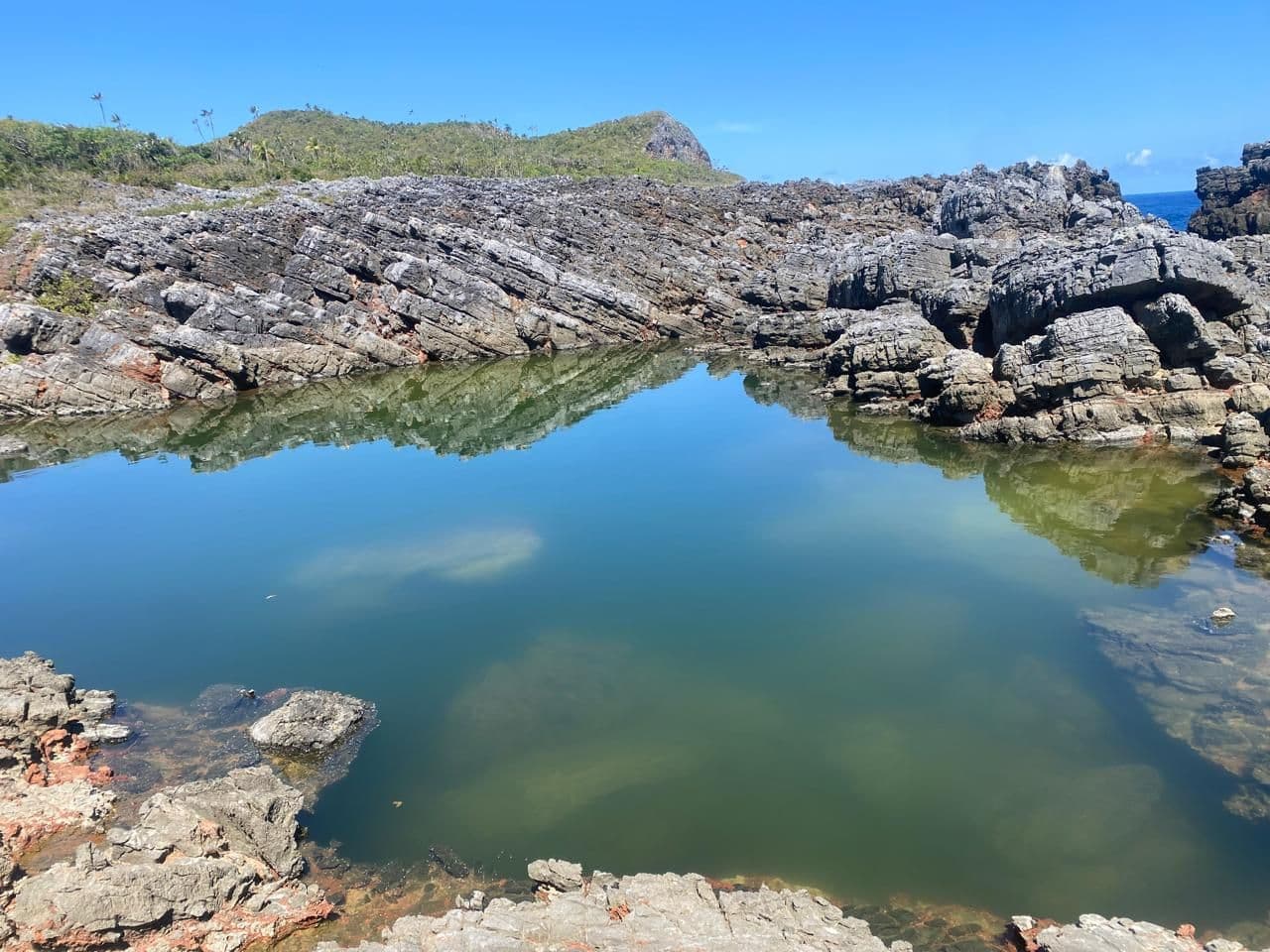
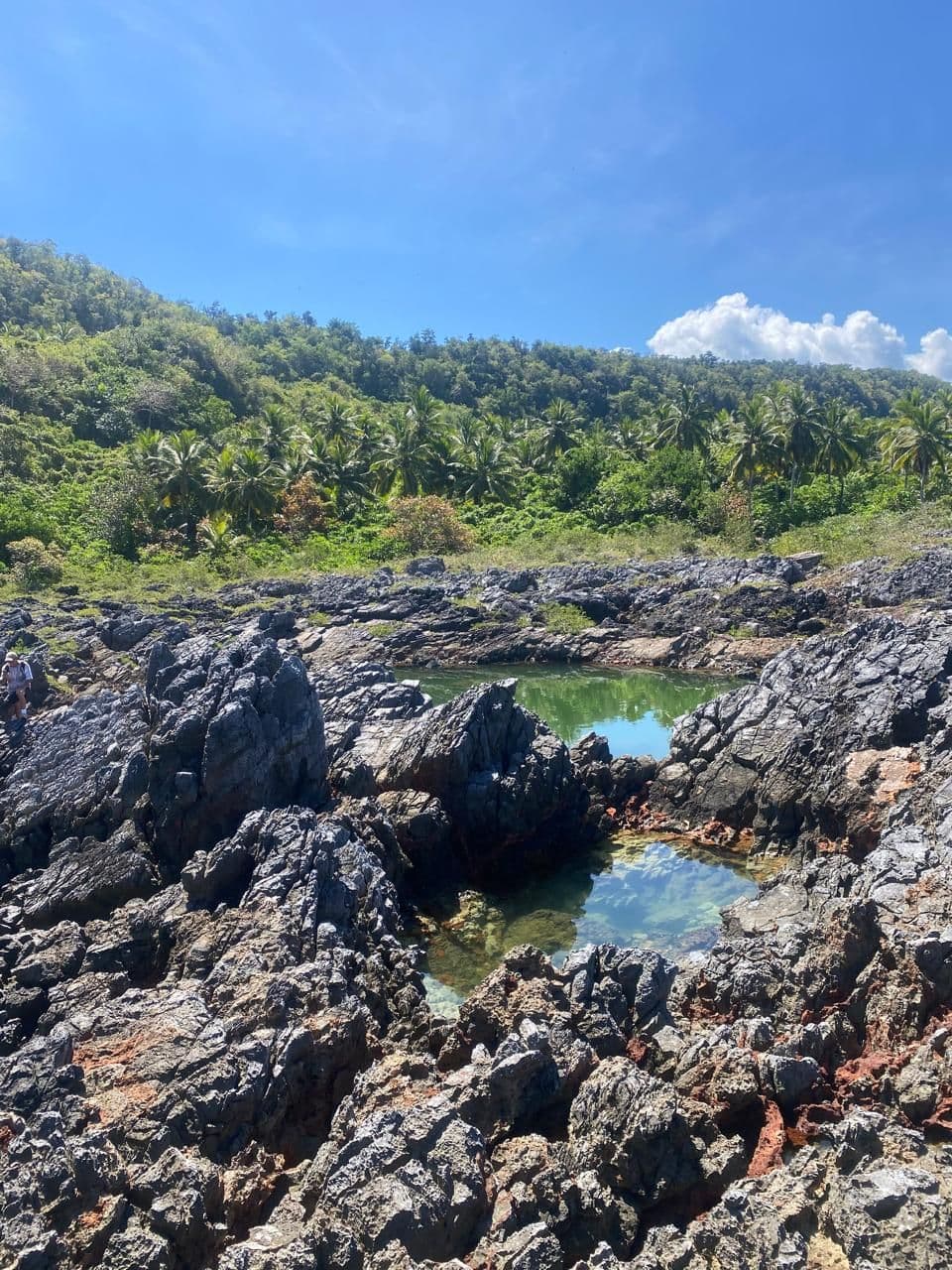
Las Pozas are three natural pools inside the park and the most popular half-day trip into Cabo Cabrón. Trips usually leave from La Playita, a small beach near Las Galeras village. The boat ride along the coast takes about 20 minutes, and from the landing you walk 45 to 60 minutes through forest to the pools.
Guided trips with our hosts in Las Galeras cost about US$60 per person and take about 5 hours, with the boat, the walk and time at the pools. The path is rough, rocky and often muddy after rain. The boat depends on the sea, so keep a spare day in case the trip moves.
Can you hike or dive in Cabo Cabrón?
Hiking: the park has no marked or signposted trails, and paths cross farmland as well as forest. Local guides from Las Galeras lead walks into the park, including the walk to Las Pozas. Walking alone is not a good idea: there is nobody on patrol and nobody to call for help.
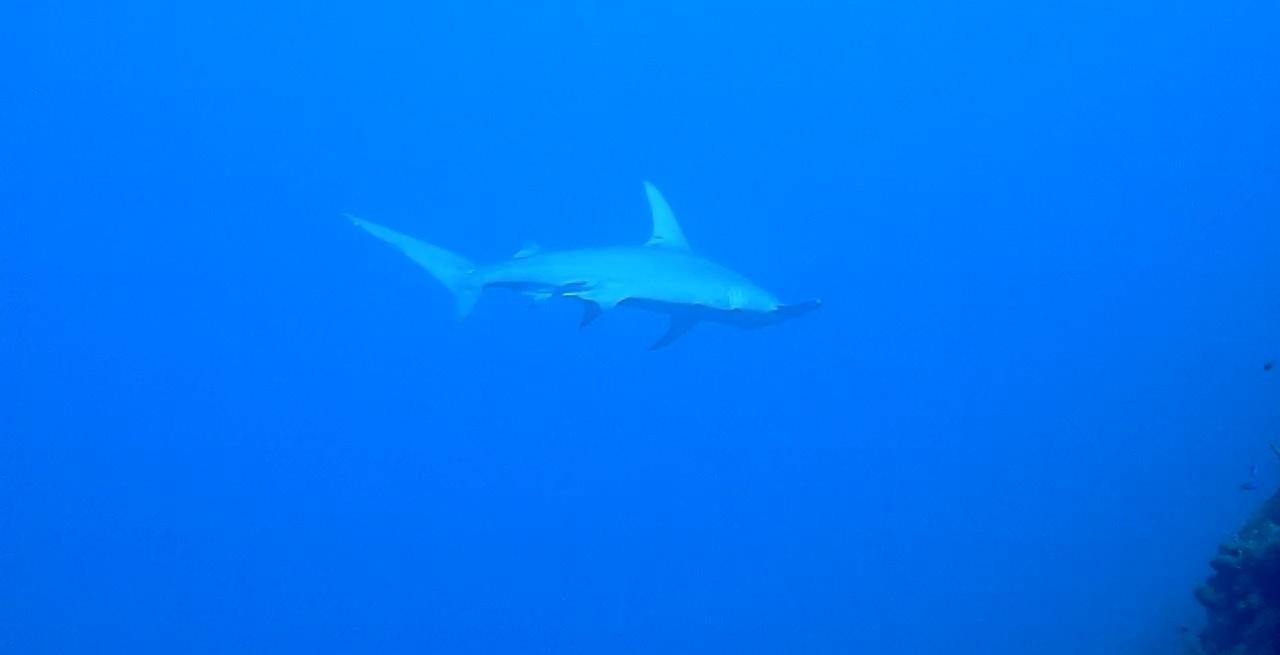
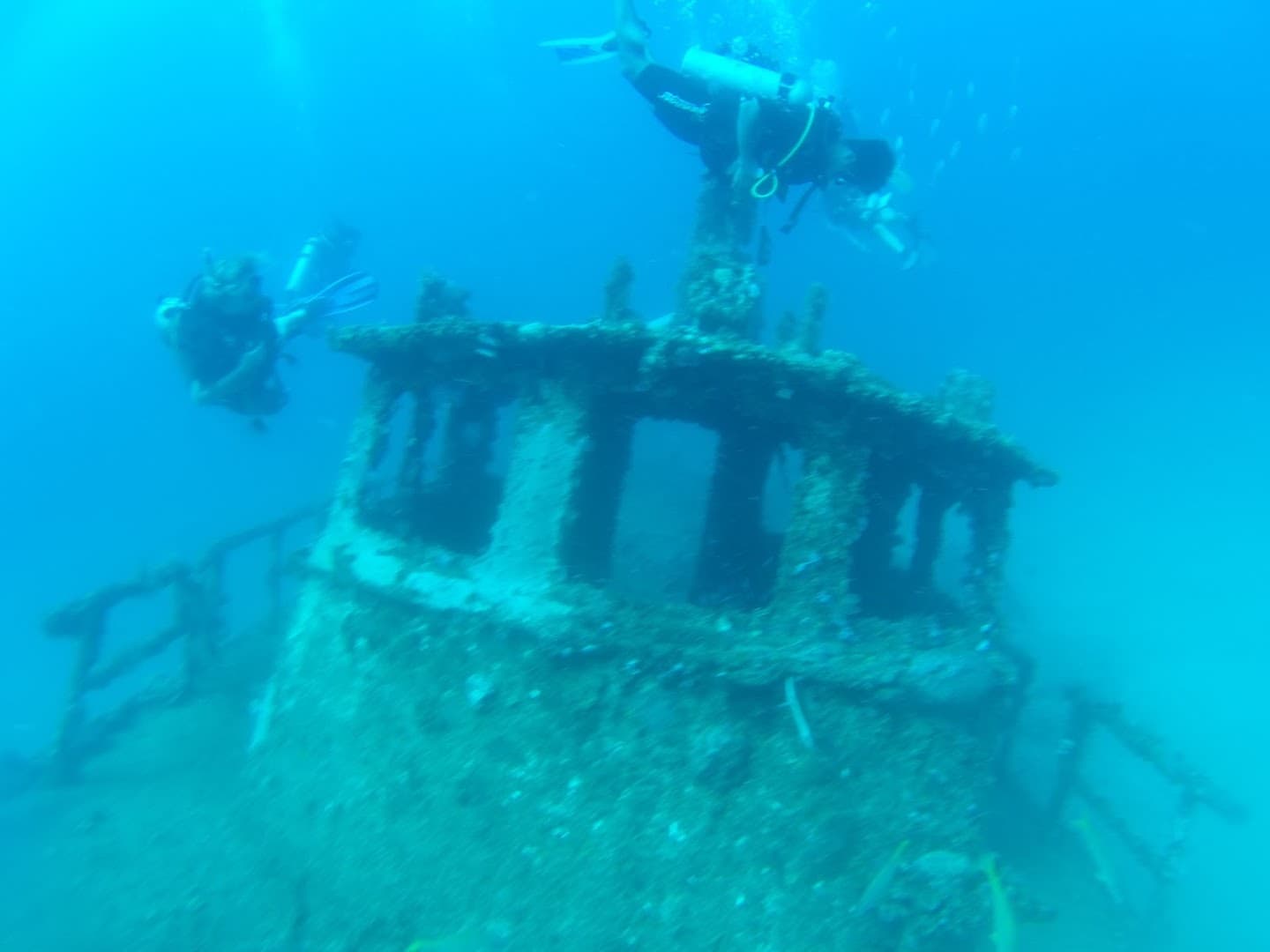
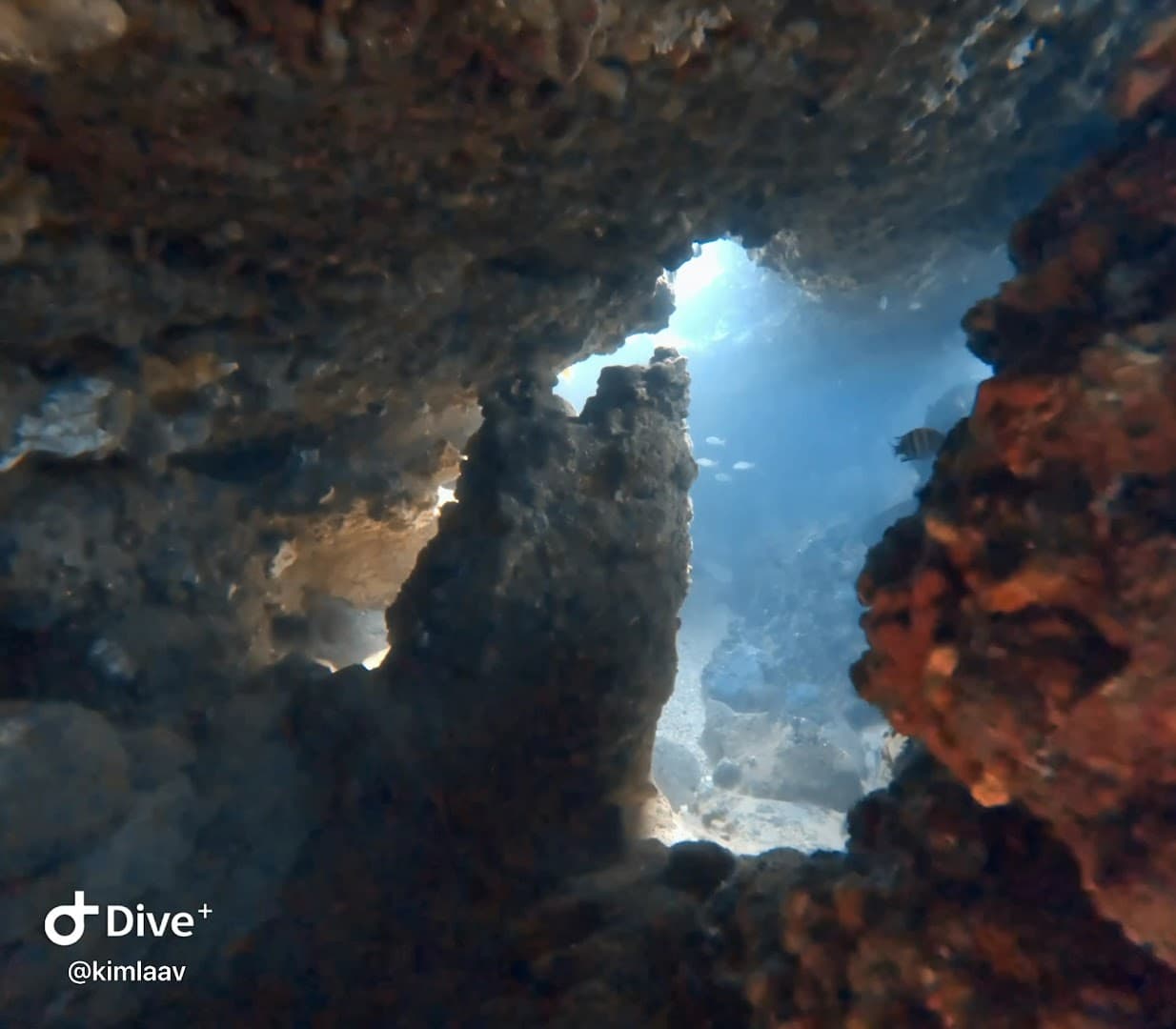
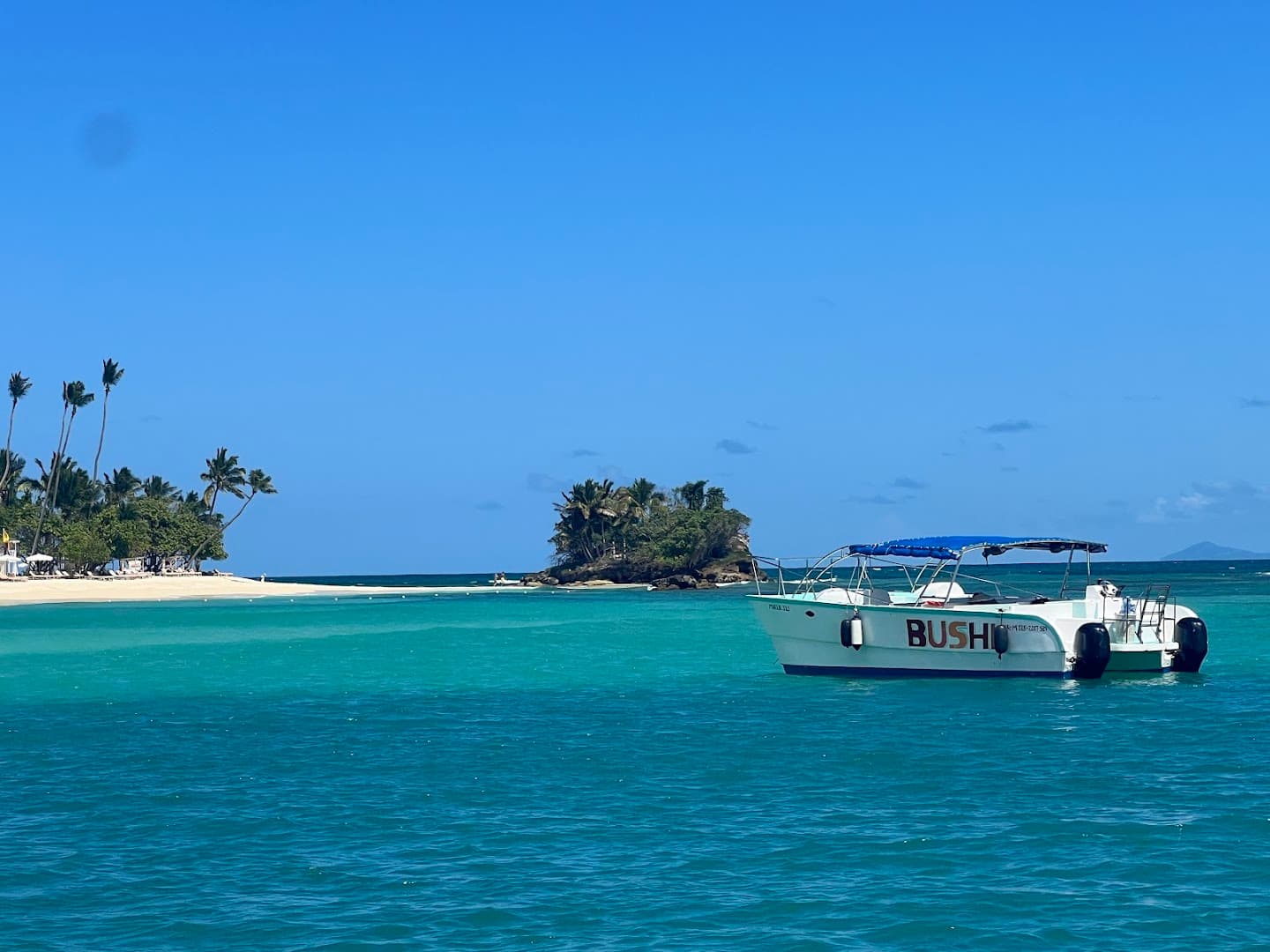
Diving: the cliffs carry on under the water. Dive shops in Las Galeras list sites along the Cabo Cabrón coast such as Puerto Malo, Tibisi I and II, La Laguna, Piedra Bonita, Cueva de Chopa and La Herradura. With our hosts, a guided dive costs about US$73. Ask the dive shop which sites suit your level and how they choose them on the day.
Sponsored
Is there an entrance fee for Cabo Cabrón?
No official entrance fee for Cabo Cabrón is published, and there is no ticket office. You pay your guide, boat captain or dive shop. Ask what the price includes before you pay, and carry Dominican pesos in cash for drinks and tips back in the village.
When should you go, and what should you bring?
The park can be visited all year. Boat trips depend on the sea, and the walk is harder after heavy rain, so it helps to have a flexible day. Start early to avoid the midday heat on the trail.
What to Bring
- At least 1.5 litres of water per person and some food
- Sunscreen, a hat and insect repellent
- Shoes that grip and can get wet
- A swimsuit and a small towel
- A dry bag for your phone
- Cash in pesos for tips
Is Cabo Cabrón safe to visit?
The main risks are the terrain and the distance from help. There are no marked trails, no rangers and no first-aid post in the park. Go with a guide, tell someone at your hotel where you are going and when you expect to be back, keep away from the cliff edges, and stay out of the pools and the sea when waves break over the rocks.
Key Takeaways
Key Takeaways
- Cabo Cabrón is a national park of about 35.6 km² on the north-east tip of the Samaná peninsula, running along the coast from Playa Rincón to El Valle.
- The best-known visit is Las Pozas, three natural pools: about 20 minutes by boat from Las Galeras, then a 45 to 60 minute walk.
- No official entrance fee is published. Guided trips to the pools with our hosts cost about US$60 per person.
- Since 2024 the park has been co-managed by Ecovivero, CEBSE and Agtuge with the Ministry of Environment.
- There are no shops, toilets or rangers inside the park: bring water, food, shoes that grip and cash.
Book your excursion
Pick one, see the photos and prices, and write to the host on Exploras.
Got a question? Ask us
We answer right away, with verified local hosts.
Sources
- Ministerio de Medio Ambiente firma cinco nuevos acuerdos de comanejos de áreas protegidas, Presidencia de la República Dominicana
- Cabo Cabrón sucumbe ante la agricultura y ganadería, Diario Libre, 1 January 2025
- Reportan incendios forestales en Cabo Cabrón y Cabo Samaná, Diario Libre, 10 June 2023
Photo by Simone Dinoia on Unsplash